Genetic sequencing technology can become a powerful ally to improve fish health in aquaculture.
A recent scientific study developed by researchers from Interdisciplinary Center for Aquaculture Research (INCAR), of Biotechnology Center of the University of Concepcion, of the San Sebastian University and of MOWI Chile has revealed how genetic sequencing technology can become a powerful ally to improve fish health in aquaculture.
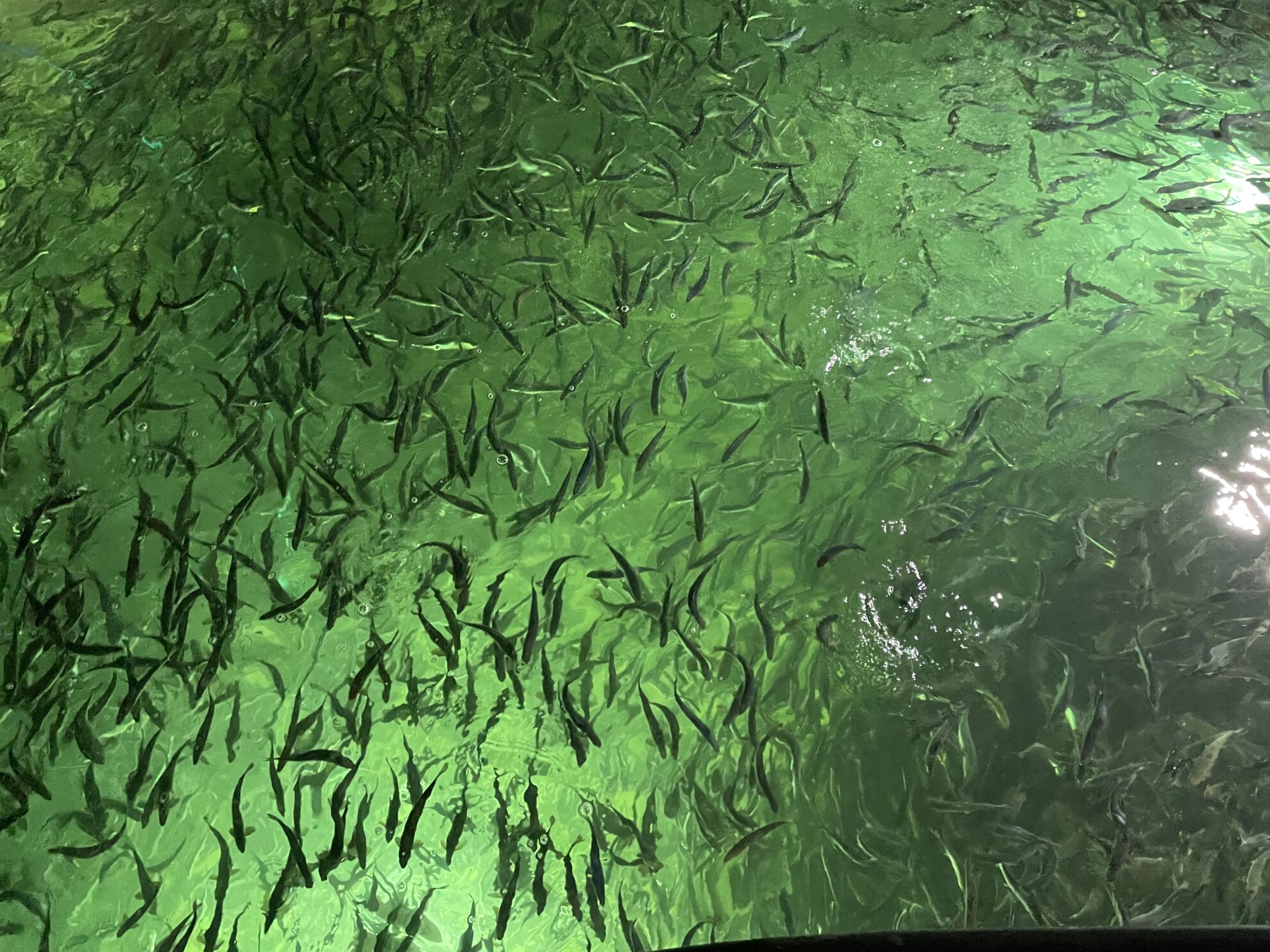
The research team composed of the Dr. Diego Valenzuela-Miranda, Dr. María Fernanda Morales-Rivera, Jorge Mancilla-Schutz, Alberto Sandoval, Dr. Valentina Valenzuela-Muñoz and Dr. Cristian Gallardo-Escárate used Oxford Nanopore, a state-of-the-art tool, to analyze the microbial community in a recirculation aquaculture system (RAS), used for the cultivation of Atlantic salmon in freshwater.
The RAS system allows water to be reused, which makes it more sustainable, but also requires rigorous control of sanitary conditions. Traditionally, methods such as PCR have been used to detect specific bacteria, although they may overlook the real diversity of present microorganisms.
“One of Nanopore’s advantages is that it allows you to read the entire 16S gene, identifying bacteria up to species level, something that is not achieved with other sequencing technologies. In addition, it is fast and portable: in less than a day we can have a complete picture of the microbial community, including pathogens that traditional methods could overlook,” explained the Assistant Researcher of INCAR’s “Acuícola Genomics” line, Dr. Diego Valenzuela-Miranda.

The main results of the researchers revealed the existence of bacteria related to processes of denitrification and metabolism of hydrogen sulfide in water and it was determined that the sick fish showed less microbial diversity and predominance of bacteria of the Proteobacteria group. In addition, pathogens such as Aeromonas, Vibrio and Aliivibrio were detected, including Aliivibrio wodanis in fish with clinical symptoms. In contrast, healthy salmon presented metabolic pathways associated with better digestion and fermentation of nutrients.
“We detected Aliivibrio wodanis in sick fish and also in the water of the system, suggesting possible environmental transmission. This shows that biofilters and tanks can act as reservoirs of pathogens, so it is key to monitor not only fish, but also the microbiological environment of RAS,” explained Dr. Valenzuela-Miranda.
These findings suggest that the use of technologies such as Nanopore can help to more accurately monitor microbial health in cropping systems, allowing to detect problems before they affect production. “If we incorporate this technology into routine monitoring, we could anticipate outbreaks and act preventively, reducing the use of antibiotics and improving the health of fish and the system,” the researcher added.
Check the paper Nanopore-Based Metagenic Approaches for Detection of Bacterial Pathogens in Recirculating Aquaculture Systems here