Workshop "Dialogues for the Future of the Coastal Edge" aimed to create a technical, political and territorial space for discussion on the proposals to amend Law No. 20.249, known as the Lafkenche Law.
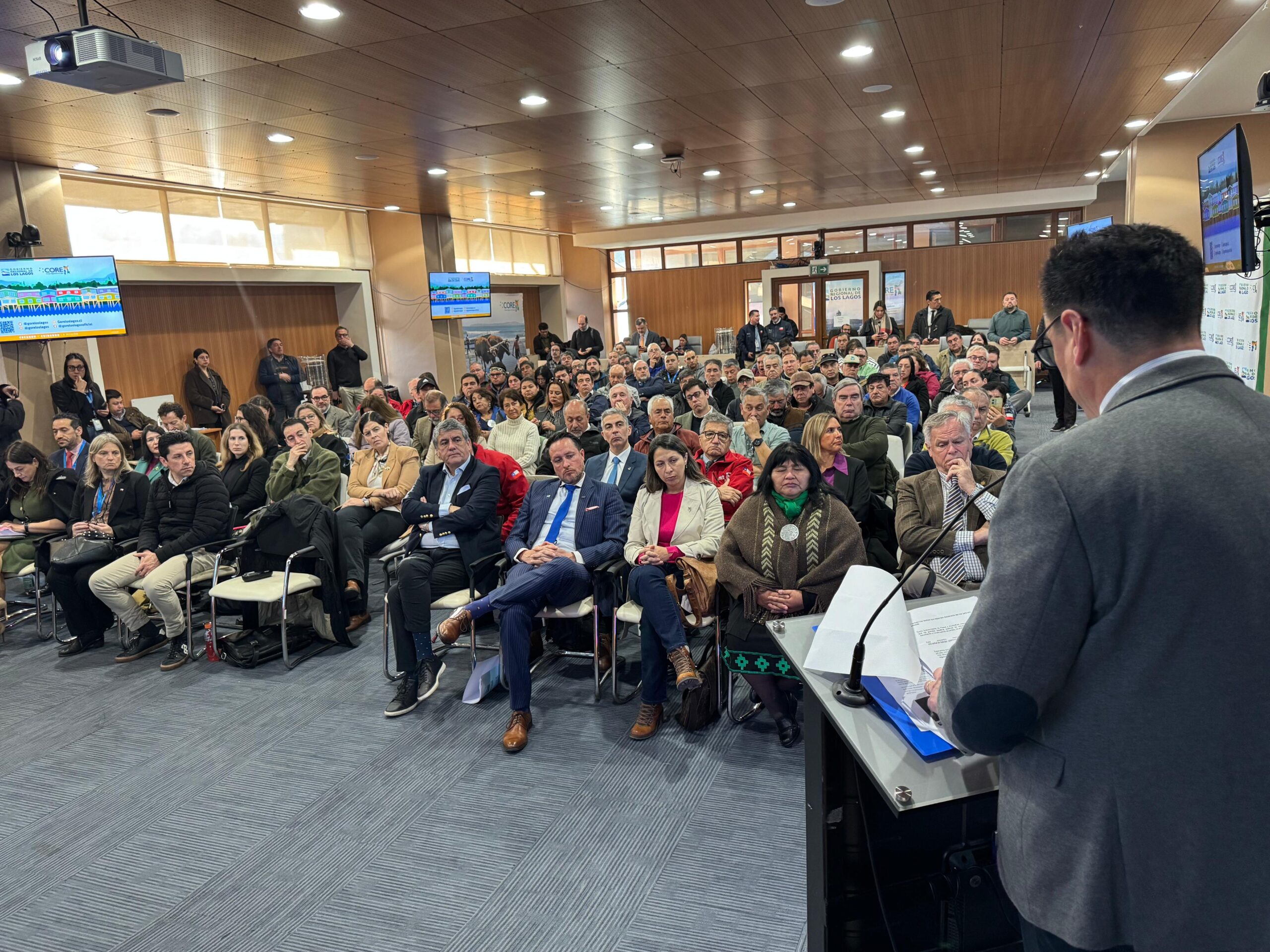
With the participation of regional authorities, representatives of indigenous peoples, leaders of artisanal fishing, aquaculture workers, academics, legal experts and actors linked to the coastal edge, the Subsecretariat of Fisheries and Aquaculture held this Wednesday in Puerto Montt the workshop "Dialogues for the Future of the Coastal Edge", an initiative aimed at creating a technical, political and territorial space for discussion. about the proposals to amend Law No. 20.249, known as the Lafkenche Law.
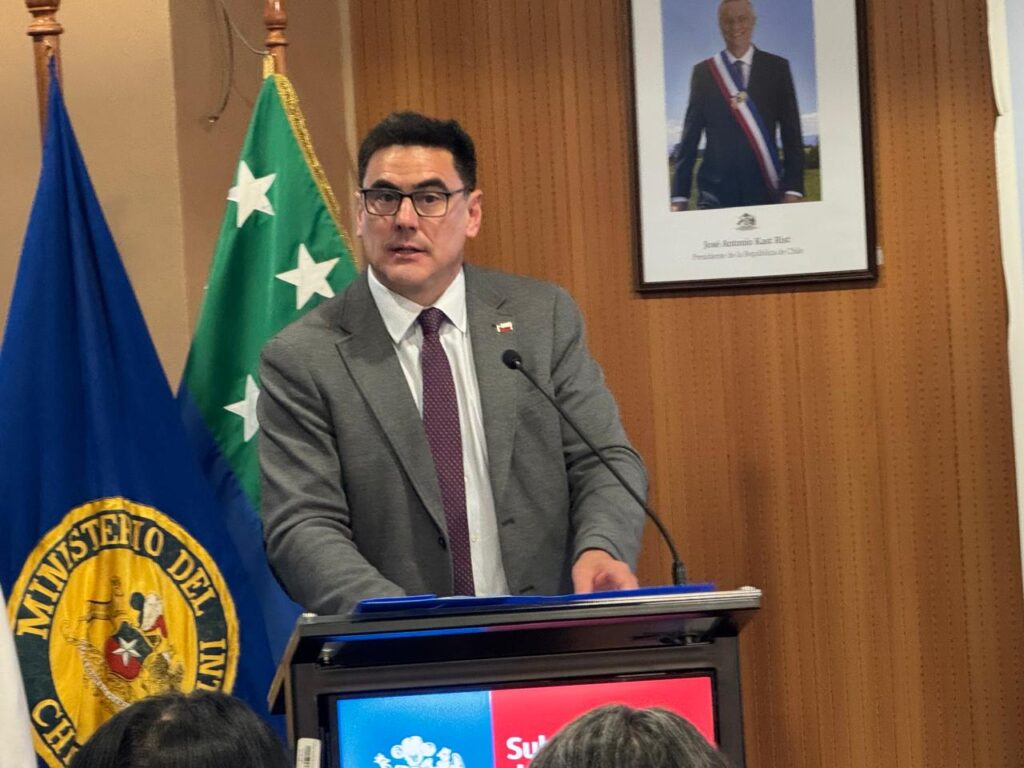
The activity was led by the Undersecretary of Fisheries and Aquaculture, Osvaldo Urrutia, together with the Regional Governor of Los Lagos, Alejandro Santana, and the Mayor of Puerto Montt, Rodrigo Wainraight, as well as parliamentarians and regional authorities.
The undersecretary Urrutia highlighted the need to move towards a modern, balanced coastal governance capable of reconciling ancestral rights, economic development and legal certainty for the country's coastal regions. Here we are not talking about eliminating a law nor about disregarding the advances that the Lafkenche Law represented in terms of recognition of the rights of indigenous peoples linked to the coastal edge. What we are proposing is to generate an honest and responsible debate to face the problems, difficulties and tensions that exist today regarding the Law, noted the authority.
Also, he stated that after almost two decades of implementation of the regulations, challenges have arisen related to extended processing times, overlapping applications, administrative uncertainty and difficulties in reconciling different uses of the coastal edge.
Although this law was born with good intentions and a legitimate objective of recognizing ancestral rights, we must also acknowledge that in some aspects its implementation has not been the most appropriate, being used in ways that often deviate from the original spirit of the regulation, supported the undersecretary Urrutia.
It is now indicated that the implementation of the Lafkenche Act has ended up becoming an obstacle to investment development, employment generation and economic growth in coastal regions.
“We as artisanal fishermen are not for the repeal but for the amendment to the Law, so that when we have the infrastructure and projects, we can continue to work and in harmony with all sectors, because we are also part of original peoples and have worked all our life on the coastal edge therefore we also need clear regulations.” said Zoila Bustamante, President of the Conapach
“Chile has enormous comparative advantages, but it is urgent to make legislative, regulatory improvements and also to face permission. (.) This workshop is a significant step towards ending speculations that threaten private investment and what the day requires more than ever certainty.” The Regional Governor of Los Lagos, Alejandro Santana, said.
“More than a year ago we have been indicating the need to modify the Lafkenche Law, not for a whim, but for its negative effects. We used to have full employment in Puerto Montt, but we lost it, because any kind of investment has been paralyzed. A law that was born with good intentions, but that has had very bad results and I think this is an opportunity for the first time, which we can agree and converge modifications deep,” added Puerto Montt Mayor Rodrigo Wainrage.
“In the project we proposed changing endless deadlines, changing the suspensive effect, regulating overly large requests, clearly setting objective criteria for defining an ECMPO, and especially that it be presented at the start of the process, the project for which the request is being requested”, explained Carlos Kuschel, senator, chairman of the fishing commission and one of the authors of the project that is already under way.
The event contemplated four thematic panels focused on the main challenges associated with the implementation of the Lafkenche Law. From the “History and Diagnosis”, with the exhibitions of Leonardo Arancibia, the Parliamentary Technical Advisory Office of the Library of the National Congress, and Alejandro Barrientos, head of the Aquaculture Division of Subpesca.
Subsequently, the second panel addressed “The Suspensive Effect”, which in the current legislation allows temporary suspension of other applications or concessions in the same area while being evaluated, which in practice has stopped investments, productive projects and administrative processes, with the exhibitions of Antonella León, legislative adviser of the Undersecretary for Fisheries and Aquaculture, and of the lawyer Mónica Cortés, of the legal study FerradaNehme.
The third panel was dedicated to “The Proportionality”, a concept related to the size and extent of EMPO applications and the need to establish objective criteria that allow to balance the recognition of customary uses with the coexistence of other economic and social activities on the coastal edge, with the presentations of Jessica Fuentes, professor of Constitutional Law of the PUCV and María Paz Olavarría, Professor of Civil Law at San Sebastián University, Patagonia headquarters.
Finally, a fourth panel focused on the “Consuetudinary Use”, in the Lafkenche Law, which accredits ancestral, cultural, religious, economic or traditional practices that indigenous communities have historically developed in certain coastal areas, with the participation of the national director of Conadi, Ignacio Malig, and Cristian Tapia, adviser to the National Confederation of Artisan Fishermen of Chile (Conapach).
Following the presentations, the conference continued with participatory working tables aimed at gathering proposals, observations and visions from the different sectors involved regarding the future of coastal border management and the challenges associated with the Lafkenche Law.
From the Undersecretary of Fisheries and Aquaculture, they pointed out that the reflections and proposals that emerged during this meeting will seek to be transformed into technical inputs for the indications that the Executive will present to the draft law presented by senators of the Republic that seeks to improve the current Law Lafkenche.