Within the framework of the 12th Expo Industrial, Commercial and Technological Innovation 2026 of Comodoro Rivadavia, ULagos signed collaboration agreements with the National University of the Patagonia San Juan Bosco, the Municipality of Comodoro Rivadavia and the Comodoro Knowledge and Development Agency. The initiative aims to strengthen research, technology transfer and links between universities, the public sector and companies, putting in value the experience of the Chilean research institution in aquaculture.
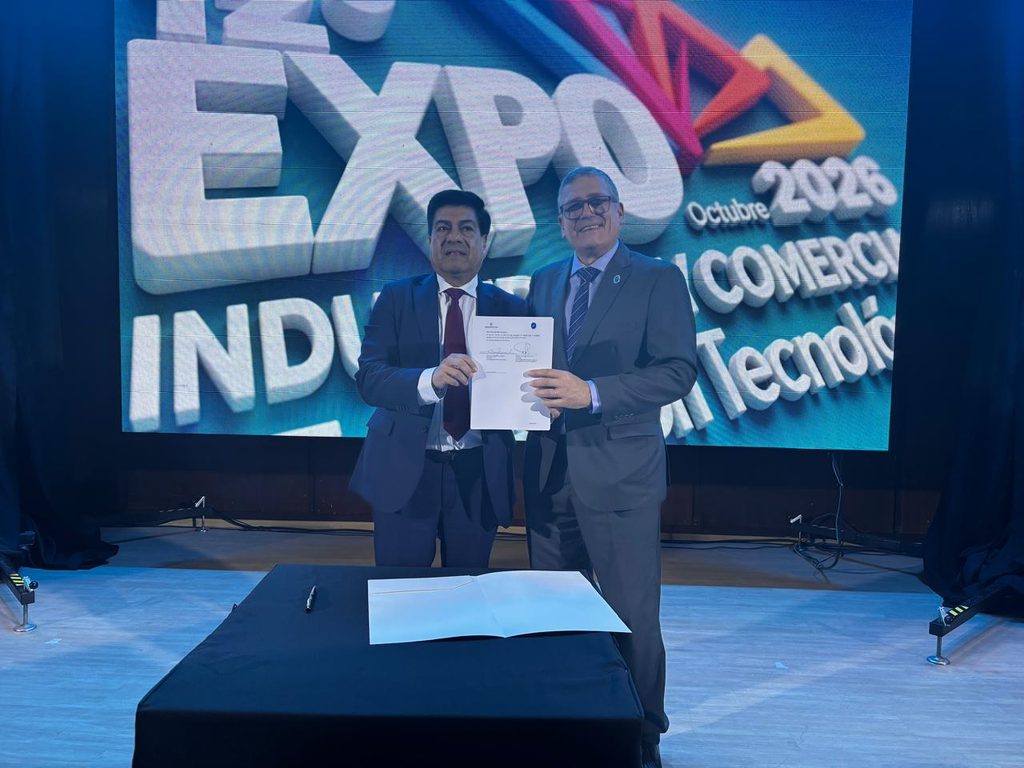
With a bet on international cooperation, innovation and the productive development of Patagonia, the University of Los Lagos finalised two important collaboration agreements during the opening of the 12th Expo Industrial, Commercial and Technological Innovation 2026, held in Comodoro Rivadavia, Chubut province, Argentina.
The agreements consider, on one hand, the University of Los Lagos and the National University of the Patagonia San Juan Bosco (UNPSJB), and on the other hand, an alliance that includes the Comodoro Rivadavia City Council and the Comodoro Knowledge and Development Agency. Both agreements aim to generate new opportunities for joint work in scientific research, innovation, human capital training and technology transfer, strengthening the links between institutions and the productive sector.
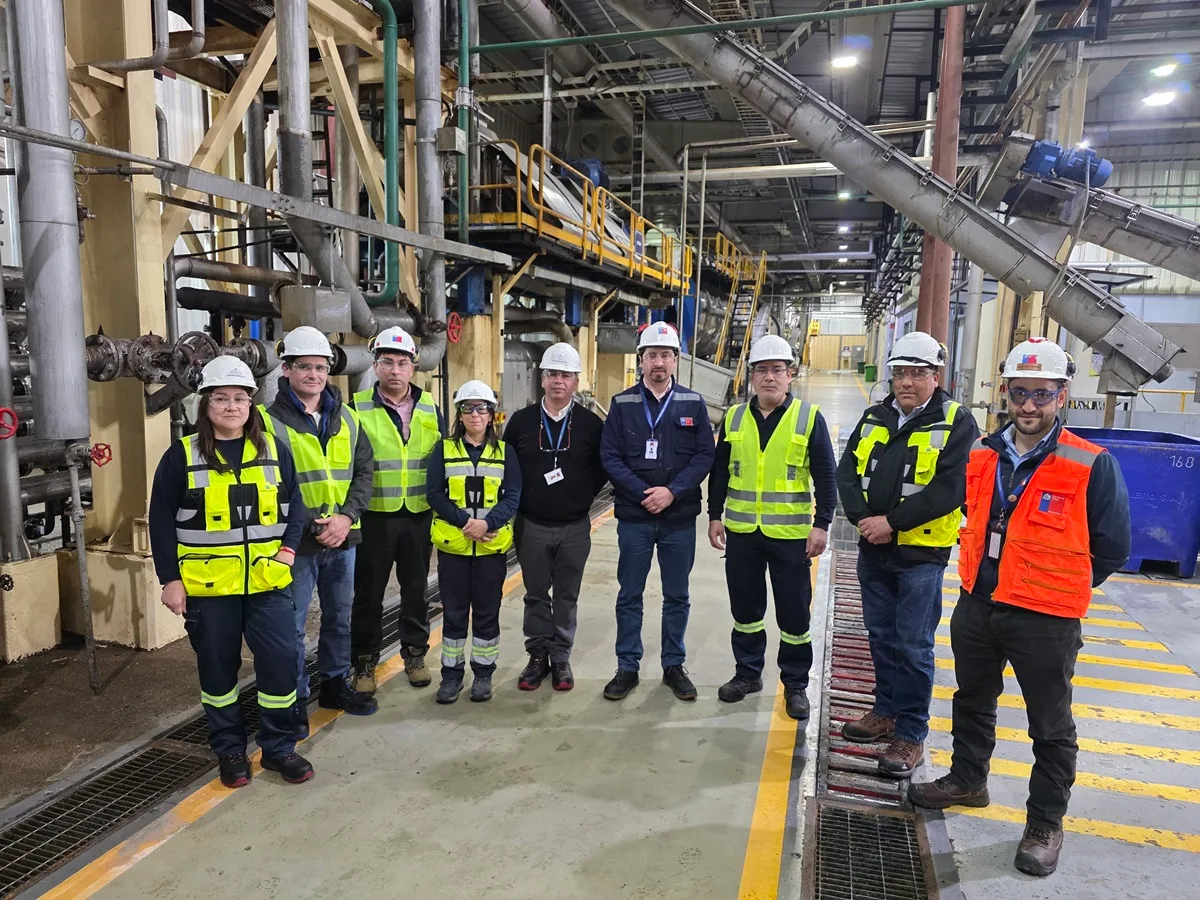
The signing of these instruments is the result of a process of approach initiated in August of last year, when an Argentine delegation visited the ULagos facilities to learn about its experience and capabilities in aquaculture. The interest arose from the recognition of the Chilean state university as a reference institution in southern Chile and Patagonia, for its contribution to the training of specialized human capital, the scientific research and technology transfer in this strategic area.
The opening ceremony brought together more than a thousand representatives from the academic, business, political and social worlds, consolidating a meeting space to promote initiatives that link knowledge with the needs of the territory.
A partnership to drive the development of Patagonia
The delegation from the University of Los Lagos was headed by its rector, Dr. Oscar Garrido Alvarez, who highlighted the value of establishing virtuous alliances between universities, public institutions and the business sector, as a concrete way to promote the balanced and sustainable development of the territories.
The inauguration was headed by the regional director of Comodoro Rivadavia, Othar Macharashvili, and counted on the participation of university authorities, including the rector of UNPSJB, Rubén Fleitas, as well as municipal and provincial officials, regional regional directors, legislators, representatives of the Armed Forces and Security, union leaders and representatives of the main operating companies and small and medium enterprises. companies from the San Jorge Gulf Basin.
During the opening, Macharashvili highlighted the continuity of the Industrial Fair as a strategic space to promote the meeting between the public and private sectors, encourage dialogue and advance a shared agenda for regional development.
In this scenario, the participation of the University of Los Lagos acquired special relevance by contributing its experience in applied research, technological development and professional training, contributing to strengthening the relationship between academia and productive activities.
For Rector Dr. Oscar Garrido, this alignment allows progress towards a collaboration in which scientific and academic capabilities are directly connected to the challenges of companies and communities. An alliance that seeks to transform knowledge into opportunities for development, innovation and growth for both sides of the mountain range.
Aquaculture as a mark of excellence and international cooperation
One of the main factors that motivated the approach between the institutions is aquaculture, an area in which the University of Los Lagos has established a relevant track record in southern Chile, with capabilities covering specialized training, research, aquaculture production and technology transfer.
The interest shown by Argentine institutions in learning about this experience represents an opportunity to promote internationally the work carried out by ULagos and to open new lines of scientific and technological collaboration with actors from the Argentine Patagonia.
The participation of academics and researchers from the university will allow exploring joint initiatives aimed at sharing knowledge, developing research and strengthening the training of professionals capable of responding to the challenges of an activity that has an important economic, social and territorial impact.
This cooperation also opens possibilities to link university experience with the needs of the industry, promoting innovation and the development of solutions that contribute to the sustainability and competitiveness of the aquaculture sector.
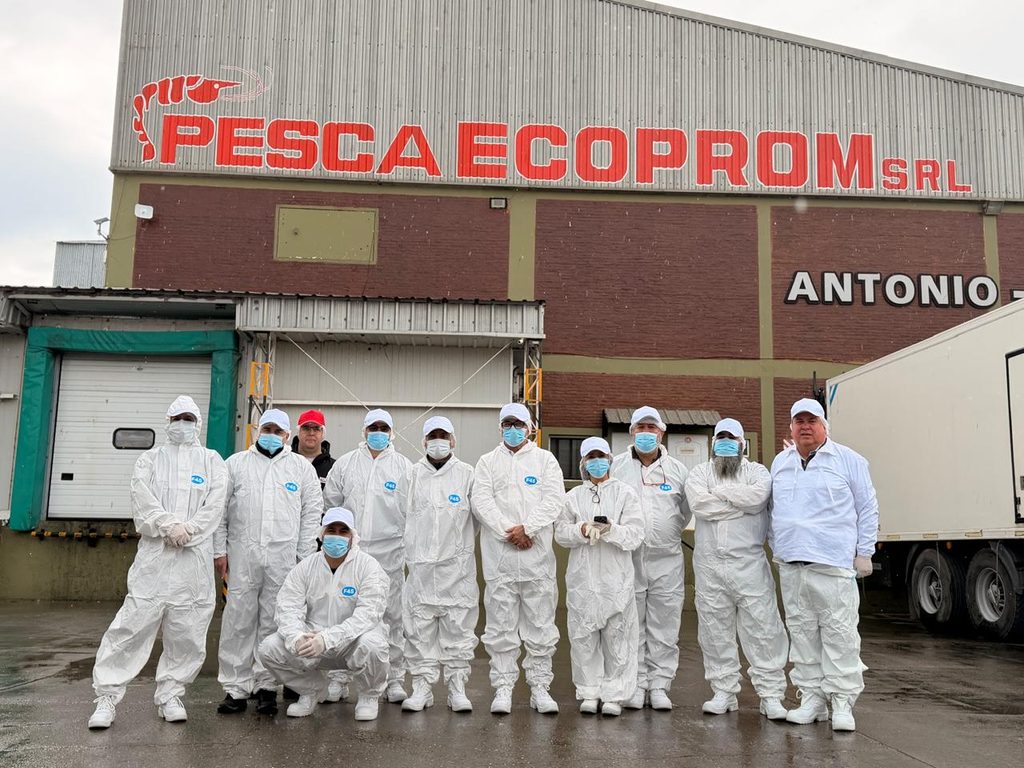
In this way, ULagos strengthens its positioning as a strategic public institution for the scientific and productive development of southern Chile, projecting its capabilities beyond national borders and contributing to the construction of a common agenda for Patagonia.
University, State and companies: a shared agenda
The 12th Industrial, Commercial and Technological Innovation Fair took place at the Comodoro Rivadavia Fairground with more than 150 exhibitors, around 700 business meetings and a program of 40 activities, positioning itself as a platform to promote new commercial, technological and cooperation opportunities.
The link between higher education, science, technology and industry was one of the central themes of the inauguration. University authorities agreed on the importance of bringing higher education institutions closer to the concrete needs of the territory, expanding training opportunities for young people and supporting productive transformation processes with a sustainable perspective.
In that line, the head of the Comodoro Agency for Knowledge and Development, Rubén Zárate, highlighted that the 2026 edition of the exhibition was structured around two main axes: technological innovation and productive diversification.
Similarly, he raised the need to move towards a regional innovation system that allows Patagonia, and particularly the San Jorge Gulf region, to respond to the challenges of the global economy. In this context, he highlighted the role of the private sector and business rounds as mechanisms to strengthen commercial relations and the network of small and medium-sized enterprises.
For the University of Los Lagos, this vision coincides with the importance of building permanent collaborative relationships between universities, the State and the business sector, so that research and knowledge are translated into concrete initiatives for territorial development.
Researchers from ULagos contribute their expertise at the Expo
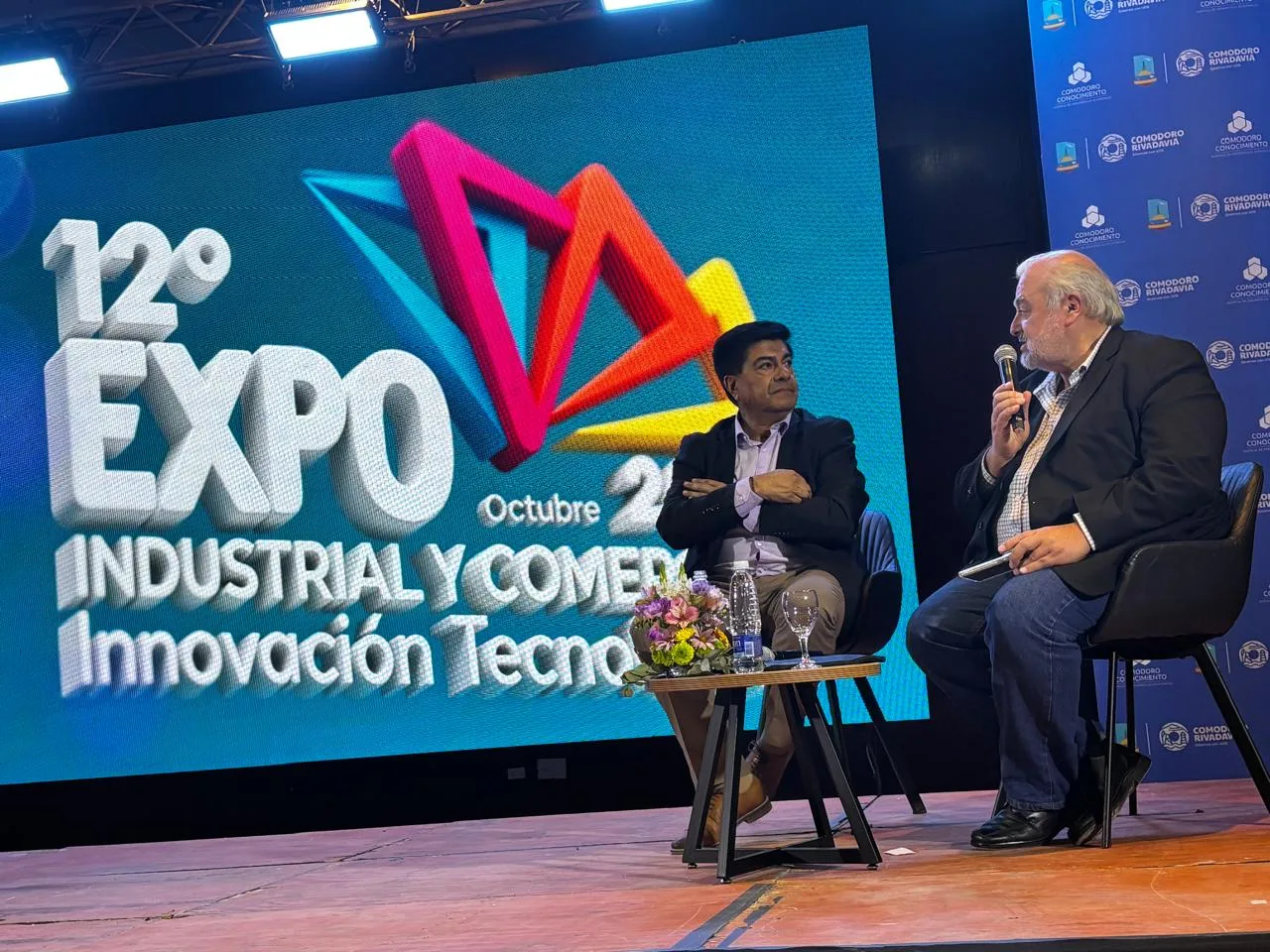
During the three days of Expo Industrial 2026, the researchers from the University of Los Lagos Alberto Medica, René Espinoza, Mauricio Pineda and Óscar González participated in discussion panels together with academics, representatives of public and private institutions and members of civil society.
The presence of the experts allowed to share the university's experience in aquaculture, scientific development, technology transfer and commercial development, contributing an academic perspective linked to the needs and opportunities of the productive sector.
Its participation also contributed to highlighting the institutional capabilities of ULagos and to creating spaces for exchange with actors who share the interest in strengthening innovation and economic diversification in Patagonia.
The signing of the agreements and the participation of the university delegation in this international event mark a new step in the internationalization strategy of the University of Los Lagos. A bet that seeks to strengthen cooperation networks, expand opportunities for research and academic training and put knowledge at the service of the territories.
With these alliances, ULagos reaffirms its commitment to collaboration between public institutions, universities and companies, projecting its experience in aquaculture and its scientific capacity as concrete contributions to the sustainable development of southern Chile and the Argentine Patagonia.