Reports include the estimate of production to date and its evaluation according to the maximum limit they are authorized. The aim of these reports is for the managers to implement preventive actions, to avoid exceeding the maximum production limit authorized in their RCA at the end of the production cycle.
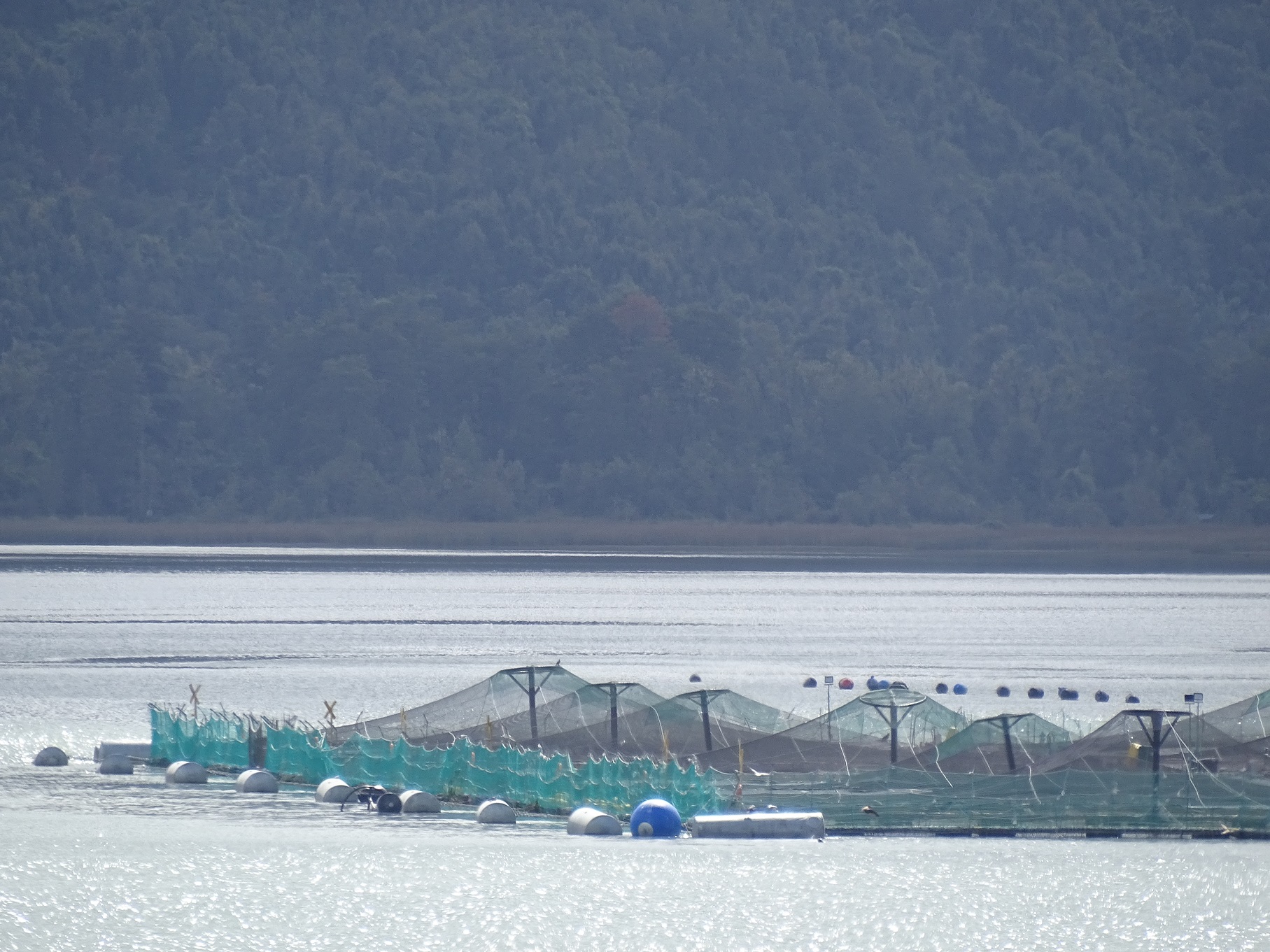
The Environmental Superintendence (SMA) carried out the second mass notification of the year to holders of 255 Salmon Rearing Centers (CES), related to the production of their ongoing production cycles, within the framework of the Environmental Enforcement and Compliance Strategy of CES and the Environmental Intelligence Strategy, which was started to be implemented for productive issues of CES, in September last year, with the aim of strengthening prevention efforts and thus avoid overproduction in the sector.
The alert notice was sent on 31 May, via email, to the holders of CES located in the southernmost area of the country: 103 from the Los Lagos region, 111 from the Aysén region and 41 from the Magallanes region. The report included the estimate of production to date and its evaluation in relation to the maximum limit allowed in the respective Environmental Qualification Resolution (RCA).
This measure is carried out thanks to an unprecedented system created by the SMA, consisting of an algorithm that allows estimating the production of centers with ongoing cycles and being informed, subsequently, to the holders through mass analysis reports, with the aim of that implement the necessary preventive actions to avoid exceeding the authorized maximum in their RCA at the end of the production cycle.
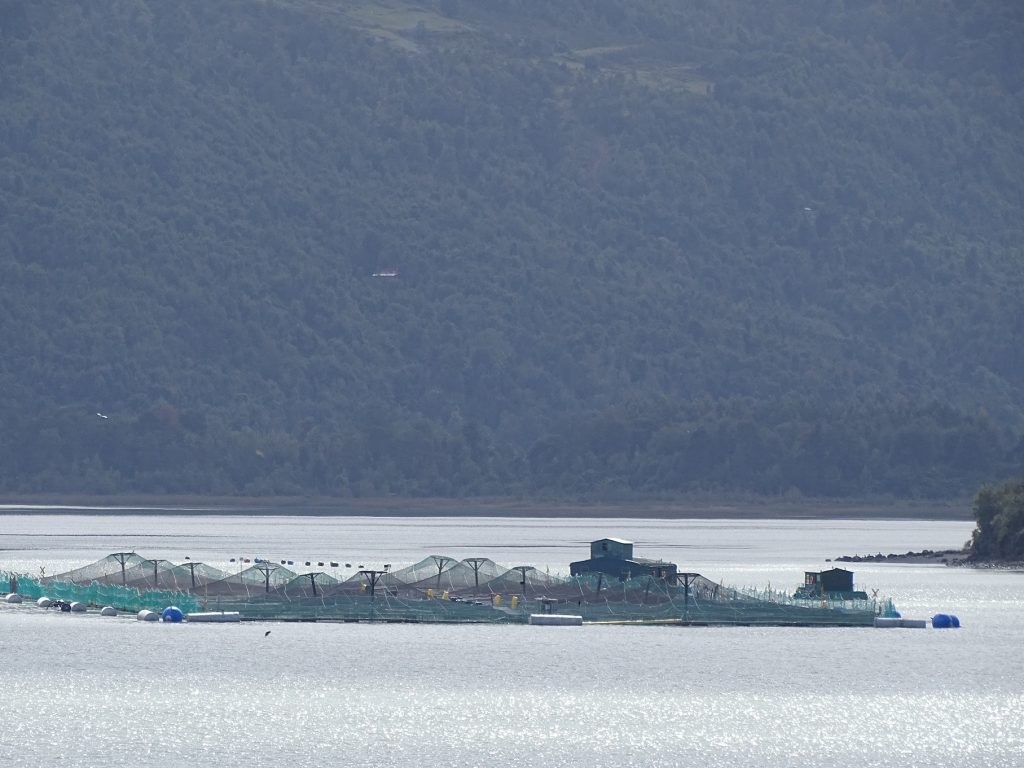
The SMA aims to promote environmental compliance in the industry. With these reports, the holders will be alerted regarding how their production level is going according to what is allowed in their environmental permit, so that they can adjust accordingly. We have already indicated that environmental compliance must be imperative for companies, it is part of the rules of the game, noted the Environmental Superintendent, Marie Claude Plumer.
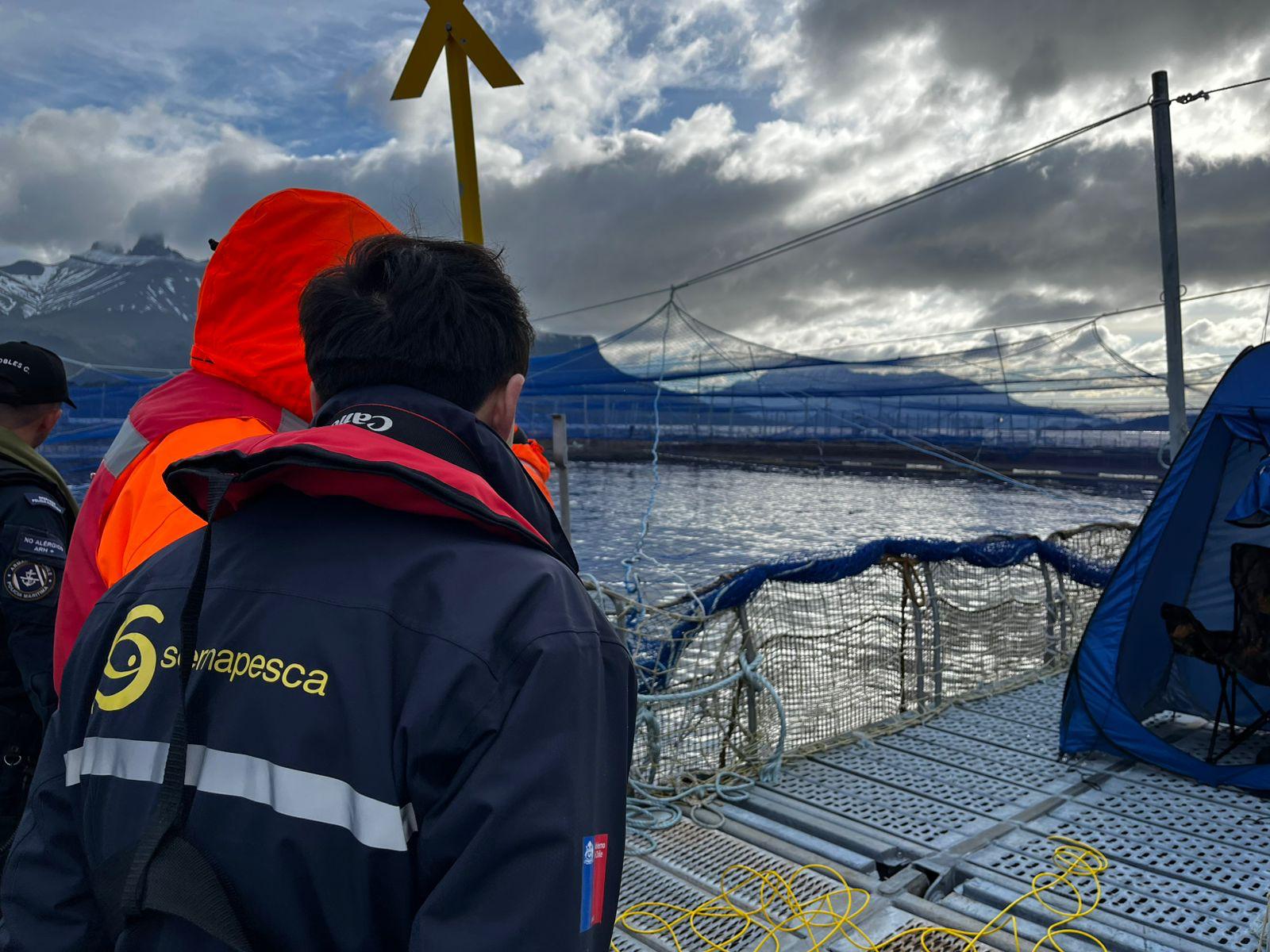
The reports use up-to-date data obtained from the Aquaculture Control Information System (SIFA) of the National Fisheries and Aquaculture Service (Sernapesca), and include the identification of the Fiscalisable Unit, - ownership identification, geographical location and center code in the National Aquaculture Registry (RNA), - in addition to the Environmental Qualification Resolution that establishes its maximum authorized production, and actual production estimated to date.
The first mass report was sent in September 2023 to 237 ESCs in the south of the country, and during January this year the second mass report was made to 223 CES (first of year 2024).
It should be recalled that this is only an estimated production report, and that environmental monitoring of the production of the aquaculture sector is carried out through the information provided by Sernapescaat the end of the year, after the end of the productive cycle.