This strategy aims to consolidate the environmental compliance model of the salmon farming sector, integrating the actions that the Superintendence has developed over time, with particular emphasis on issues related to production, positioning and evasion of environmental regulations.
With the aim of strengthening compliance with environmental regulations in the salmon farming sector, the Environmental Superintendence (SMA) presented its Environmental Compliance Strategy for Growing Centers of Salmon (CES), which strengthens the monitoring, inspection and sanctioning response model in the face of potential non-compliance, prioritizing a preventive approach, based on risk and within its legal competences.
This strategy -which is already available on the SMA website- addresses issues related to production, positioning, online connections and possible situations of environmental regulation evasion by salmon farming centers, focusing on the early detection and correction of deviations, as well as the timely application of corrective or disciplinary actions when appropriate.
It should be noted that this strategy integrates actions that the SMA has developed over time and its implementation considers a three-year horizon, between 2026 and 2028, with periodic evaluations that allow adjusting and strengthening the defined actions.
In this regard, the Superintendent Marie Claude Plumer noted that “what we are presenting today reflects a way of working that we have been strengthening as an institution in recent years: to anticipate risks, to better use available information, to strongly incorporate technology and to act in a timely manner to ensure compliance with environmental regulations. In a sector of high environmental and economic relevance to the country such as salmon farming, our focus is on detection early deviations in order to avoid non-compliance and thereby advance environmental protection”.
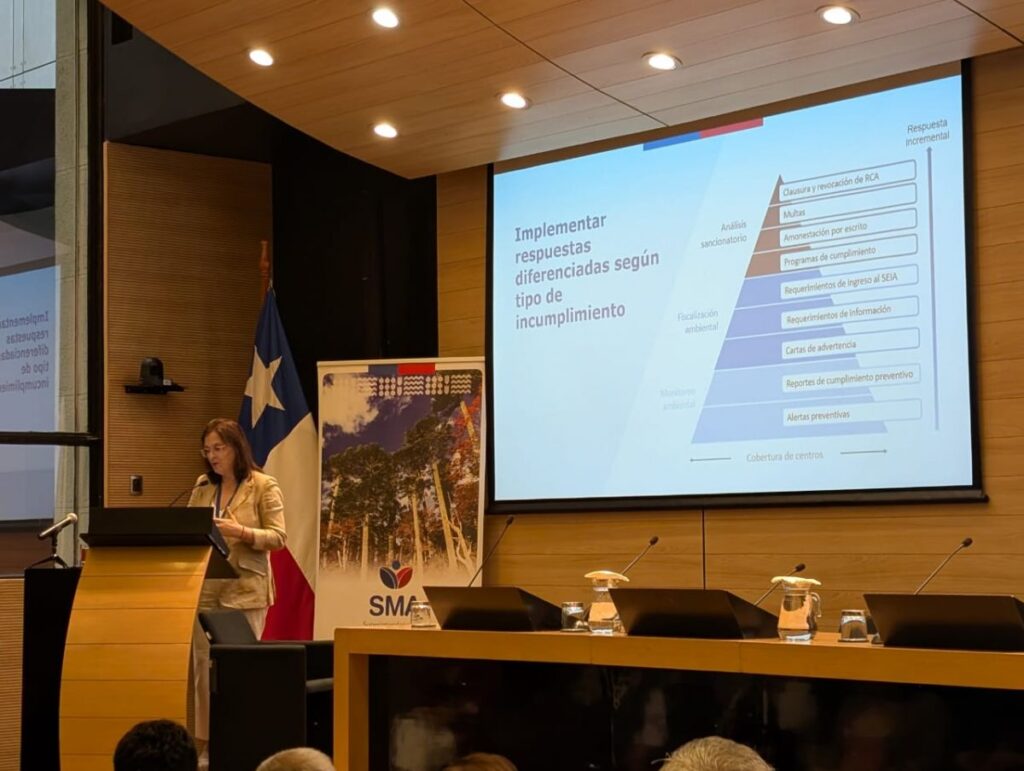
The strategy considers the permanent systematization of relevant information, the strengthening of monitoring and control and continuous assistance to the regulated sector to facilitate compliance with their environmental obligations. In addition, it incorporates new lines of action associated with other problems in the sector, such as waste management, beach litter and possible circumvention situations to the Environmental Impact Assessment System (SEIA).
The approach to work responds to the characteristics and challenges of the salmon culture sector, including the high territorial concentration of fattening centres in hard-to-reach and environmentally sensitive areas, the complaints received by the institution and the risks associated with impacts on the marine environment. In this context, the SMA has reinforced the use of tools for continuous monitoring of key environmental variables, in order to prevent significant impacts and act early on potential non-compliance.
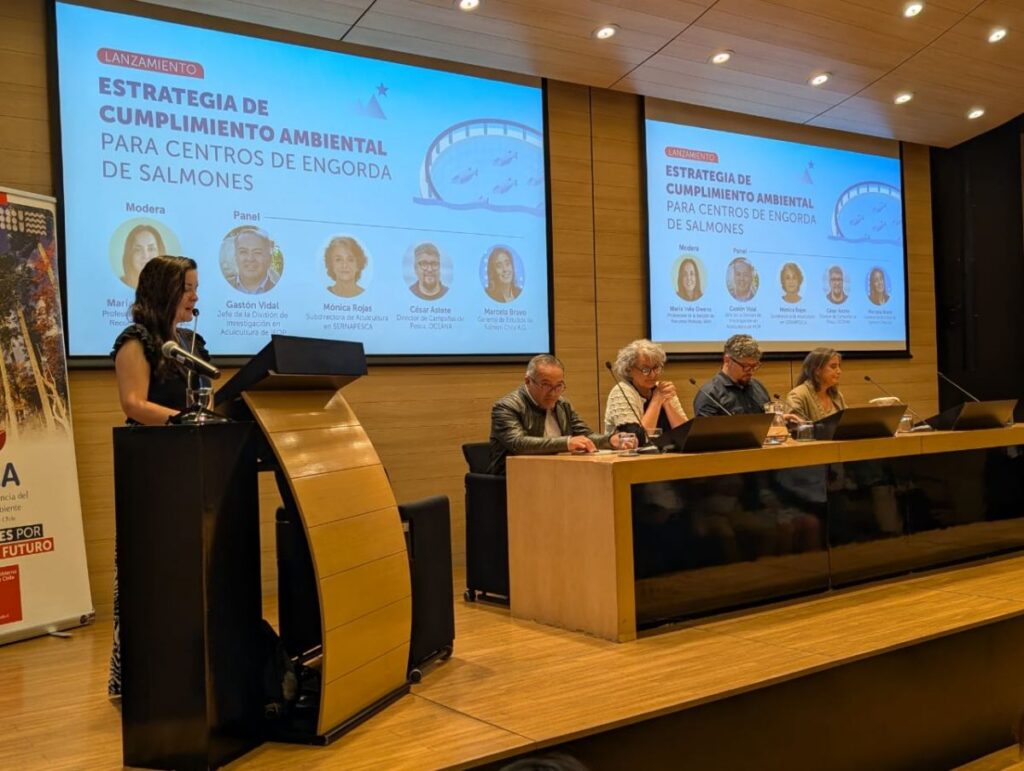
“This preventive and proportional approach allows us to better safeguard the environment and the health of people, especially in territories of high environmental sensitivity, and at the same time to provide greater regulatory certainty to the sector that has more than two thousand Environmental Rating Resolutions, promoting effective and sustainable environmental compliance over time,” added the Superintendent.
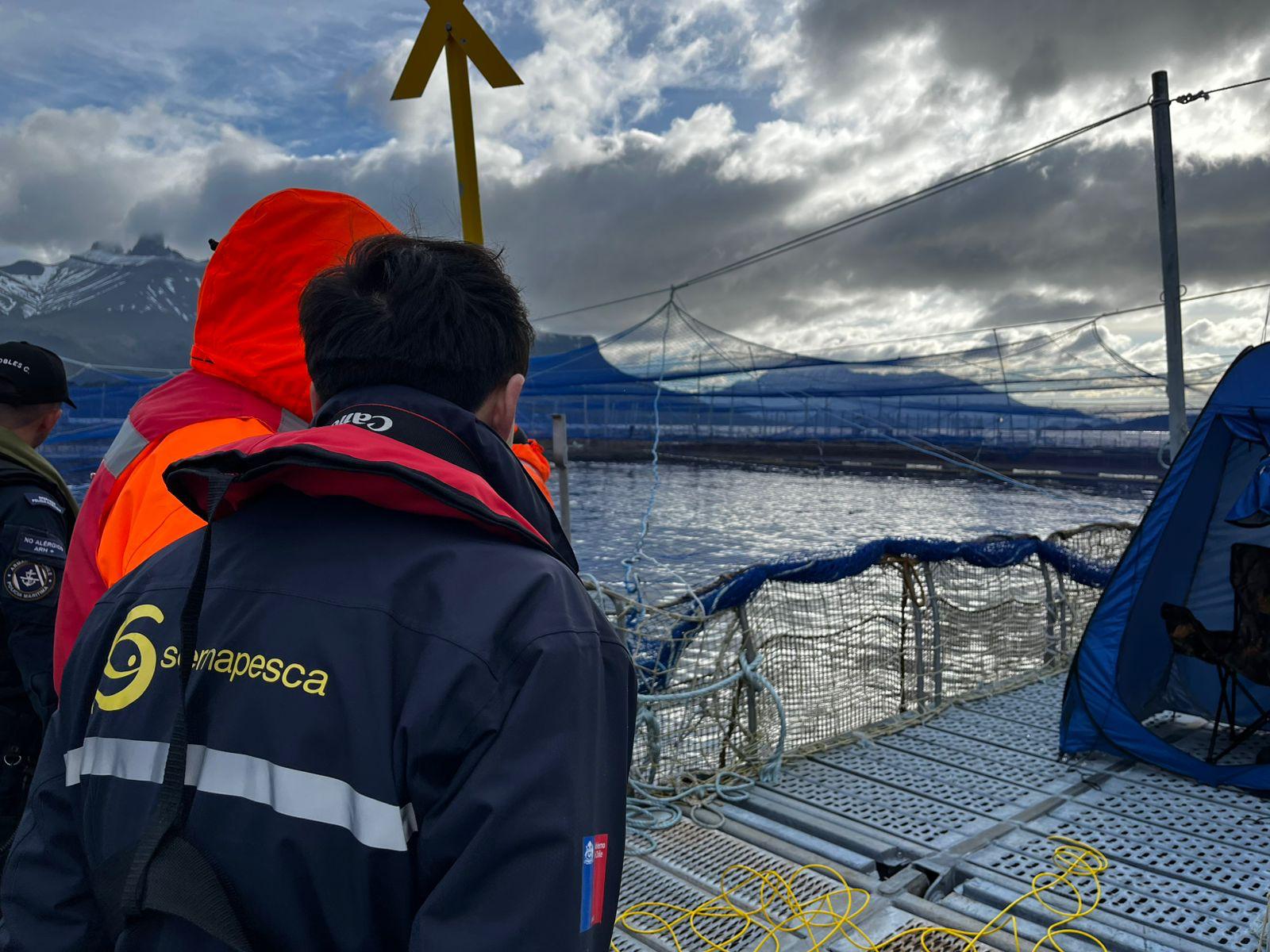
The strategy is based on coordination with other State agencies, in particular with the National Fisheries and Aquaculture Service (Sernapesca) and the Fisheries and Aquaculture Undersecretary (SUBPESCA), strengthening joint, coordinated and efficient monitoring work, with greater coverage and impact, aimed at protecting the environment and the public interest.
Download the Environmental Compliance Strategy for Salmon Fattening Centers in this link.