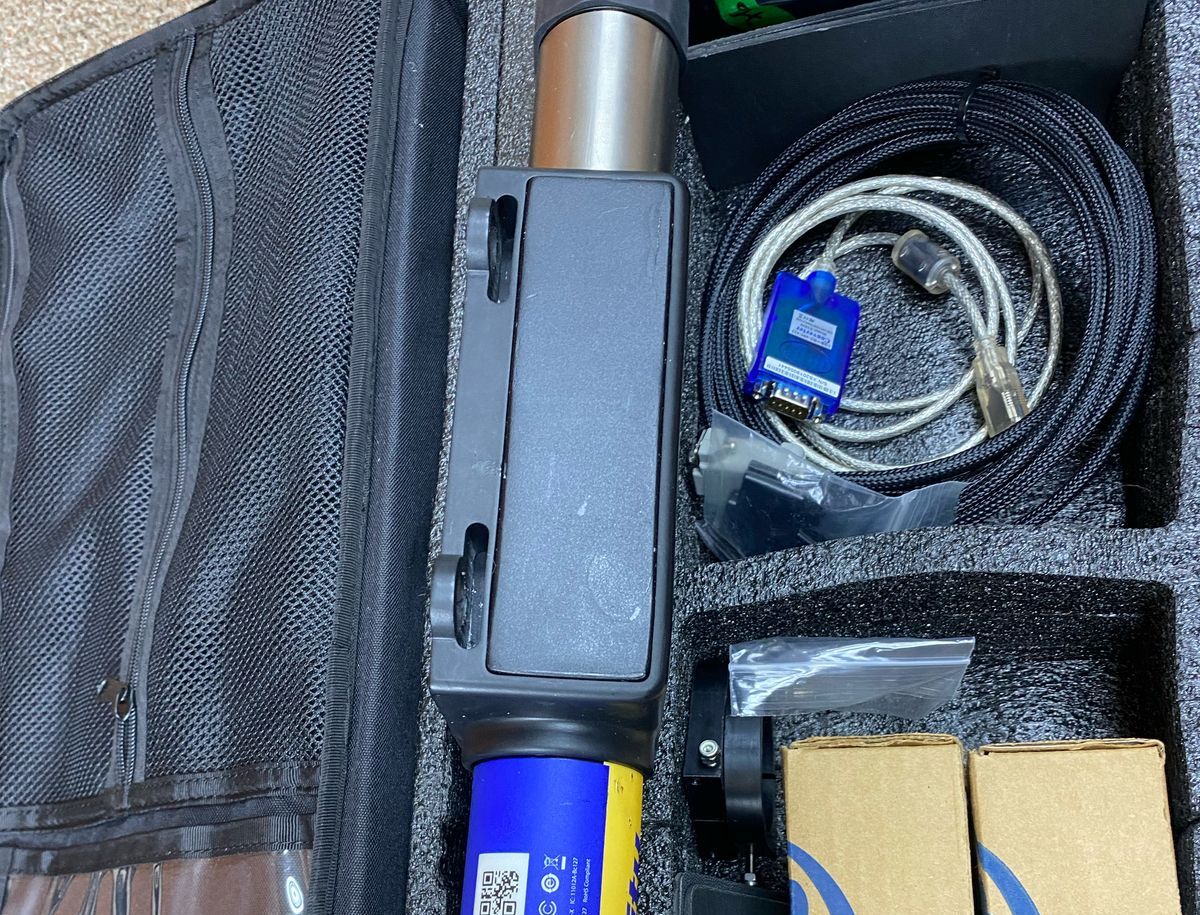
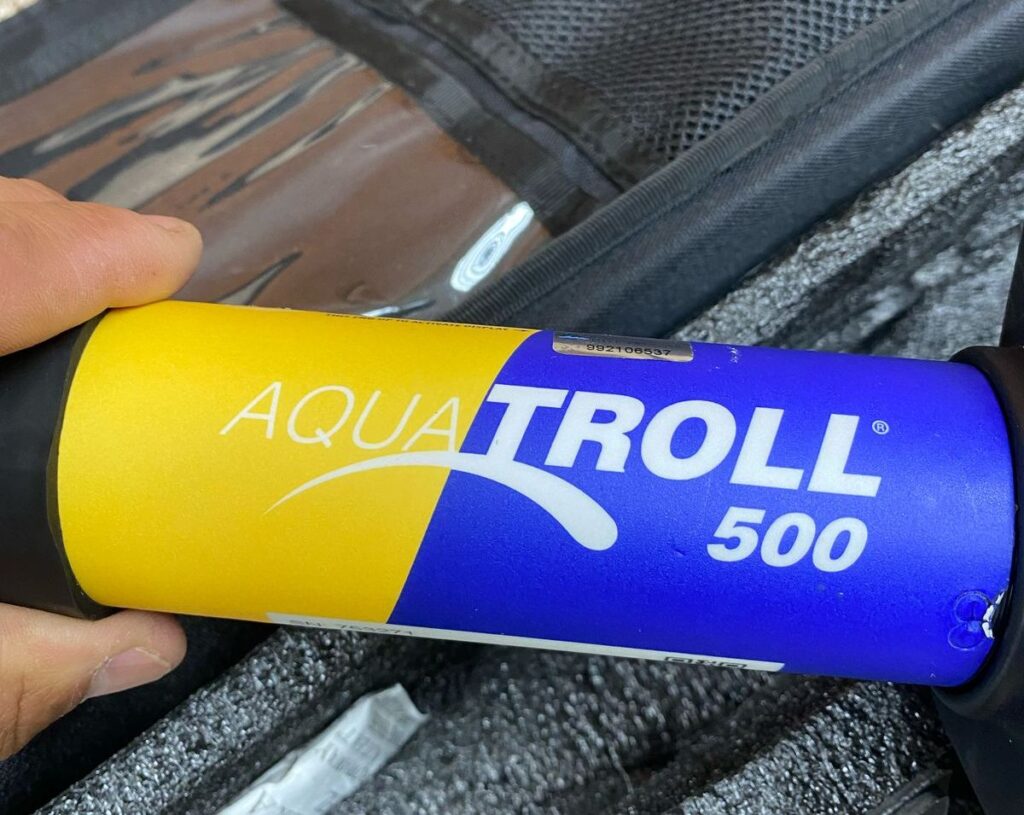
These are 5 devices that will allow monitoring environmental parameters in the water column, such as temperature, conductivity, turbidity, pH, oxygen, chlorophyll and potential oxide-reduction.
The Environmental Superintendence (SMA), through its Los Lagos Regional Office, this week handed over five sensors on loan for the proper operation of the Remotely Operated Underwater Vehicle, (ROV in English) to the Los Lagos Regional Directorate of National Fisheries Service (Sernapesca).
The devices will allow measuring temperature, conductivity, turbidity, pH, oxygen, chlorophyll and oxidation-reduction potential in the water column of aquaculture projects that are installed in the region, strengthening the inspection work carried out by both services, within the framework of the existing collaboration agreement.
These sensors complement the work of the ROV that was donated by the SMA to Sernapesca in November 2023. The robot is an unmanned underwater device that is connected to a ship on the surface, has a working capacity of 300 meters depth and has a high-resolution camera for obtaining images of the seafloor.
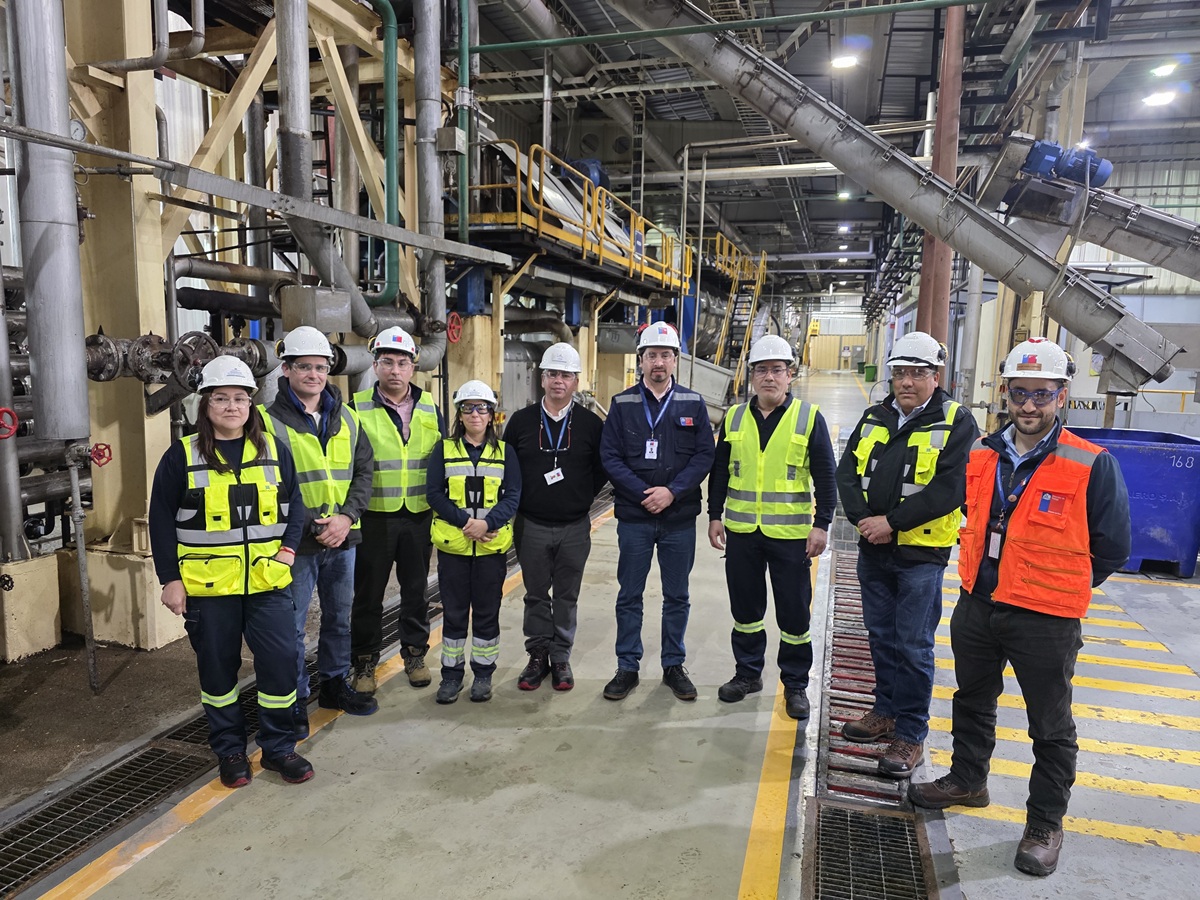
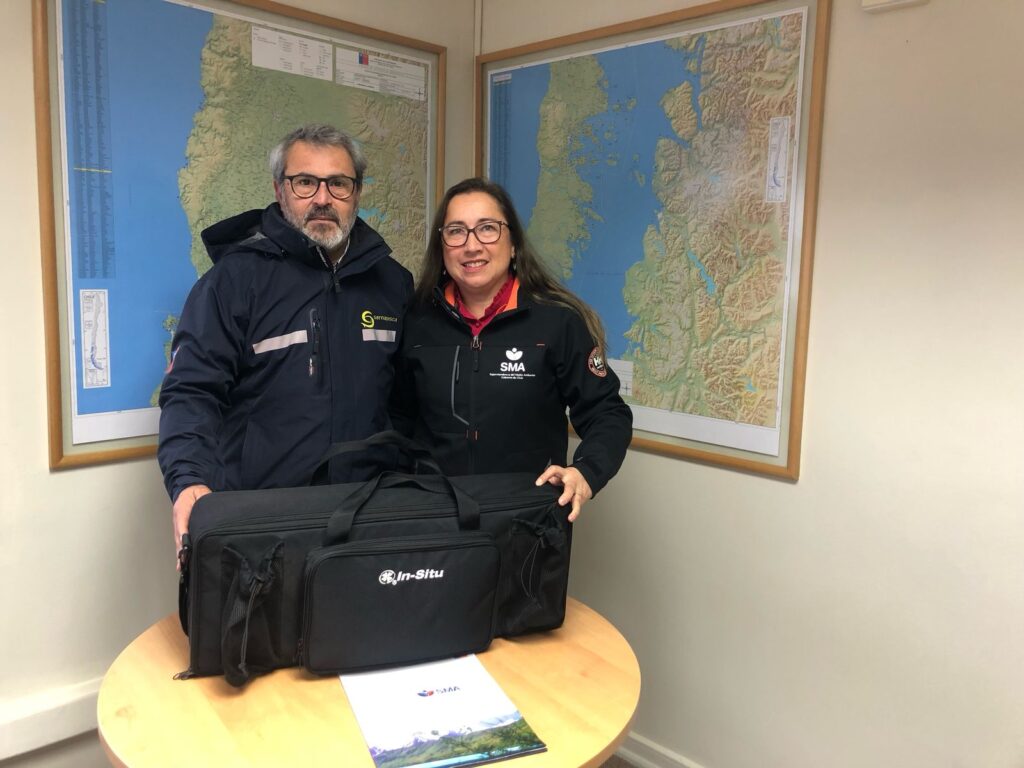
The delivery was made during this week at the Sernapesca Regional Office and counted with the participation of its Regional Director, Cristian Hudson, and the head of the SMA Regional Office of Los Lagos, Ivonne Mansilla. Sensor will allow monitoring of different environmental parameters in the water column, complementing the work that the underwater robot ROV is already doing, which was delivered in 2023 to Sernapesca by the SMA explained Mansilla.
Meanwhile, the Superintendent Marie Claude Plumer highlighted that “the collaboration between the two institutions has been fundamental to the environmental monitoring of the aquaculture sector. This transfer will allow for further improvement of control processes and better track record for decision-making.”
For her part, the National Director of Sernapesca, Soledad Tapia, thanked the delivery of the devices “as oversight institutions, the alliance and the joint work developed with the SMA allow us to strengthen our role as guarantors of regulatory compliance and these sensors will allow our monitoring staff to improve coverage for monitoring and control of the impact of the aquaculture activity.”
This agreement was concluded within the framework of the collaboration protocol between the two agencies, and the Triangular Cooperation Project “Technical, technological and knowledge management strengthening for the improvement of environmental control and compliance of OEFA and SMA”, executed between the SMA, the Environmental Assessment and Control Agency (OEFA) of Peru and GIZ Germany.