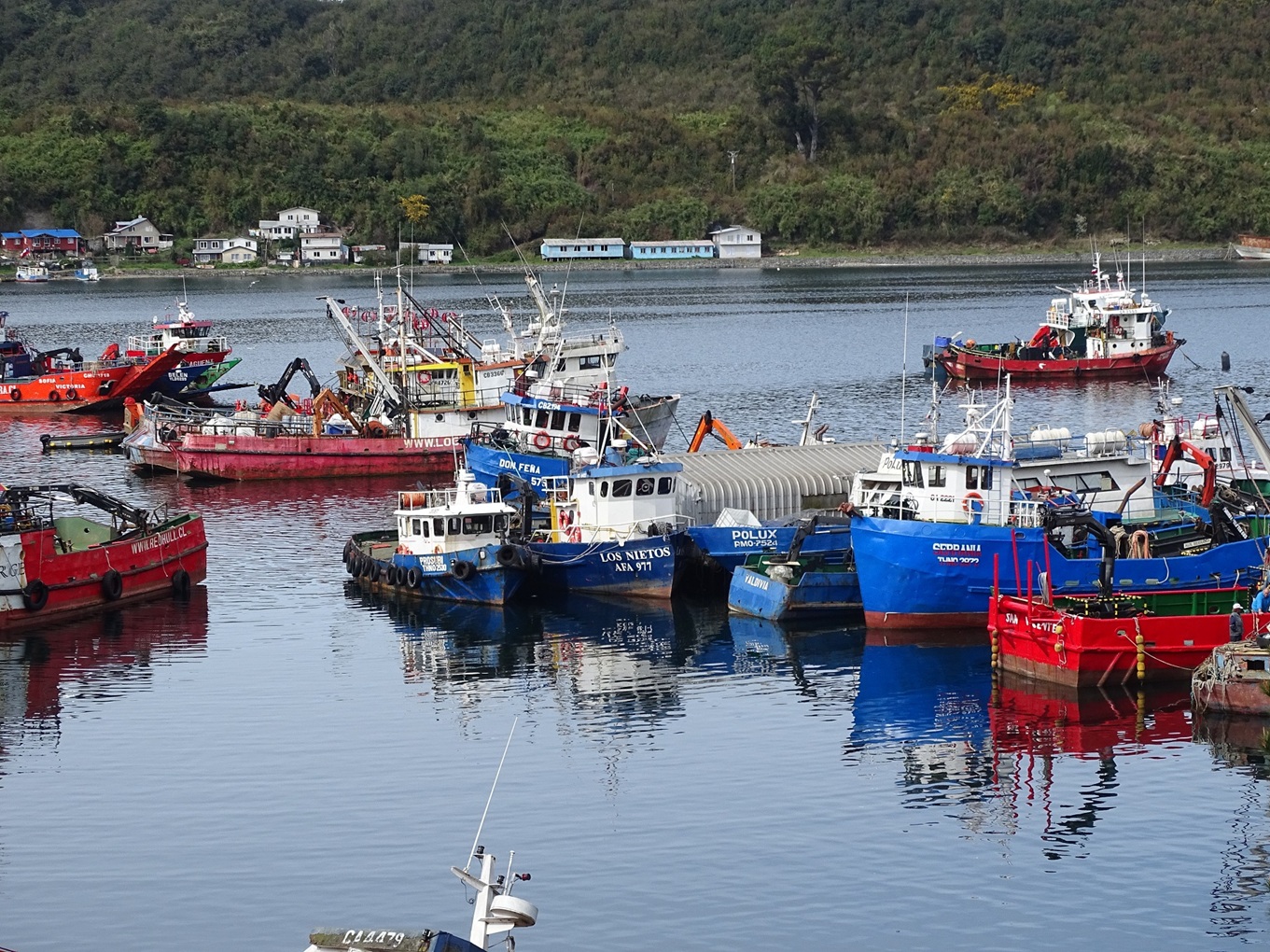
The sector mobilizes more than 60% of the national cargo tonnage, concentrates 90% of the country's private ports and covers more than 80% of the country's salmon production.
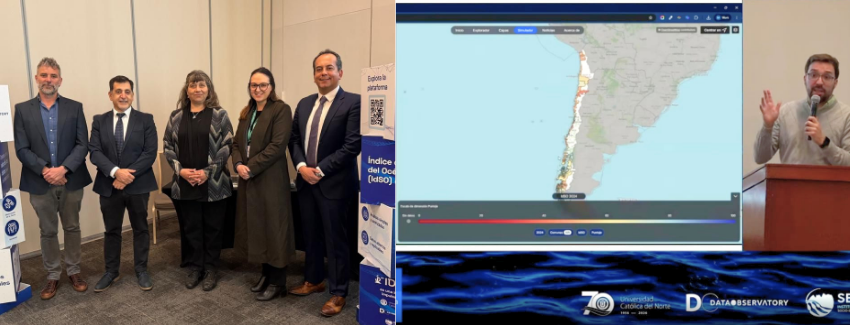
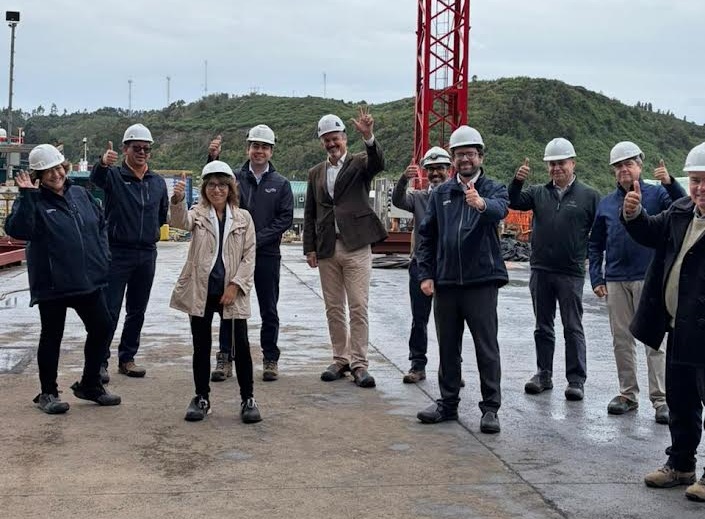
With the aim of strengthening environmental sustainability and productive efficiency in one of the most strategic logistics sectors of the country, the Clean Production Agreement (APL) was signed. Circular Economy Strategy and Climate Neutrality of the Maritime-Port Sector of the Los Lagos Region, an initiative driven by the Southern Austral Maritime, Fluvial, Lacustrine and Tourist Shipowners' Association (ARMASUR A.G.) and the Sustainability and Climate Change Agency of Corfo (ASCC).
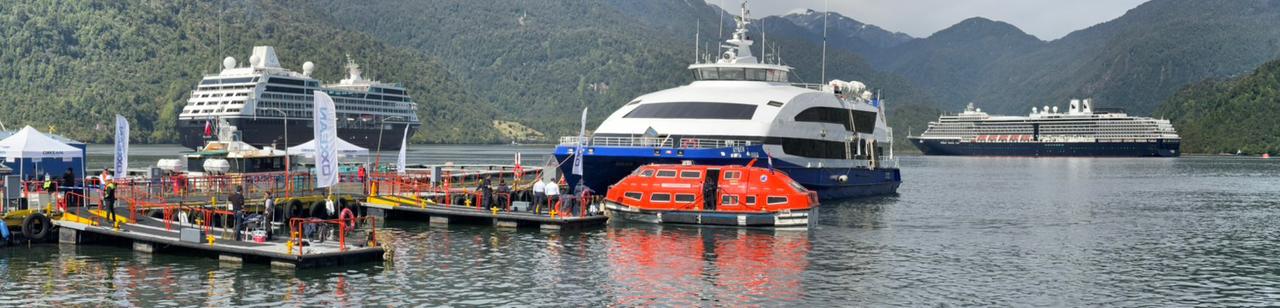
The APL is part of a context of sustained growth of the sector, which today mobilizes more than 60% of the national cargo tonnage, concentrates 90% of the country's private ports and covers more than 80% of the country's salmon production. Through this agreement, the sector aims to modernize its operations through circular economy practices, energy efficiency, water management, waste valorisation and progressive reduction of greenhouse gases. greenhouse effect
The executive director of the ASCC, Ximena Ruz, valued that "addressing the circular economy as a sectoral challenge is key. It means looking beyond the individual management of companies, to build a shared, collaborative and transformative vision. This approach places the maritime-port sector at the forefront of current social demands: it promotes technological innovation, generates new employment opportunities and strengthens the competitiveness of companies based on the" sustainability. It is, in short, an intelligent way to grow, while taking care of the ecosystems and communities that depend on them.”
By their part, Hector Henríquez, president of ARMASUR A.G., said that “this agreement reaffirms our commitment to a maritime and port operation that evolves towards sustainability. In ARMASUR, we understand that the future of the sector depends on innovating in efficiency, taking care of the coastal environment and strengthening public-private collaboration to advance in a truly circular economy.”
Goals and actions
The APL sets out eight goals and 35 concrete actions aimed at reducing environmental and social impacts the marine-harbour sector. These include measuring and reducing the carbon footprint through energy efficiency and progressive mitigation of emissions, as well as implementing public platforms such as: FootprintChile and Manages MiPyme Energyconsolidating a territorial, collaborative and sustainable approach.
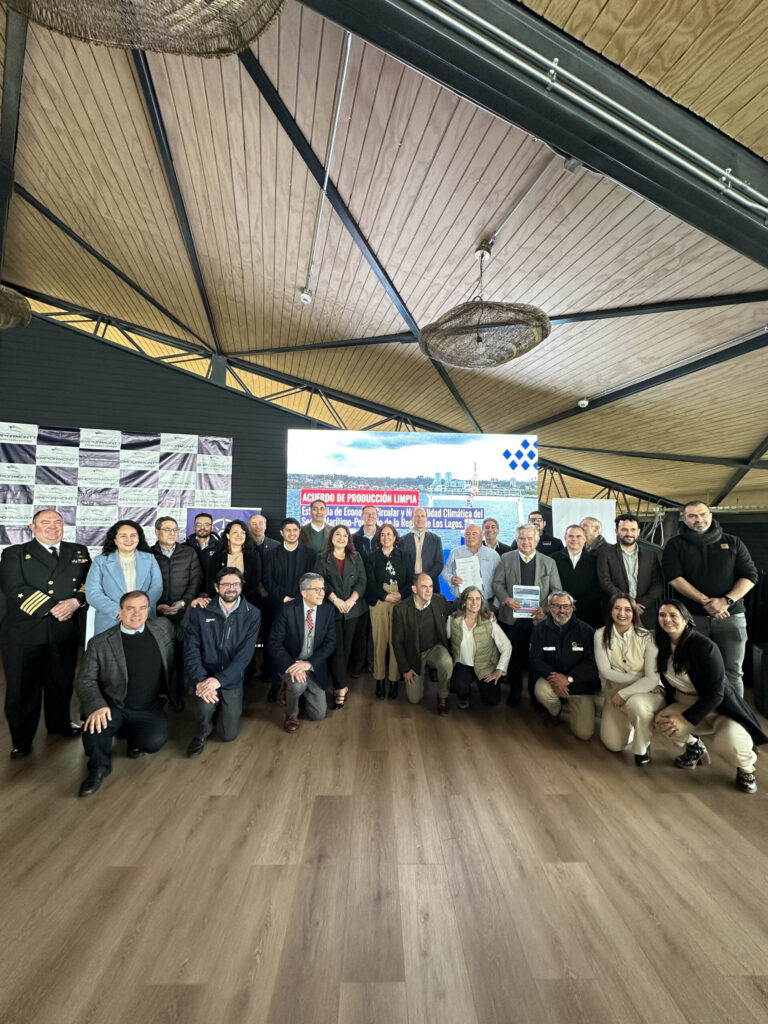
In addition, a comprehensive system of management and traceability of critical waste, such as plastics, EPS, caps and oils, is being promoted under a circular economy model, along with the monthly register of energy and water consumption.
“For the Ministry, this APL is very important because it brings us closer to our goal of carbon neutrality by 2050, and it is important to emphasize that it is a state policy that transcends this government. We must emphasize that one of the goals of this strategy is to have information on the carbon footprint of the different productive sectors, and this APL is moving in that direction. And while the maritime sector is not one of the sectors production that generates more greenhouse gases, yes it is invited to reduce these emissions, as the International Maritime Organization has already approved it a couple of years ago,” he said. Seremi de Energía, Claudio Pareja.
A collaborative governance model for sustainability
The Agreement strengthens sectoral governance through coordination between companies, public bodies, academia and territorial organizations, through initiatives such as the formation of the Public-Private Roundtable on Circular Economy, energy, water and waste management plans, and training and environmental education programmes.
The regional director of Corfo, Eduardo Arancibia, noted that “Corfo, in conjunction with the private sector and the Navy, launched the National Naval Construction Strategy, with a specific committee and instruments that have already begun to operate. ARMASUR is an important part of this committee, which covers from the Eighth Region to Magellan, because the Region of Los Lagos concentrates the greatest number of ships and shipyards, and that is why it has become a central actor of this strategy. We believe that this work will have a long-term impact, because on the one hand it affects national sovereignty, that we can build our ships, that we now buy outside, and at the same time the innovation and development of an industry that generates value, and that everything that relates to technologies clean is given within the committee.”
The regional administrator of Los Lagos, Carlos Recondo, valued the existence of this APL. “This public-private agreement promotes the sustainability of the maritime-port sector. We highlight the leadership of ARMASUR in articulating the actors of the sector around the circular economy and the reduction of emissions, strengthening competitiveness and commitment to decarbonization.”
Participating entities
The APL has the participation of the Ministries of Energy, Environment and Health, the National Fisheries and Aquaculture Service (SERNAPESCA), the National Service for Disaster Prevention and Response (SENAPRED), the Directorate General of Maritime Territory and Merchant Marine (DIRECTEMAR) represented by the Maritime Governorate of Puerto Montt, the University of Los Lagos, Salmón Chile, AMICHILE and the NGO Canales, among other actors.
Diagnosis of the sector
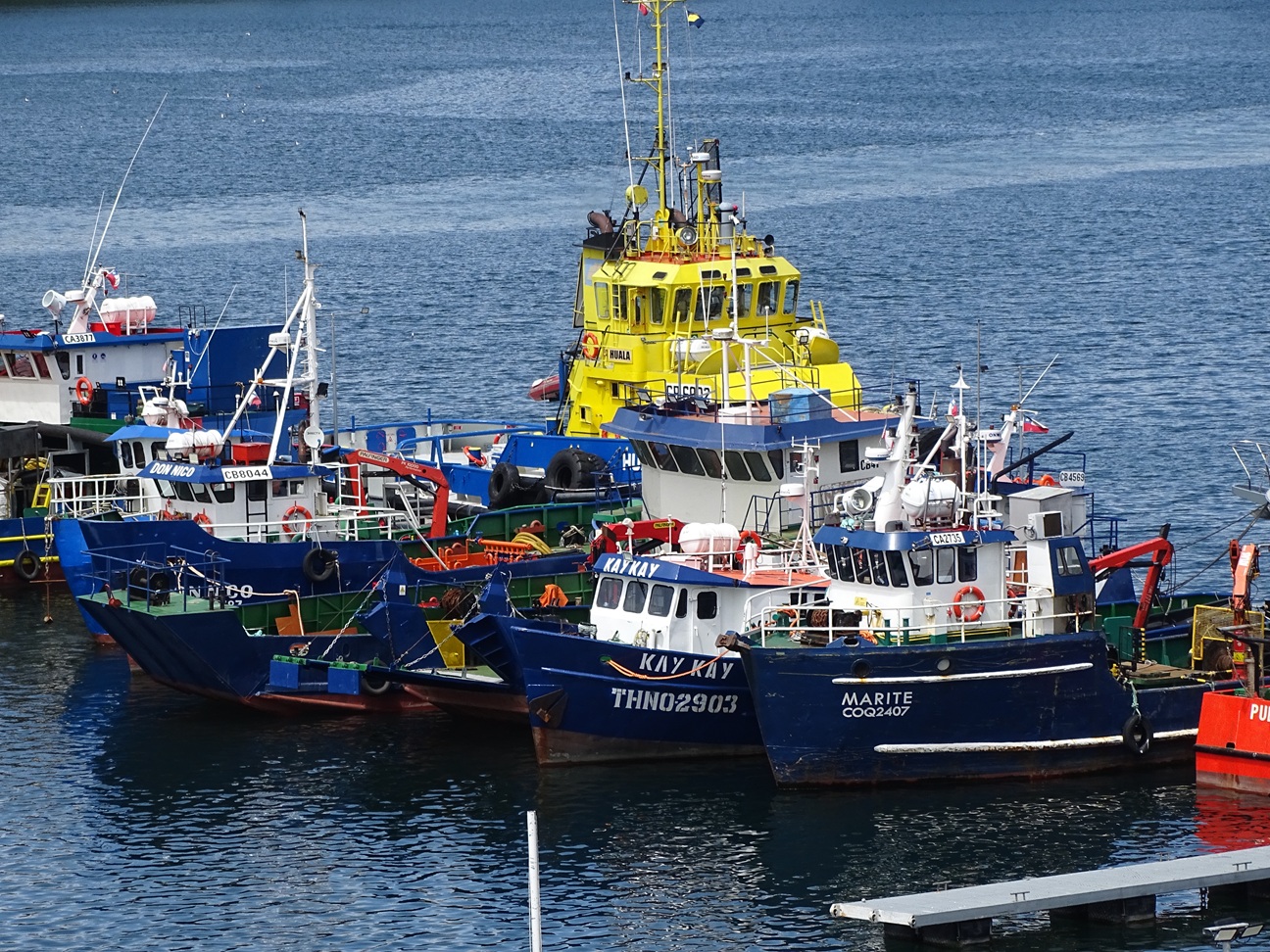
The southern southern maritime-port cluster, which covers the regions of Los Lagos, Aysén and Magellan, is a key logistical hub for the national economy. The companies grouped in ARMASUR A.G. generate more than 7,000 direct jobs, operate more than 180 ships, carry out about 400,000 paws and errands annually and transport more than 7 million people each year. The associated ports also mobilize 240,000 linear meters of cargo, 420,000 m3 of smolt, 970,000 tons of fish feed and 140,000 tons of other loads annually.
This strategic sector faces increasing environmental and climate challenges, considering that maritime transport accounts for 25% of CO2 emissions from fossil fuels in Latin America. In addition, there are threats such as sea level rise, the increased frequency of extreme weather events and impacts on marine biodiversity, which put the operation and port infrastructure in the south of the country at risk. country.