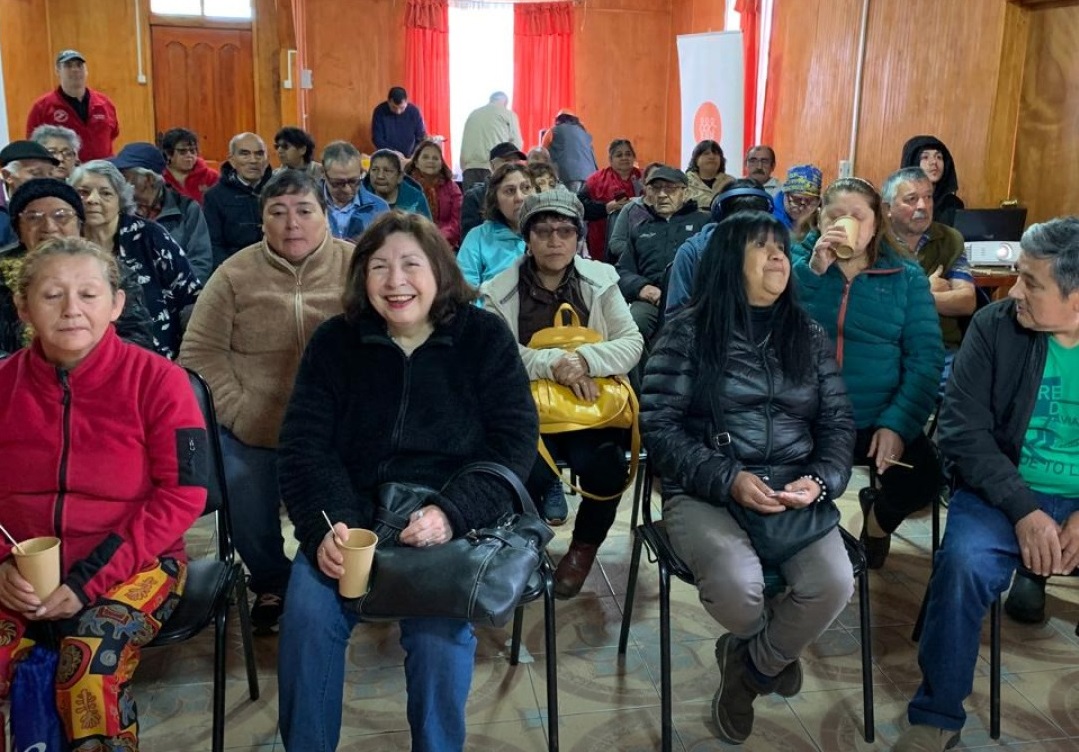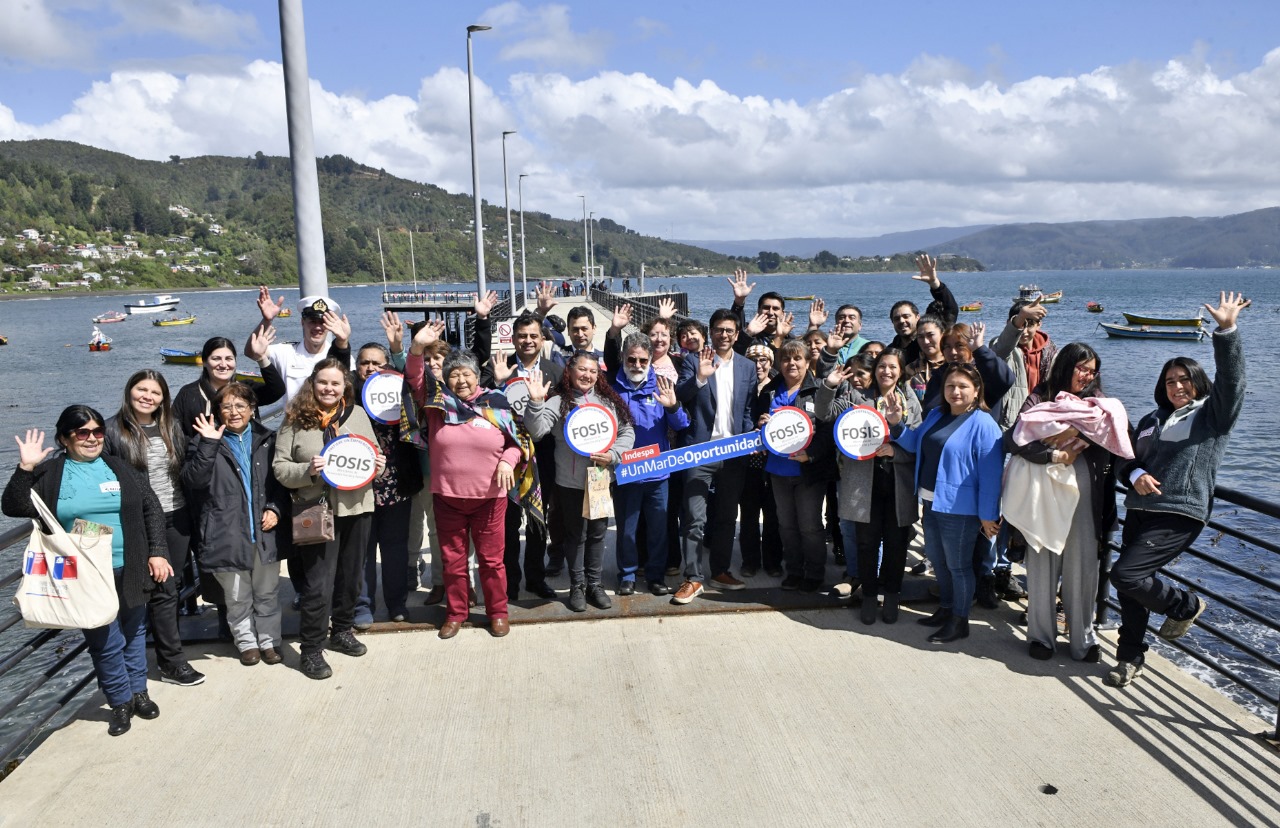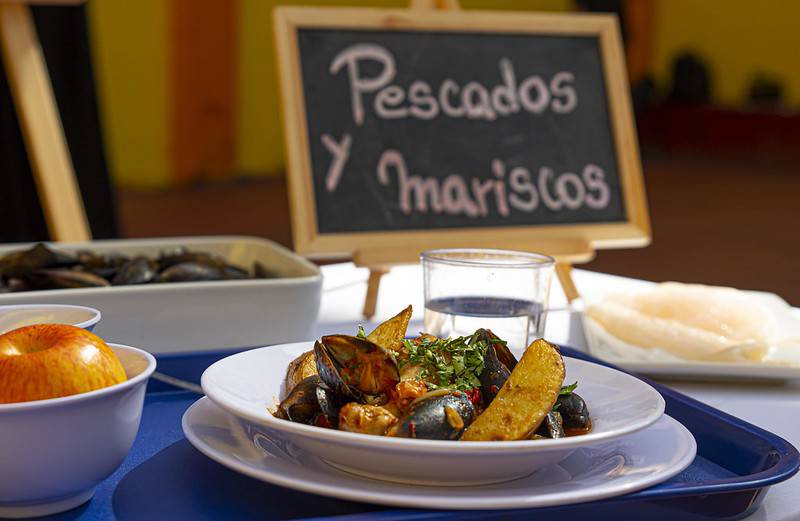
Within the framework of the III Artisanal Fishing Congress of Atacama, the preparations of the agreement with Junaeb were highlighted, which aims to incorporate seafood products into the meal plans of students in the region, where the first pilot of the agreement will take place.
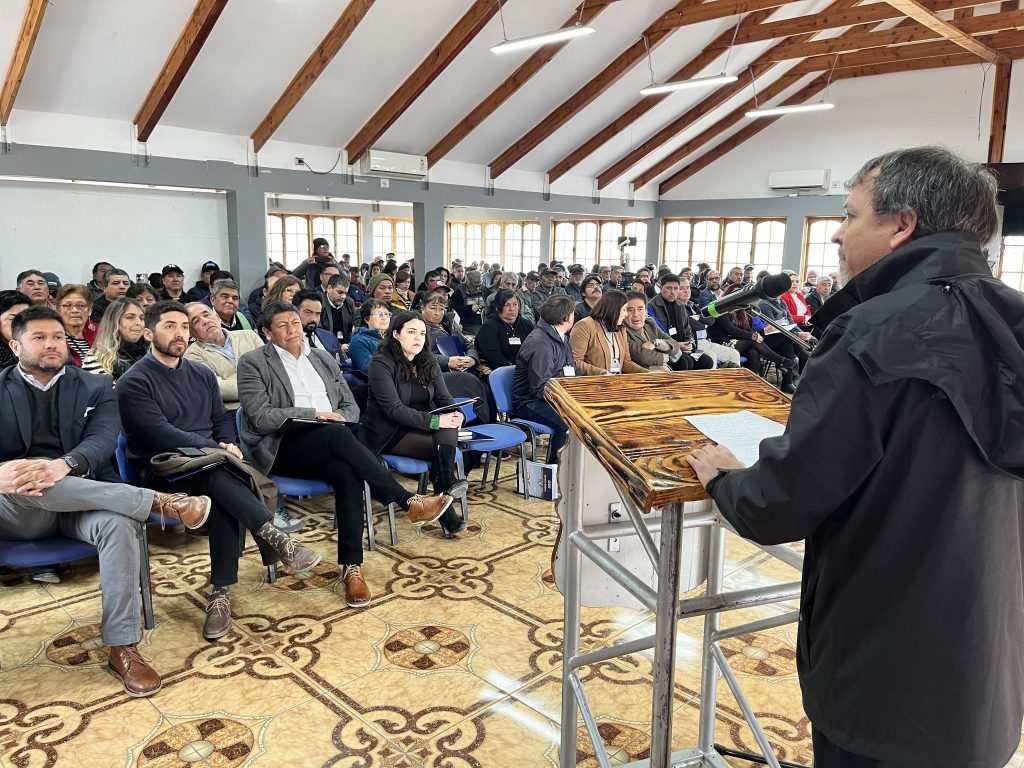
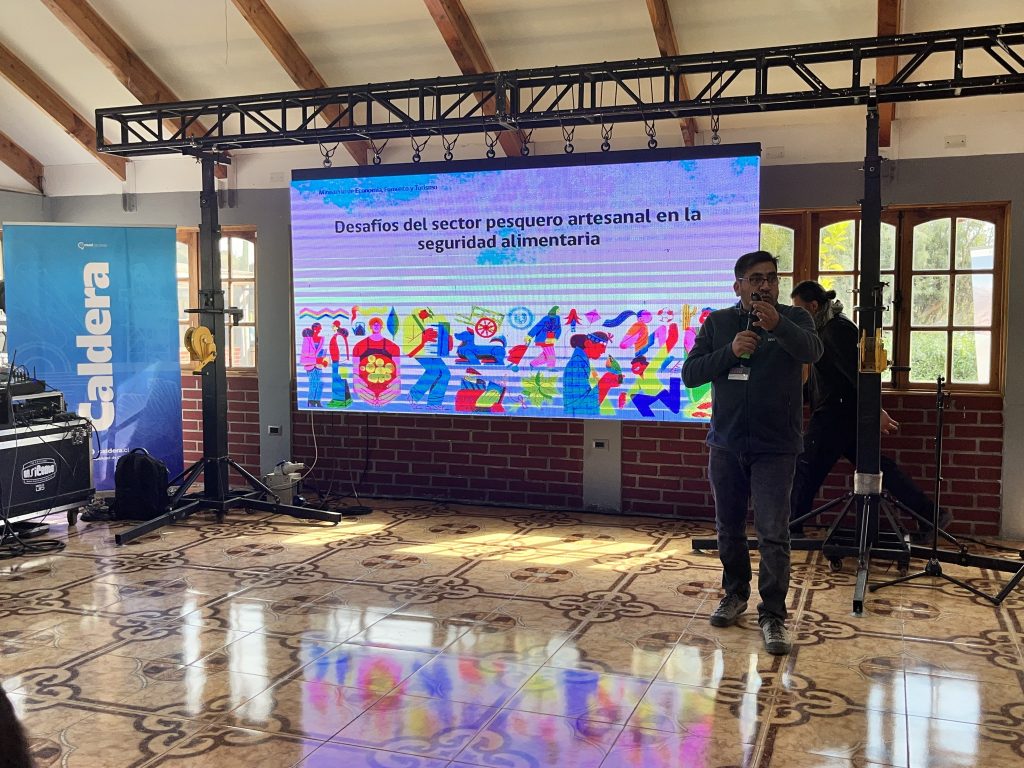
Until Caldera, in the Atacama region, arrived last Friday the Undersecretary of Fisheries and Aquaculture, Julio Salas, to participate in the third version of Artisanal Fishing Congress of Atacama, an event that brought together more than 200 fishermen and women from the area. In the session, the authority addressed the progress and importance of processing the New Fisheries Law (NLP), the good condition of the jack mackerel fishery and preparations of the agreement with Junaeb which aims to include seafood products in the school menus of the region, which will be where the first pilot of the agreement will take place.
Regarding the new Fishing Law project, the authority emphasized the importance of continuing to advance the processing of this regulation, which will allow to quadruple the human consumption quota, among other issues.
Subpesca-Junaeb Agreement
Regarding the inclusion of jurel in the school meals of students in Atacama, the National Director of JUNAEB, Camila Rubio, specified that this is part of the described agreement which "encourages the purchase of local artisanal fishing products that can reach the schools (...). We will carry out this pilot in the Atacama Region thanks to the Regional Government, which also included resources to make this possible".
Regarding this, the Undersecretary of Fisheries, Julio Salas, added that the idea is to "achieve a participatory mechanism that allows us to define the method and strategy together with artisanal fishing on how we will plan the arrival of those marine resources. I am sure that with the regional and local authorities we have, we will have the support to advance in the process agreed upon by the stakeholders. In such a way, that all" They feel they have the possibility not only to convey their points of view; but to convey their resources (marine).
The aim is to promote human consumption in schools, starting with the resources extracted by artisanal fishermen from vessels under 12 meters, in order to later generate different possibilities for them to also access pelagic, benthic and seaweed products.
“We believe that the commitment made by the regional governor and the Undersecretary of Fisheries, is what the artisanal fishing sector aspires to years ago, so as also to turn the figures, so that the per capita consumption of fish and seafood goes up in the country, starting with the children of schools. To talk not only about the quality and safety of natural resources, but about all that these products could bring to a nutritious and healthy diet of the population,” emphasized Miguel Ávalos, president of the Caldera Artisan Fishermen’s Corporation and secretary of CONAPACH.
He added that “this is an issue that has been leading for many years by CONAPACH and the Food Market Observatory Corporation, CODEMA; so we consider it an achievement of all, also of the governor and the Undersecretary of Fisheries, that has supported this initiative. We know that many other regions are asking to take part in this initiative, so we are doubly happy to boost human consumption and food security in Europe. Chile”.
For his part, Elvio Martínez, secretary of the Union of falucheros artisanal fishermen of Caldera and director of CONAPACH, said that “it is good that they consider the marine products of our country to supply the Junaeb since today they are bringing products from other countries, considering that Chile has a variety of products with which we can feed the schoolchildren.”
The meeting of artisanal fishing, organized by the Regional Government of Atacama, was led by the Regional Governor; Miguel Vargas Correa and also had the presence of the Mayor of Caldera, Brunilda González; the National Director of Junaeb, Camila Rubio; the zonal director of Subpesca, Javier Chávez, as well as parliamentarians, regional authorities and leaders of the artisanal fishing sector of Atacama.