Research from the Lipids Laboratory of INTA at the University of Chile reveals its high content of EPA and DHA, key nutrients for cardiovascular and cognitive health.
Marine foods, such as fish and shellfish, are recognized as an essential source of long-chain omega-3 fatty acids, especially EPA (eicosapentaenoic acid) and DHA (docosahexaenoic acid). These nutrients are fundamental for health, playing a crucial role in the prevention of cardiovascular diseases, improving mental health and caring for the cognitive system. Even, research suggests their potential benefit in the treatment of COVID-19 due to its anti-inflammatory and anticoagulant properties.
In Chile, although there is information on the contribution of fats from marine foods, specific studies on their EPA and DHA content are scarce. However, several studies carried out at the Lipids Laboratory of the Institute of Nutrition and Food Technology of the University of Chile have yielded important data on the omega-3 fatty acid profile in fish and shellfish consumed in the country.
The results show that the levels of these nutrients vary significantly according to the species, highlighting their relevance in the Chilean diet. More details about these profiles can be consulted in the following free access link: Quantification and Distribution of Omega-3 Fatty Acids in South Pacific Fish and Shellfish Species.
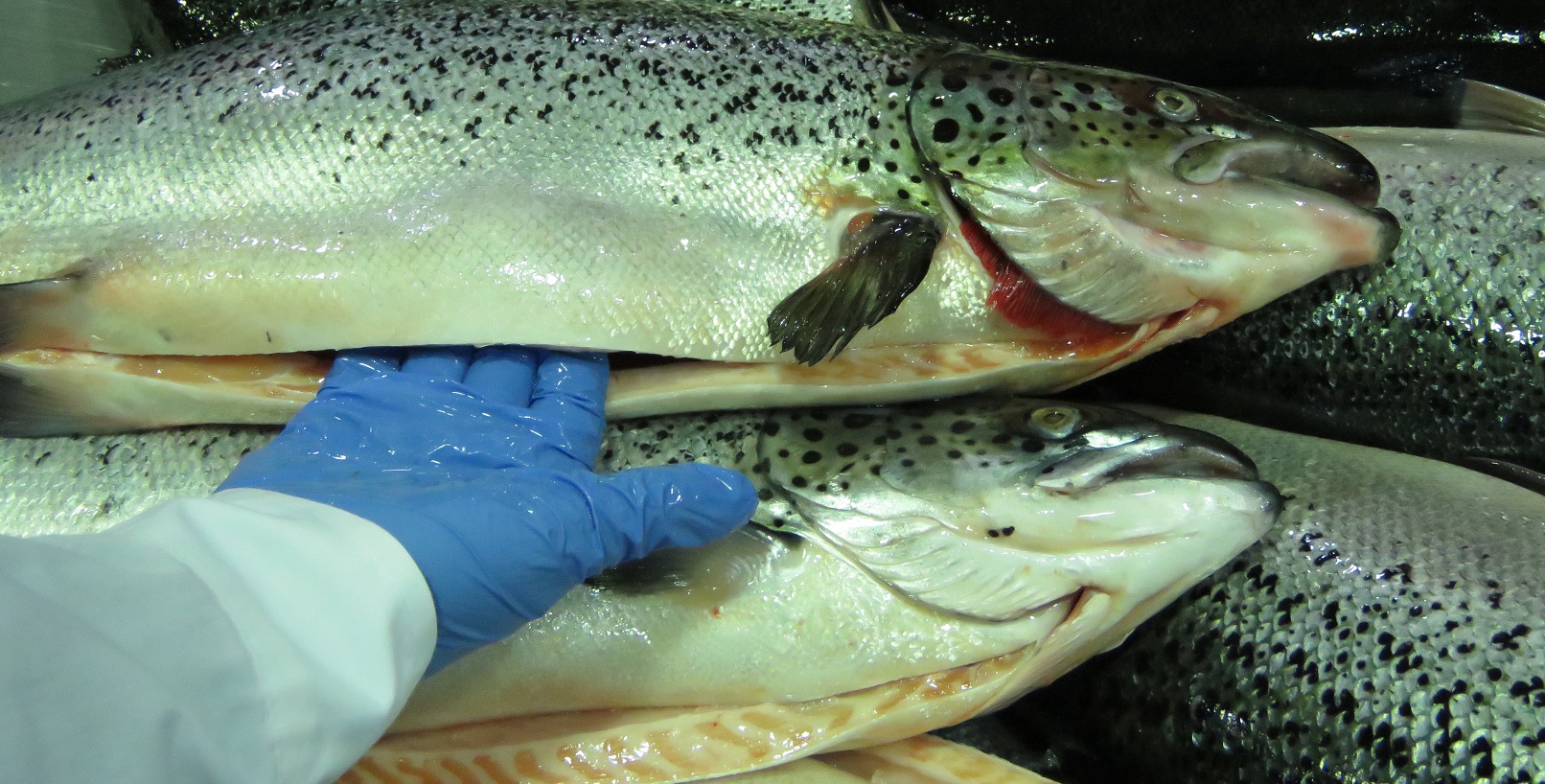
On the other hand, it is important to highlight that approximately 50% of the weight of the fish processed in the fishing industry becomes by-products such as heads, organs and bones. These are generally discarded or used for fishmeal and fertilizers, representing an opportunity that is still little exploited to obtain oils rich in omega-3 fatty acids..
The professor Miguel Ángel Rincón, head of INTA Lipid Laboratorynotes that the use of these by-products would not only increase the sustainability of the food chain, but would also reduce environmental impacts and respond to growing global demand for healthy ingredients, in line with the Sustainable Development Goals of the 2030 Agenda.
A recent study by INTA Lipid Laboratory analyzed the content of EPA, DHA, vitamin E, cholesterol and squalene in fillets and by-products of key species such as anchoveta, mackerel and horse mackerel. The results of this work can be found in the following free access link: Analysis of Fatty Acid Profile, α-Tocopherol, Squalene and Cholesterol Content in Edible Parts and By-Products of South Pacific Wild Fishes.
According to Professor Rincón, the data obtained stand out the potential for the recovery of marine by-products to generate omega-3 oils and concentrates, opening an opportunity for sustainable innovation for the Chilean industry. This vision not only promotes a healthy diet, but also a more conscious and environmentally friendly development model.
Source: INTA Chile.