A mission of the Food and Agriculture Organization of the United Nations (FAO), composed of international advisers, visited the country a few days ago to implement the instrument: “Assessment of the food control system using the FAO/WHO system”. The results of this study will subsequently allow FAO to prepare a report to provide technical support to the Government of Chile in its national food safety and quality system.
A number of agro, fisheries and aquaculture companies and all public services responsible for ensuring the safety of food derived from domestic products participated in this assessment.
One of the agencies that was part of this FAO analysis was the National Fisheries and Aquaculture Service, Sernapesca, which is responsible for monitoring, inter alia, the safety of products produced from fishery and aquaculture resources intended for export.
Sernapesca's Deputy Director of Innocuity and Foreign Trade, Héctor Escobar, expressed full satisfaction with the coordination achieved among the technical teams of the regions that were part of this process. “Our professionals from the regional directorates of Sernapesca in Valparaiso, Biobío and Los Lagos, together with professionals from the sub-directorate at the central level, shared all their expertise to explain the processes of control in laboratories and plants producing fishery and aquaculture products in Chile. We look forward to the report that could provide us with significant inputs in the line of adjustments in our safety control systems drawn up for the period 2024-2026,” said Escobar.
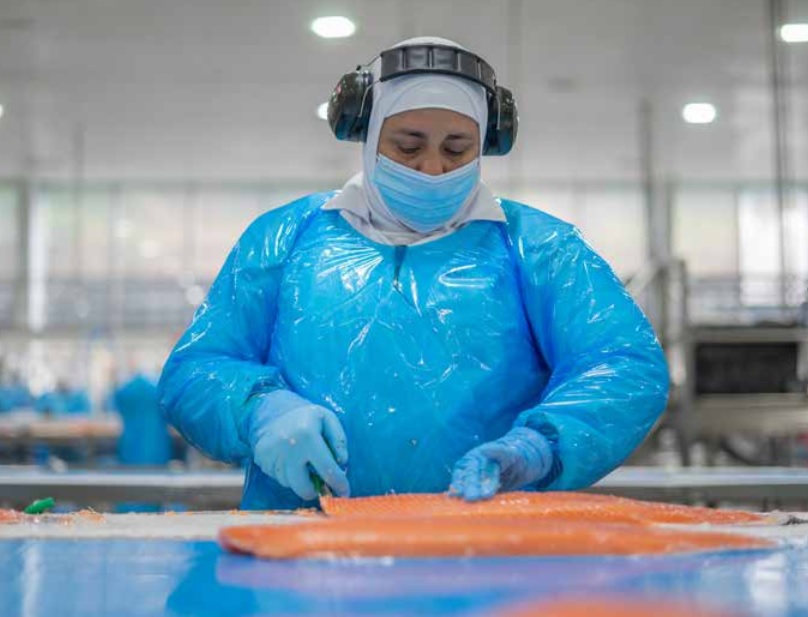
One of the main field visits of this international audit was carried out in Biobío, where they inspected the salmon processing plant in Camanchaca, located in Tomé. “The FAO experts could not advance conclusions that will reflect in the report, however, they were surprised by the technological advances of the process plant, and they were also able to review the entire checklist that we as Sernapesca carried out, with a view to safeguarding that the marine foods that the country provides to international markets, do not pose any risk to the health of the population,” said the regional director of Sernapesca Biobío, Ana María Fernández.
In addition, Achipia, MINSAL and SAG participated in this FAO inspection visit, which also play a key role in safeguarding food security for the country. FAO specialists clarified that the results of this visit will be delivered in September.