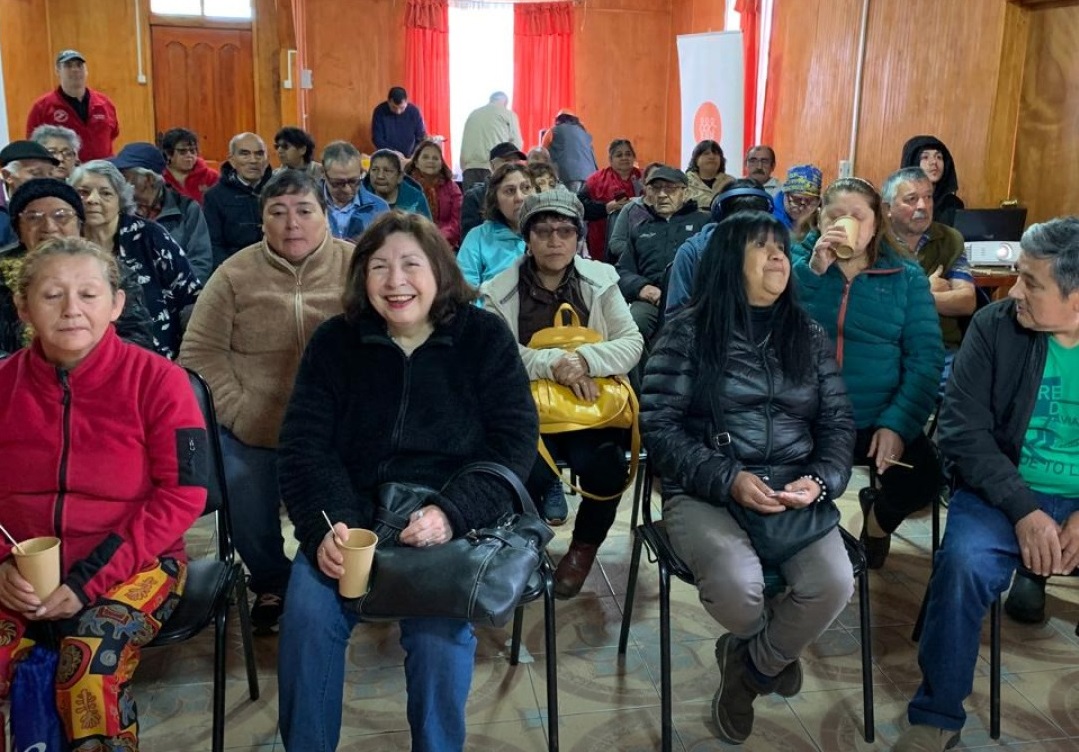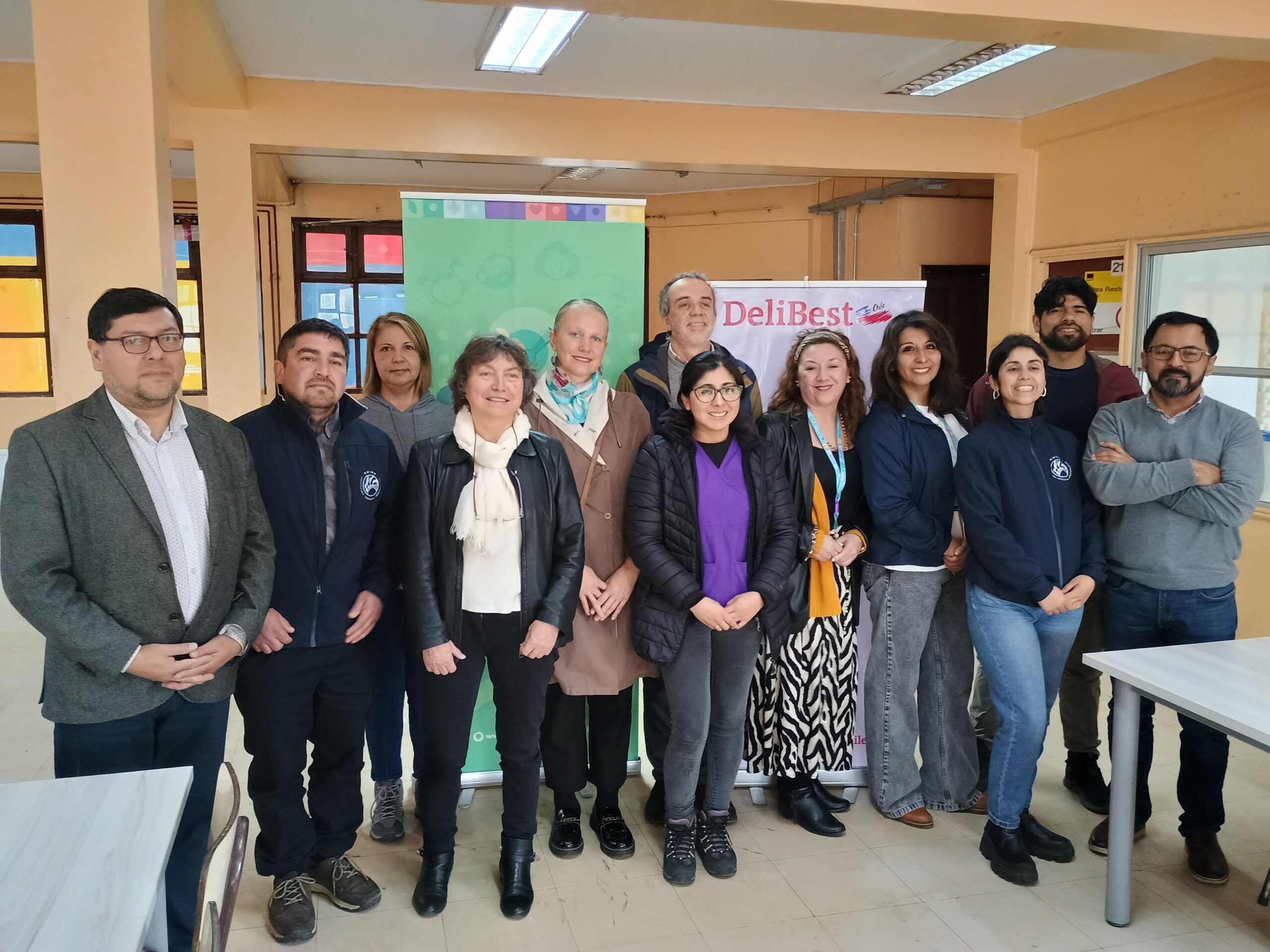
Students participated in a testing session of the product, accompanied by professors, managers, representatives of the National Board of School Aid and Scholarships (JUNAEB), as well as authorities and researchers from the University of Los Lagos.
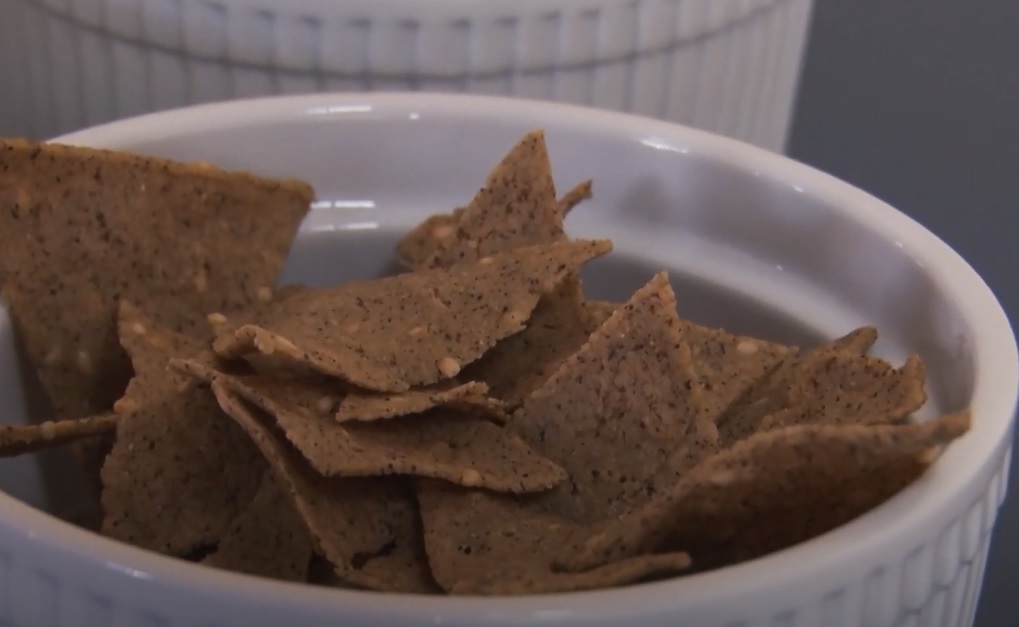
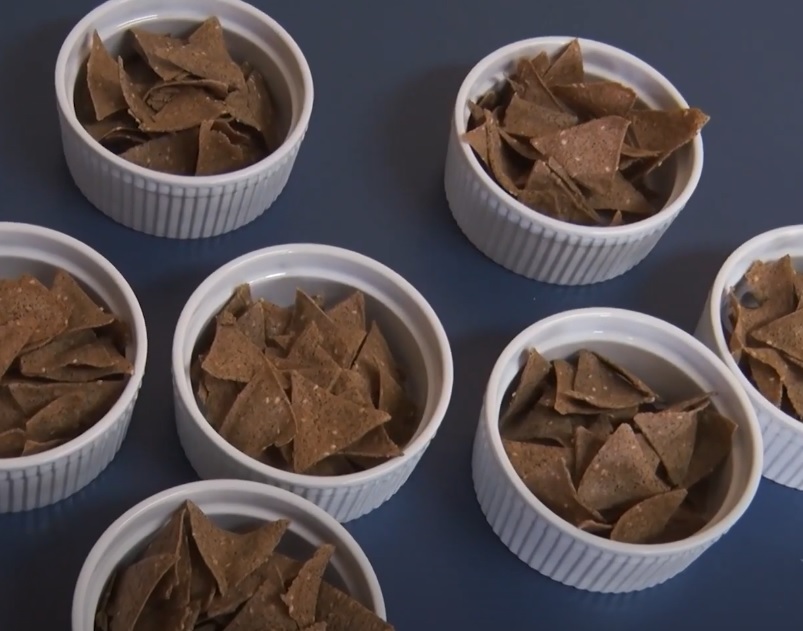
Transform a natural resource widely available on the coasts of Chile and the region, such as cochayuyo (Durvillaea incurvata), in a healthy, accessible and flavorful food, is one of the objectives of two research projects developed by the University of Los Lagos.
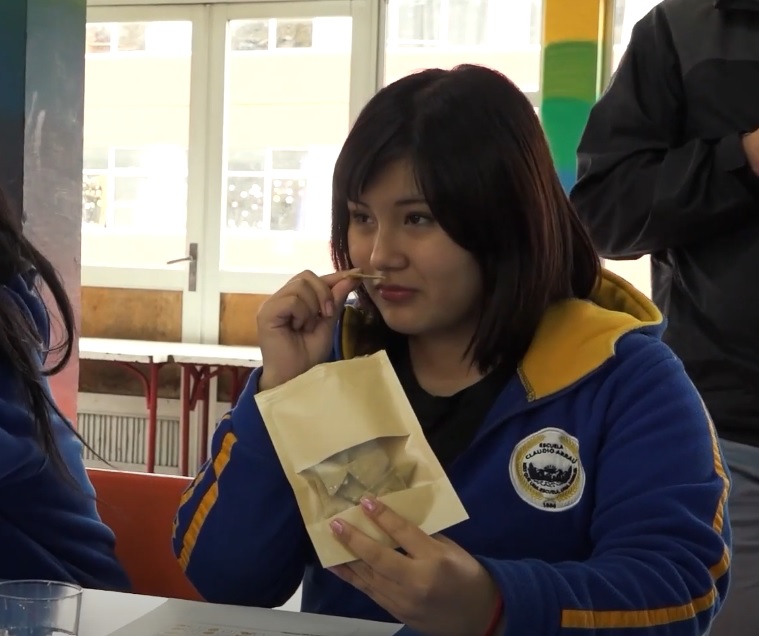
The proposal to produce healthy "snack" baked tortillas has already reached the stage of sensory evaluation (tasting) among schoolchildren from different educational establishments in the Los Lagos Region. On this occasion, students of the seventh basic and second medium of the Las Quemas Lyceum participated in a test session of the product, accompanied by their teachers and directors of the establishment, representatives of the Board National School Support and Scholarships (JUNAEB), as well as authorities and researchers from the University of Los Lagos.
Karin Burgos, head of JUNAEB’s Food Programme, highlighted the relevance of carrying out acceptability tests of the product among minors. “It is a healthy, nutritious product and, although we already have the cochayuyo included in the feeding minutes of educational establishments, this format is very innovative. In addition, the fact that the cochayuyo harvests from the region’s natural meadows and can be cultivated fosters a virtuous relationship with local producers.”“I’m sorry,” Burgos said.
By their part, Juan Manuel Gómez, director of the Liceo Las Quemas, appreciated the initiative to promote healthy food among schoolchildren. “It is a very interesting experience, since it is important to have the opinion of the boys and girls”, he said.
Research and technology transfer
The creation of healthy foods based on cochayuyo is based on two research projects led by Dr. Alfonso Gutiérrez, with the academic Lucía de La Fuente as alternate director, in collaboration with food engineer Luis Ríos and the Institute of Fisheries Development (IFOP) as an associated institution.
The first of these projects, entitled “Development of nutritional bases and new marketing formats to encourage the consumption of cochayuyo: benefits for the health and well-being of the human population”, was awarded in the Internal Competition of Research in Applied Science of the University of Los Lagos. At the same time, a second project financed by the Fund for the Promotion of Scientific and Technological Development (Fondef) was implemented. D. incurvata with biomolecular characteristics of commercial interest in natural populations in southern Chile, to add value to the biomass cultivated in hatchery and at sea, looking at the generation of processed products.”
Alfonso Gutierrez, project director, explained that “One of the main challenges has been not only to identify the biomolecular properties of cochayuyo, but also to make it an attractive product for the consumer. We are convinced that this snack will not only bring nutritional benefits, but will also open up new market opportunities for local producers. By integrating food innovation with the natural resources of our region, promoting an economy circular that strengthens both science and sustainable development.”
By their part, Lucia de La Fuente He highlighted the importance of acceptability tests among schoolchildren to achieve the project's goal. “This is a first approach, because it is crucial for us to make all the necessary improvements.”, he said.
In line with the progress of the project, Marcos Hernández, Director of Innovation and Technology Transfer at the University of Los Lagos, commented that this initiative is a clear example of how ULagos can positively impact the environment, through its applied research activities. “Today we are together with the research team defining the next stages in development, which will ensure the transfer of this technology to potential stakeholders, especially those companies that develop new innovative products and that take advantage of their own resources from our territory”Hernández emphasized.