Through qualitative research, the project of Dr. Claudia Troncoso Pantoja contributes from the experience and the story in relation to popular culinary preparations.
Dr Claudia Troncoso Pantoja, academic from the Faculty of Medicine of the Catholic University of the Holy Concepcion (UCSC) and the Center for Research in Biodiversity and Sustainable Environments (CIBAS), contributes with studies from a research line related to the science of aging, more known as gerontology.
Within its visit to CIBAS, together with the Scientific and Technological Nucleus for Sustainable Coastal Development, it led an interesting project that had a cultural perspective regarding the history of the inhabitants of Tomé, through their culinary preparations.
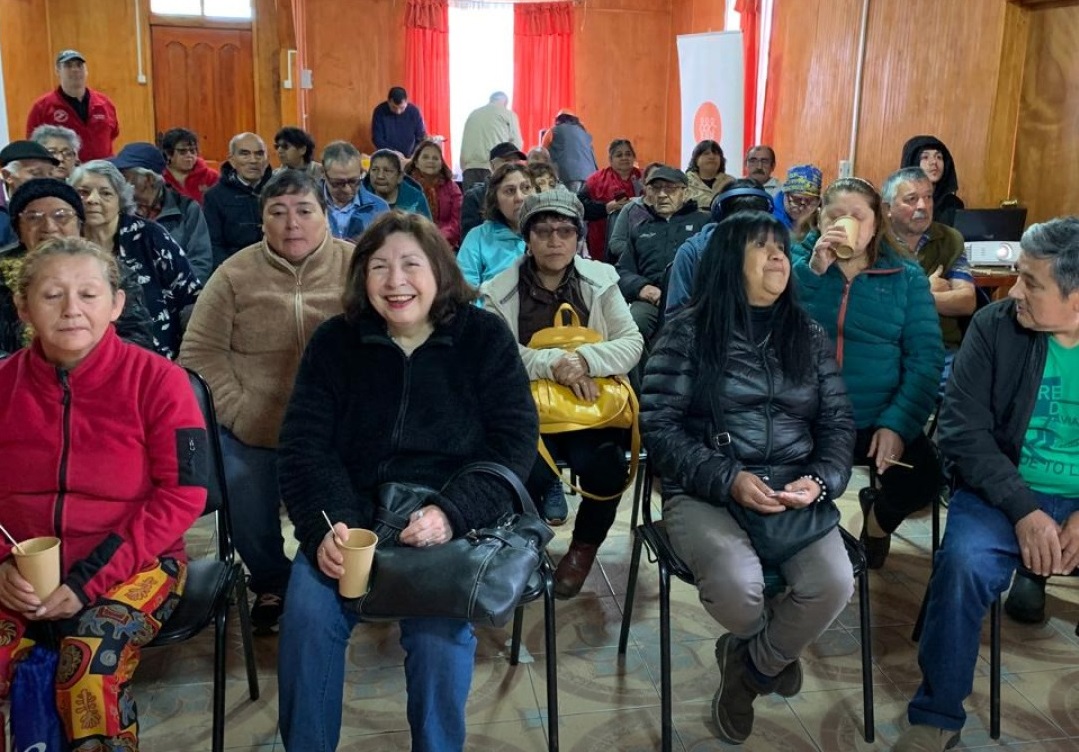
"Stories of traditional meals", was the name of the initiative, where they contacted elderly people from the commune to consult and recognize certain recipes that were significant to them.
"We wanted to know the importance and relevance, as well as the maintenance of these foods that become more traditional or heritage of the area, so they are not lost. The aim was to find out why it was important and what the relevance of those preparations was at that time, 50 or 60 years ago," explained Dr. Claudia Troncoso Pantoja.
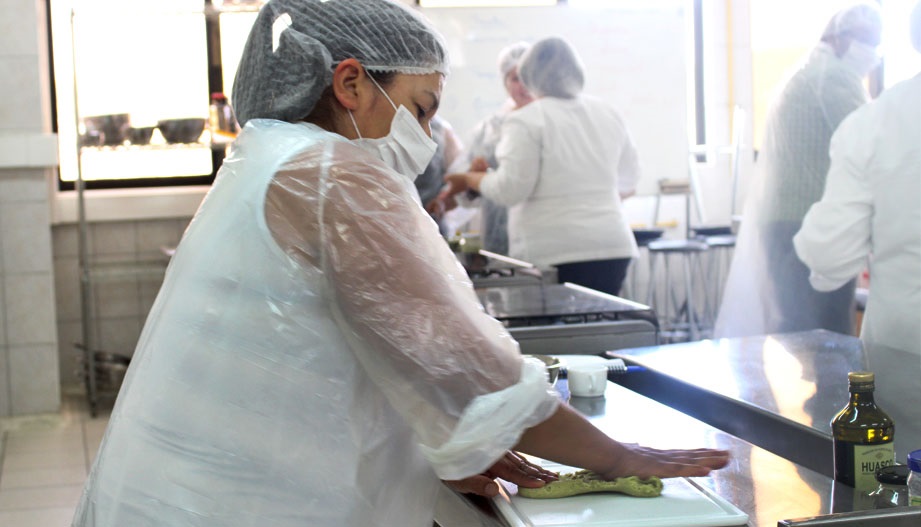
Then, together with a colleague from the University of Chile, they created a tool that allowed them to see the nutritional contribution of these traditional foods, from a sustainable perspective. "With this project, with support from the Chilean Society of Nutrition, we have an article that delves into the importance of the construction of this tool, according to the view of professionals in gastronomy and nutrition," she recalled.
Another of the projects related to Dr. Troncoso's work is with the commune of Punta Lavapié and Santa Juana. Because it is a coastal area, the idea is to replicate the model of the project carried out several years ago in Tomé. "We want to replicate the experience, from the stories of the elderly, and thus gather information that remains as heritage and history of the meaning of some preparations and foods that They were common. Food is part of a place’s culture,” he added.
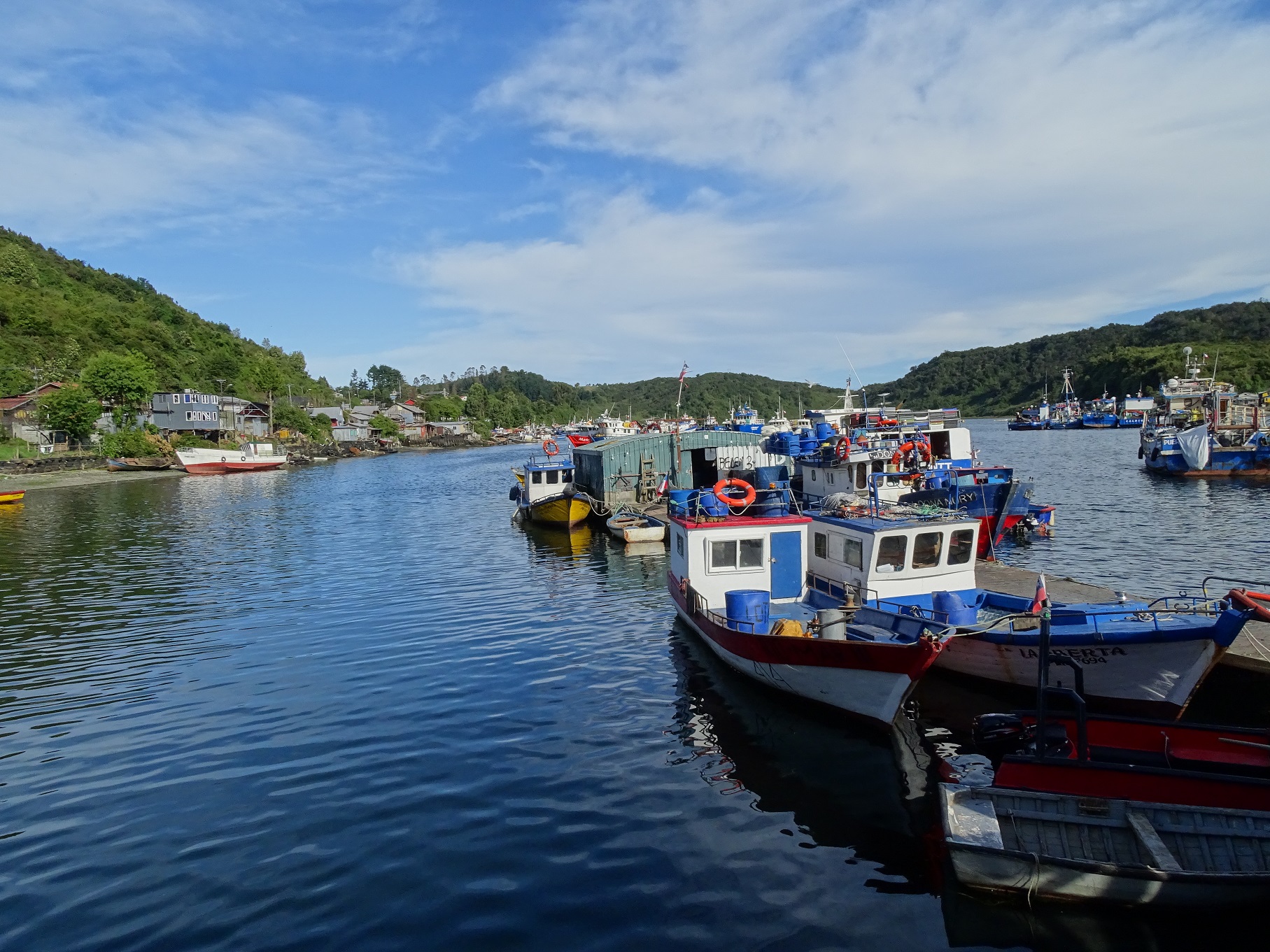
In Tomé, everyday dishes differ little from those prepared inland. Chicken is popular, as are potatoes as a side dish. “What we found in Tomé was the significance of belonging to a coastal community in the ’50s or ’60s, when there was considerable poverty. People depended first and foremost on the sea, where they could gather food,” explained the academic.
This stage of history was evidenced in the accounts, why the elderly people of Tomé who participated in the project were not interested in eating seafood. This situation reminded them of sad times, with respect to poverty at the time. “They did not cling to wanting the sea to feed themselves, as it brought bad memories. When they had nothing to eat, they should look for seaweed or seafood. It does not fail to attract attention, because Chile is a coastal country and few marine products are consumed, as well as a small variety of preparation,” evidenced the study carried out by the academic.
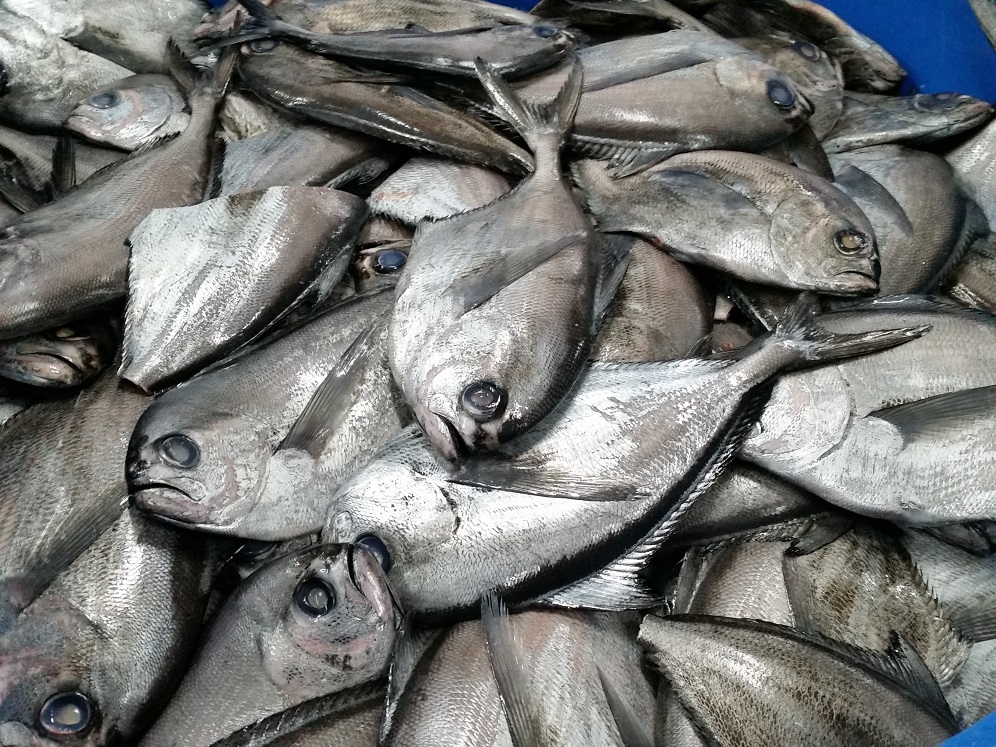
Although baked or fried fish preparations are popular, it is low in consumption. Salmon, for example, is a food that is currently popular, but its cost is high. Currently, the fish that is commonly consumed is canned. “There is an increase in canned fish, in favor of the natural. This, as it is complicated to respect the cold chain or give yourself the time to go buy fresh fish from some market,” said the academic.
Regarding her projections at CIBAS, Dr. Claudia Troncoso Pantoja said that one of the challenges has to do with demystifying the consumption of cochayuyo, for example, as a food not pleasing to the palate. In some past projects, it was sought to show that their consumption can be attractive from a novel preparation. It is important since it is a resource that exists and is abundant, in addition to the great nutritional contribution it provides.
“I would like to contribute to the CIBAS from the point of view of community education. In addition to seeing from the account of elderly people with an intergenerational character, the consumption of marine food. Another point would be to find out what happens to sustainability, what happens to food waste and the good use of water,” he concluded.