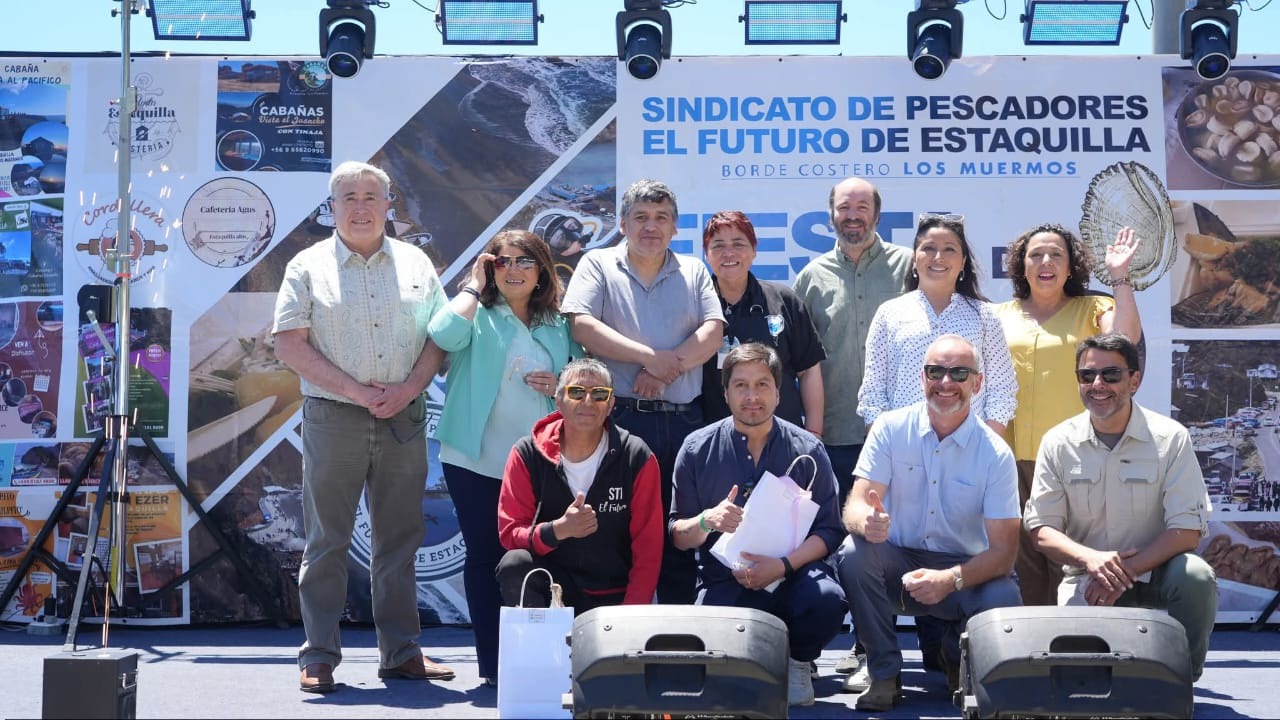
The traditional event brought together thousands of people at a regional level, highlighting the alliance between artisanal fishing and aquaculture promoting local and sustainable development.
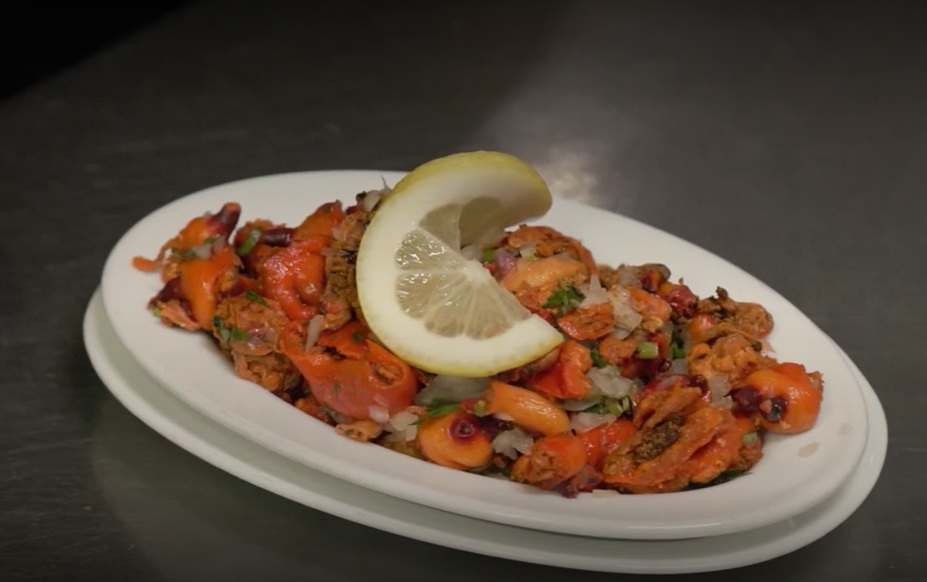
With a varied gastronomic offer that included ceviche and salmon and locos chupe, as well as a tasting of clams, the sixth edition of the Fiesta of the Loco of Estaquilla, activity that brought together thousands of people and has become one of the most important regional folk festivals.
The event, which highlights the importance of the mussel, aquaculture and its contribution to local development, counted on the participation of local and regional authorities, who highlighted the work and vocation of the social leaders who organized it. During the day, the union's leadership presented awards to the authorities and collaborating companies, including SalmonChile, for their active contribution to this traditional celebration.
César Cárcamo, social leader of the El Futuro de Estaquilla union and organizer of the event, expressed his thanks to the salmon farming industry, "to Cooke Aquaculture, SalmonChile and SudMaris, which we say are already part of the festival. The contribution they make goes directly to the union's kitchen on the day of the event and allows prices to drop greatly so that we can share all our products with the families that visit us, so the The product is much more accessible. It is very important this alliance, because to artisanal fishing and aquaculture we are united by our sea.
In representation of SalmonChile, Felipe Díaz, director of Communities of the trade association, highlighted the importance of this collaboration. "We have been part of this activity for several years and feel very close to the community, both of Estaquilla and of fishing at a regional and national level, because we see in them and in aquaculture, a common vision on how the sea is a place that contributes so much to the feeding the world, with the shared commitment to sustainability," he stated.
The Loco Festival not only promotes local cuisine and seafood products, but also strengthens the bonds between the aquaculture sector and coastal communities, highlighting that both activities can complement each other to generate sustainable development and strengthen the cultural identity of the region.