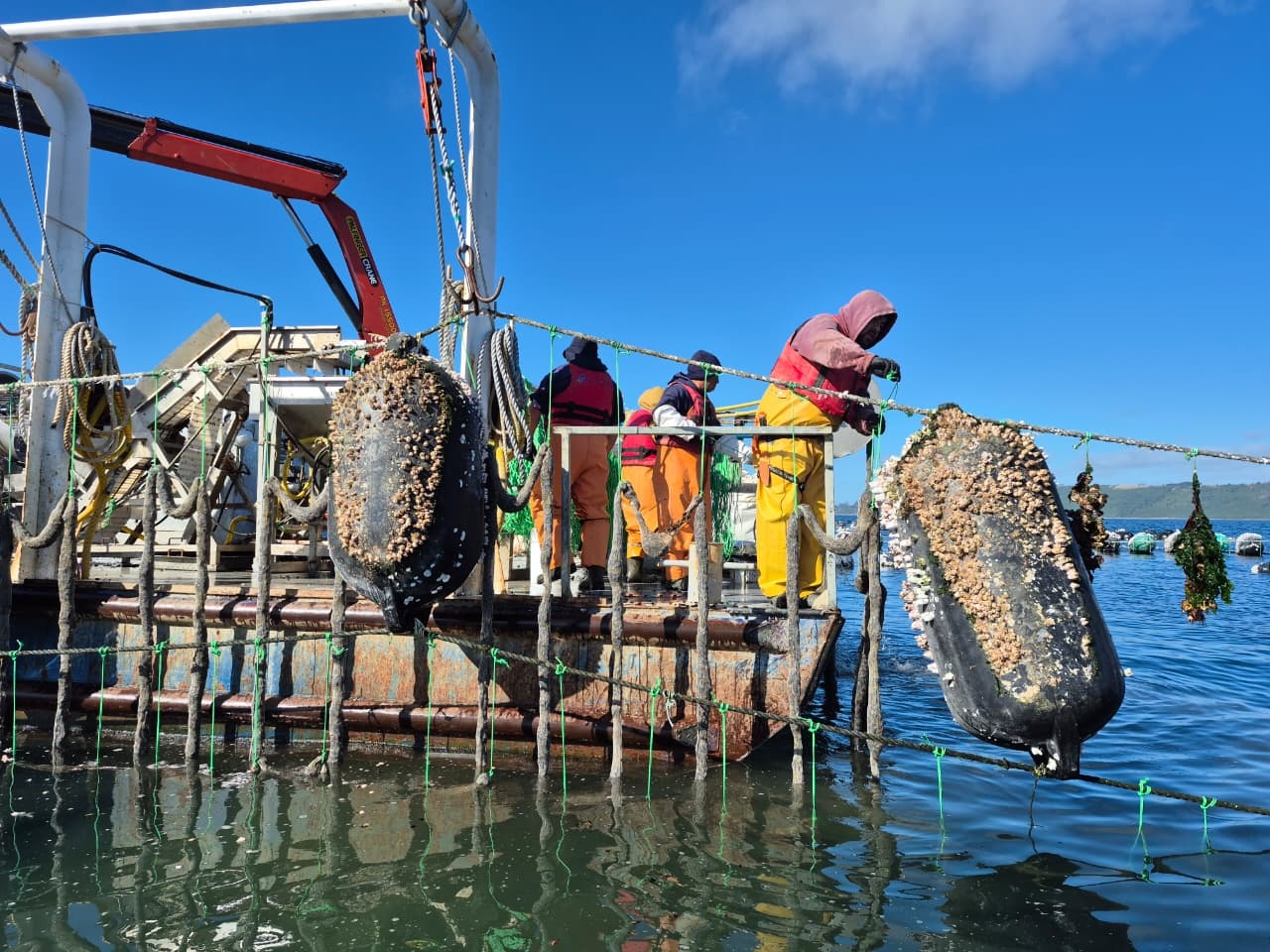
Initiative aims to strengthen the mussel farming value chain in the Los Lagos region through knowledge transfer, co-design with producer communities and the development of an integrated and intelligent traceability system.
In order to strengthen the mussel farming activity in the region and add value, the Regional Fund for Productivity and Development for Science, Technology, Knowledge and Innovation Initiatives of the Regional Government of Los Lagos funded the project "Strengthening the productive development of the mussel farming industry through R&D+i focused on people and geo-informatics engineering".
The project was awarded to the University of Santiago de Chile (USACh) and has the support of the National Service of Fisheries and Aquaculture (Sernapesca) and of AmiChile for its implementation.
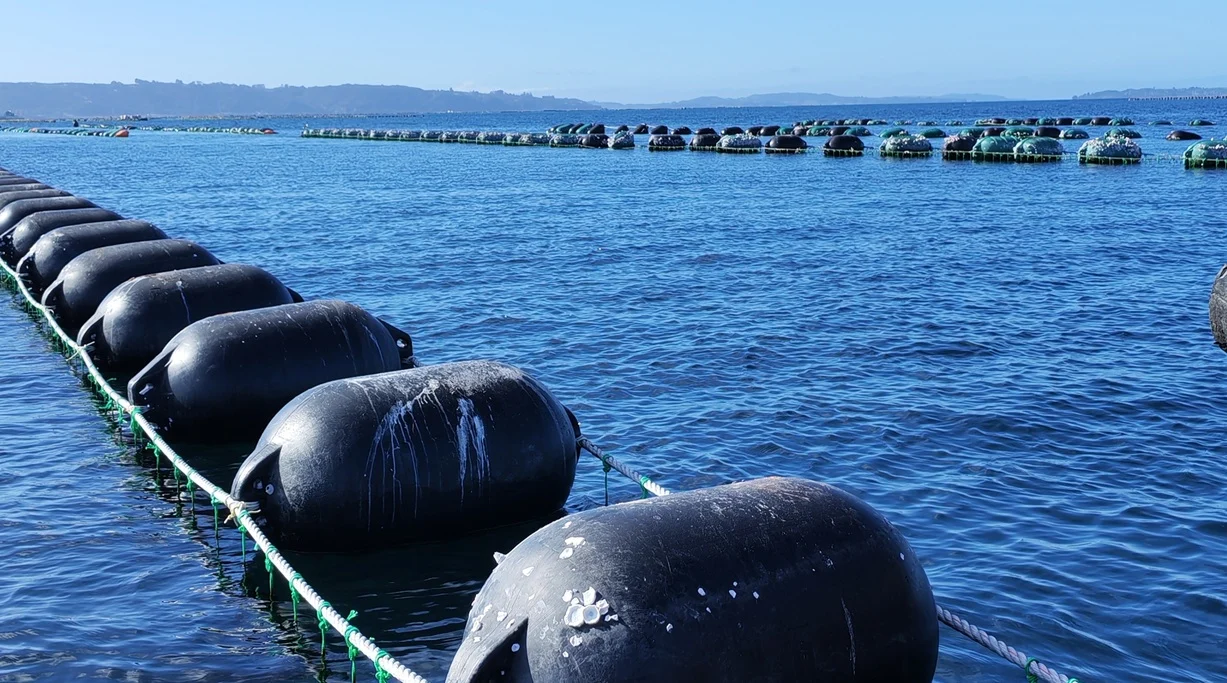
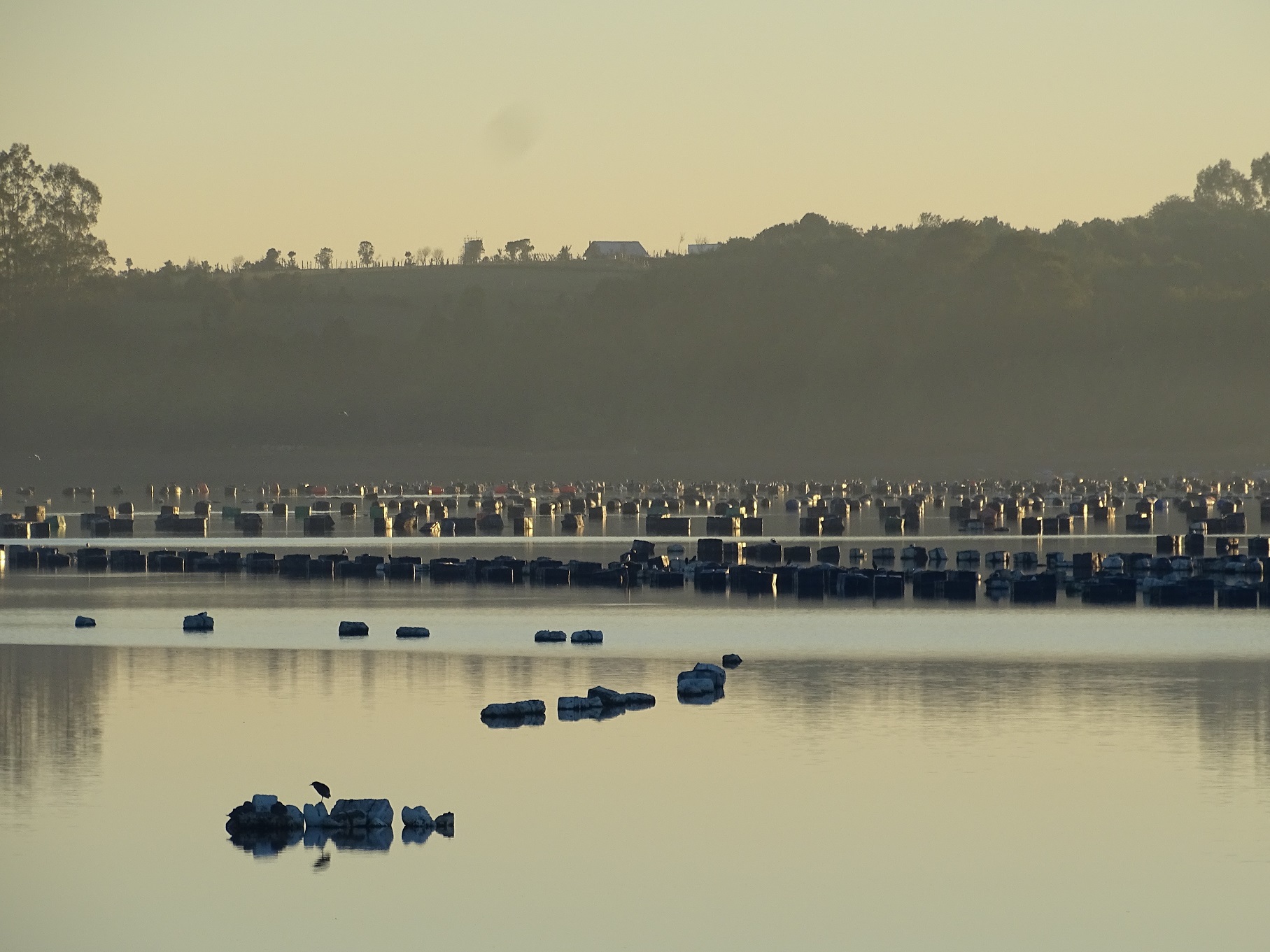
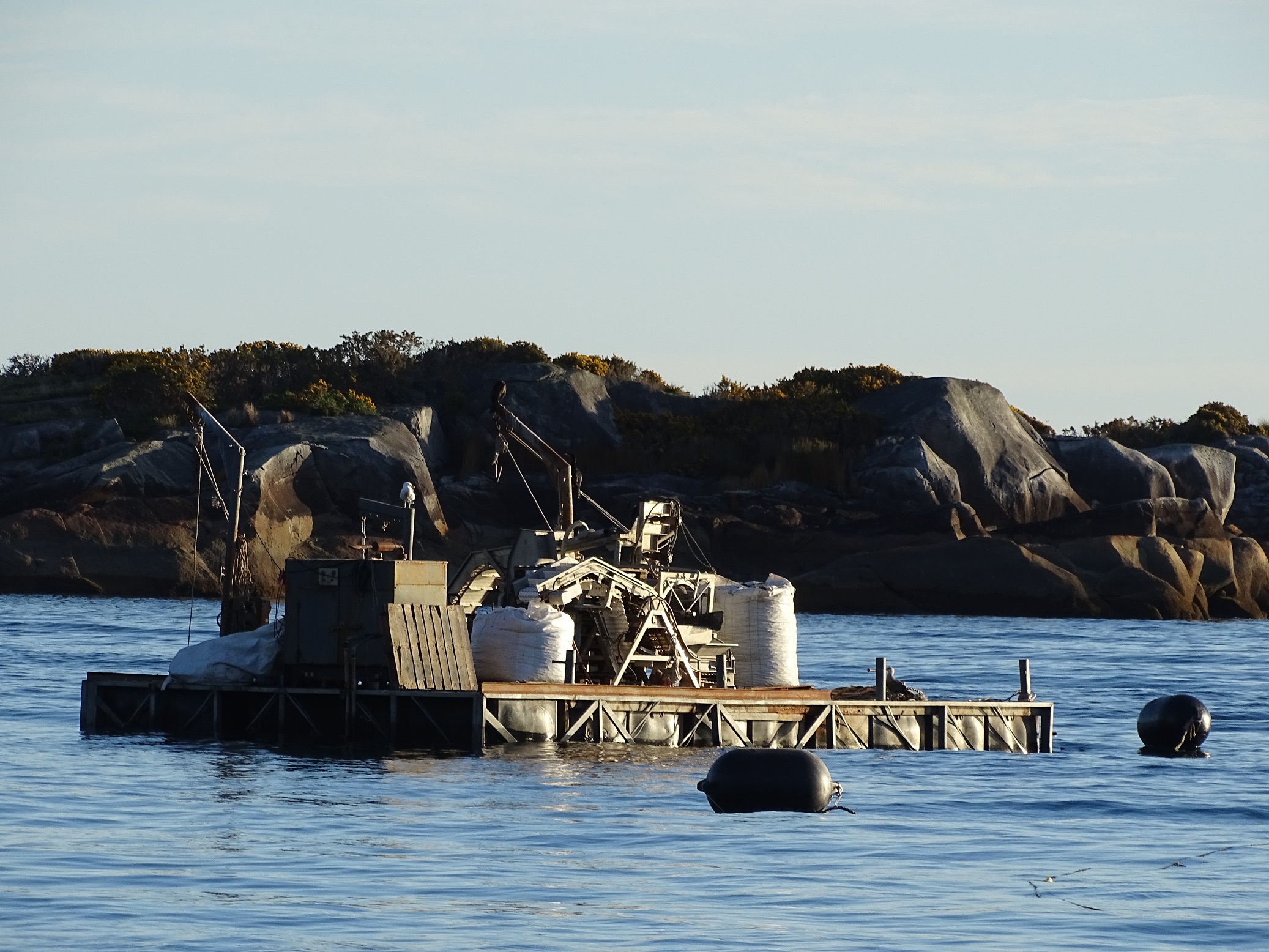
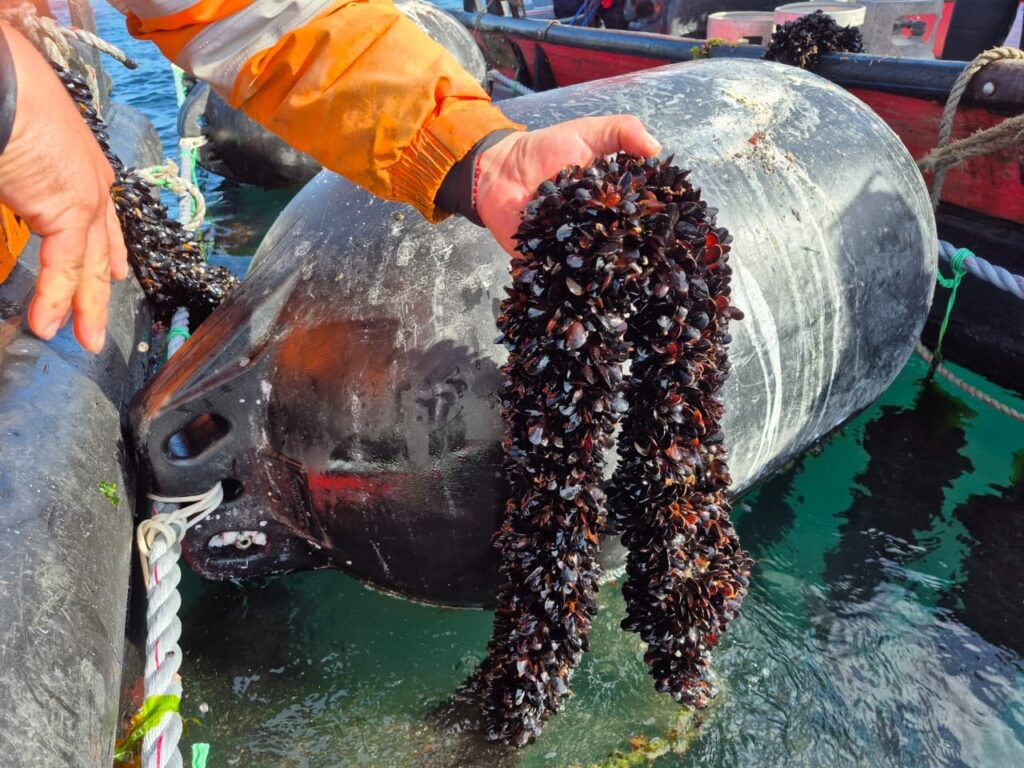
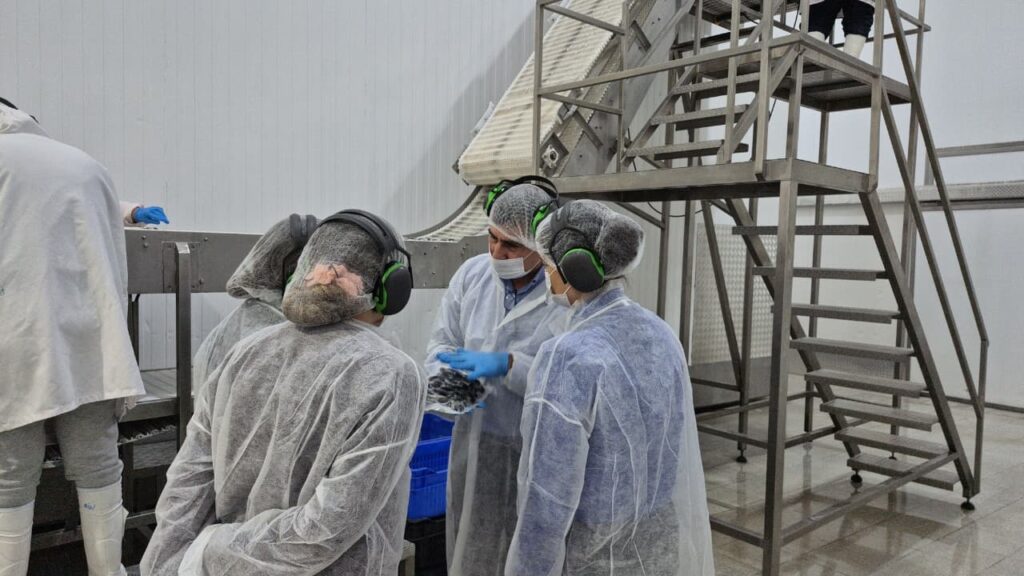
To start the program, on Wednesday 8 April an on-site activity was held, where representatives from Sernapesca, USACH and AmiChile visited cockle farms to learn about the seed planting and harvesting processes. Subsequently, they visited a mussel processing plant, observing the production flow from the entry of the resource to its final preparation for export. Finally, on Thursday 9 of April hosted the first workshop planned in the project's program.
The national director of Sernapesca, Soledad Tapia Almonacid, who participated in the workshop, highlighted this type of initiative that increases the value of an activity of great importance for the region: "Providing funding to promote a more competitive and sustainable mussel farming is a great support for the productive sector. From Sernapesca we supervise, but we also provide support to our users for compliance with regulations" in the entire production chain, that is, from seed planting to export, and in the process of meeting the requirements of new markets.
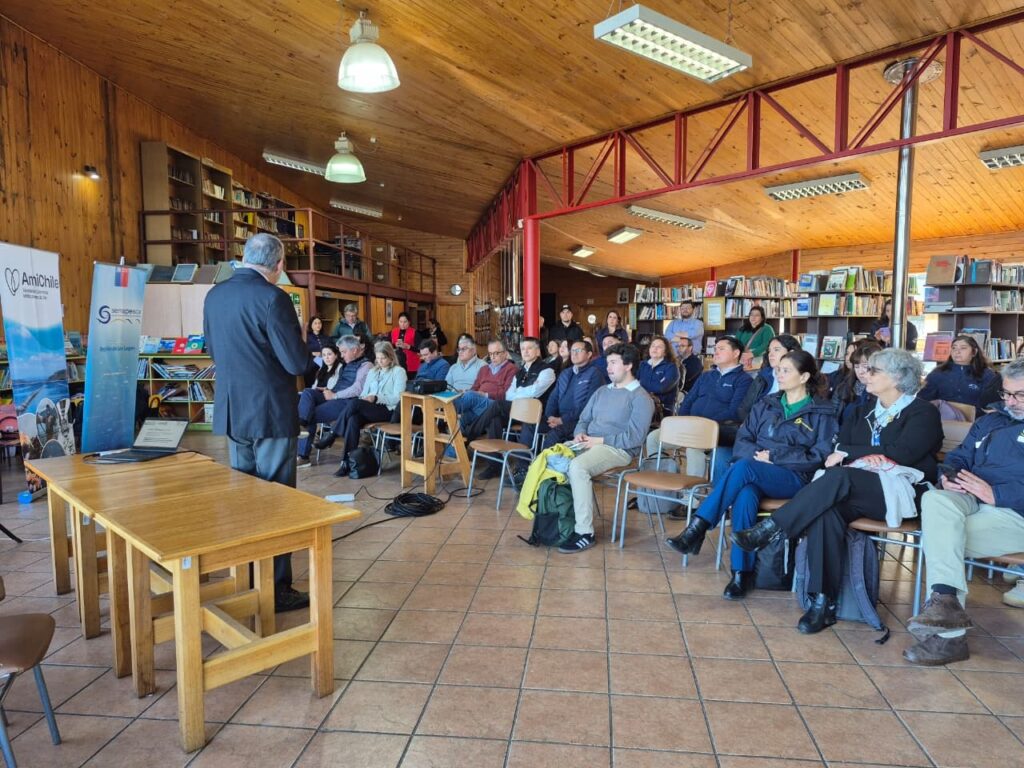
The project aims to strengthen the mussel farming value chain in the Los Lagos region through the transfer of knowledge, co-design with producer communities and the development of an integrated and intelligent traceability system.
Regional governor Alejandro Santana Tirachini said, “We are taking a decisive step for the economic future of the Los Lagos region. Our mussel farms account for nearly 99% of national production, provide more than 17 thousand jobs and generate over 300 million dollars in exports each year. That is why we need to modernise the sector. Today, more than 1,400 participants in the sector use multiple systems, creating more of 115 thousand movements and hundreds of face-to-face procedures, which directly impact their competitiveness, therefore, as Regional Government, we are promoting a project of 300 million pesos that will allow to develop a unique, intelligent and interoperable digital traceability system, incorporating tools such as artificial intelligence, automatic alerts, and direct support to producers. This initiative will not only reduce costs and time, but also, will position our region as a leader in aquaculture innovation.”
Finally, the Seremi de Economía Fomento y Turismo, Gisela Strauch, stressed: “As a government and as President José Antonio Kast has mandated, we are promoting innovation in mussel cultivation, a key sector for our region. This project funded by the Regional Government focuses on people and improving productivity, to continue generating more opportunities and development in Los Lagos.”
The strengthening of mussel cultivation represents a productive and economic opportunity for the region not only in the context of the national market but also with a view to expanding its presence in the international market, being a significant contribution to food security, considering the outstanding nutritional qualities of choritos.