In Los Angeles a networking meeting was held with the aim of integrating grain and beet producers into the salmon value chain, promoting the substitution of imports and the reduction of the carbon footprint.
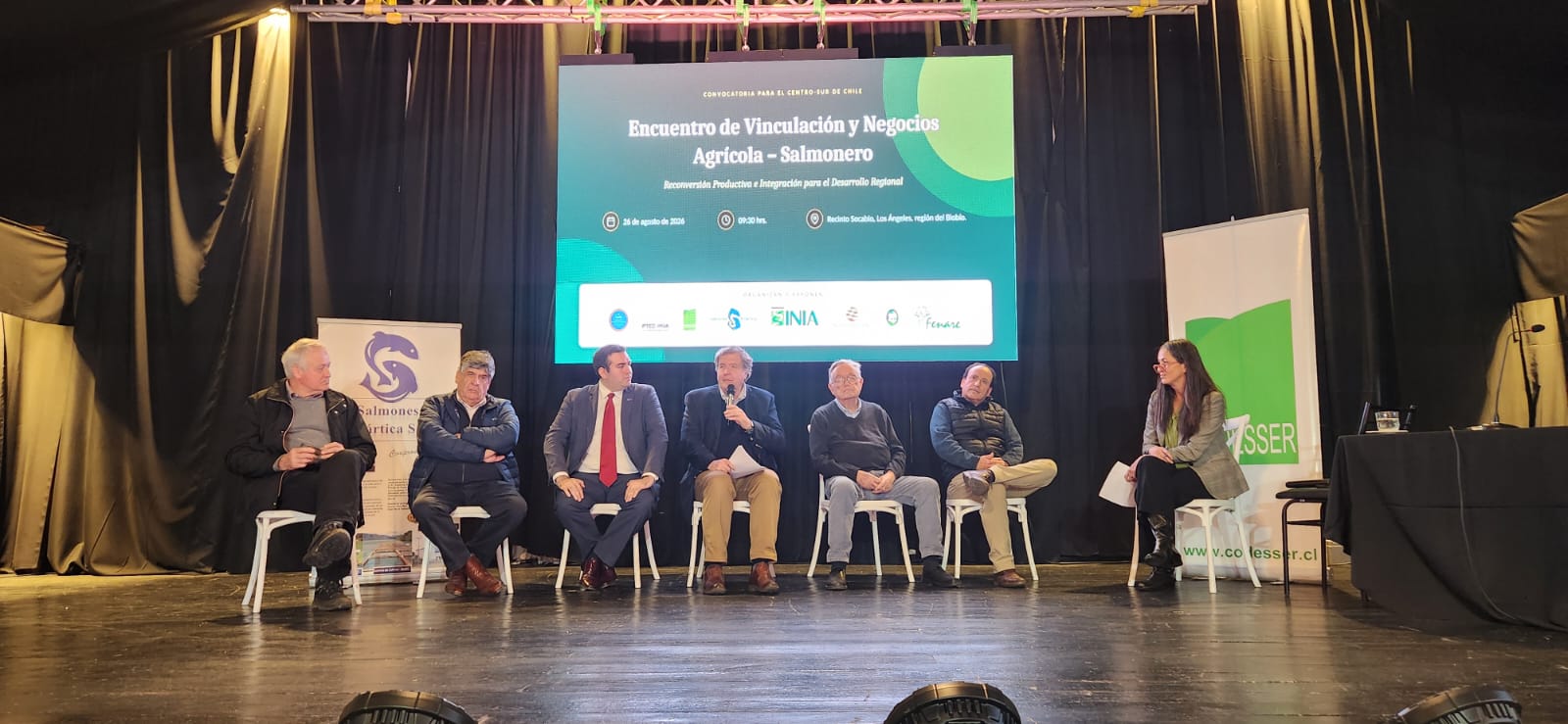
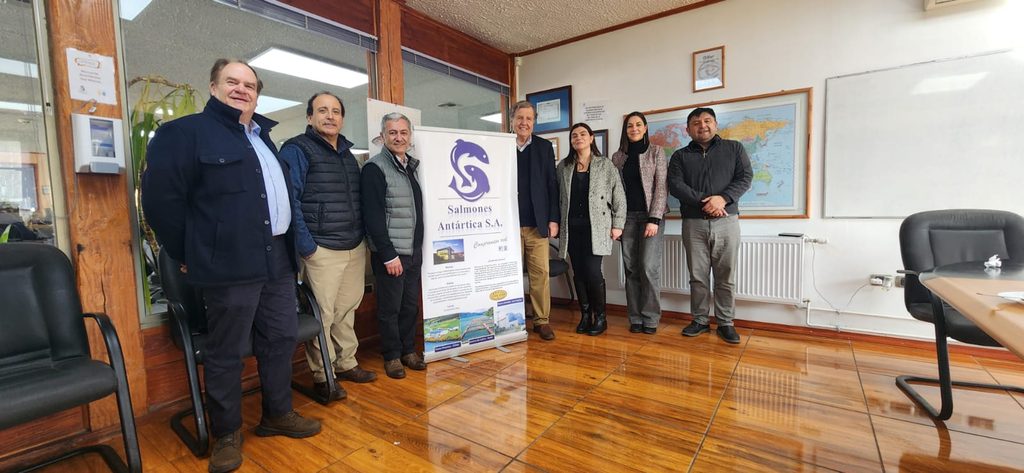
With the aim of strengthening the productive chain between the aquaculture sector and agriculture, this Wednesday 26 August at the SOCABIO venue in Los Angeles, the "Agricultural - Salmon Farming Linking and Business Meeting" was held. This initiative, coordinated by SalmonChile, Corfo Biobío, CODESSER, PTEC-INVA of Salmones Antártica and SOCABIO, arises as a strategic and sustainable response for the sugar beet and grain producers of the regions of Maule, Ñuble and Biobío that are seeking new commercial alternatives after the closure of traditional wholesale buyers.
The meeting sought to establish a direct link table between local farmers, the animal nutrition industry and the salmon production sector, one of Chile's main export forces. The proposal focuses on an effective productive conversion model, allowing farmland and agricultural infrastructure to remain active through the production of vegetable inputs for the formulation of diets. for fish, a consolidated and growing national market.
Socioeconomic and environmental impact
The integration of agriculture into salmon farming not only stimulates the regional economy, but also significantly contributes to sustainability. By replacing imported raw materials with local crops, the industry reduces its dependence on external markets and mitigates logistical risks. Likewise, this linkage allows a substantial reduction in the carbon footprint, by drastically reducing transportation distances and freight. international, aligning with global environmental responsibility standards.
Beyond the current situation, this alliance presents a strategic growth projection for the central-southern macrozone. An additional demand potential of 270,000 tonnes per year of vegetable raw materials -including wheat, rapeseed, sweet lupin and new crops such as camelina- is estimated, which will drive the incorporation of around 190,000 new agricultural hectares and boost the regional economy with a projected activity in US$ 470 million
SalmonChile highlights that salmon farming generates more than 86,000 jobs and collaborates with 4,000 SME suppliers. In this context, the Biobío region plays a critical role as a logistics platform, concentrating 52.5% of the national offices of salmon products and exports that exceed US$2.556 million. For its part, La Araucanía is positioned as the main agricultural ally, currently providing 54,000 hectares of crops linked to aquaculture nutrition.
Along these lines, the president of the guild, Patricio Melero, pointed out that this is another step in a sustained work that SalmonChile has been doing. “Today’s day has been very important in strengthening the link between agriculture and salmon farming. Increasingly, more and more plant proteins have been replacing those of animal origin in the pellets feed of salmon. This area is added to the 80,000 hectares of the country that are being planted today to supply the salmon food industry, and there is a very important future ahead: to strengthen this link, to know more between farmers and salmon growers, to advance in technology, in the type-approval of varieties, in the typification of the product that is needed to meet world standards; they are challenges ahead,” he said.
For his part, the representative of SalmonChile in La Araucania, Ricardo López, highlighted the value of this initiative. “This meeting is a fundamental step towards consolidating a productive chain that unites the countryside with the sea. We want farmers in the south-central zone to see salmon farming as a stable and long-term ally, allowing them to project their activity with a vision of the future, innovation and territorial sustainability,” he said.
Milestones of the Day
The program of the event featured presentations by the head of Quality Control of the food plant of Salmones Antártica, Maribel Moraga; and the researcher of INIA Carillanca and in charge of the Genetic Improvement Program, Claudia Osorio; a presentation by SalmonChile on the “Perspectives and Integration of the Salmonera Industry with National Agriculture”; and a talk by the representative and founder of Baer Seeds, Erik Von Baer, on “Chilean Agricultural Production for salmon farming”.
The event, in addition, included the panel of experts “Challenges and Opportunities for Agricultural Reconversion in the Central-South Macrozone”, where Patricio Melero, president of SalmonChile, and representatives of Antarctic Salmons, FENARE, CORFO Biobío, SOCABIO and Seeds Baer analyzed the institutional, technological conditions and standardizations in the offer to accelerate this transition.
Thus, the day allowed to make known the technical and quality requirements required for the purchase of aquaculture foods, as well as technological solutions in varieties of wheat optimized for the nutrition of fish. With this alliance, salmon farming reaffirms its commitment to local development, promoting a circular economy that strengthens both food security and the well-being of communities in southern Chile.