The event will take place on 6 May at the Lago Theatre in Frutillar and will mark a milestone in the commemoration of the union's four decades.
SalmonChile, the trade association representing the main producing and supplying companies of the national salmon farming industry, officially announced that Salmon Summit 2026 it will take place on May 6th at the Teatro del Lago in Frutillar, in the Los Lagos Region.
This will be the third edition of the event and is part of the celebration of the 40 years of SalmonChile, consolidating itself as the main strategic dialogue space of the sector and one of the most relevant productive forums in southern Chile.

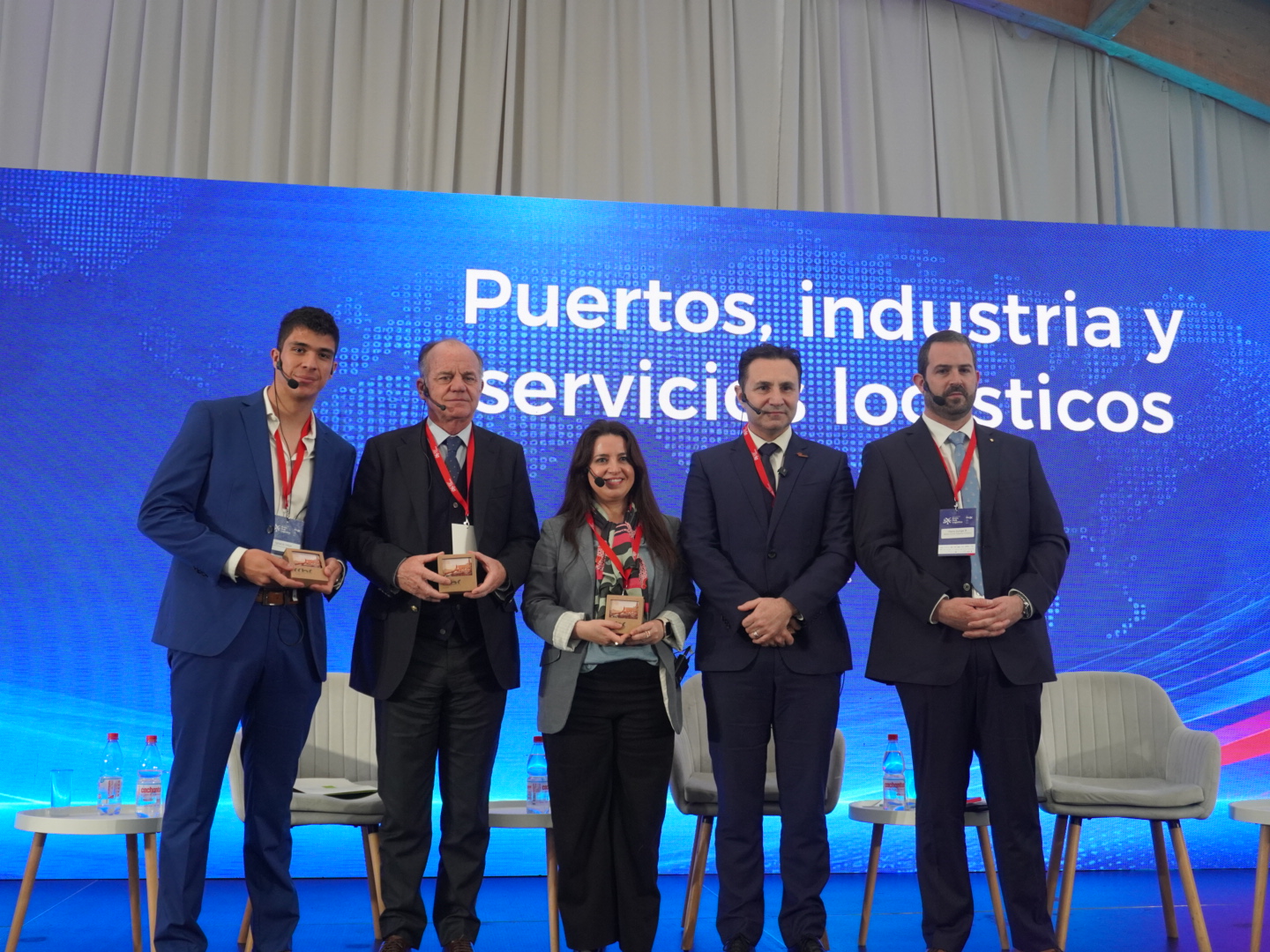
In previous editions, the SalmonSummit has brought together national authorities, business leaders, academia and representatives of civil society. In 2025, the event brought together the three main presidential candidates, placing salmon farming at the center of the national debate and positioning southern Chile as a key territory for the economic and food development of the coming decades.
After addressing in previous versions topics such as regional development, institutional framework, projection to 2050 and the political role of the sector, the 2026 edition will take an additional step: to project how salmon farming can be consolidated as a platform for sustainable growth, technological innovation and generation of opportunities for the southern regions.
"SalmonSummit 2026 will be a key opportunity to reflect on what has been achieved in these 40 years as a sector, but above all to discuss the potential that Chile and its coasts have as a food power and to be leaders in the blue economy," said Tomás Monge, General Manager of SalmonChile.
"Chile, in addition to its leadership in matters of export of high-quality proteins, has in salmon farming a strategic opportunity for the reactivation of the national economy and the economic growth of the regions and their inhabitants," he added.
In this new context, the meeting will seek to transcend the sectoral debate and convene a broad discussion on the development model of southern Chile, the contribution of the different productive sectors to territorial cohesion and the challenge of reconciling growth, sustainability and well-being for communities.