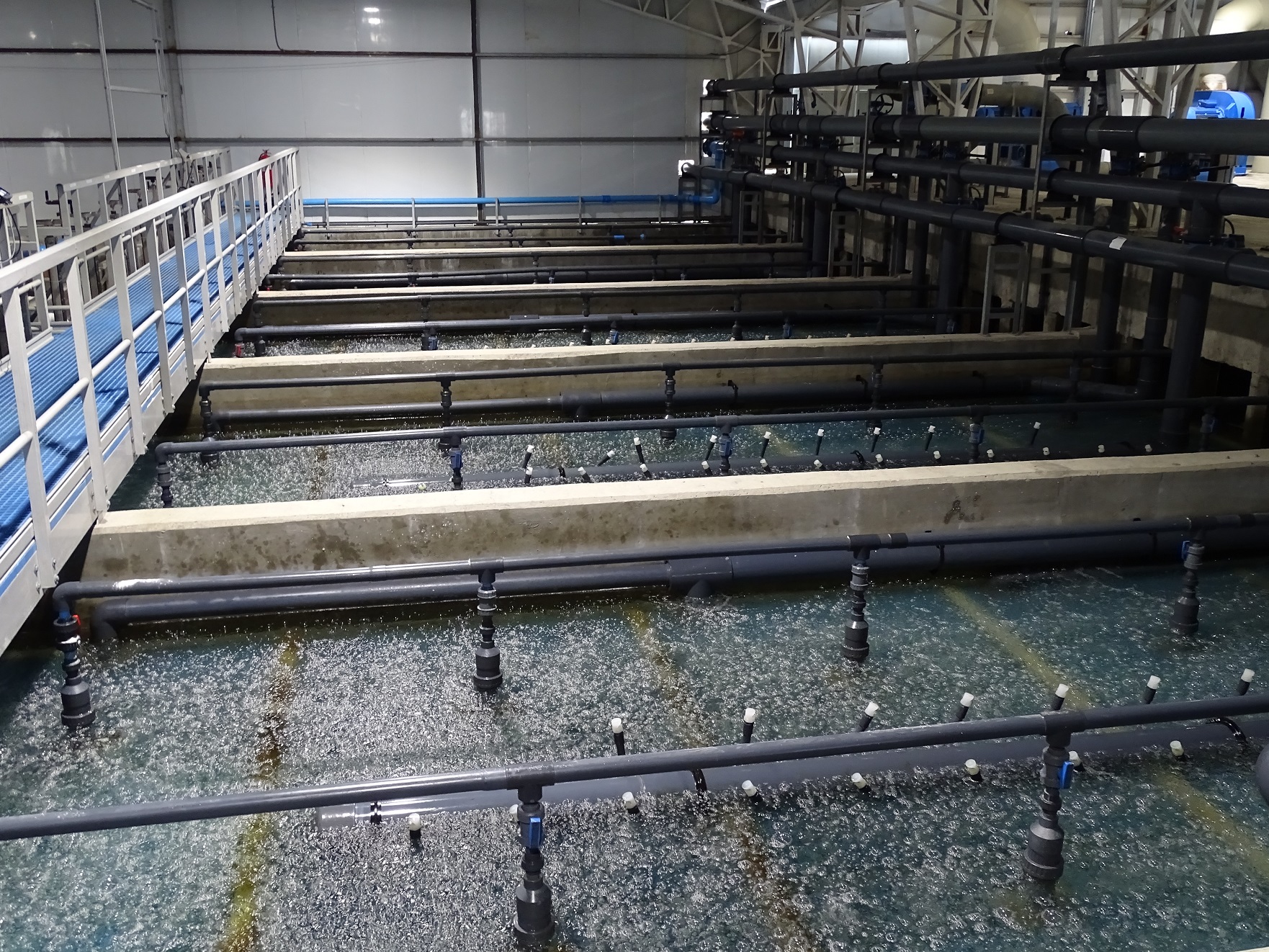
Following joint work between Subpesca and the Ministry of the Environment, the waste classification of the sector was updated to advance towards more sustainable alternatives, promoting the Circular Economy and reducing waste disposal into the environment.
Since the beginning of 2024, the Fisheries and Aquaculture Subsecretariat (Subpesca) together with Ministry of the Environment, Regional Minister of Agriculture Los Lagos and Sernapesca developed a joint effort to update the classification of organic and inorganic (non-hazardous) waste from the fishing and aquaculture sector through the modification of the National Waste Declaration System (SINADER) according to the regulations of D.S. N°1/13 articles 25, 26 and 27 of the Ministry of the Environment. Therefore, due to these changes, from this month of January 2025, the fishing and aquaculture industries will They must declare the generated residues, separately from the agro-industrial sector.
This modification work involved a participatory process, carried out between July and December 2024, during which workshops were held with the two main national aquaculture industries to exchange perspectives.
Regarding the adjustment milestone, the head of the Aquaculture Division of Subpesca, Constanza Silva, explained that "generating an improvement in waste classification will support with information, for public or private use, directing them towards waste valorisation through the application of the Circular Economy model, achieving a reduction in waste disposal to the environment". "We hope to continue with this work, as we have Clarity that a better statement will help users to analyze, from their own diagnosis and on-the-ground knowledge, sustainable alternatives; and on our part, as institutions, we will continue working to improve sectoral requirements and declarative processes involved," added Silva.
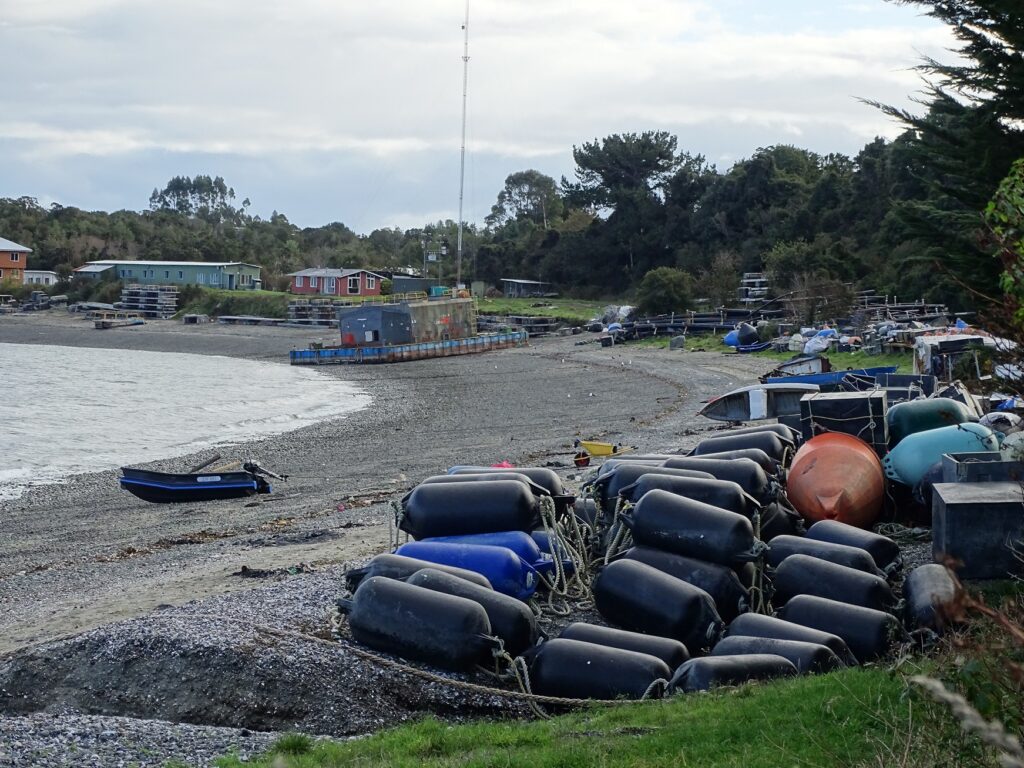
In recent years, Subpesca has been working to find formulas for sectoral users to advance the application of the Circular Economy model. In this regard, gaps in the classification and temporal quantification of waste generated in aquaculture and fisheries processes have been identified.
The above, among other findings, have been verifiable thanks to the development and results of a series of FIPA works, such as: "Diagnosis of solid and post-process organic waste, from resources grown from mussels, pectinides and ostreides, able to evaluate its uses through circular economy, determine its residual recovery and its contribution to the reduction of aquaculture waste in the environment"; "Residues The project "Strategies for a Circular Economy in Fisheries and Aquaculture in Chile", which is still under development, was funded by the European Union and a collaborative work with Fundación Chile (published in 2022).