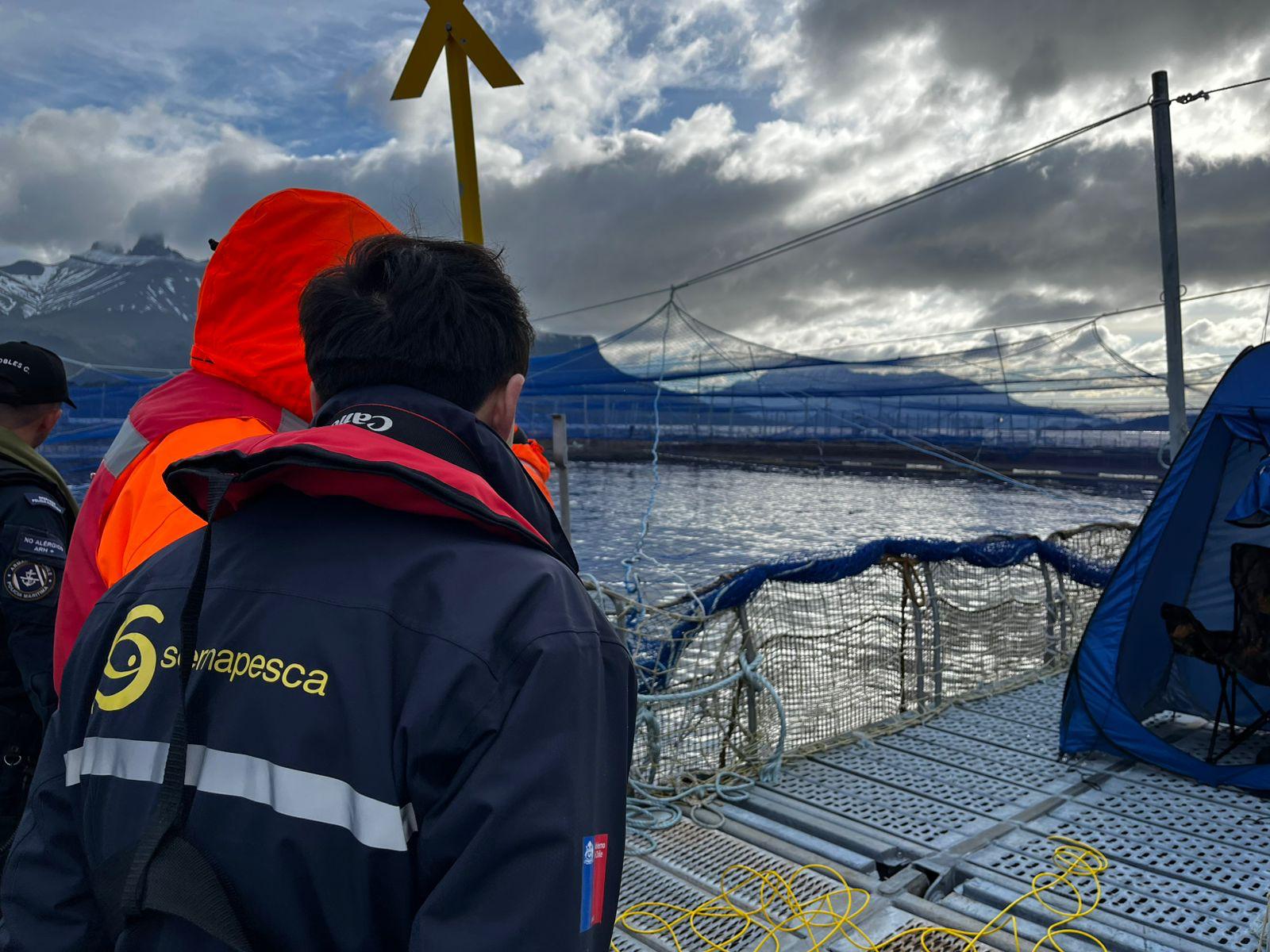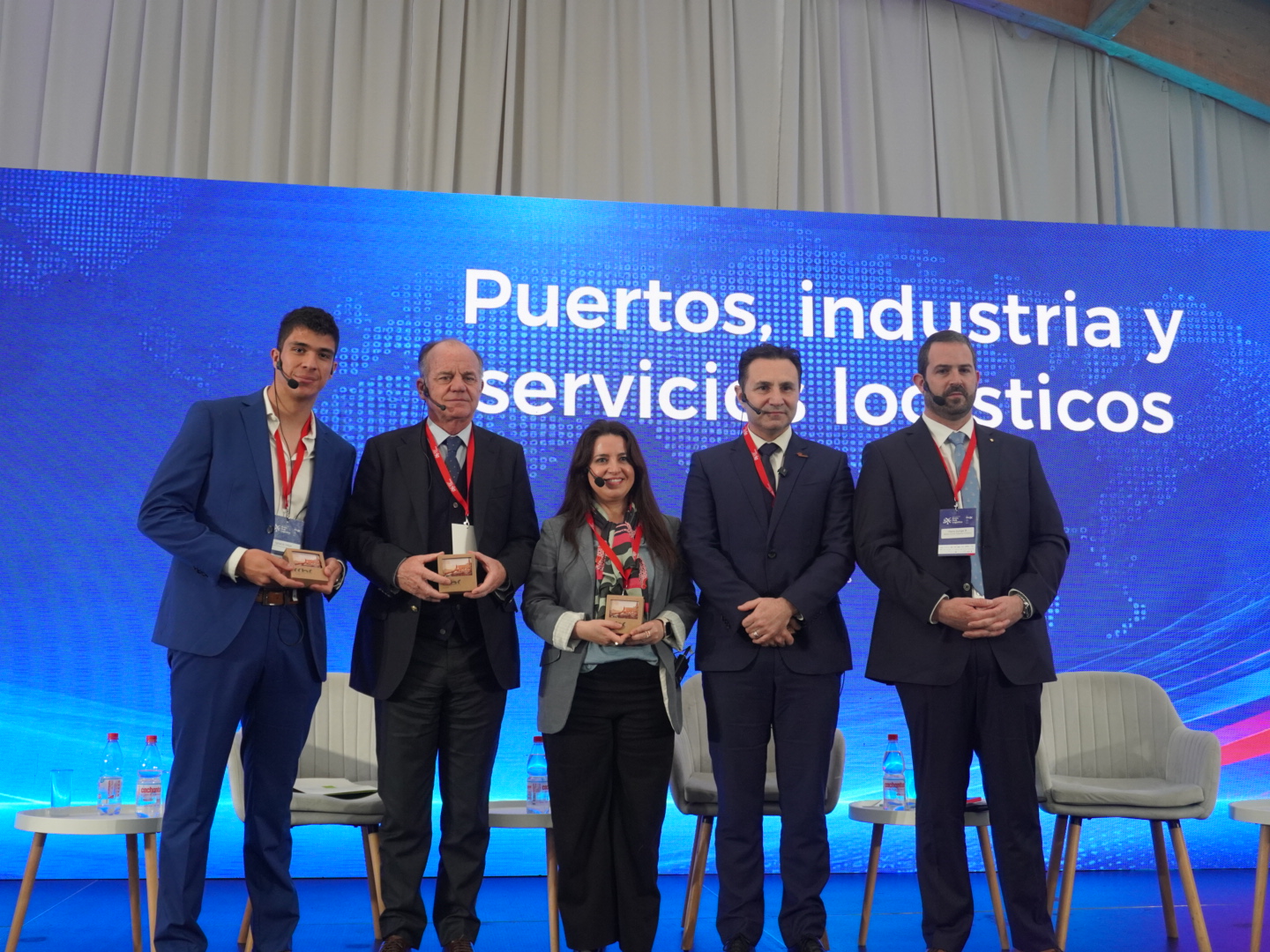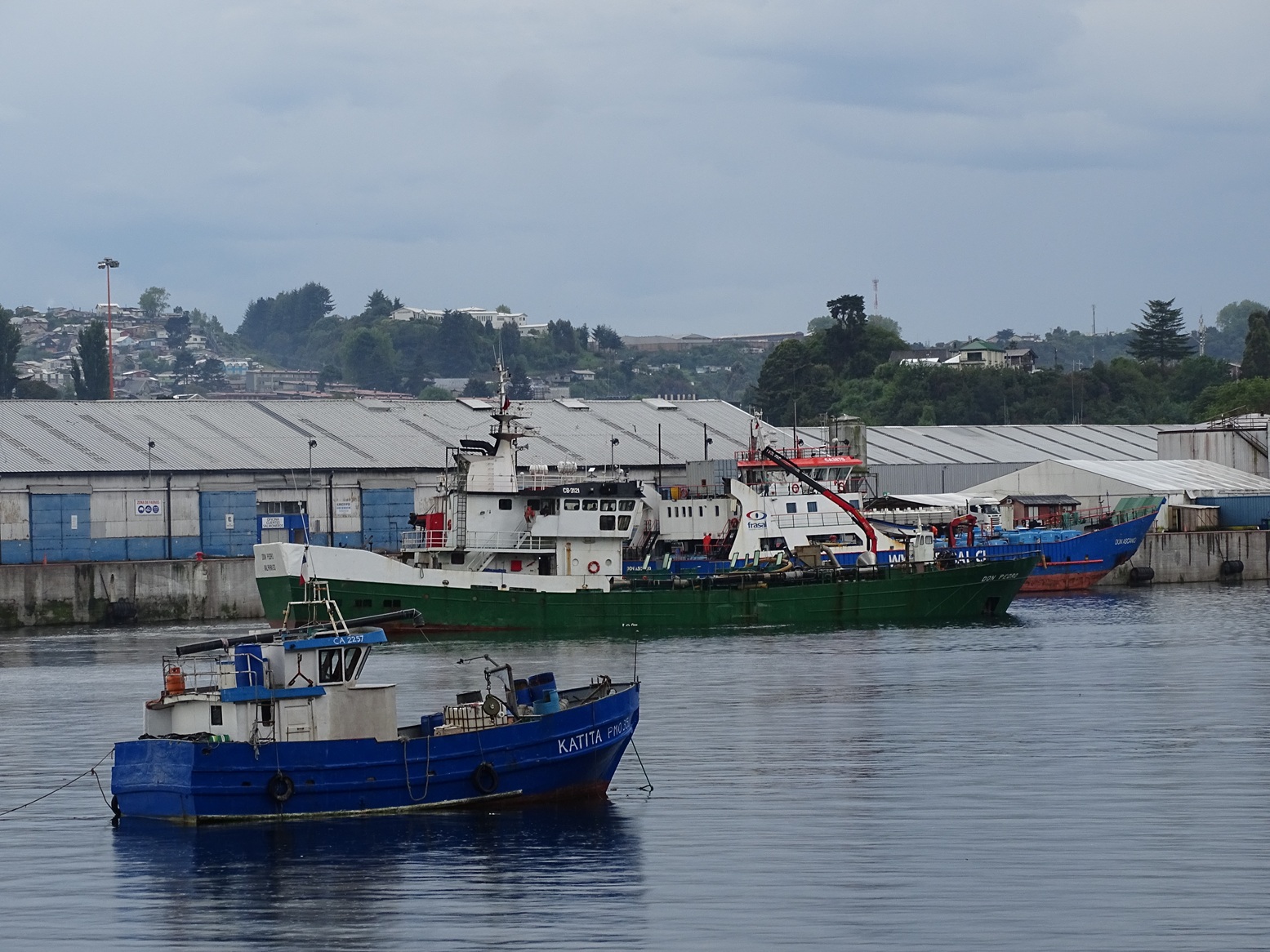
The activities were aimed at middle, technical and higher education students from the Aysén Region, and are part of the association's agenda with academia and the formation of human capital in the regions where salmon farming operates.
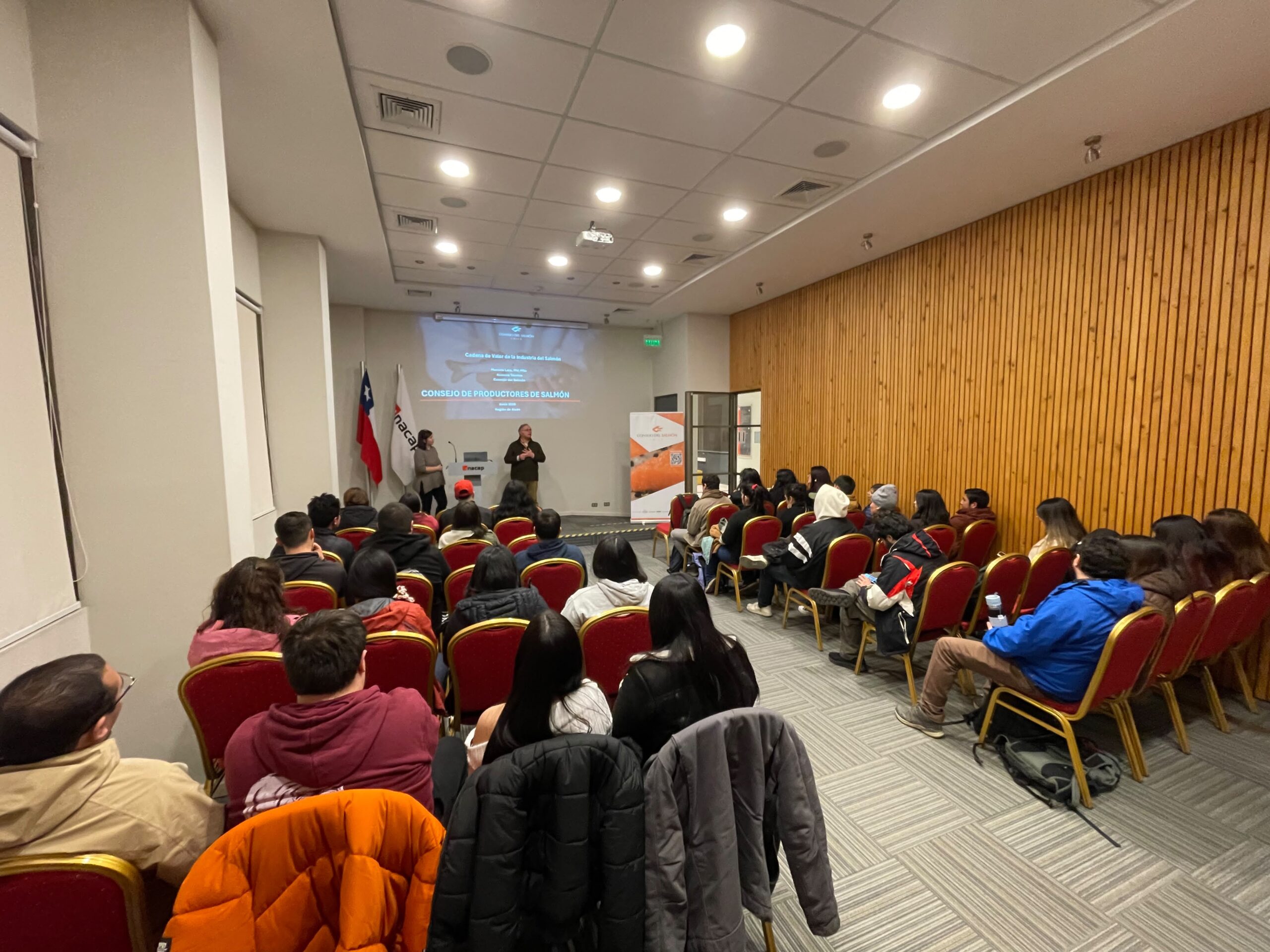
With the aim of bringing the new generations closer to the functioning, opportunities and challenges of one of the country's main productive activities, the Salmon Council held a series of technical talks on June 17, 18 and 19, aimed at secondary, technical and higher education students from the Aysén Region.
The activities, organized by the union, addressed the value chain of salmon farming, production processes and chaining around the industry, as well as making visible advances in technological development, innovation and sustainability initiatives in the territories where the industry operates.
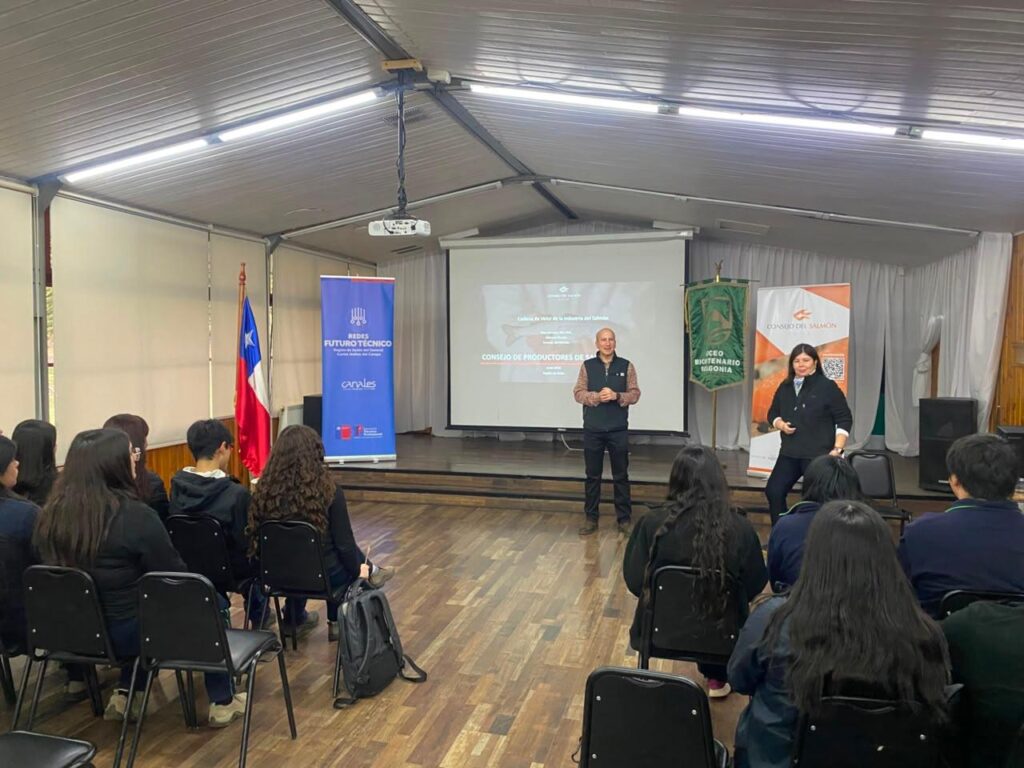
The talks took place at the Aysén State Technical Training Center in Puerto Aysén; at INACAP Coyhaique; and at the Bicentennial Agricultural and Industrial Lyceum of Patagonia, the latter carried out together with NGOs Canales, within the framework of the collaboration agreement signed between the two organizations during 2025 to strengthen technical-professional education.
During the conference, the exhibitions were led by Marcela Lara, veterinary physician and advisor to the Salmon Council, together with Rolf Traeger, director of the Salmon Council in Aysén. In the instances, students were able to learn about the different production stages of salmon farming, such as the fresh water phase, fattens, harvests and processing, along with the standards that today the industry has, its presence in more than 100 markets and their impact on southern southern regions.
From the Salmon Council they emphasized that this type of instances allows to make concrete the impact of salmon farming on regional development, not only from production, but also from employment, technical training, productive chaining, local entrepreneurship and the generation of opportunities for thousands of families.
In this regard, Rolf Traeger, director of the Salmon Council in Aysén, said that these talks are part of a union agenda of territorial ties that seeks to strengthen work with the academy, educational establishments and training communities of the region.
“This type of initiative allows us to share with the new generations how the articulated work of the industry has positioned Chilean salmon in the most relevant markets globally, contributing to the development of the country and to the projection of Chile. Aysén plays a strategic role for salmon farming, especially for its productive and territorial contribution, and that is why it is essential to generate spaces that allow information to be brought closer, open training opportunities and contribute to the development of human capital from the region itself,” said Traeger.
Marcela Lara, veterinary physician and advisor to the Salmon Council, highlighted the technical value of these instances in bringing students closer to the role of salmon farming in food production.
“These talks allow students to show that Chile has a concrete opportunity to continue to consolidate itself as a producer of healthy and sustainable food for the world. Salmon farming operates with high standards, certifications, animal welfare, innovation and continuous improvement throughout its value chain, and transmitting that look to the new generations is key to projecting the future development of the industry,” said Lara.
During the talks, the nutritional benefits of salmon and its contribution as a high-value protein were also addressed, reinforcing the role that this industry plays in the production of healthy foods for Chile and the world.
The Aysén Region is one of the main productive poles of Chilean salmon farming, concentrating a relevant part of the stage of salmon fat. In this context, the Salmon Council has strengthened its regional linkage agenda to promote greater knowledge of activity, its standards, its economic and social contribution, and the opportunities it generates in employment, suppliers, innovation and local development.