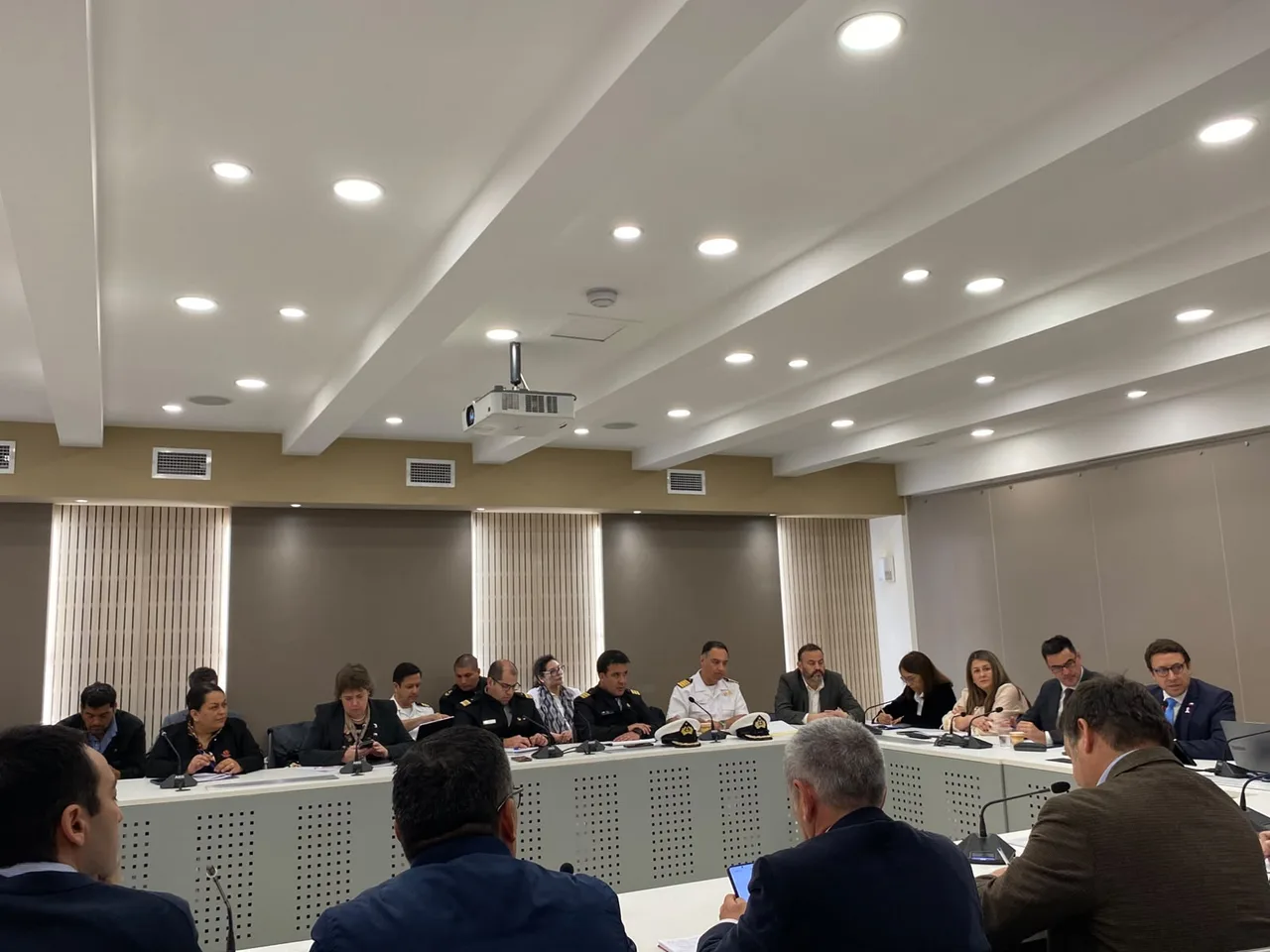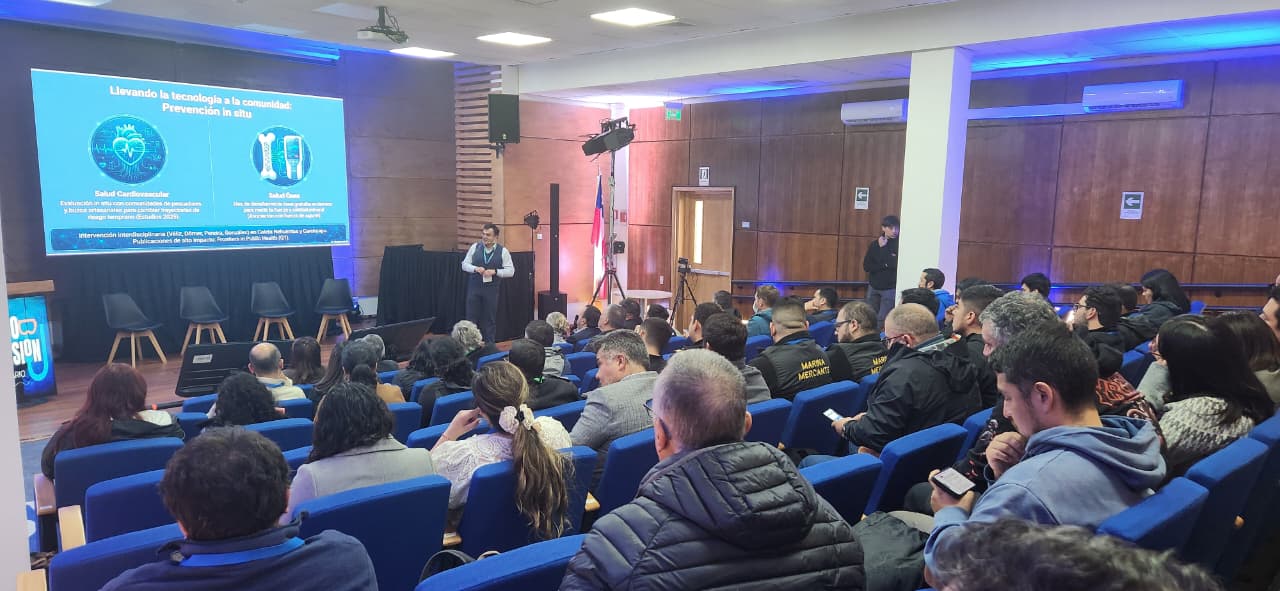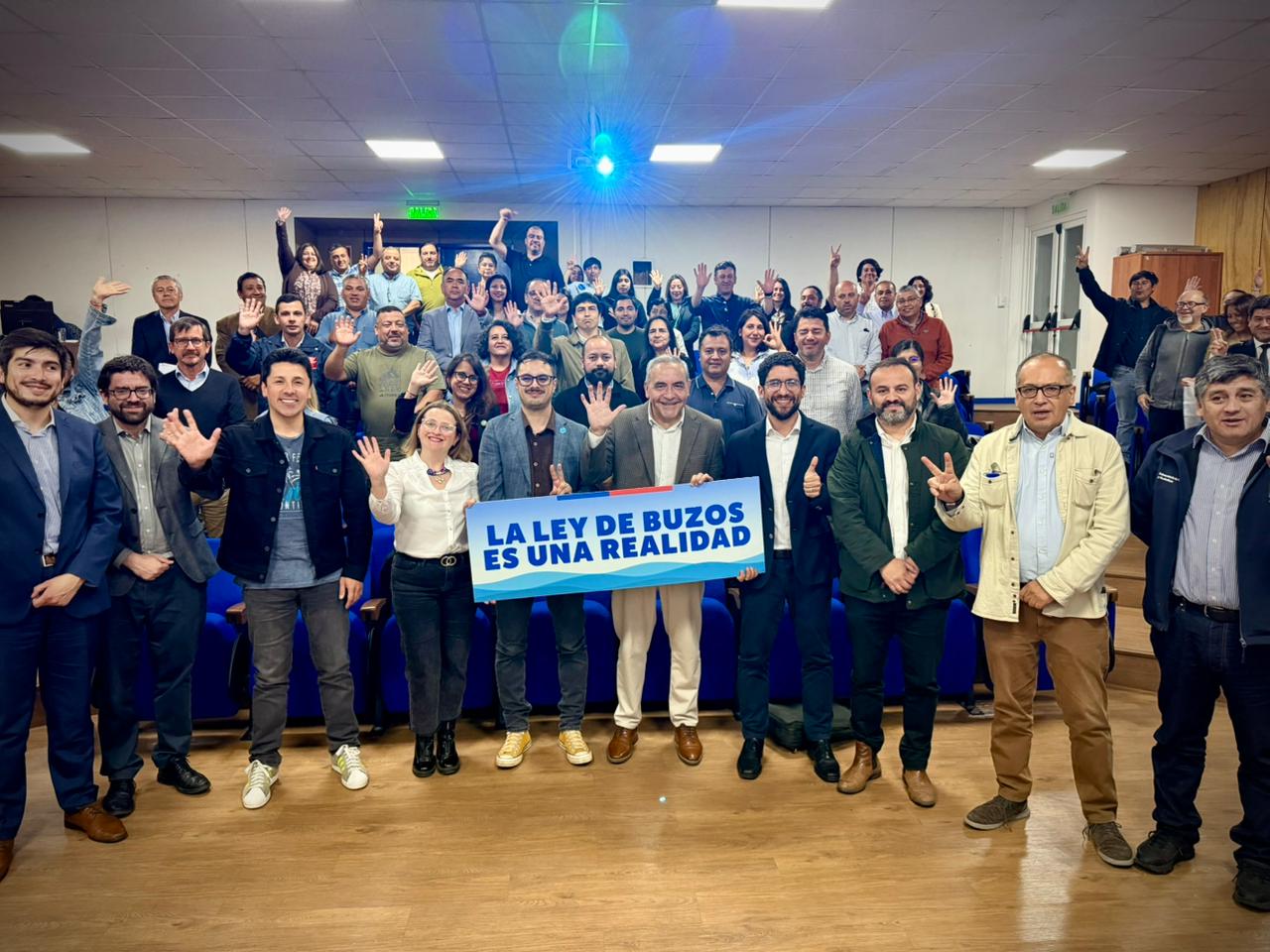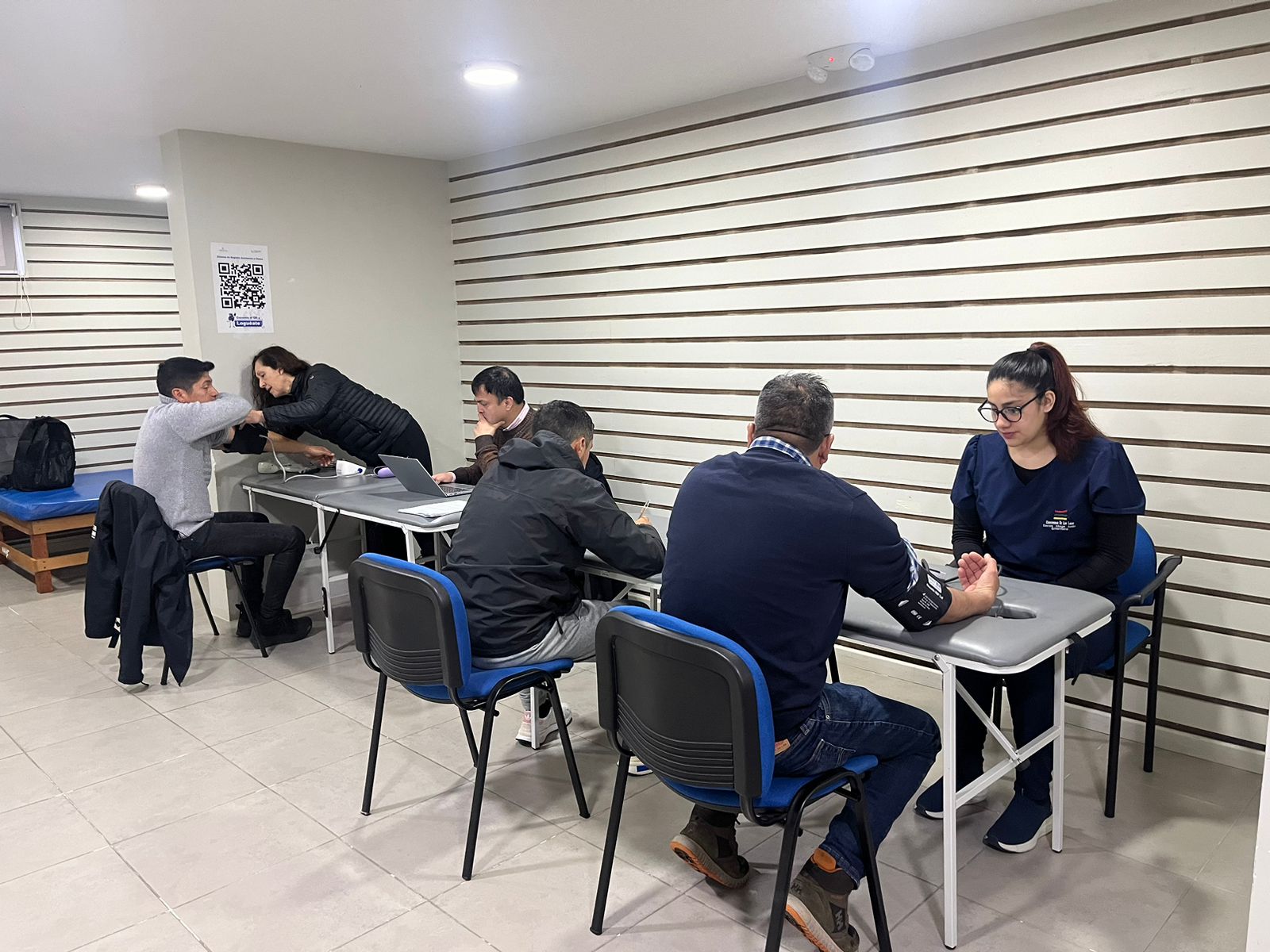
In the town of Carelmapu, commune of Maullín, the University of Los Lagos presented the research project "Health Profile of Divers from the Southern Macrozone", which started activities in August and to date has a hundred men and women dedicated to diving and industrial and artisanal fishing, who wanted to join this initiative.
It is a project that obtained funding in the internal competition Territorial Research Networks (RTI) from the University of Los Lagos, a fund that has as its purpose the addressing of regional issues relevant to local and/or regional development, promoting the co-construction of knowledge through collaboration with priority sectors of the regional society.
The project is led by the Doctor Alex Veliz, academic of the Psychology degree at Puerto Montt Campus and has an interdisciplinary team, which includes the academic Raquel Pereira from Physical Education Teaching; the vice-rector Anita Dörner, an academic from Nursing and Edgardo González, an academic from Kinesiology. Also collaborating are foreign researchers and volunteer students such as Danae Aliaga and Matilde Beherens from the Nursing program and Javiera Cárdenas from Physical Education Teaching. "It has really been a very nice experience. Listening and seeing the people from the sea, who leave very happy and grateful from the University, with this institution that provides them with state-of-the-art equipment, at no cost," he emphasized. Anita Dörner, vice-chancellor of the Puerto Montt Campus.
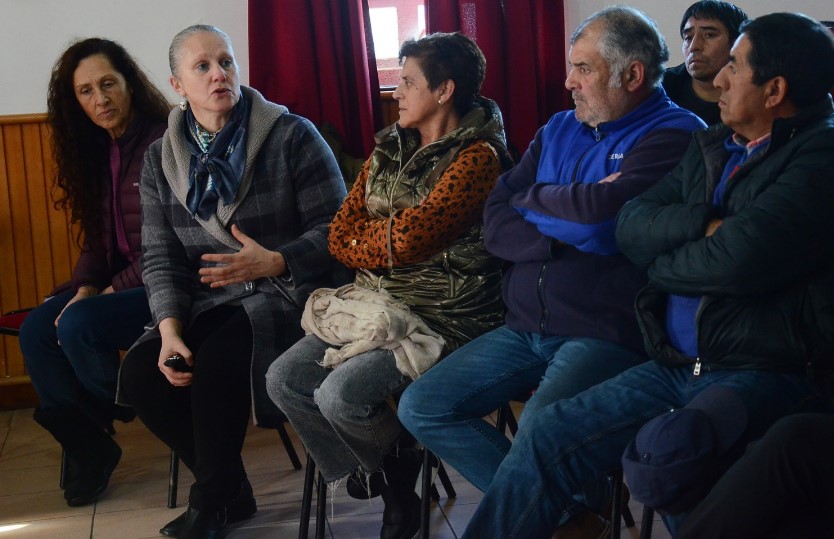
As explained by Dr Alex Véliz, this large turnout highlights the need to address the living and working conditions of a significant number of workers engaged in maritime activities, who constitute an essential component for the development of the industry. "In a short time, the project has grown surprisingly. Because it started in a limited scope, but today, in addition to attracting people from industrial fishing companies and salmon farming companies, we are working with several Caletas and artisanal fishermen's unions"We believe we have done quite well, because so far we have evaluated a hundred people," said Dr Véliz.
According to the researcher, the initiative aims to build a health profile of the divers in the southern macrozone, particularly those who work in different areas of maritime activities. The objective is to collect physical and mental health indicators, to build an overall health profile and propose actions for individual well-being, but also contribute with a proposal for the development of public policies.
The research collects blood pressure, physical activity and psychological well-being parameters, using as one of the tools, the densitometer which is installed in the building at Guillermo Gallardo #450, in the center of Puerto Montt.
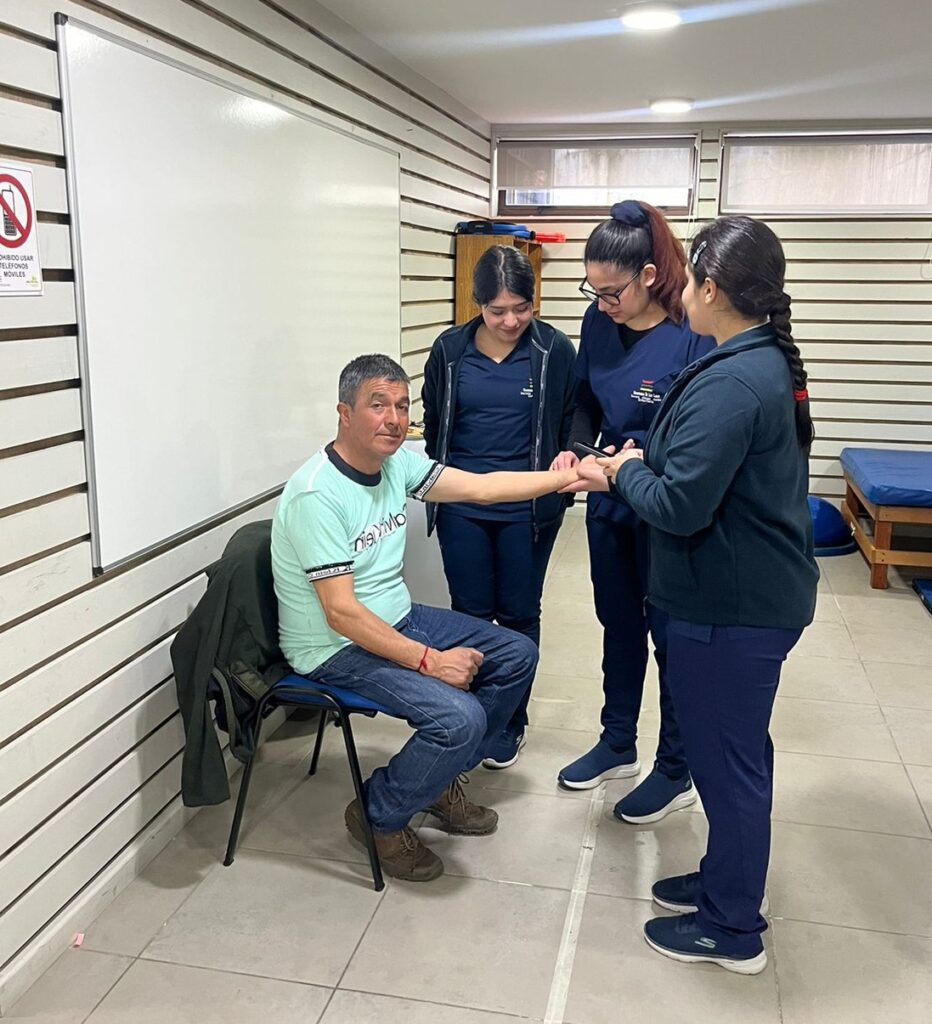
It is a community service program, aimed at generating improvement and preventive actions in the health of men and women of the sea. "The idea is to monitor the group of people, generate work guidelines for a better quality of life and in terms of quality, collect life stories from the fishing villages," said Dr Véliz.
The project has thrived due to the positive reception from fishermen and shore collectors, as well as companies providing services to the salmon farming industry. "We hope to expand into the southern macrozone, from Temuco to Punta Arenas and the coves of the Reloncaví Sound, because we believe this research can increase its impact in scientific terms and in linking with coastal communities," added Véliz.
In the presentation of the project, the mayor Nabih Soza, mayor of Maullín, evaluated the initiative positively. "It is interesting because it can benefit all the divers in the commune, to establish actions and improve their health as well as generate preventive measures. For this reason, divers from other areas in Maullín will be called upon to learn about the initiative which is free of charge, and which could prove extremely useful for people from the sea," he emphasized. Soza.
Images courtesy of Universidad de Los Lagos.