The head of Labor stated that with the new legislation, the country is paying a historical debt to the sector, which for the first time is incorporated into the Labor Code.
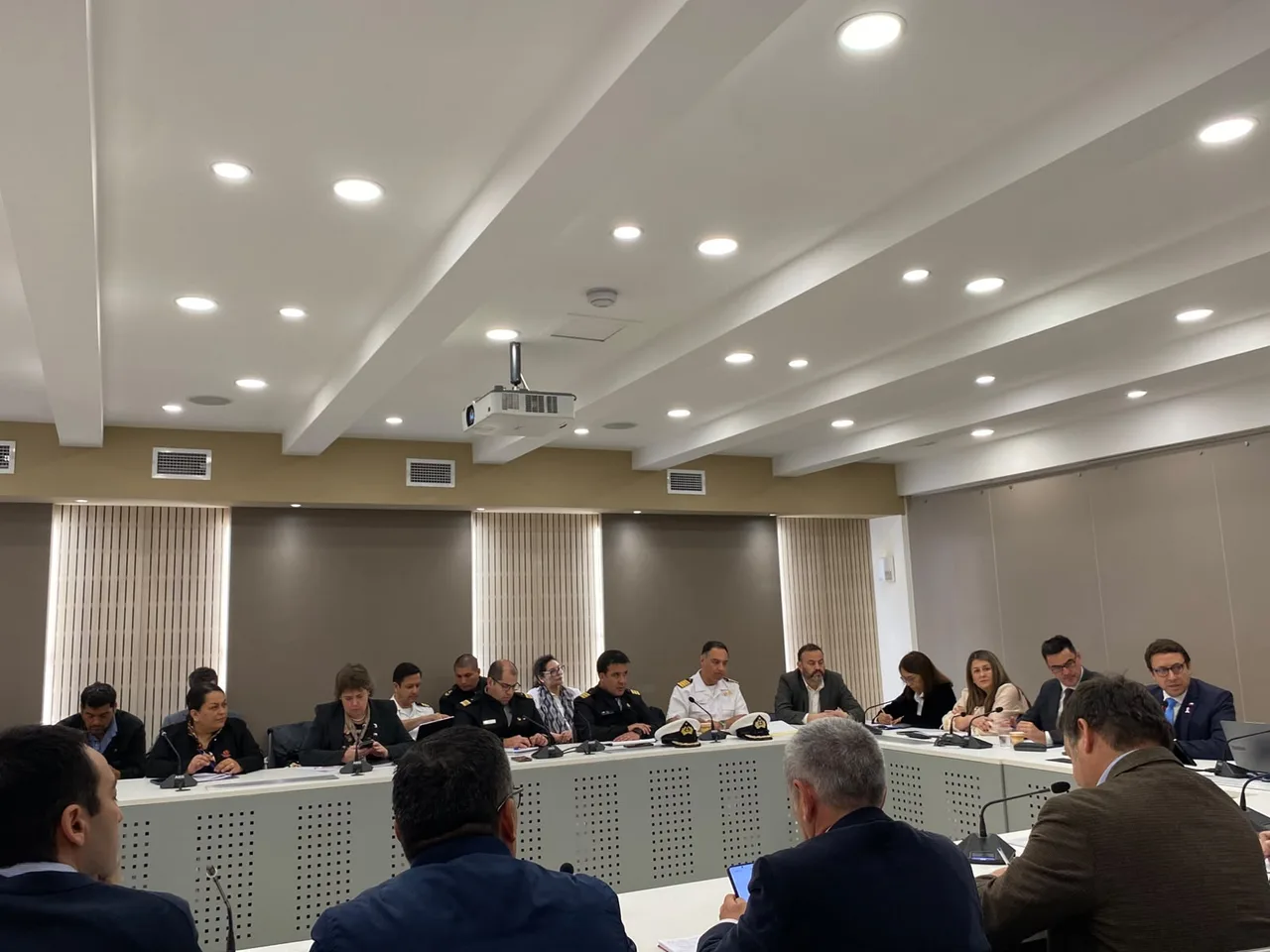
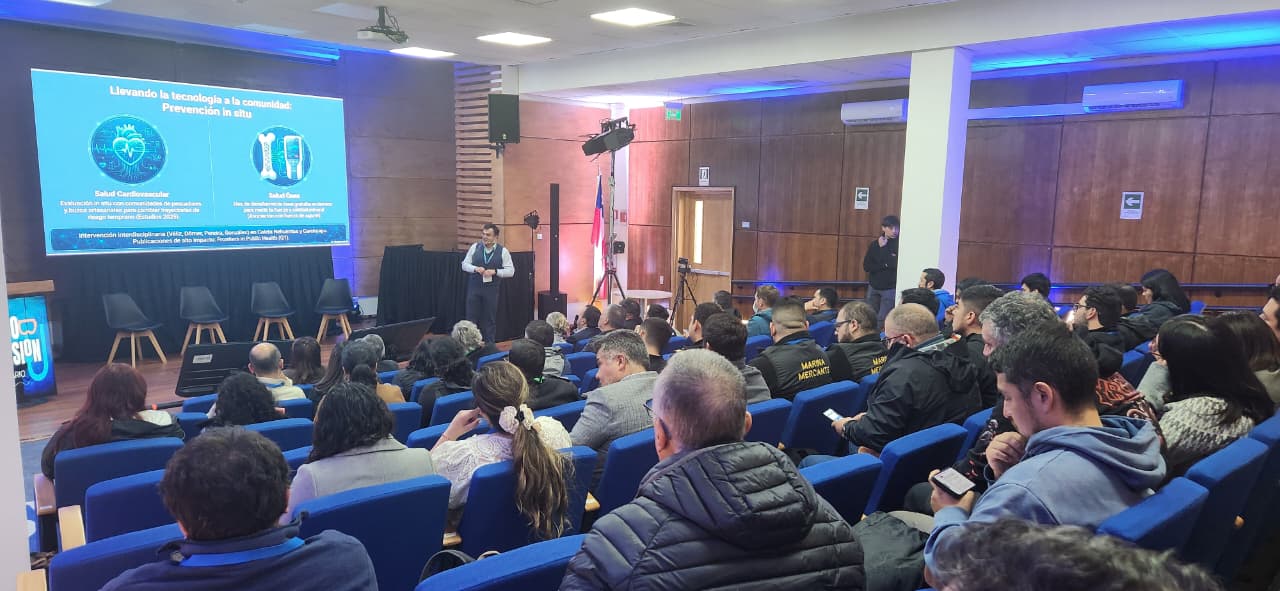
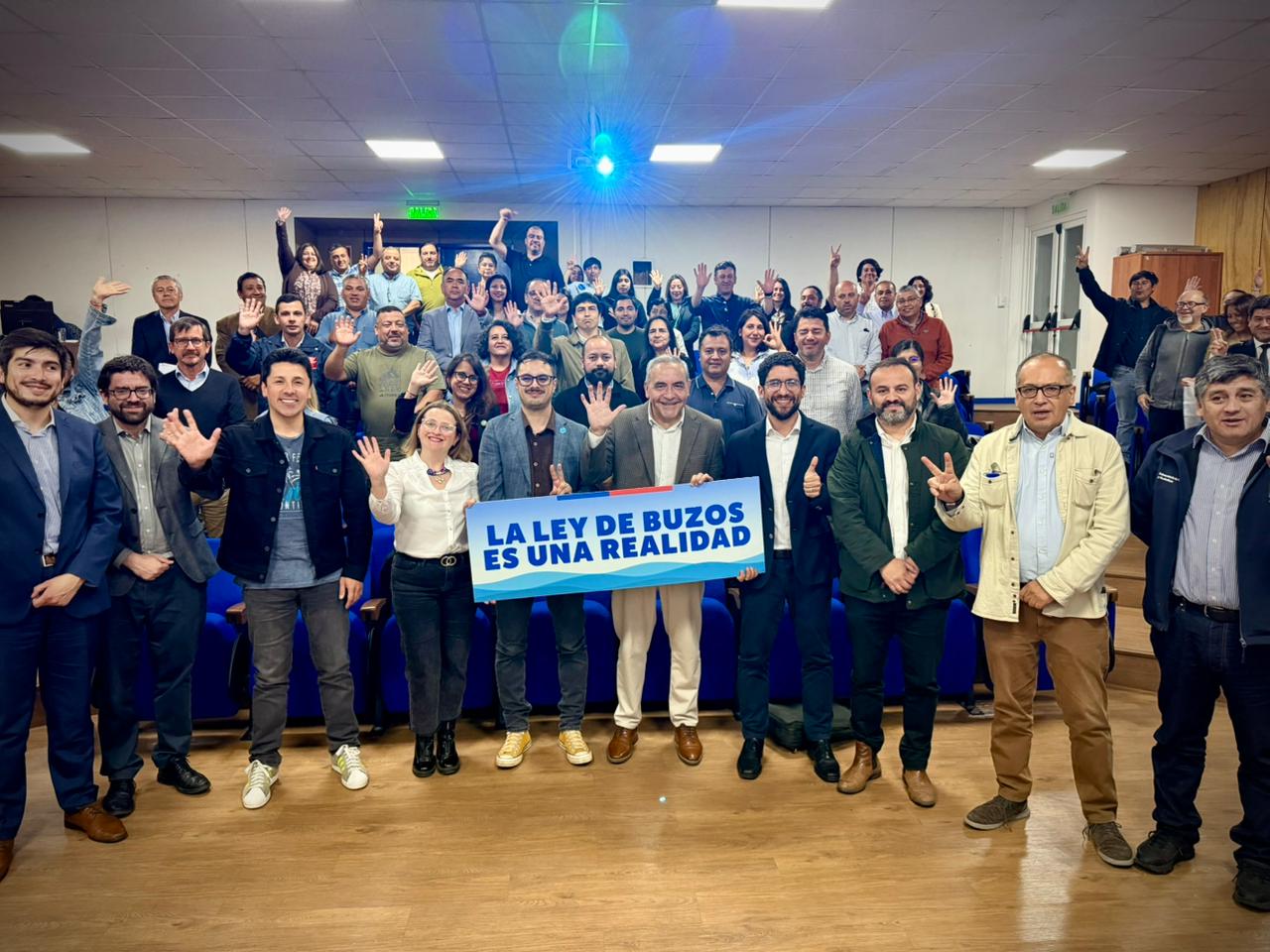
As a recognition and a substantial advance to improve their working conditions, the Minister of Labour and Social Security, Giorgio Boccardo, presented the Law that creates the special diving contract and related activities before representatives of workers and employers in the sectorat a celebration event held at the University of Los Lagos. The occasion also saw the attendance of Senator Fidel Espinoza, and deputies Alejandro Bernales, Mauro González, Jaime Sáez and Héctor Ulloa; as well as the regional director of Labor and Social Security of Los Lagos, Ricardo Ebner.
The authority explained that this project was born from social dialogue between unions, parliamentarians and productive actors in salmon farming and artisanal fishing, which allowed it to be presented to Congress in July 2024 and approved last November. The initiative recognizes for the first time the activity of professional diving in the Labor Code, establishing specific standards for safety, health, supervision and responsibilities. for this sector.
Regarding this, Minister Boccardo highlighted the emblematic nature of the law and the historical debt it settles: "We are very happy to be here today with the divers' unions from all over the country, particularly here in the Los Lagos Region, because this is an emblematic law that creates a special contract which recognises the hard work these workers carry out. It establishes new safety and health standards, new" Responsibilities for the employers and a more robust monitoring system, with technologies that will allow safeguarding immersion and rest times. It is the State's response to a historical debt with a sector that carries out risky and fundamental work for the country's economy.
The State Secretary emphasized that it is a law that not only recognizes a demand that has been felt for decades, but also clearly tells the country that Decent, safe work with rights is a priority of the State of Chile.
From the union world, Jorge Cárdenas, president of the National Divers Union "Hijos del rigor", valued the direct impact the law will have on the protection of workers' lives: "The work we did to get this law through was long. Many trips to Congress, leaving family and work behind, but it had its reward. This law comes to save lives. I keep diving and have seen colleagues who have died due to lack of supervision." and with deficient teams. This law comes to strengthen all of that. That is what we want."
Among the workers benefited are professional divers in salmon farming, aquaculture, underwater inspection and maintenance of maritime structures; subcontracted workers and teams of operations historically exposed to risks with little regulation; and labor communities from regions such as Magallanes, Aysén and Los Lagos, where the marine industry has a strong economic presence.
The initiative recognizes the professional work of diving, establishes a special contract for the sector, incorporates stricter safety and occupational health standards, improves access to hyperbaric chambers and creates a Diver Service Register, tools that will enable stronger supervision and reduce accidents. Likewise, it sets December 18 as National Divers Day, a date linked to the anniversary of National Divers Union of Chile.
Content of the bill project
Among the subjects addressed by the law are:
- Recognition of the diving work contract: It is proposed to include in the title of the contract of seafarers or maritime workers and temporary port workers established in the Labor Code, the diving contract and related activities, establishing its scope of application and respective definition.
- Regulation of health and safety in divers' work: It is sought to regulate the obligation of employers to provide all the necessary technical means and safety equipment to perform diving tasks.
- Responsibility of the owner of the work, processing plant or company in charge of carrying out the tasks: In order for divers working in diving operations to have better protection, the responsibility is placed on the owner of the work, operation or company that orders the tasks to be carried out.
- Main company obligations: Specific responsibilities are established for main companies, for example, rescue devices; control procedures for their infrastructures such as rafts, cages, platforms and floating warehouses; procedure and minimum first aid equipment applicable to diving operations, among others.
- Electronic record of documentation and attendance record: Diving companies will need to have a specific electronic record to monitor compliance with immersion and rest times according to technical standards of DIRECTEMAR. On the other hand, the attendance record must also be kept electronically.
- Regulation: Without prejudice to the current technical regulation on diving issued by the Ministry of Defence in accordance with its competencies, the Ministry of Labour and Social Security, in consultation with the Directorate of Labour, the General Directorate of Maritime Territory and Merchant Marine, and the Superintendence of Social Security, will issue a regulation on occupational safety and health for the practice of diving work.
- Chile Valora Certifications: It is now possible to access the certifications granted by Chile Valora.
- Diver service recordA diving services register is created to strengthen supervision and ensure safety at work.
- Action protocol in case of accidentsIt includes the development of a protocol to deal with accidents, considering especially those due to decompression, allowing timely access to hyperbaric chambers.
- National Day of the divers of Chile: December 18th is established as National Divers Day.
- Validity: The bill provides for entry into force on the first day of the sixth month