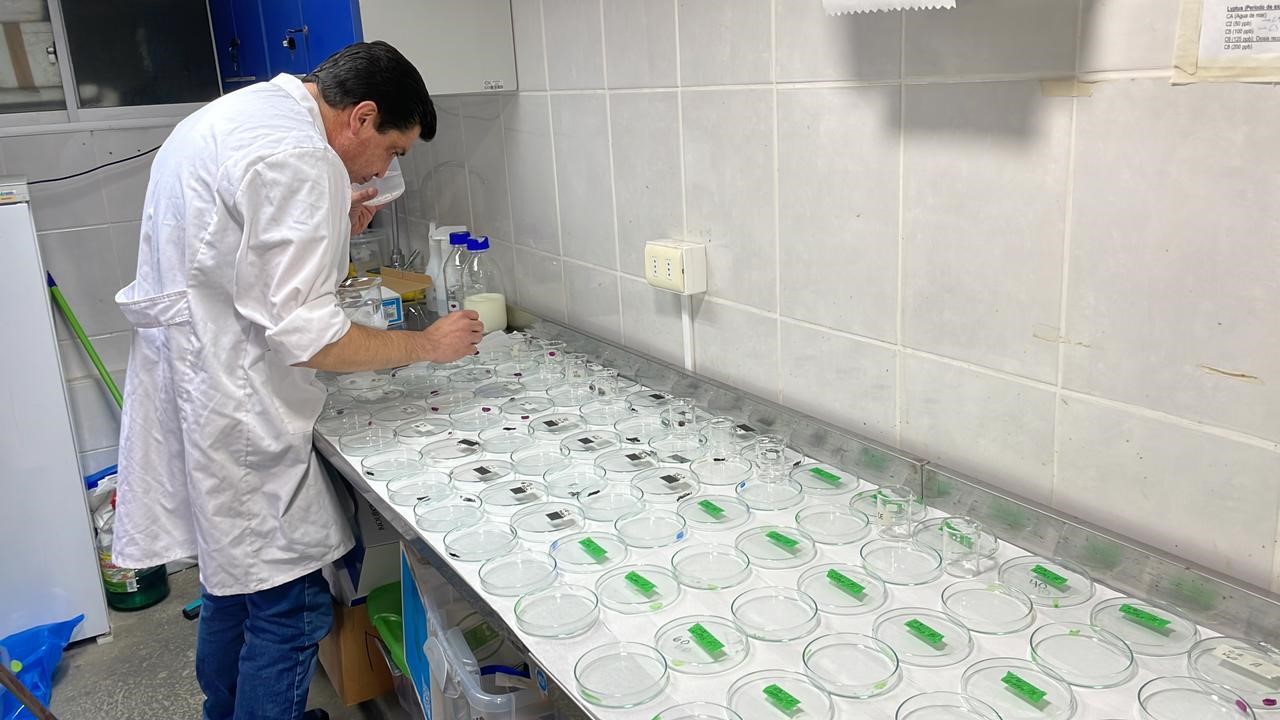
The event brought together representatives from the public sector, the industry and the scientific community, with the aim of sharing the main advances of the program, which has now been continuously implemented for eight years.
Wednesday 25 June, the Fisheries Development Institute (IFOP) held the virtual dissemination workshop of the program results Detection and monitoring of resistance Caligus rogercresseyi to antiparasitic agents applied in national salmon farming. Stage VIII (2024–2025), an initiative that seeks to strengthen technical knowledge and support health decision-making in the salmon farming industry.
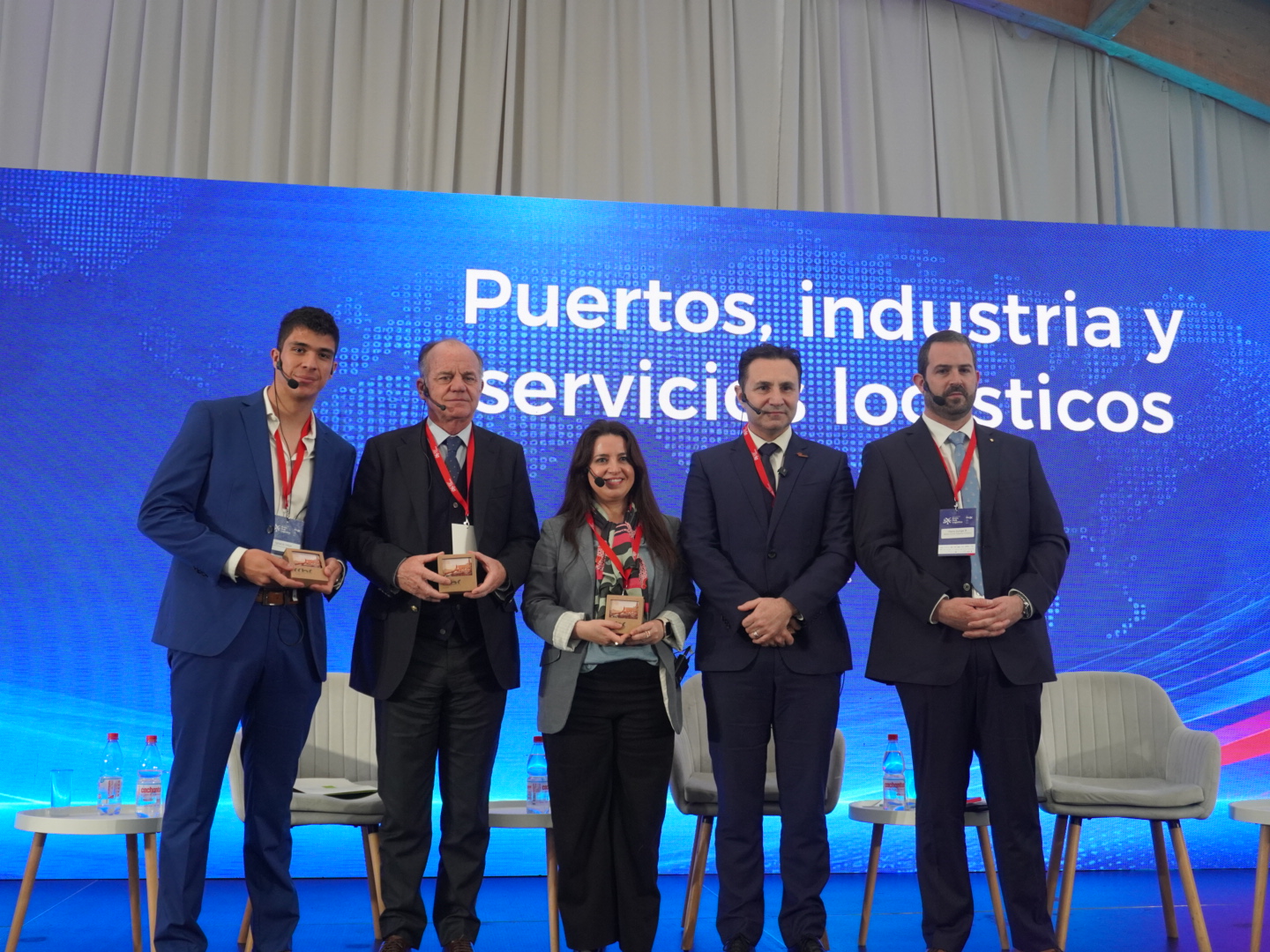
The event, organized by the Hydrobiological Health Department of IFOP, brought together representatives from the public sector, the industry and the scientific community, with the aim of sharing the main advances of the program, which has now been continuously implemented for eight years.
Dr. Jaiber Solano Iguarán, senior researcher at IFOP, highlighted that to date 254 valid bioassays have been carried out in 95 samples, covering 28 Salmon farming Areas (ACS) in the Los Lagos and Aysén regions. During this period, the susceptibility of the parasite has been evaluated mainly against azamethiphos, deltamethrin and cypermethrin.
The results show variations in susceptibility profiles between compounds and geographical areas. In the case of azamethifos, an increasing trend in the EC50 value (median effective concentration, that is, the dose that affects 50 % of the exposed parasites) was observed, which reinforces the importance of diversifying the available control tools and monitoring their effectiveness over time. In contrast, the EC50 values for deltamethrin and cypermethrin showed a tendency to decrease, which could indicate a better response of the parasite to these compounds in some areas.
In addition, methodological advances of the program were highlighted, such as the analysis of parasite morphometry and its association with environmental and treatment variables, as well as the beginning of bioassay validation for non-pharmacological compounds. At this stage, evaluations with hydrogen peroxide and plant extracts were included, opening new lines of work around products currently in use in the industry.
Joint work between the Undersecretary for Fisheries and Aquaculture (Sub-fishing), the National Fisheries and Aquaculture Service (Sernapesca) and the FIFG has been key in the development of this programme, which will continue with new activities during the second half of 2025. As indicated by Dr. Solano, future challenges include the study of genetic connectivity between Caligus populations, the expansion of the geographic coverage of the program and the strengthening of the temporal analysis of susceptibility profiles.