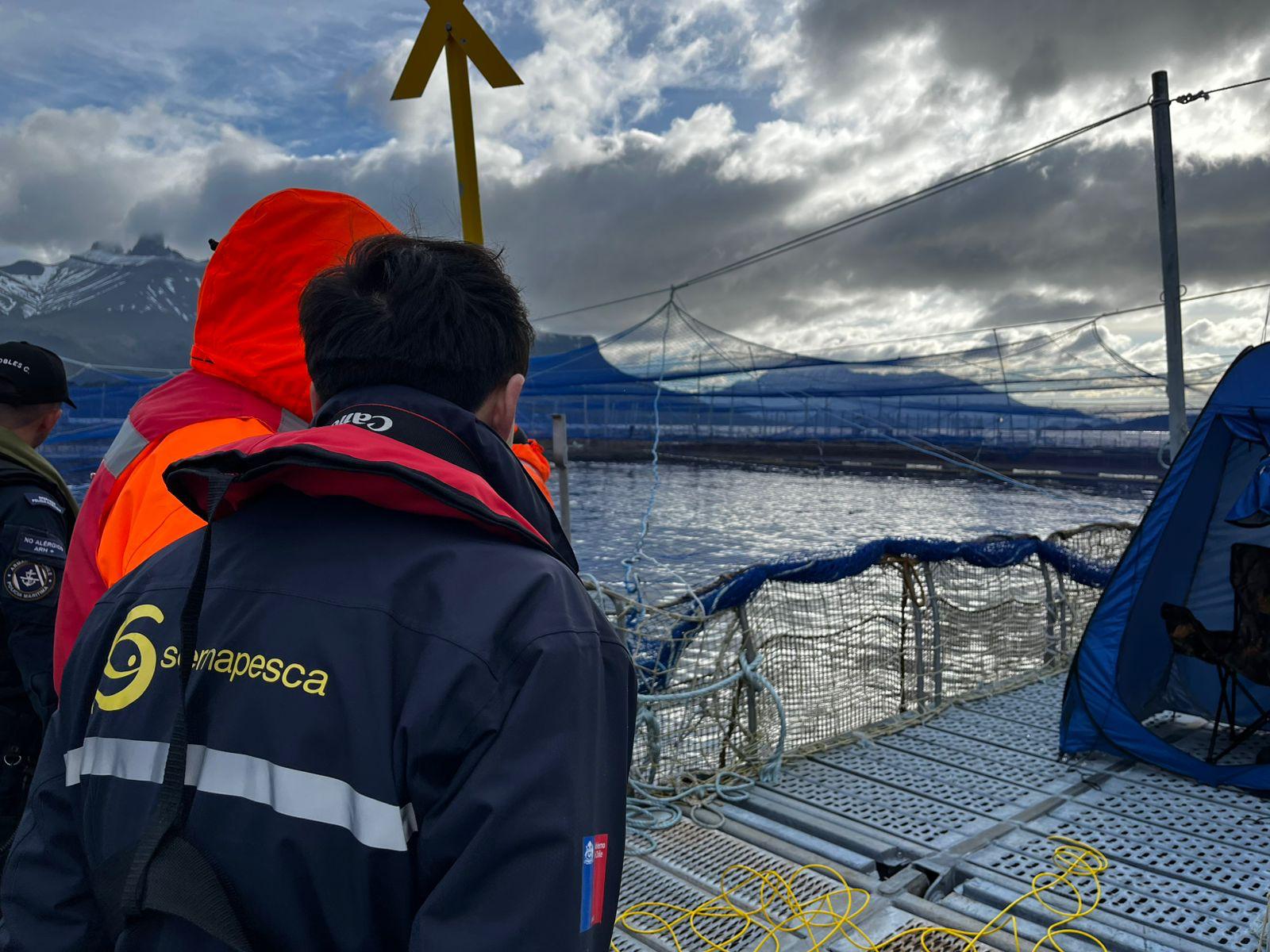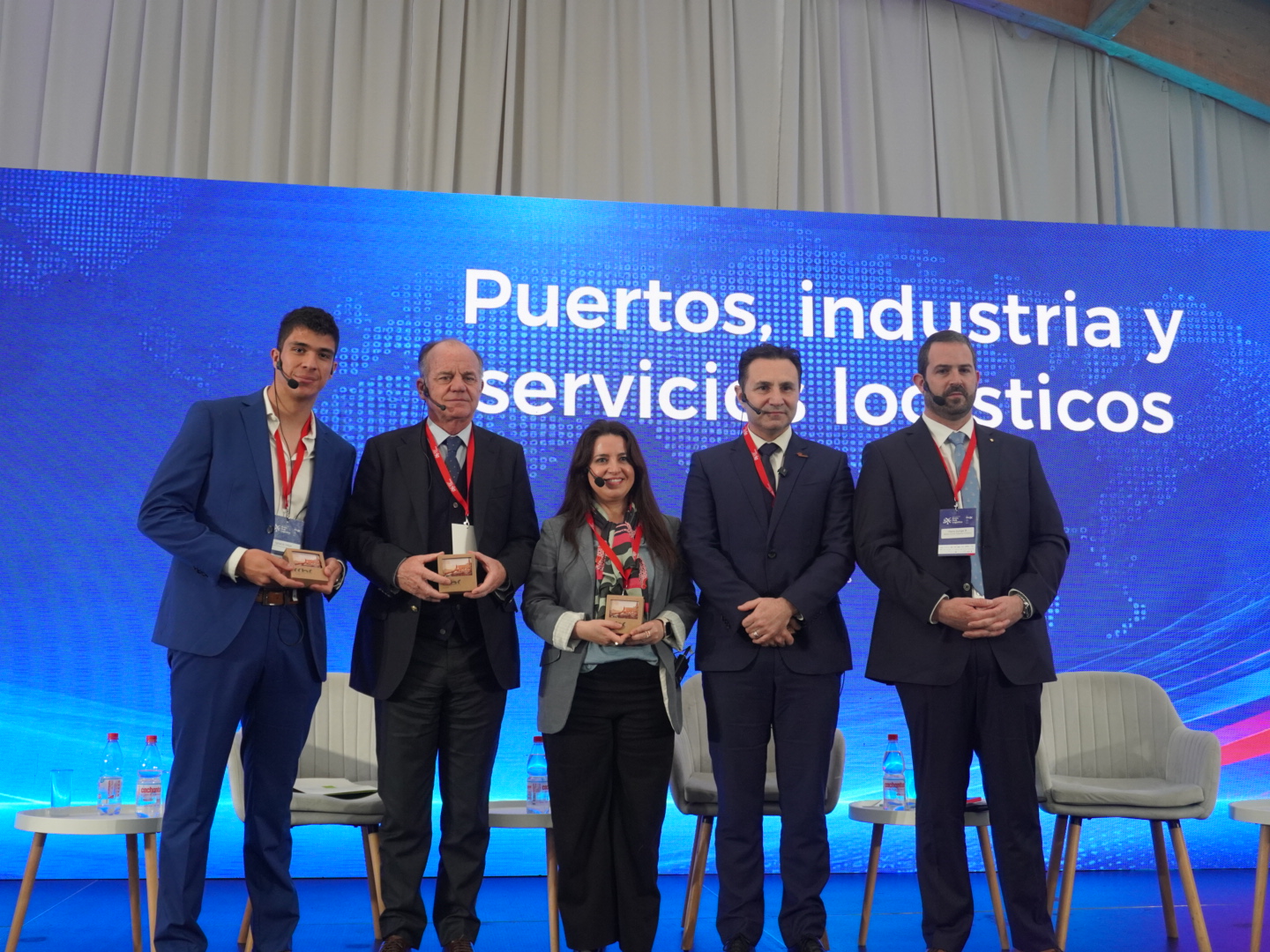
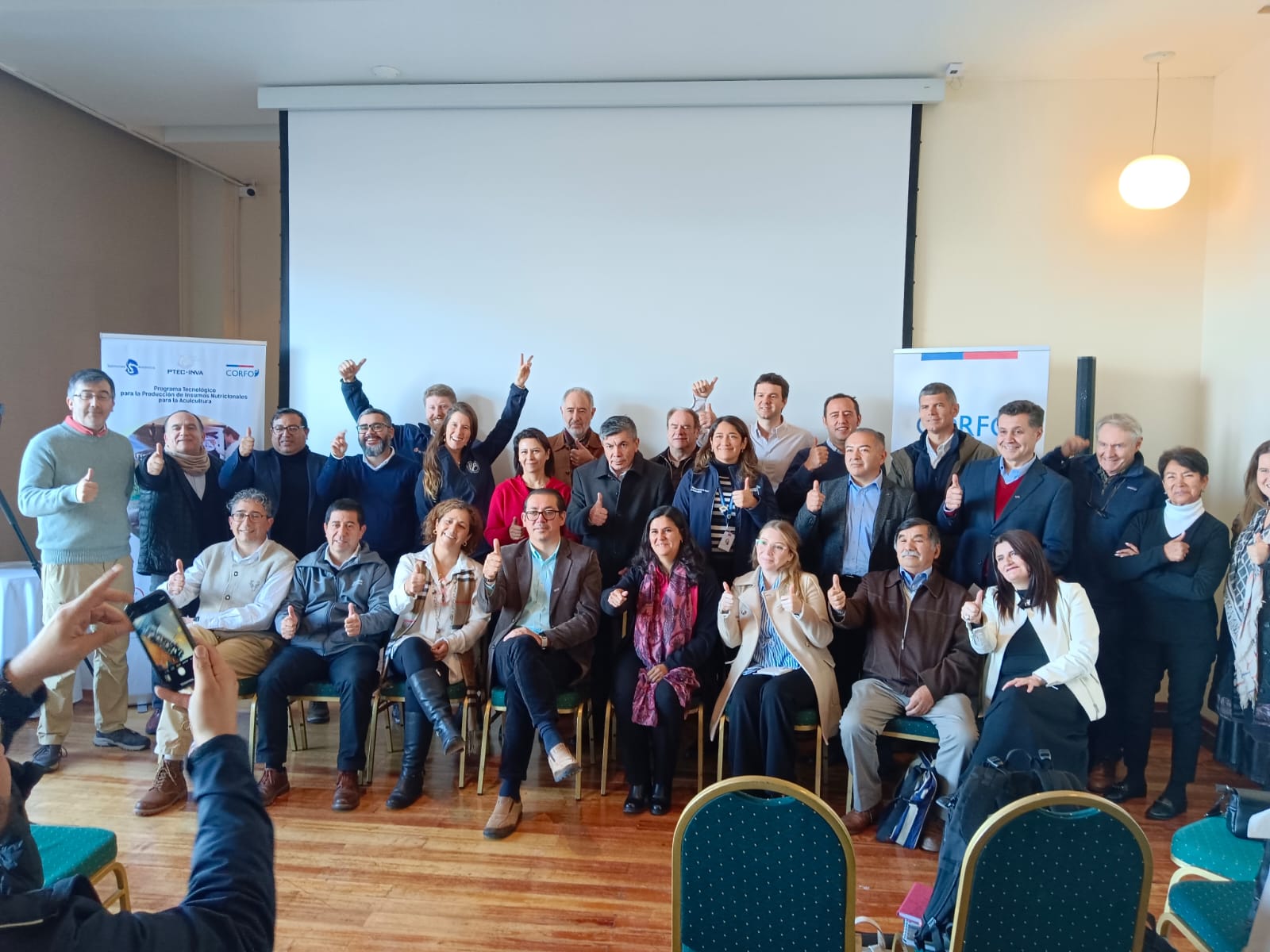
The event was attended by public and private officials, academics and small-scale aquaculture.
This Thursday 23 May, in the city of Puerto Montt, Los Lagos region, the Corporation for the Promotion of Production (Corfo) carried out a new version of its Aquaculture Summit. Under the slogan "Advancing towards Sustainable Food Security for Chile and the World", the event featured the outstanding participation from representatives of different areas of the aquaculture sector, both in person and remotely.
Macarena Aljaro, Director of Technological Programs of Corfo, welcomed the attendees, highlighting the importance of this meeting “to share and celebrate achievements in national aquaculture”.
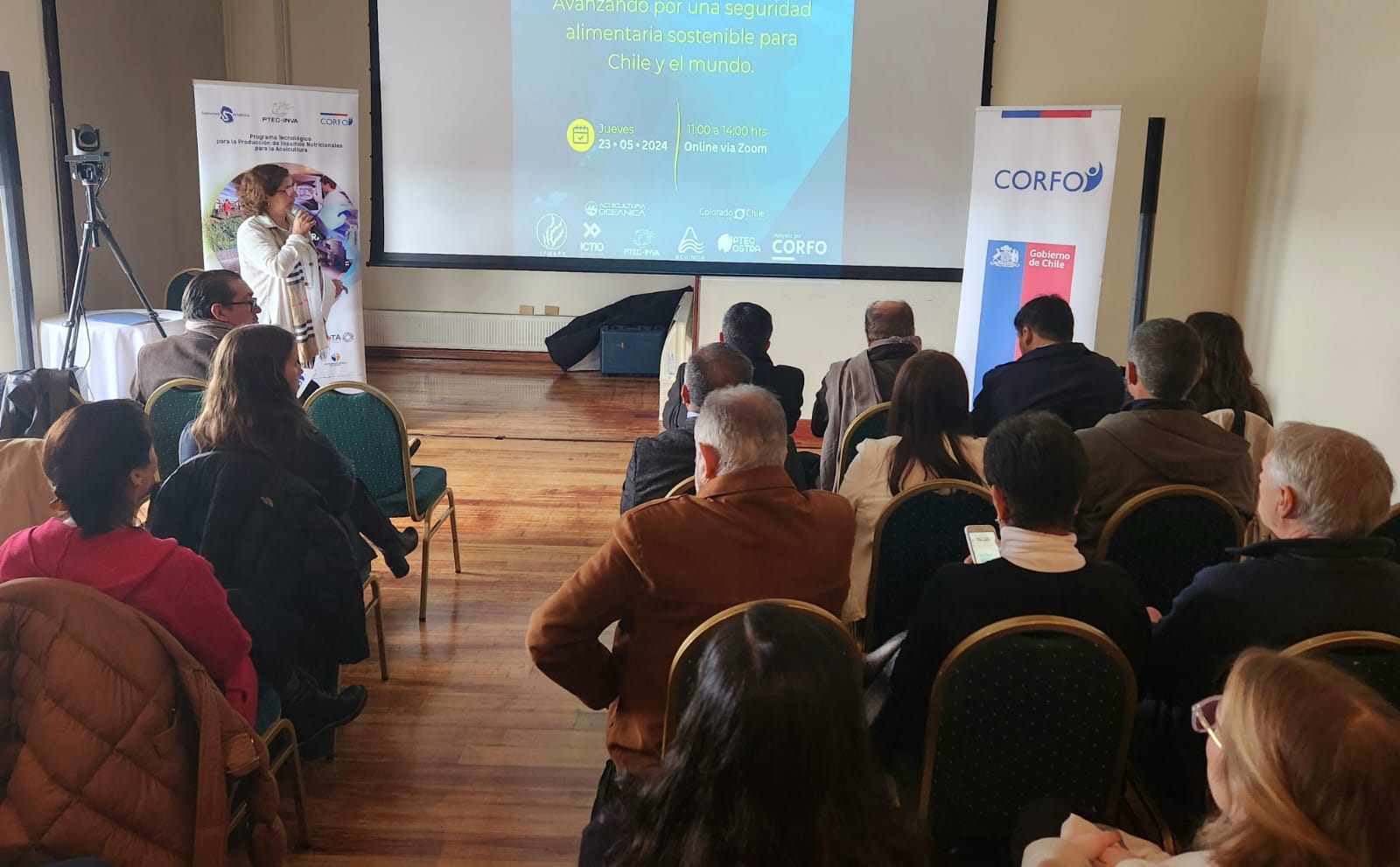
During the day, the results of programs that are finalizing, as well as the progress of new initiatives aimed at enhancing the sustainability and the diversification of aquaculture in Chile.
Highlights include: achievements in the cultivation of different species, its technological packaging and the incipient marketing of products. In addition, progress in the production of inputs and services for the salmon industry, and new projects were presented for closing gaps in the industrial aquaculture sector, small-scale aquaculture (APE) and the artisanal fishing.
The event was attended by important public figures from the sector, including the Undersecretary of Fisheries and Aquaculture, or via telematics. Julio Salas Gutiérrez; the head of the Aquaculture Division of the Under-Secretary for Aquaculture and Aquaculture (Subsecretariat), Constance Silva; from the Deputy Director of Aquaculture of the National Fisheries and Aquaculture Service (Sernapesca), Monica Rojas; of the regional director of ProChile The Lakes, Ricardo Arriagada; from Corfo's Technology Capabilities Manager, Fernando Hentzschel; and the regional director(s) of Corfo Los Lagos, David Espinoza.
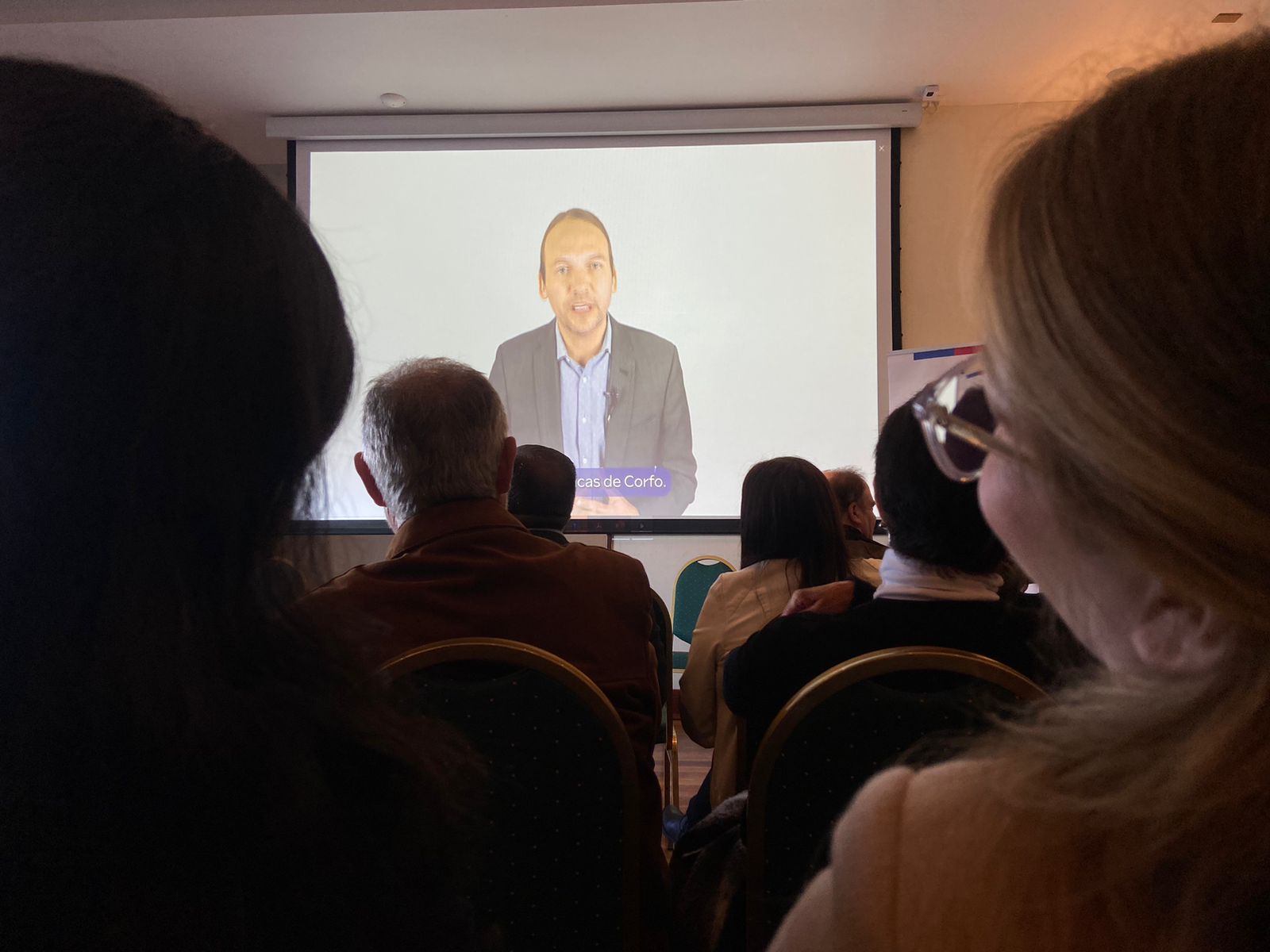
“We’re Very happy., like Corfo Los Lagos, that the Aquaculture Summit will be held this year in Puerto Montt with the possibility of hear the progress of these technological programmes (PTECs), together with knowing Early fruits that these have had,” said David Espinoza.
Module 1
The day began with a presentation by the head of the Aquaculture Research Division of the Fisheries Development Institute (FIFG), Gaston Vidalwho spoke about the contribution of aquaculture to the food security.
Subsequently, the first module of the Summit, entitled “Aquaculture Diversification for Food Safety”, was launched, in which four programmes developed in different regions from the country.
This is the “Seriola Programme”, which was presented by Gustavo Parada de Acuinor. This initiative focuses on the cultivation of the species Seriola lalandi in the Northern Chile, using Intensive recirculation and promoting production sustainable.
“Congrio Program”submitted by Piero Magnolfi de Colorado Chile, which has developed a technology of cropping on land for the species congrio colorado, promoting a value chain sustainable development and a final product of high quality.
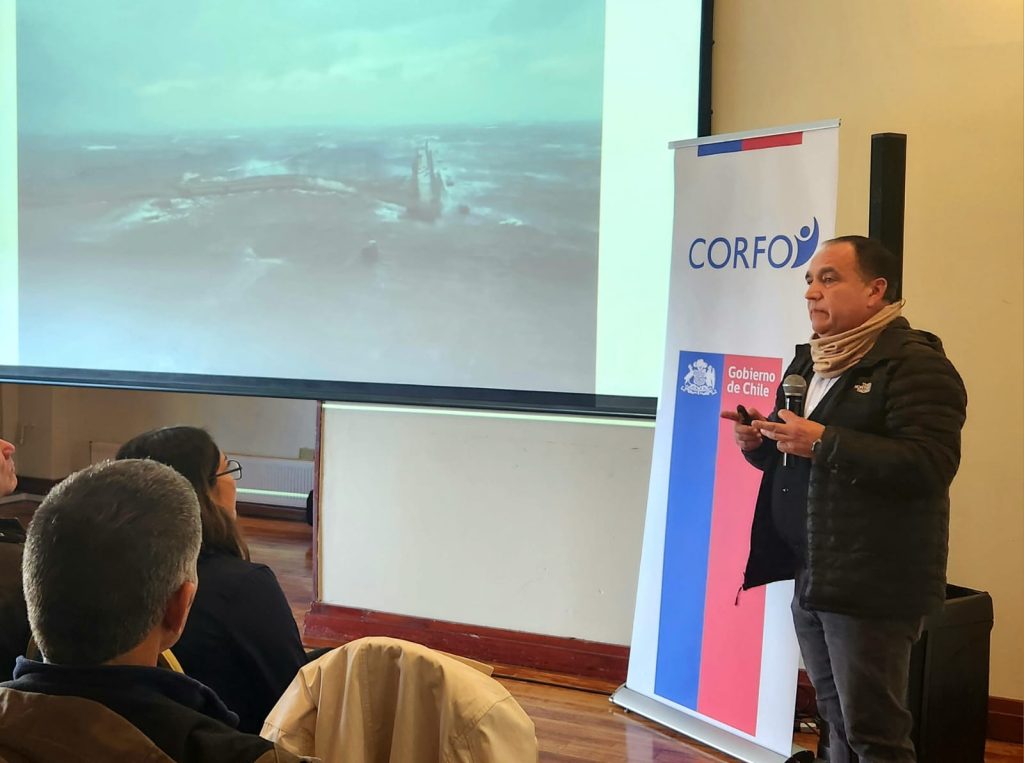
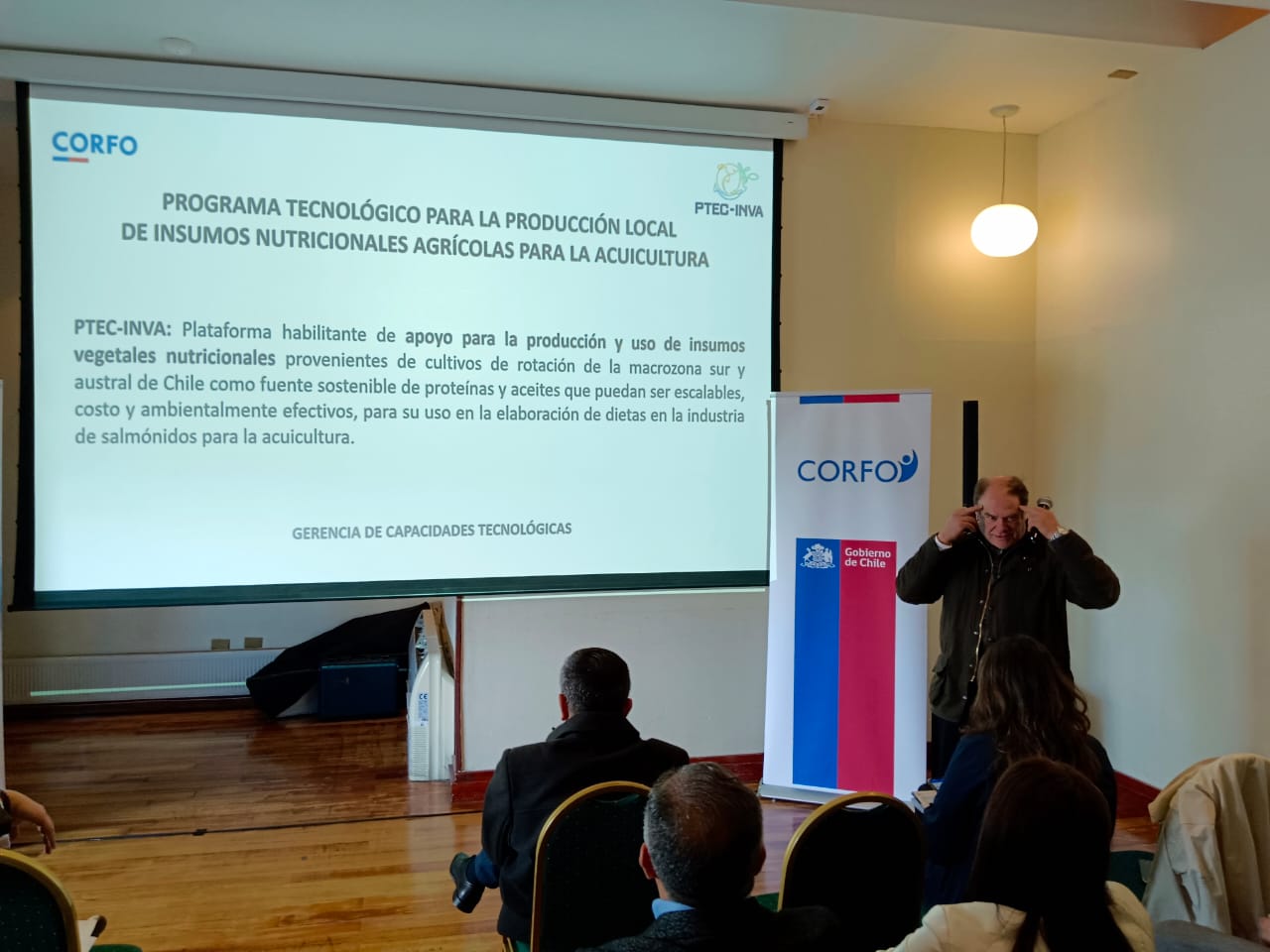
“Consortium of Ocean Aquaculture”, which was presented by Gonzalo Romeroand which seeks to modernise national salmon farming through the development of technologies for aquaculture in exposed areasstrengthening local suppliers and maintaining competitiveness international.
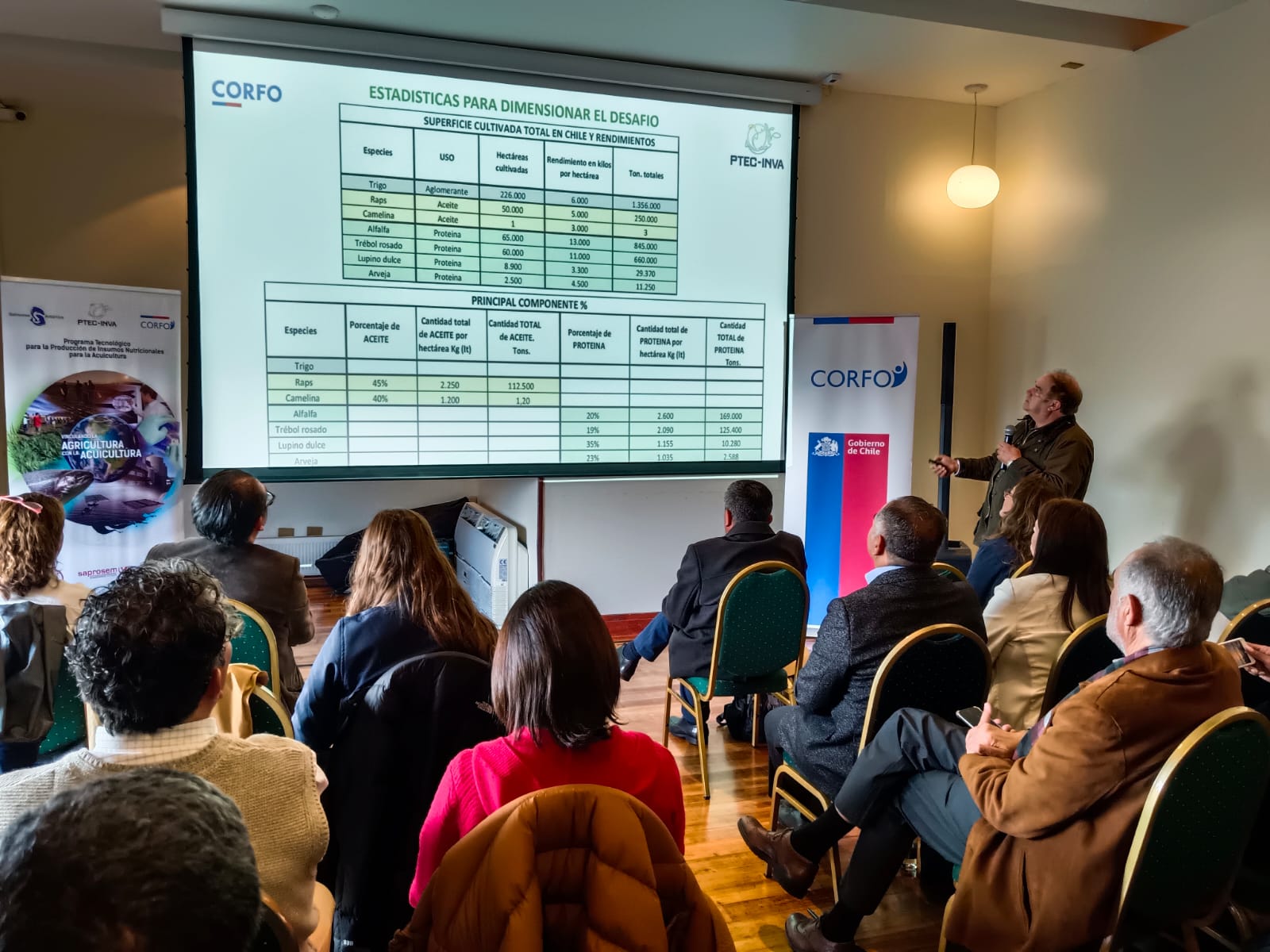
Whereas the Dr Daniel Nieto Díaz-Muñoz presented on the Technological Program for the Local Production of Nutritional Insumes for Aquaculture (PTEC-INVA) that already in its third year of implementation – out of a total of five – is demonstrating the way in which creating a third industry from the link between the agriculture with the aquaculture.
In relation to the expectations of the various PTECs promoted by Corfo in aquaculture matters, David Espinoza answered that one of the fundamental objectives “is to promote the diversification of the main species of the Lakes region, which are the Salmonids and the mussels, and also help complement the salmon industry through initiatives such as the PTEC-INVA”.
New programmes
The module 2, entitled “New Programs from Aquaculture Sustainability”, began with the exhibition of the academic of the Department of Aquaculture of the Catholic University of the North (UCN) and director of the Japanese oyster technology program (PTEC), Rodrigo Rojas.
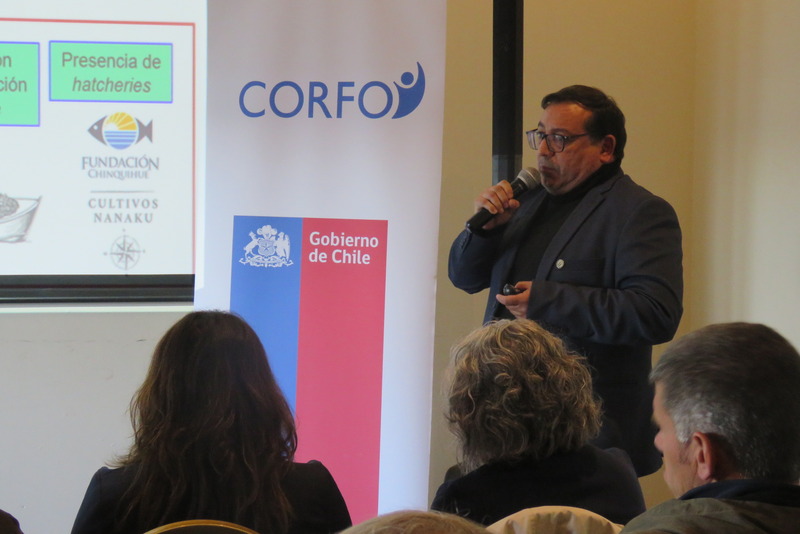
This initiative seeks to reactivate the ostrictive industry that once existed in the country but that for health reasons (export health barriers) was stopped producing and exporting, with only one Seed consisting mainly of Finalize de Chile Foundation. Then, this company stopped growing, which led to a notable decline in oyster production.
“This caused no one to supply the seeds of the resource. In this context, one objective of the project, in its first phase, is to produce seeds and to fill one of the most important gaps in the sector that is to obtain quality seeds standardized, since the ones produced until then did not have the same yields in the different cultivators, or in the different cropping areas“ Rodrigo Rojas said.
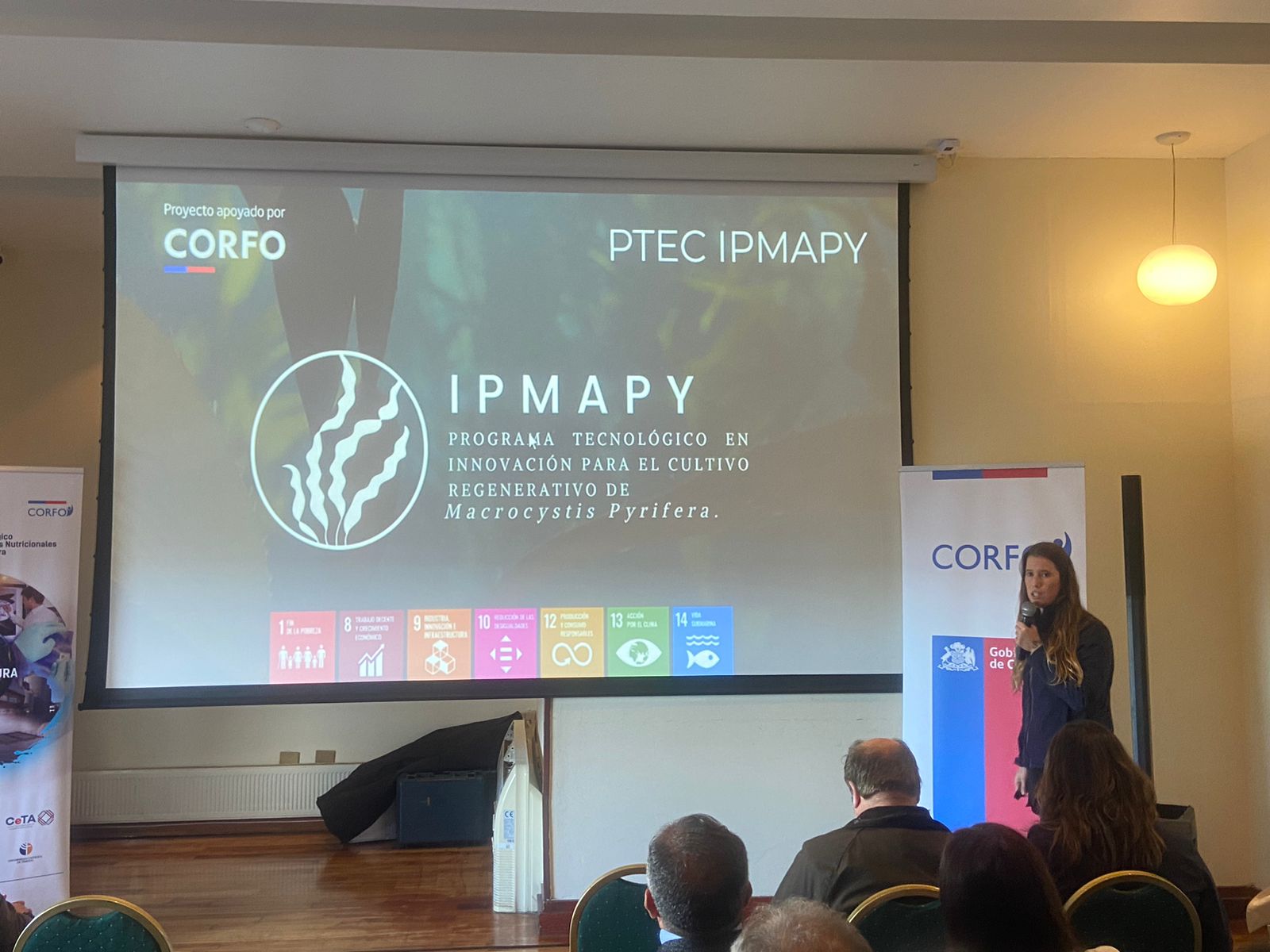
For her part, the co-founder and director of operations of Huiro Regenerative, Maria José De La Fuente, emphasized that, as a company and consortium promoted by Corfo, they “firmly believe that models based on collaboration will enable us to respond in time to the challenges that today require us to resolve the climate crisis and, therefore, food.”
In the same vein he stressed that the Aquaculture Summit is a unique opportunity to share knowledge among the various PTECs. In turn, being open online, it serves as educational material for those in early stage production.
“With the support of Corfo we were able to prepare a educational event with space to make networking between programs and that is in Puerto Montt, our regional capitalIt does, too. very special“ Maria José De La Fuente said.
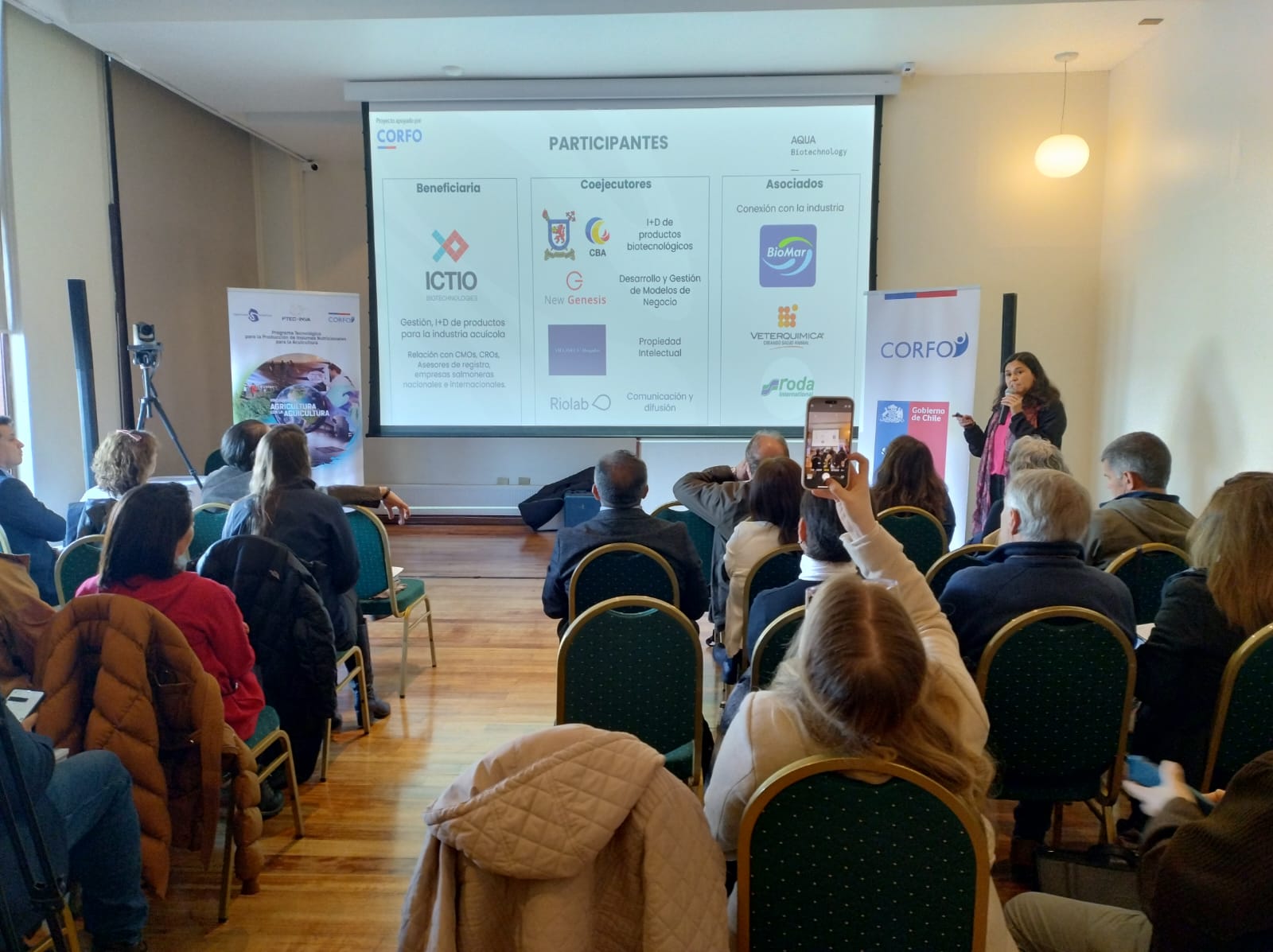
To close module 2, the general manager of Aqua Biotechnology, Alicia Lucero Baeza, spoke on behalf of ICTIO Biotechnologys about how this Corfo-driven consortium is delivering sustainable solutions and of last generation for Prevention and disease control in aquaculture.
Conversation
After the presentations of the second module, a conversation on the challenges and opportunities for sustainable aquaculture in Chile, which addressed – among other things – projections, objectives, linkages with industry, small-scale aquaculture (SME) and organisations of the artisanal fishing.
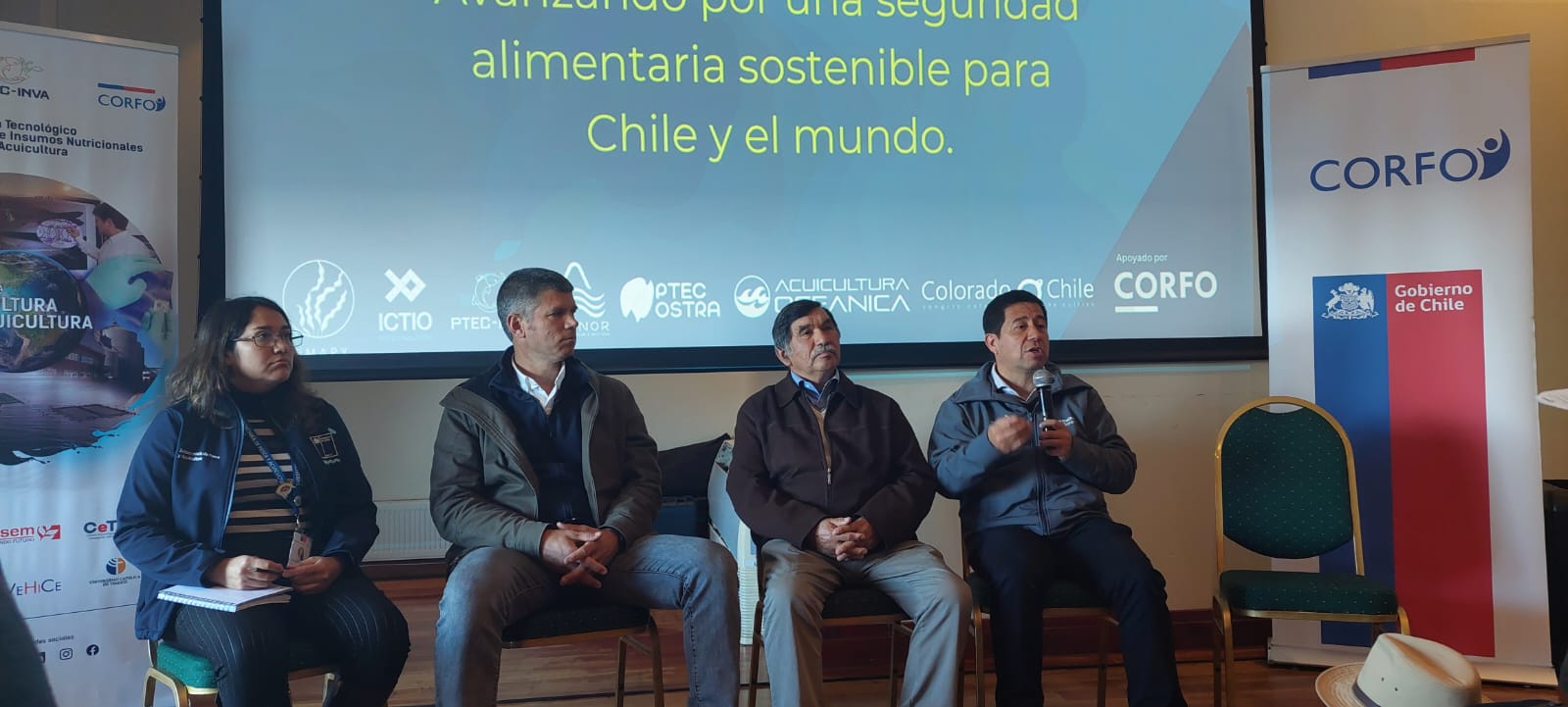
In this panel were present Constance Silva, head of the Aquaculture Division of the Sub-fishing; Gianfranco Natteroindependent professional of wide trajectory local and international in food and seafood companies; Alberto Paredes on behalf of the APE sector and vast experience in the development of several species of molluscs, oysters, mussels, sea urchins and algae; and the regional director of ProChile Los Lagos, Ricardo Arriagada. All of them, with the moderation of Rodrigo Salas, executive of the Regional Directorate of Corfo Los Lagos.
“This Summit is a clear testimony of the collaborative efforts between the public, private and academic sectors science, the technology and development of new knowledge, thus facing the challenges and commitment for a food security sustainable,” concluded Corfo’s Director of Technology Programs, Macarena Aljaro.