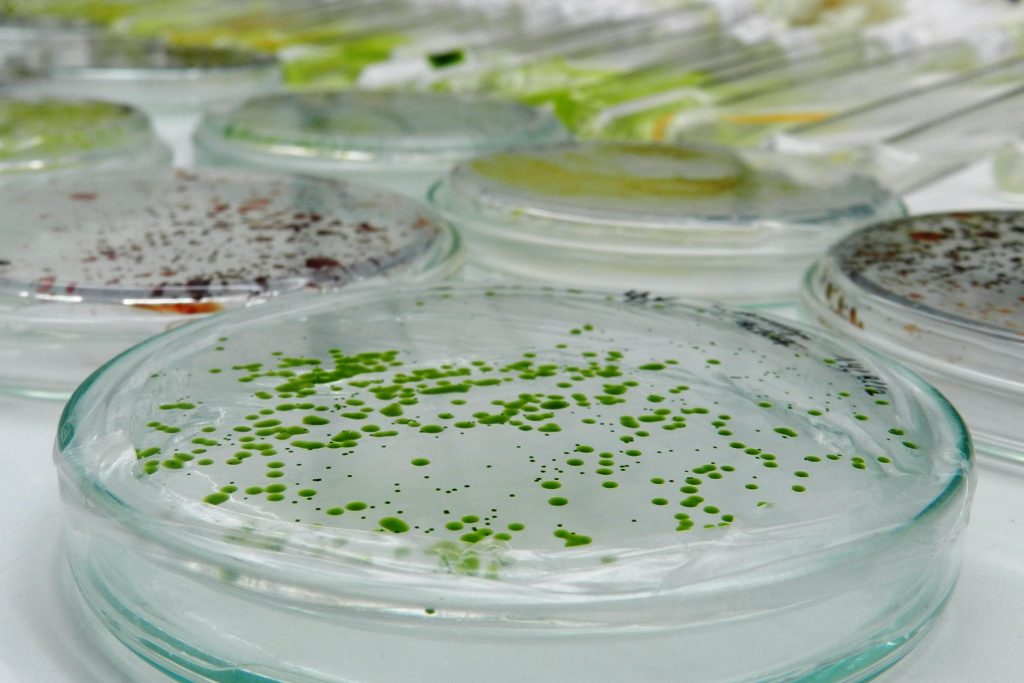
Researchers from UdeC technically demonstrated that it is possible to produce eicosapentaenoic acid from microalgae in cultivation.
A Chilean strain of the group of the diatoms -one of the most abundant organisms in marine phytoplankton - has been tested by scientists from the University of Concepción (University of Chile) as an alternative source to fish oil for the production of eicosapentaenoic acid (EPA).
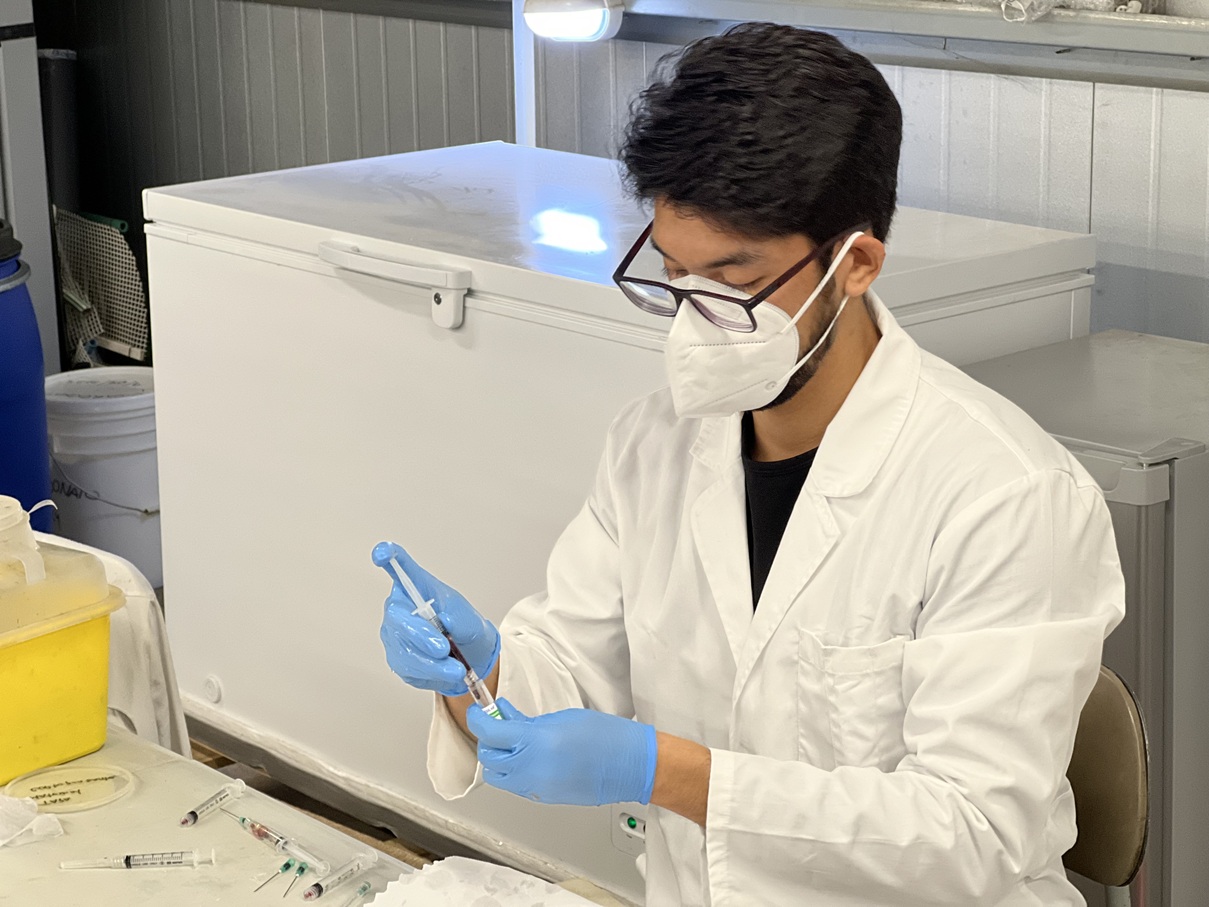
The Microalgal Research Group Ficolab has been working with this microalgae in order to establish a technology for production sustainable and standardized of an oil enriched in EPA for the animal feed industry, through a project Fondef IDeAIt's been going on since 2022.
The initiative is led by the Dr Patricia Gómez Vergara, leader of this group attached to the Department of Botany of the Faculty of Natural and Oceanographic Sciences of the UofC, and has the participation of the companies Cosal e Indugras, specialized in the formulation, processing and refining of oils and fats used in animal feeding.
Ficolab's research is focused on basic studies and applied around microalgae and their cultivation, with emphasis on the search for active compounds and their uses in different areas, explains the academic. Thus, they have developed projects aimed at obtaining biofuels, cosmetic products and food for humans and animals, derived from microalgae.
One of the main achievements of this initiative, says Dr. Gómez, it's just that Technically proven -from the selection of the strain to the obtaining of the oil- that it is possible to produce eicosapentaenoic acid from microalgae in cultivation.
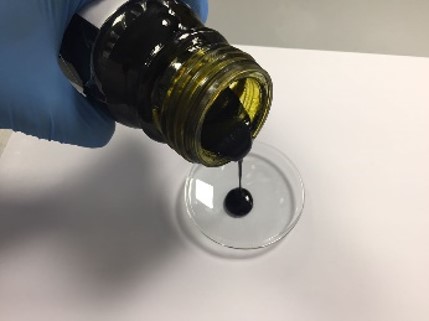
EPA together with DHA (docosahexaenoic acid), the two most important polyunsaturated fatty acids in the series omega-3, are essential nutrients for animal and human feeding, "but we must consume them in the dietsince we do not synthesize them endogenously," the specialist says.
The main source of these fatty acids is fish oil. The problem - he says - is that, because of its extractive nature, fishing does not guarantee the sustainability of the resources they also face. serious problems the contamination of their environment with the presence, for example, of heavy metals or microplastics.
"The idea of this project is to go ahead with a situation that at some point is going to be critical, when No more resources left or are so contaminated that they cannot be used in food products," emphasizes the researcher.
Today there is a trade solution for the sustainable production of DHA from marine fungi, not so for EPA; but from the UofC are taking the first steps to count on renewable alternatives and sustainable for it.
The research group had developed a previous project, together with the Food Nutrition and Technology Institute. (INTA) and the Fraunhofer Foundation, to produce EPA and DHA intended to supplement older adults.
Read more » The integrated work of Salmones Antártica to become a reference for sustainable development
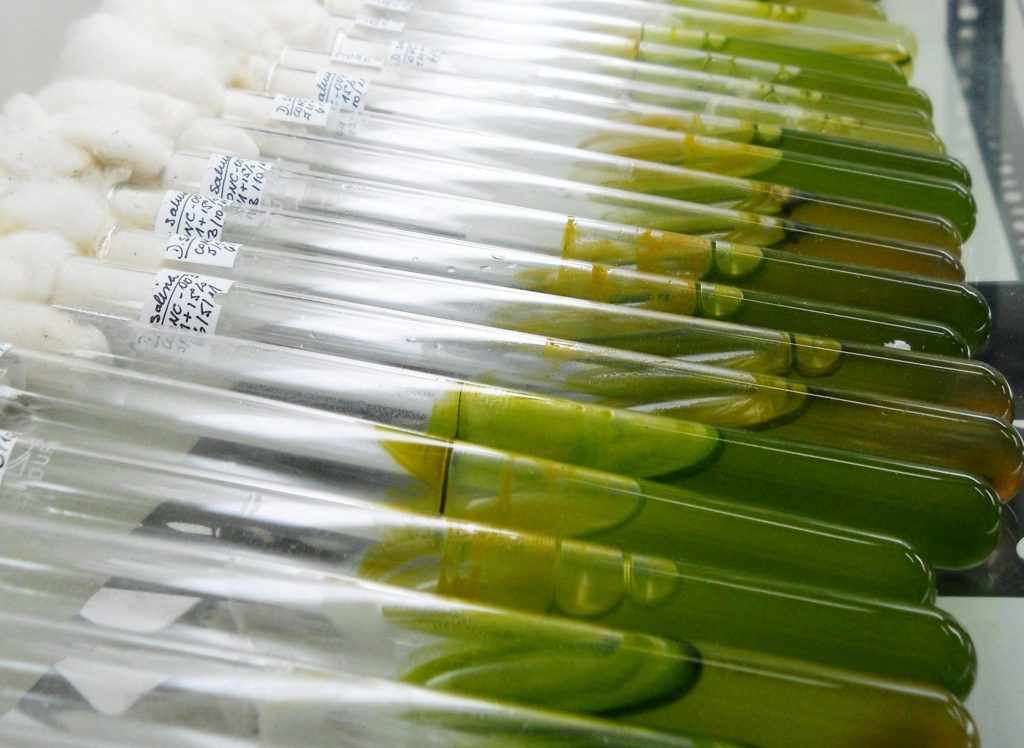
The knowledge derived from this research made it possible to address this new challenge focused on scaling from the production of EPA for animal feed, which started with the selection of a strain from the Microalgae Cultivation Collection (CCM-UdeC) that Ficolab maintains.
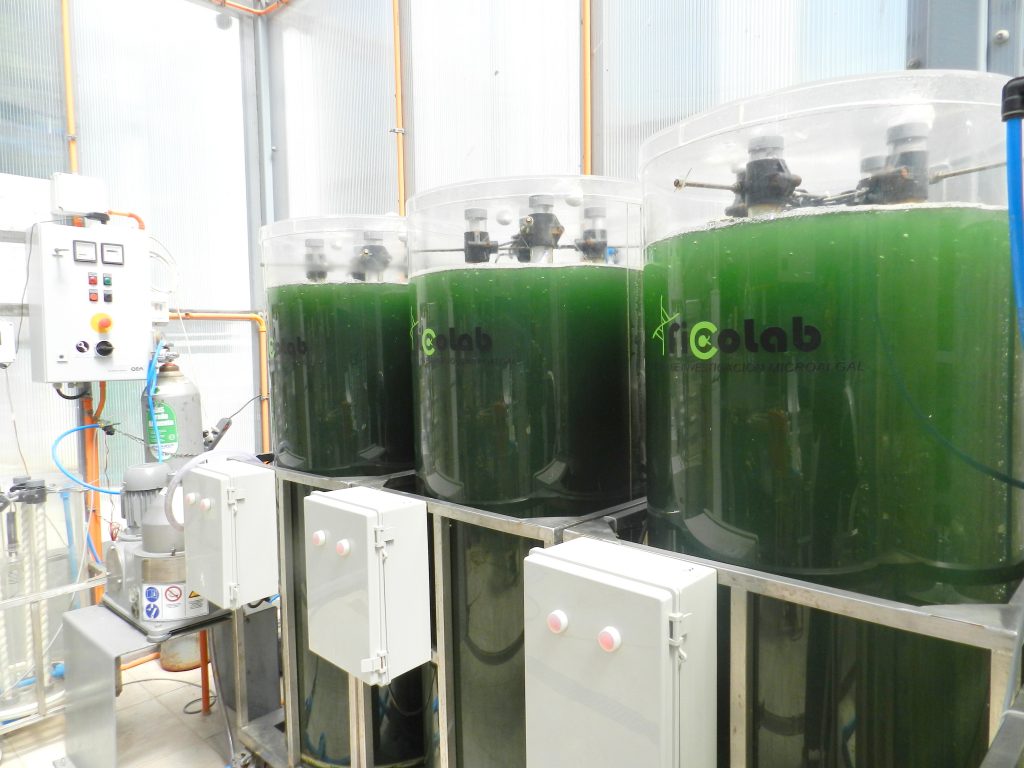
Then they advanced in the scaling of microalgae crops, from the laboratory to the pilot scale, in which they were used. photobioreactors up to 400 liters, with different designs, kept in greenhouse and outdoors.
The results show that in the optimized conditions of the process, the strain accumulates the 50% of its fatty acids as EPA.
Although the project has fulfilled its purpose of standardizing the conditions of cultivation on a pilot scale and having an efficient process to extract the oil rich in EPA, there are aspects that are still being tuned to make improvements.
One of them is the drying stage of the biomass of the crop, which is the raw material of the oil. This, explains Dr. Gomez, it's done by lyophilisation, a process that has high costs and which they hope to reduce, an objective that they are addressing with the support of partner companies.
"At this moment we are producing an oil rich in EPA, using our process. The idea is to generate a sufficient quantity that allows us to characterize it in detail; then, we must determine the final yields, the costs of production and know effectively how much it costs to produce this oil for which there is not yet a commercial alternative of renewable source like microalgae," says the project director.
More sustainable
Dr. Gómez details that one of the main advantages of the EPA from microalgae is that it presents a increased bioavailability compared to that obtained from fish oil, as it contains a higher proportion of phospholipids.
In fish oil, however, omega-3s are mainly provided as triglycerides, which are storage lipids and are used more than anything to obtain energy.
On the other hand, he adds, the process with which this oil is generated is more sustainable in the sense that it uses a renewable resource as a raw material and does not pollute. "On the contrary, microalgae consume CO2 in photosynthesis, thus contributing to the mitigation of a greenhouse gas", he points out.
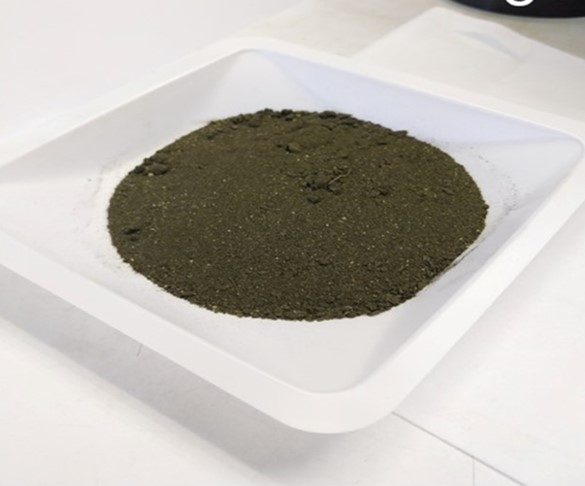
Finally, the proposal will also enhance the remaining biomass from the oil extraction process, which contains proteins and whose composition amino acids may lead to its use in animal feeding or as biostimulant for agriculture.
Read more » The salmon farming industry joins agriculture
This project reaffirms the conviction of the members of Ficolab about the potential of microalgae that, because of its wide diversity physiological and metabolites can be the basis for the development of applications in such diverse areas as the pharmaceutical industry, sustainable agriculture, the cosmetics industry, human and animal nutrition, among others.
*Photo source: UdeC.