President José Antonio Kast chaired the signing of the decree that officially recognizes thousands of workers in one of Chile's main productive and exporting industries.
With the presence of government authorities, representatives of the productive sector and workers of the salmon farming industry, the President of the Republic, José Antonio Kast, led the signing of the supreme decree that officially establishes May 26 as the "Day of the Working Person of the Industry"
Salmon farming.
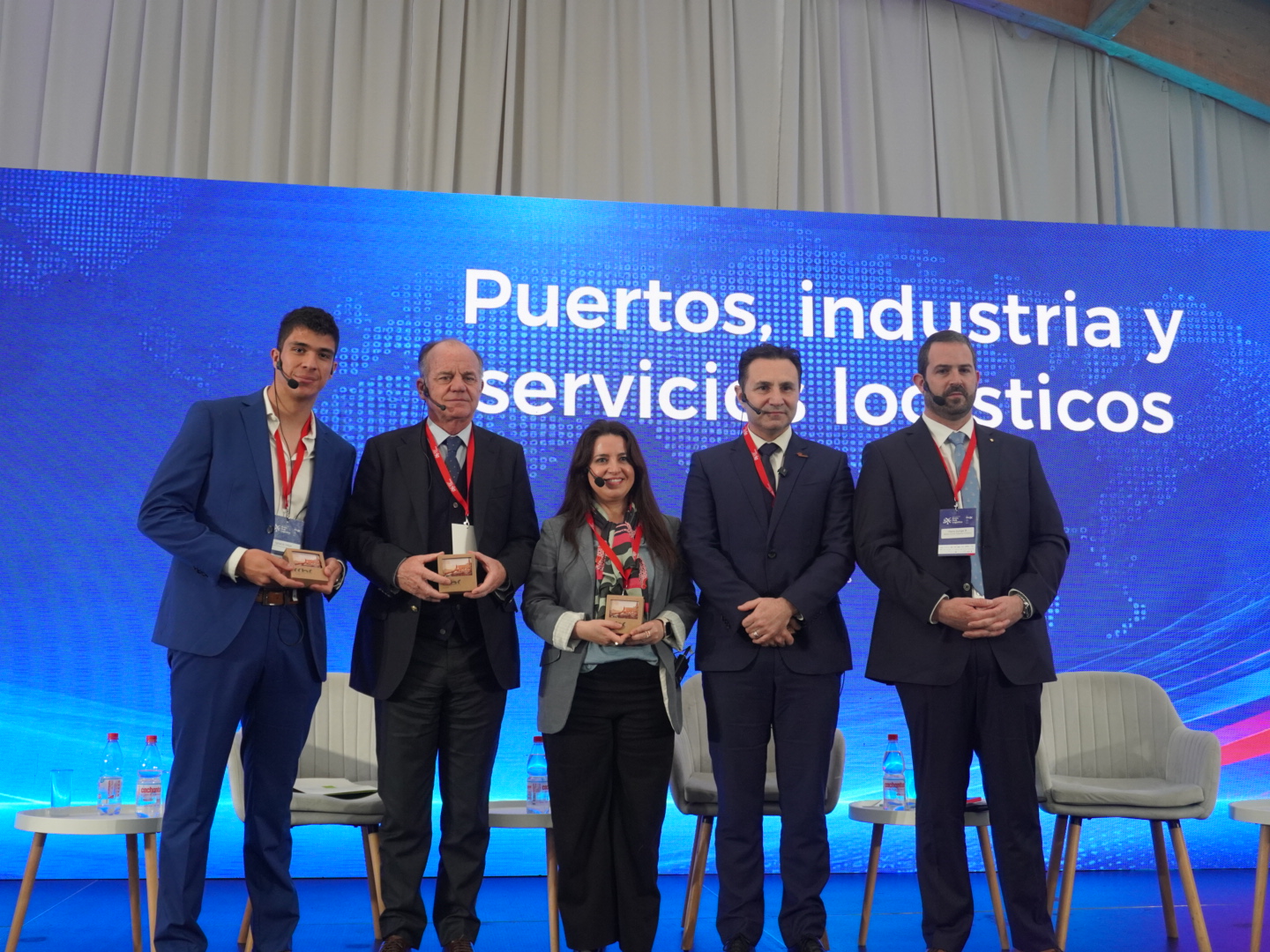
The ceremony took place in the Pedro de Valdivia Hall and also featured the participation of the Deputy Minister of Economy and Mining, Daniel Mas; the Minister of Labor, Tomás Rau; and the Undersecretary of Fisheries and Aquaculture, Osvaldo Urrutia.
During the activity, the authorities highlighted the strategic role that salmon farming plays in the economic and productive development of the country, as well as the contribution made daily by thousands of workers linked to this activity.
Regarding this, President José Antonio Kast stated that the recognition aims to highlight those who have helped consolidate Chile as a global food power. "Thanks to your work, to the effort of thousands of entrepreneurs who have also risked a lot in this industry, Chile can have a future"
"Esplendor", highlighted the leader.
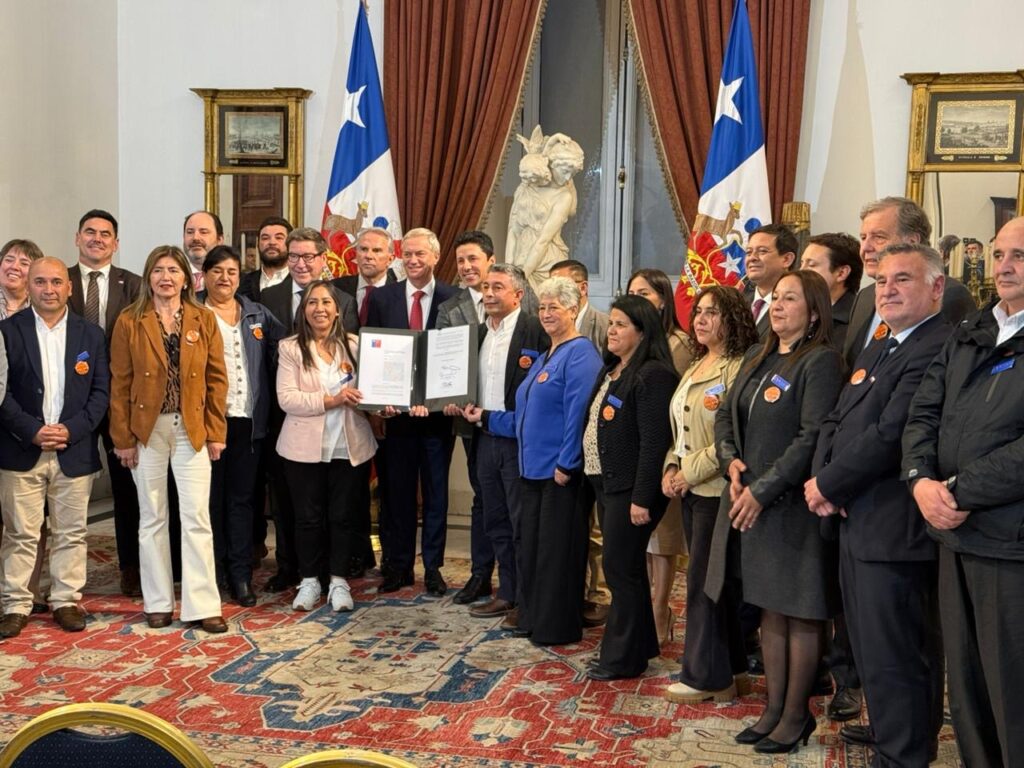
The Head of State highlighted the impact that salmon farming has on the regional economies of southern Chile and on national economic growth, added to the significant contribution to national employment. He added that at some point Chile will be "the largest salmon producer in the world. We have the conditions, but above all, we have the human capital."
For his part, the minister of Mining and Economy, Daniel Mas, stated that "there is no economic growth worth mentioning if it does not translate into well-being and stability for those who work every day. Salmon farming is not just cages or processing plants: it is the 70,000 families that live thanks to this."
“Our goal of being global leaders only makes sense if you, the workers and their families, are the first to benefit from that success.” Meanwhile, Labor Minister Tomás Rau remarked that “this decree is not just a symbolic recognition. It's a public policy statement. This decree dignifies workers.”
During the activity it was also emphasized that the development of salmon aquaculture has been one of the pillars that have allowed to consolidate the aquaculture and fisheries sector as one of the most important economic activities in the country, becoming one of the main contributions to the national productive growth and economic dynamism of the southern regions.
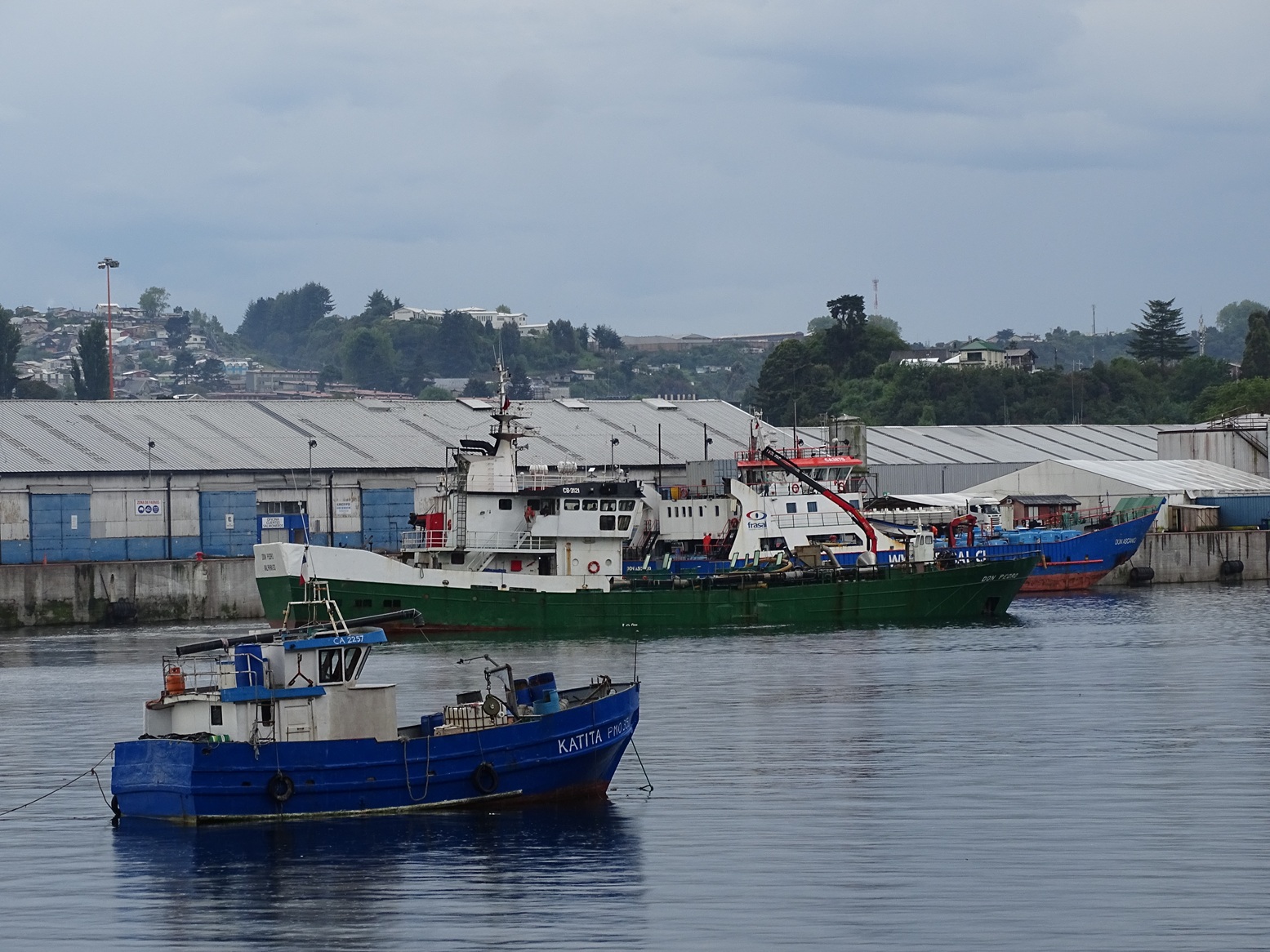
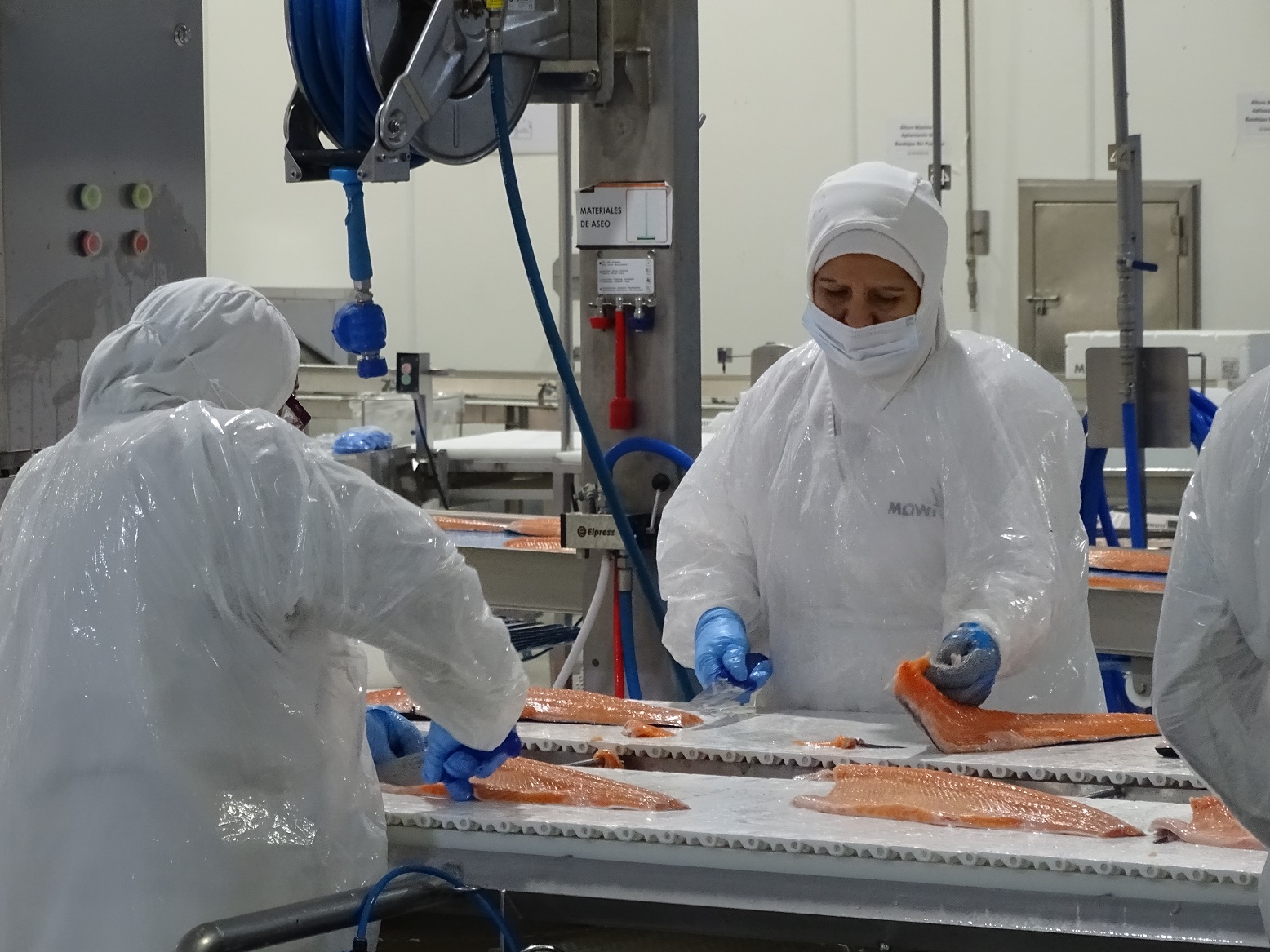
The measure was established by a supreme decree officially establishing 26 May each year as the “Working Person's Day of the Salmon Industry”, in commemoration of the work of those working in the different areas related to cultivation, processing, logistics, transport and services associated with salmon farming in Chile.
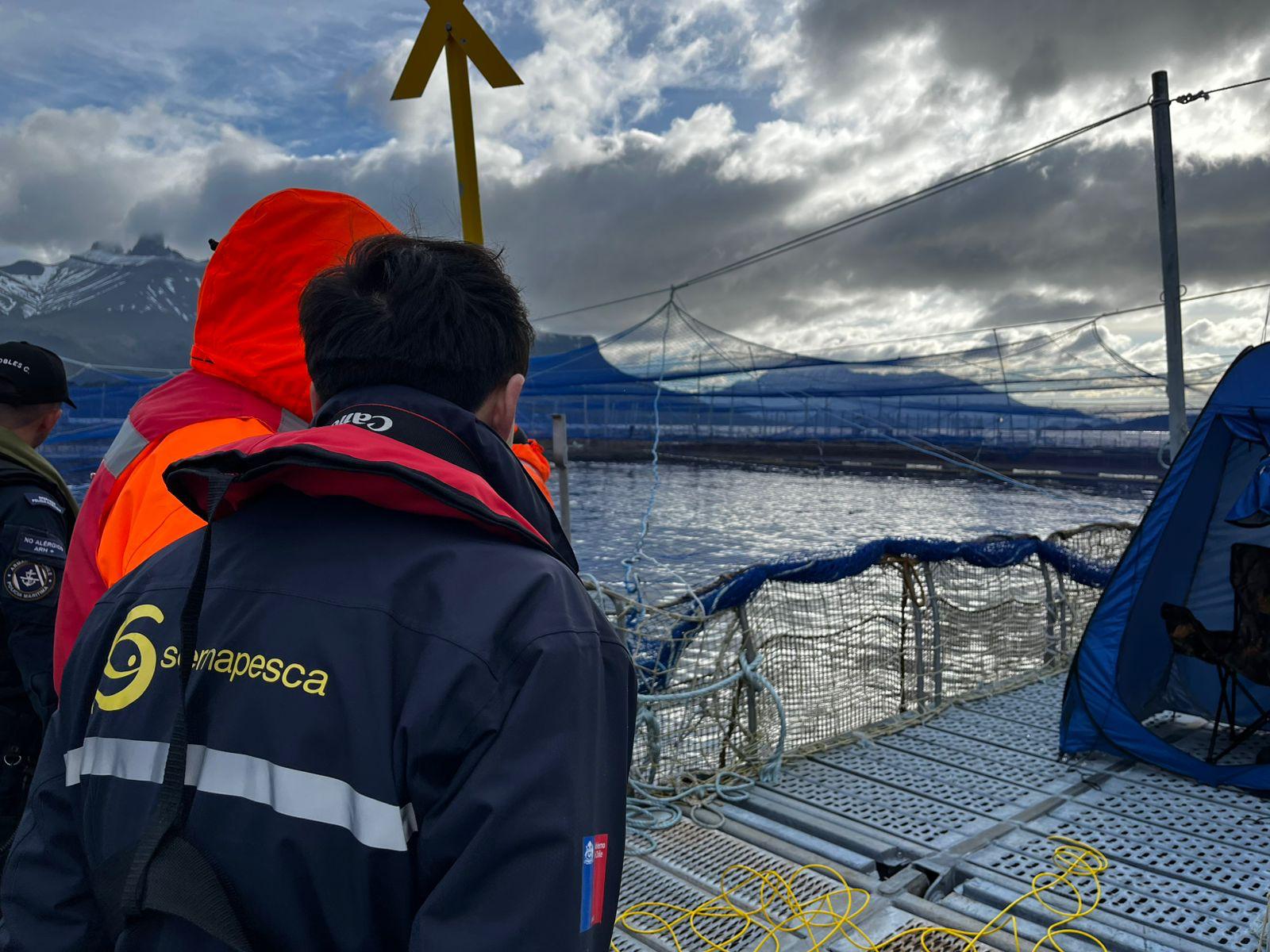
“Behind these excellent economic figures there are thousands of workers who perform essential work in demanding conditions and in remote territories. This recognition seeks precisely to put people at the centre because Chile needs to continue strengthening industries that generate quality employment, productive chains and regional development. Salmon farming plays a key role in this challenge,” said the Undersecretary of Fisheries, Osvaldo Urrutia. The authority added that salmon farming will continue to be a strategic axis for national and regional economic growth, investment, innovation and territorial development.
It should be recalled that salmon farming has a high impact on the development of the country. In 2025 alone, salmon and trout exports exceeded US$ 6,549 million, consolidating salmon as the second domestic export product after copper and positioning Chile as the second largest producer
world salmonid.
The industry also supports more than 70 thousand direct and indirect jobs, mainly in Chile’s southern and far southern regions, where salmon farming plays a central role in regional development, investment and local economies.