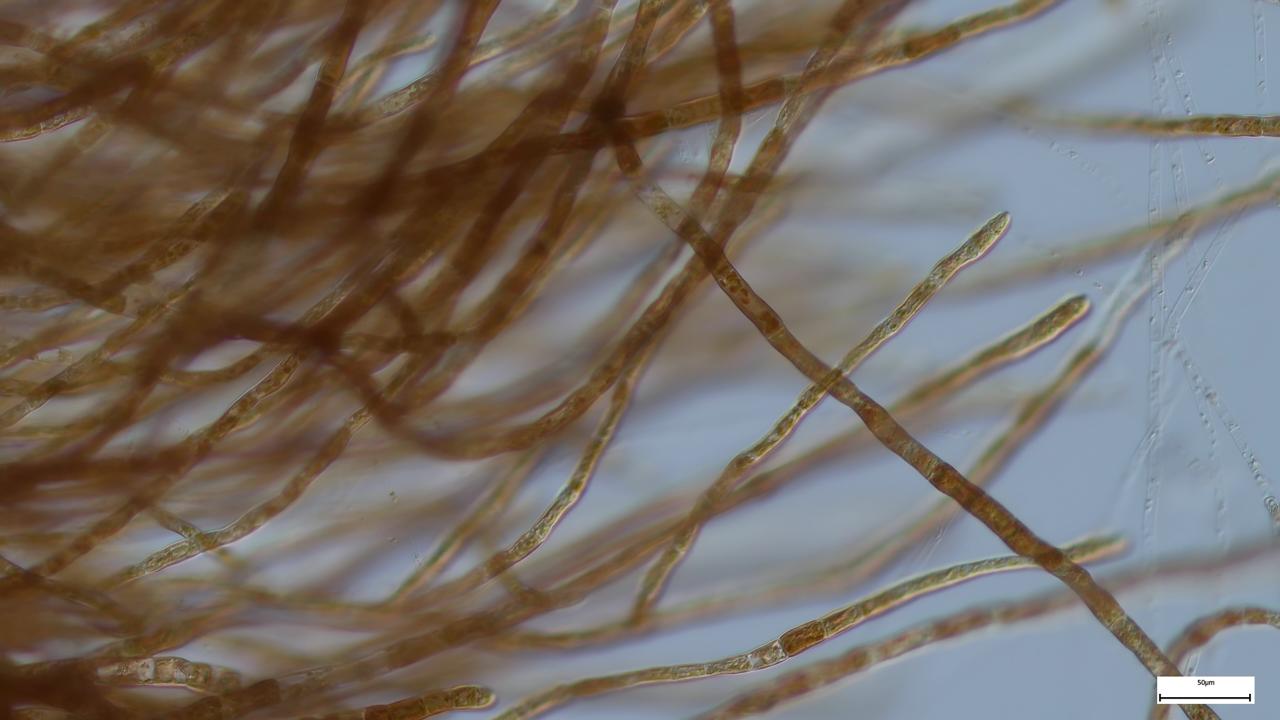
Dr. Pedro Murúa, academic and director of the Master in Environment and Biosafety in Aquaculture (MABA) of the Universidad Austral de Chile, Sede Puerto Montt, was awarded funding for the internal competition VIDCA 2026, to develop the project BLITZ, an initiative that seeks to contribute to scientific knowledge and the future implementation of biosafety tools in algae cultivation. The research aims to identify with precision species of algae that act as pests in hair cultures (Gracilaria chilensis) of southern Chile. These organisms grow on cultivated algae, potentially affecting their growth, quality and productivity, which can lead to economic losses for producers.
To advance this challenge, the research team will work with a collection of 58 strains of pest algae, isolated from different locations in the south of the country, using molecular biology tools that will enable characterizing them and generating a reliable genetic information base.
Dr. Murúa emphasized that the award will allow to address a knowledge gap that currently hinders the development of solutions for the biosafety of these crops. "We have a collection of 58 strains of pest algae isolated from different locations in southern Chile, but we need to know more precisely what species we have and with this we need to define which should be priorities for future research", explained the academic.
He also noted that the results will be a first step in developing future early detection tools and strategies for the prevention and management of these pests, as well as strengthening new applications for national research funds.
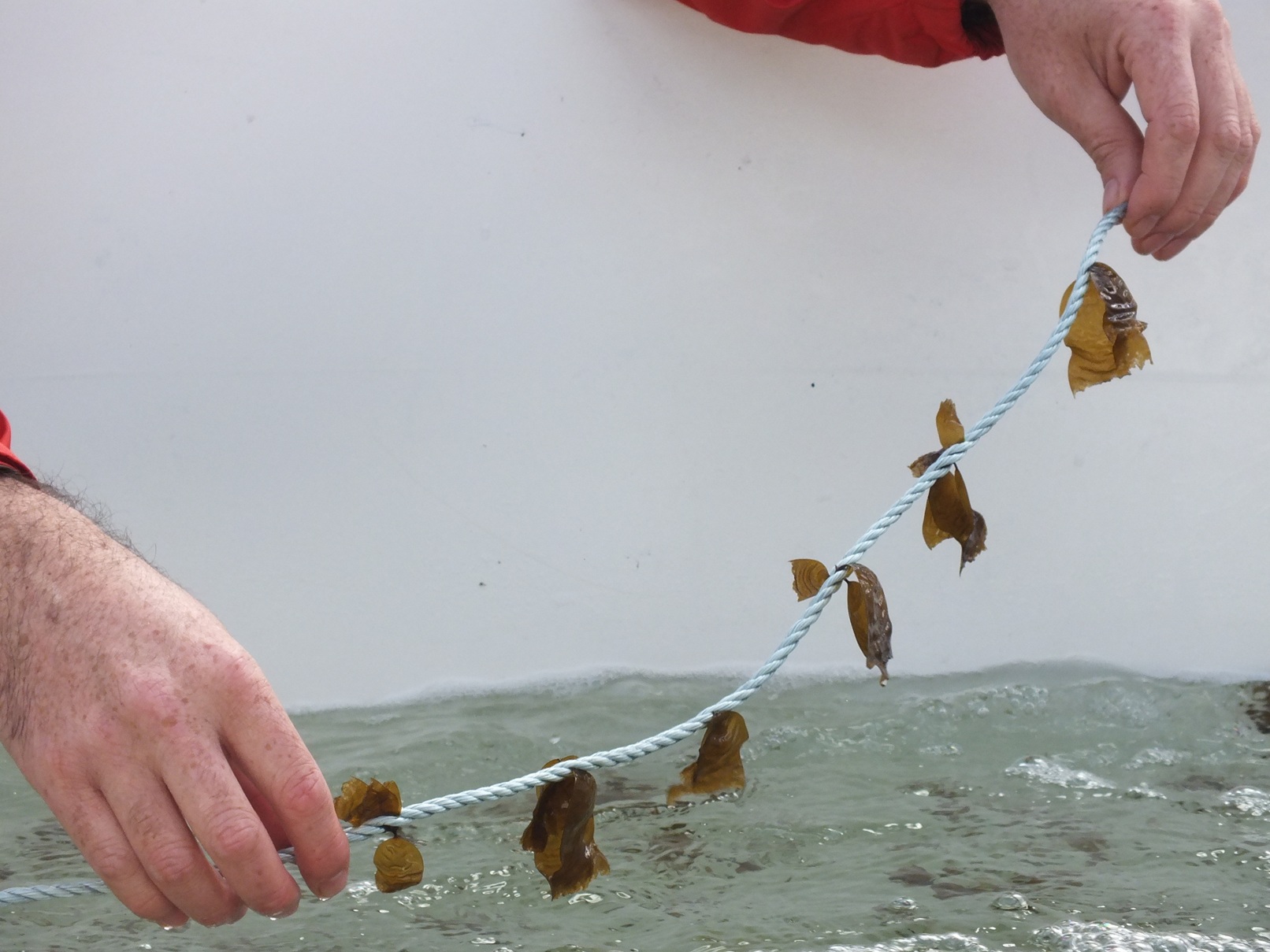
The researcher especially appreciated the institutional support for scientific initiatives linked to the needs of southern Chile. "I especially value that the University supports research that is born of regional needs and, at the same time, contributes to the generation of scientific knowledge, the training of students and the development of future solutions for the aquaculture sector," he said.
The award also represents an opportunity to strengthen the link between undergraduate and postgraduate research and academic training, in strategic areas such as the environment and aquaculture biosafety, contributing to the development of scientific knowledge with territorial relevance from the Universidad Austral de Chile, Headquarters Puerto Montt.
Dr. Pedro Murúa, academic and director of the Master in Environment and Biosafety in Aquaculture (MABA) of the Universidad Austral de Chile, Sede Puerto Montt, was awarded funding for the internal competition VIDCA 2026, to develop the project BLITZ, an initiative that seeks to contribute to scientific knowledge and the future implementation of biosafety tools in algae cultivation. The research aims to identify with precision species of algae that act as pests in hair cultures (Gracilaria chilensis) of southern Chile. These organisms grow on cultivated algae, potentially affecting their growth, quality and productivity, which can lead to economic losses for producers.
To advance this challenge, the research team will work with a collection of 58 strains of pest algae, isolated from different locations in the south of the country, using molecular biology tools that will enable characterizing them and generating a reliable genetic information base.
Dr. Murúa emphasized that the award will allow to address a knowledge gap that currently hinders the development of solutions for the biosafety of these crops. "We have a collection of 58 strains of pest algae isolated from different locations in southern Chile, but we need to know more precisely what species we have and with this we need to define which should be priorities for future research", explained the academic.
He also noted that the results will be a first step in developing future early detection tools and strategies for the prevention and management of these pests, as well as strengthening new applications for national research funds.
The researcher especially appreciated the institutional support for scientific initiatives linked to the needs of southern Chile. "I especially value that the University supports research that is born of regional needs and, at the same time, contributes to the generation of scientific knowledge, the training of students and the development of future solutions for the aquaculture sector," he said.
The award also represents an opportunity to strengthen the link between undergraduate and postgraduate research and academic training, in strategic areas such as the environment and aquaculture biosafety, contributing to the development of scientific knowledge with territorial relevance from the Universidad Austral de Chile, Headquarters Puerto Montt.