Salmon Council analysis identifies four regulatory measures to boost growth, competitiveness and formal employment in Los Lagos, Aysén and Magallanes.
In a context where the national unemployment rate reached 9.4% during the March-May quarter of 2026, according to the latest National Employment Survey by INE, and employment continues to be one of the main concerns for Chilean families, measures aimed at stimulating productive activity acquire special relevance.
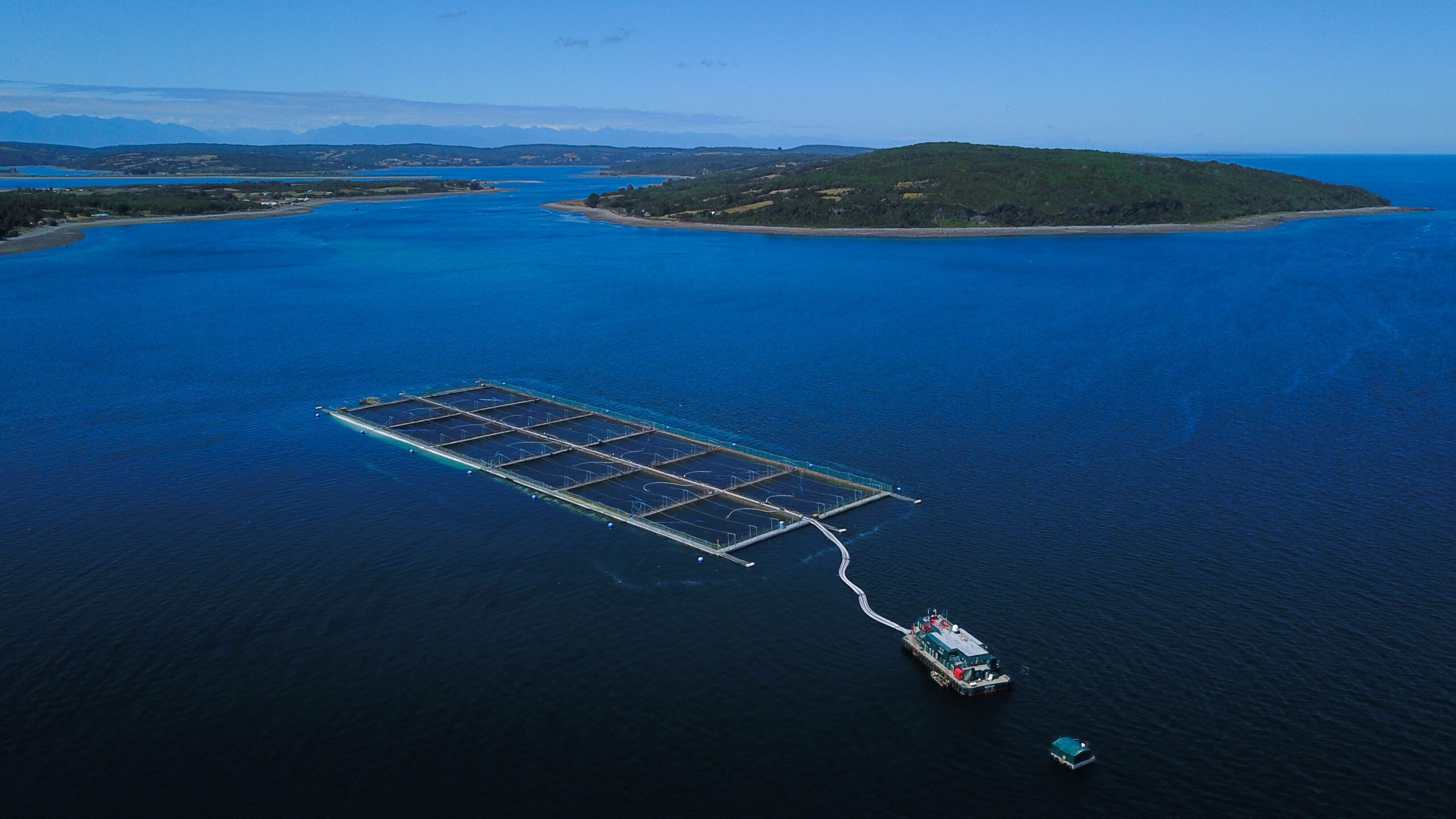
A report prepared by the Salmon Council analyses the potential impact of four high-impact and easy-to-implement regulatory measures proposed by the industry, which could enable a productive growth of between 4% and 8% in salmon farming and generate positive effects on employment, exports and productive linkages.
The analysis considers four areas: adjustments to the production definition, micro-relocations, application of statistical variation margins in biomass counting and criteria for the treatment of certain preventive health and production eliminations. Together, these measures aim to improve operational efficiency, optimize the use of productive capacities and enable growth with an impact on employment.
According to the analysis, the application of this set of measures would allow generating between 1,800 and 5,400 new jobs in the regions of Los Lagos, Aysén and Magallanes, territories where salmon farming constitutes one of the main economic activities, sources of formal employment and drivers of productive linkages.
Within that set, micro-relocations form part of the tools analyzed to optimize operational conditions, stimulate productive activity and strengthen employment generation in the southern south.
The analysis
Estimated figures would mean an improvement of up to 8% in regional employment linked to salmon farming in the south of the country, according to projected productive growth scenarios for the activity.
The Los Lagos Region would concentrate the greatest effect, with an estimated improvement of up to 7.2% on its labor base associated with the activity, equivalent to around 3,200 jobs. Meanwhile, Magallanes could record an impact close to 7%.

For the Salmon Council, these figures reflect the importance of advancing concrete measures that allow to dynamize the regional economy, especially in a context where job creation remains a priority for the country.
“The conversation about growth often seems distant, but behind every additional point there are people, families, and opportunities for them to get ahead. Today, the country faces an unemployment rate of 9.4%, making it particularly important to promote measures to boost the economy and create formal employment from the regions. These estimates show that measures of high impact and easy implementation could contribute to improving regional employment by up to 8% in some areas of the southern south, strengthening local economies that depend on labour and productive development,” said Loreto Seguel, executive president of the Salmon Council.
Competitiveness and productive chaining
The projections consider an increase of between 4% and 8% in salmon production, associated with the implementation of four regulatory measures identified by the Salmon Council. These measures seek to promote a better use of existing concessions, provide greater certainty for the operation and open up opportunities for growth within the current regulations.
The report argues that such measures can open up new opportunities to strengthen the competitiveness of salmon farming, boost formal employment and deepen productive chains in Los Lagos, Aysén and Magallanes.
In addition to the direct labour impact, the analysis maintains that a higher level of activity would boost hundreds of suppliers linked to logistics, transport, professional services, manufacturing and trade, strengthening the productive fabric of the regions in which the industry develops.
The union leader said the challenge is to take advantage of opportunities to link growth, sustainability and regional development.
“Smonculture is today the second most exported product in Chile and a strategic activity for Los Lagos, Aysén and Magallanes. When we talk about competitiveness, we also talk about formal employment, territorial roots and opportunities for thousands of families living in the southern South. That’s why it’s important to move forward in actions that allow us to deploy that potential responsibly and sustainably,” he said.
Currently, the three regions where salmon farming is developing have some of the lowest unemployment rates in the country. However, Los Lagos and Magellan have shown increases in unemployment over the past year, making particularly relevant any measure that contributes to energize the regional labour market.