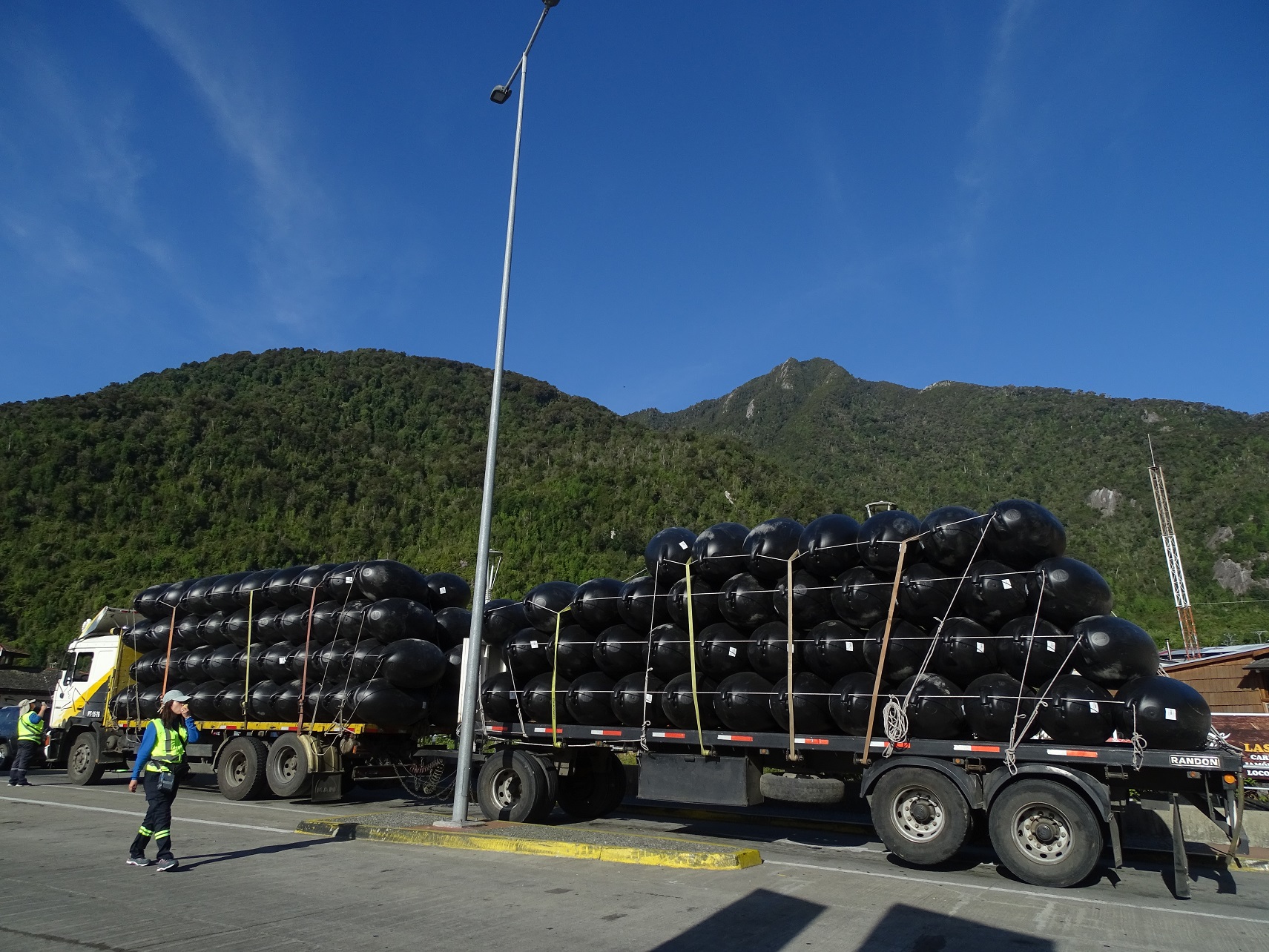
Through this document, the Environmental Superintendence (SMA) seeks effective regulatory compliance by the sector. The launch was held in the Los Lagos Region, where more than 90% of the national mussel production is concentrated.
In order to promote preventive work and environmental compliance, the Superintendent of the Environment, Marie Claude Plumer, announced the first strategy of the Institution which aims to guide the holders of projects dedicated to the production of mussels (clams, mussels and others) in the country. Specifically, this publication aims to promote compliance with the regulations and address various issues. related to the supervision and monitoring of the sector by the SMA.
In this way, in the document - titled Environmental Compliance Strategy for Mussel Farming Centers/Production - the different objectives of the strategy and the actions that allow their compliance are presented. All of this under four main pillars: prevention, correction, disciplinary response and evaluation of results.
The launch milestone took place in the commune of Castro, Chiloé, and was attended by the provincial presidential delegate of Chiloé, Marcelo Malagueño, the maritime governor, captain of the navy, Ricardo Cárcamo, and the regional head of the SMA in Los Lagos, Ivonne Mansilla. This was also attended by representatives of mussel farming companies, who later participated in an environmental compliance assistance workshop, which was organized. by the SMA and the Strategic Program PER Oyster of Corfo, with the collaboration of the National Service of Fisheries and Aquaculture (Sernapesca) and the Directorate of Fisheries (Subpesca).
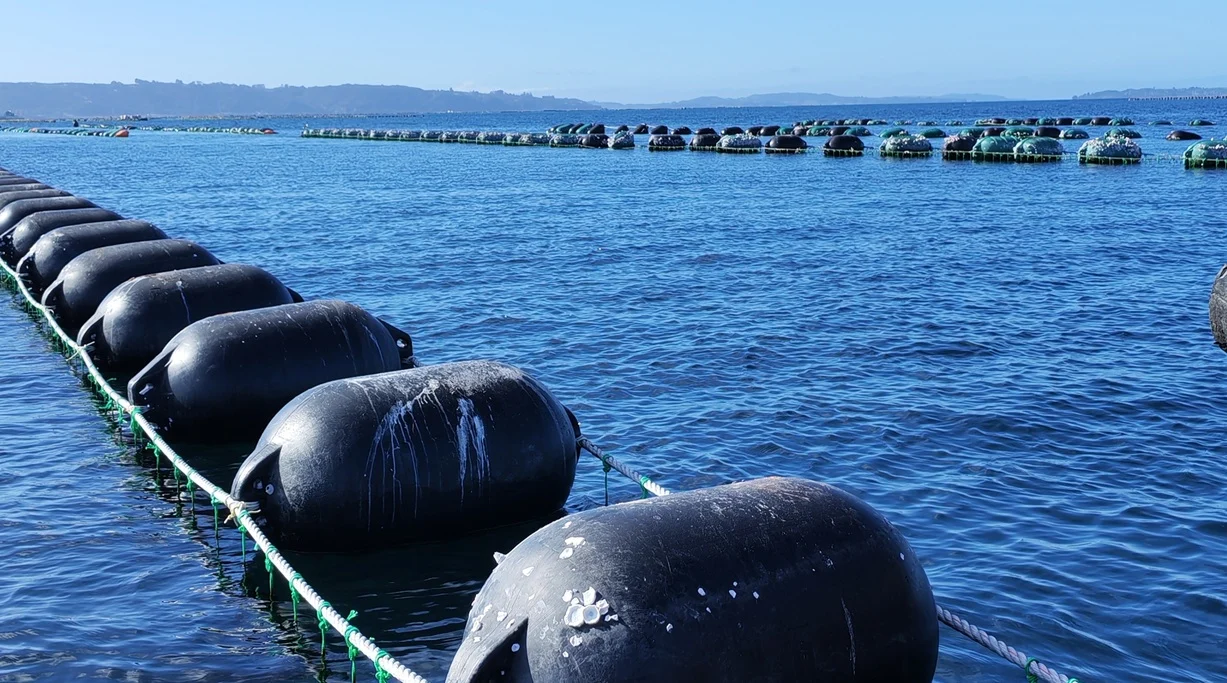
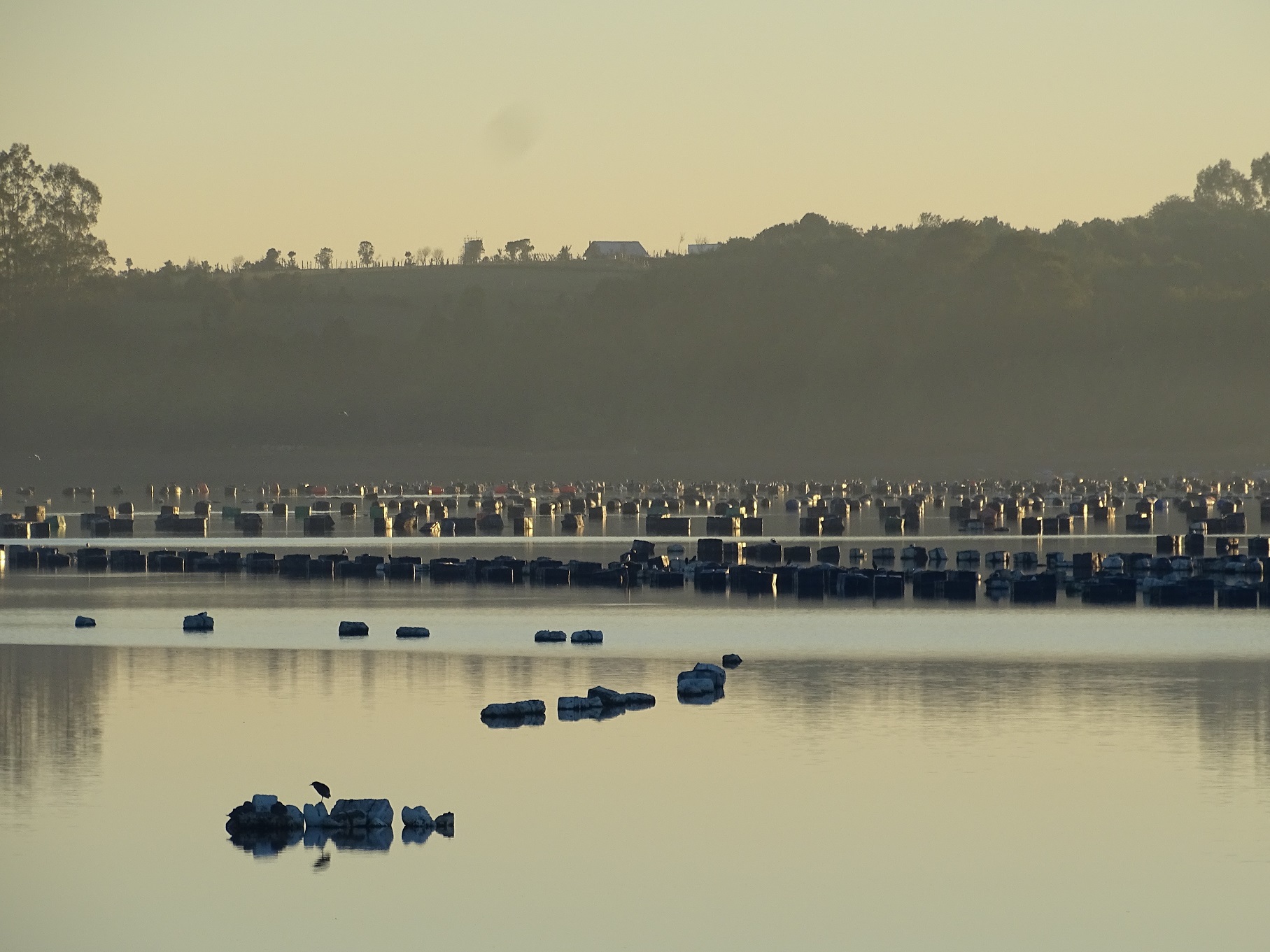
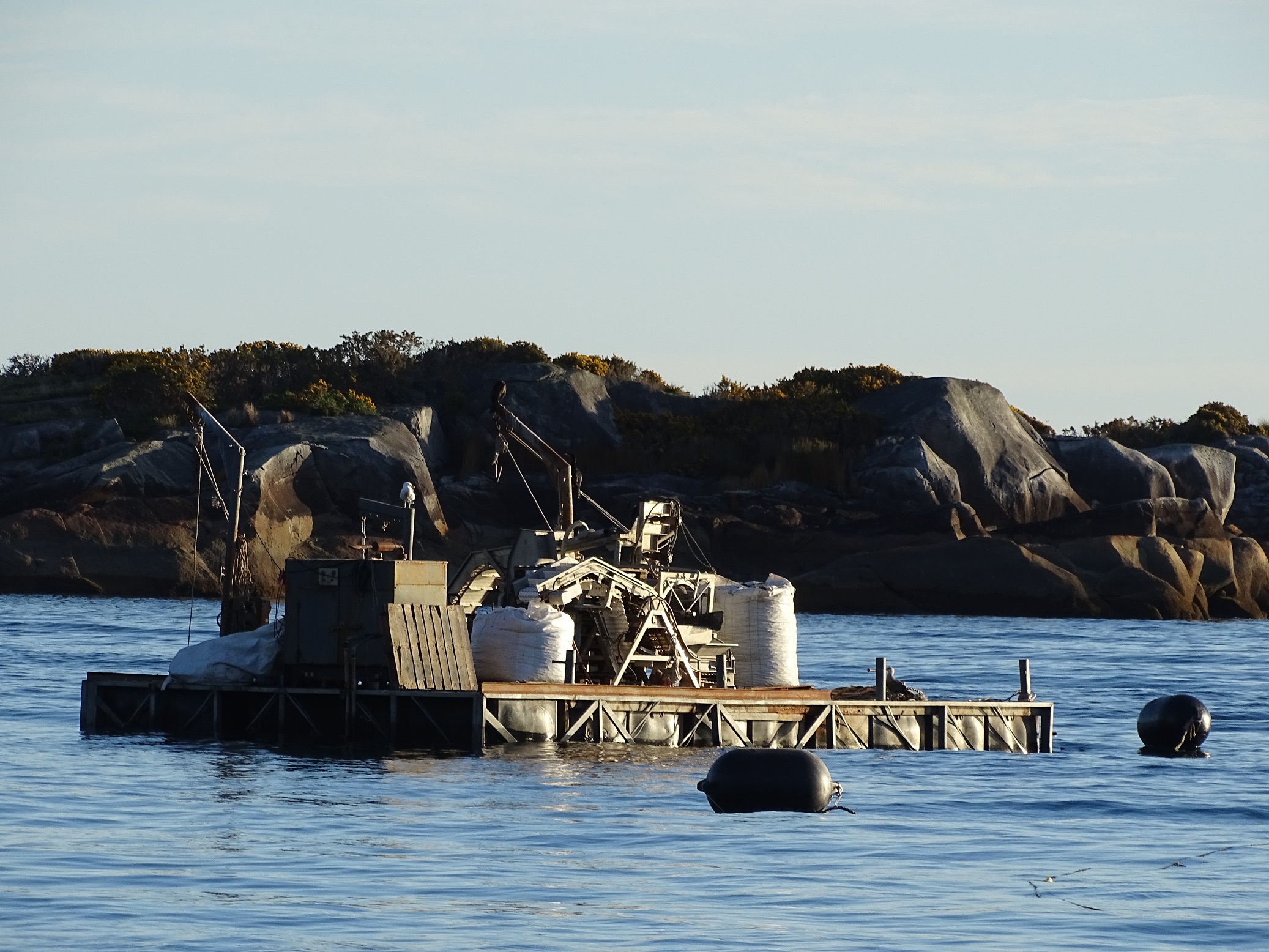
Mussel farming centers are productive facilities dedicated to the breeding of bivalve mollusks, such as the mussel, the shoe clam and the chola, and form a relevant part of the national aquaculture sector. As of January 2025, the Environmental Qualification Resolutions (RCA) linked to this sector amount to more than 1,200, which represents approximately 7% of the total of these authorizations in the country, positioning them preferably in the Los Lagos Region, where more than 90% of the national production is concentrated.
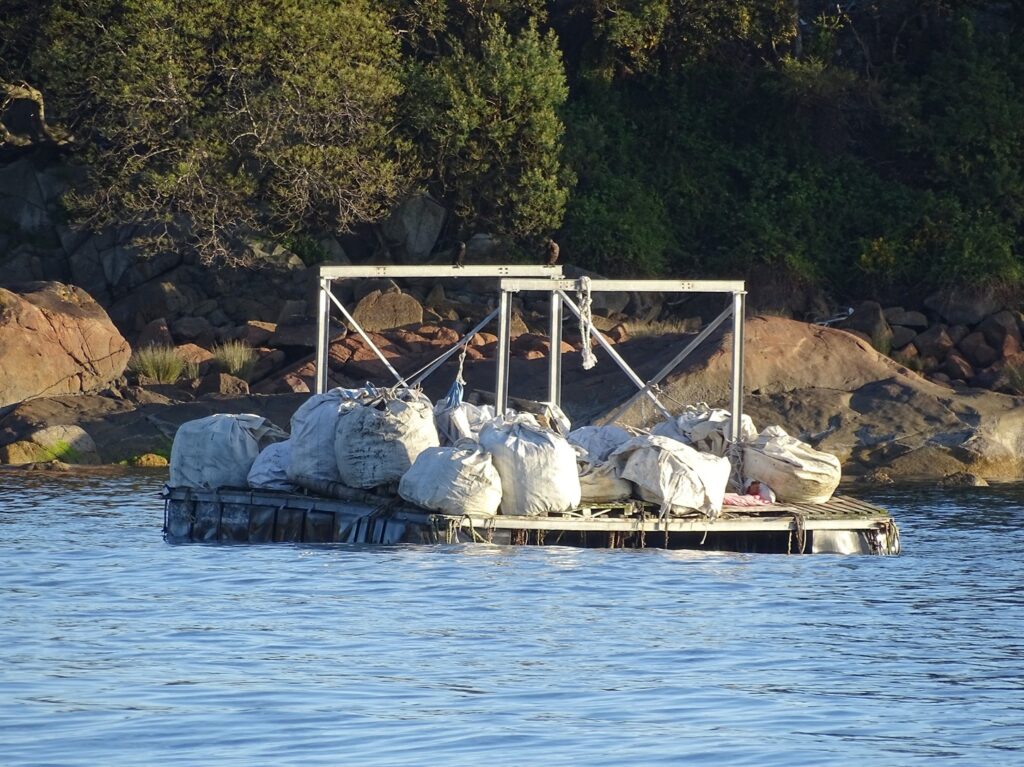
Therefore, and given the environmental impact that this activity, which is increasing, can generate, within the framework of its supervisory competences, the SMA launched this new strategy that focuses on addressing matters related to production and evasion of the Environmental Impact Assessment System (SEIA), prioritizing the preventive and corrective nature of monitoring and supervision. Indeed, the strategy focuses on the management of information, attendance to compliance, monitoring and inspection, as well as an timely response to non-compliances.
The implementation of this strategy will cover the period 2025-2027, with periodic evaluations to identify opportunities for improvement and make adjustments or supplements as required.
In the instance, the Environmental Superintendent, Marie Claude Plumer, stressed that “through this strategy we seek to promote the effective fulfillment of the owners of mussel crop centers. This document, which is aimed not only at regulated but also at any interested party, is set up in four pillars aimed at the early detection of misconduct and the development of different tools to advance in compliance.”
As part of her agenda in Castro's commune, the Superintendent also met with Castro's Provincial Presidential Delegate, Marcelo Malagueño, and Chiloé's Maritime Governor, Ricardo Cárcamo.
You can download the guide in this link.