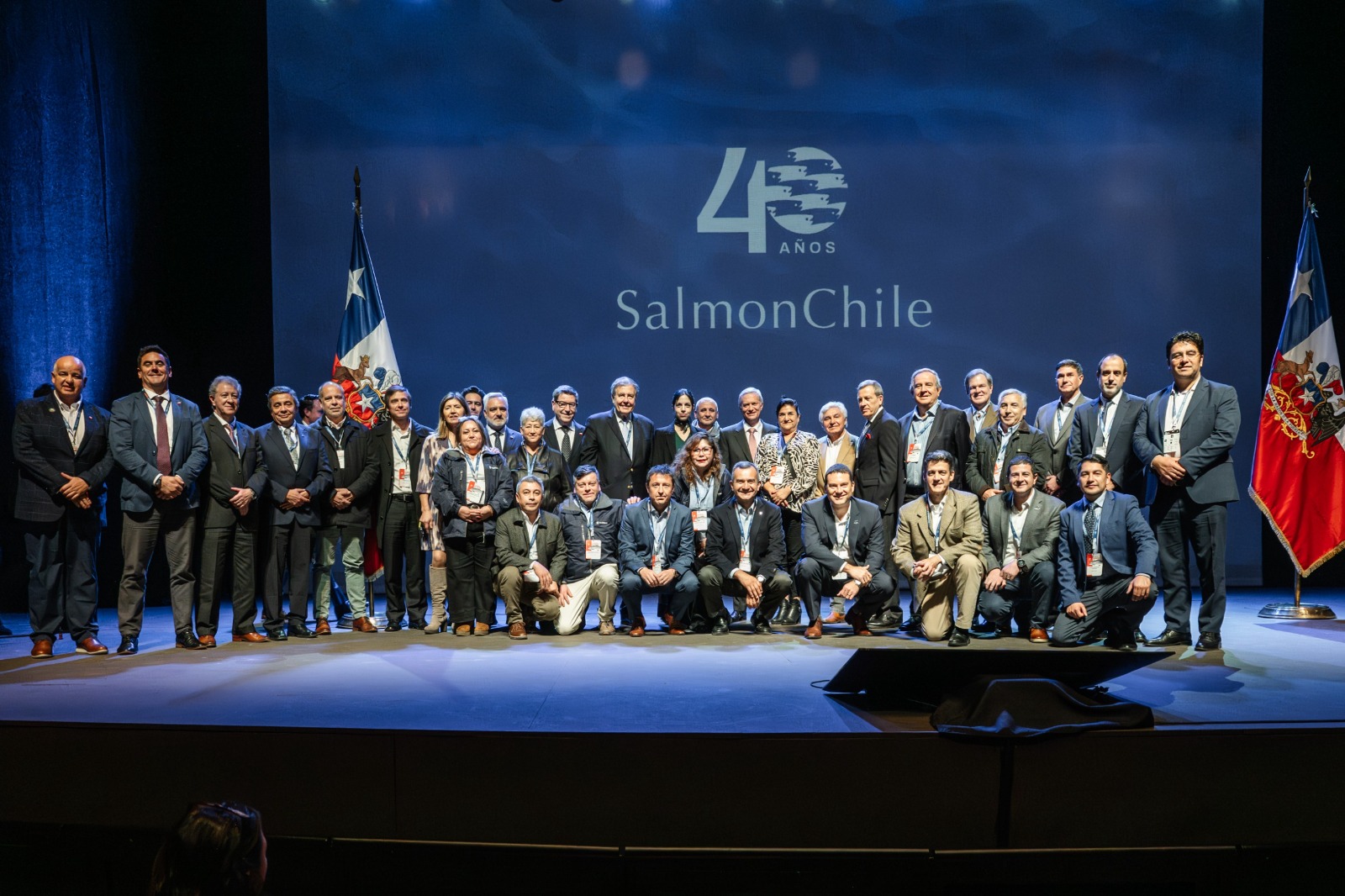
With a program that combined a high-level debate -which included the CEOs of the main Chilean companies, government authorities and the President of the Republic, José Antonio Kast-, the event was the space for the discussion on future measures to boost this productive sector.
With more than one thousand attendees and under the mission of discussing the certainties necessary for the sustainable development of salmon farming, the third edition of concluded successfully. SalmonChile Summit 2026The forum, which is consolidating as the reference event of the sector in Chile, brought together representatives from the salmon farming industry, government authorities, business and academic figures, with the aim of addressing the challenges and opportunities faced by the national aquaculture activity.
The event was highlighted by the closing speech of the President of the Republic, José Antonio Kast, who reaffirmed his commitment to the sustainable development of Chilean salmon farming and recognized its fundamental role in the country's economic growth.
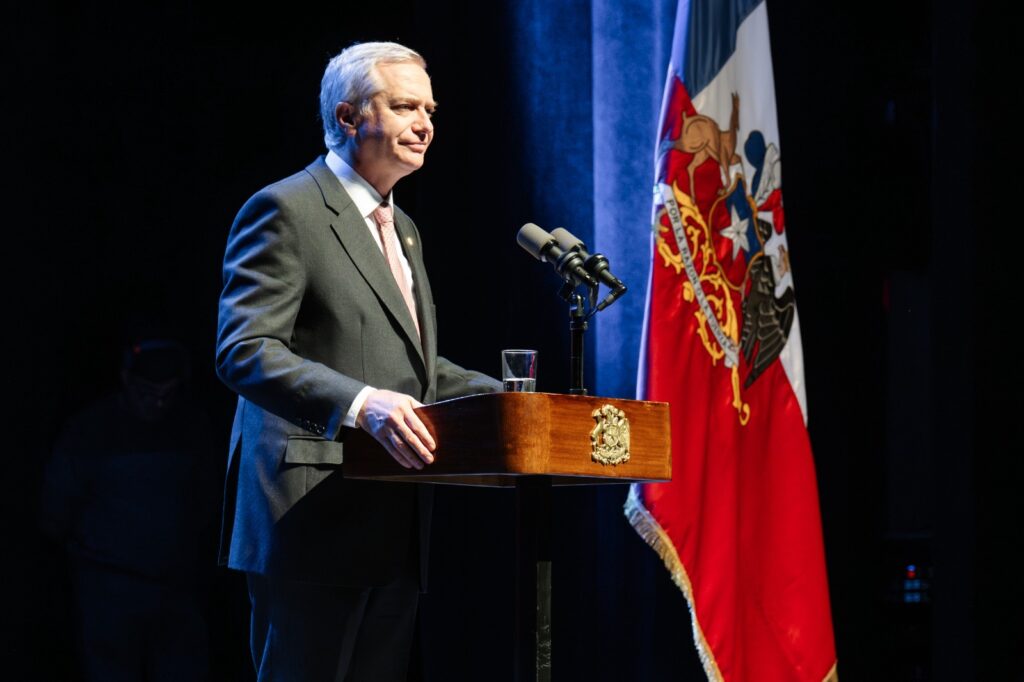
In his speech, the Leader announced that his Government will promote the officialization of May 26 as Salmon Worker's Day, in recognition of the historic 2023 mobilization in defense of their job sources, within the framework of the process of the law that created the Service of Biodiversity and Protected Areas (SBAP).
During his speech, the Head of State stated that his government will prioritize the processing of the Reconstruction and Economic and Social Development Law, which includes measures aimed at strengthening more than 235,000 small and medium enterprises in the country. In the specific area of salmon farming, he committed to advancing an efficient territorial planning, pointing out that the current regulatory framework "provided for unimaginable abuses" that have hindered investment.
"Our commitments are efficient, clear, balanced regulations, which are demanding, but do not suffocate the industry. The State has to be part of the solution, not the problem," emphasized President Kast.
Sustainable growth with regulatory certainty
During the day, the president of SalmonChile, Patricio Melero, addressed the main regulatory challenges facing the sector, in line with the theme of the event: certainties for sustainable growth.
“We require and need efficient, balanced and intelligent regulations, which, being demanding and in keeping with the current context, are put at the service of promoting the standards of this activity, but not of drowning it or hindering its development,” said the union leader.
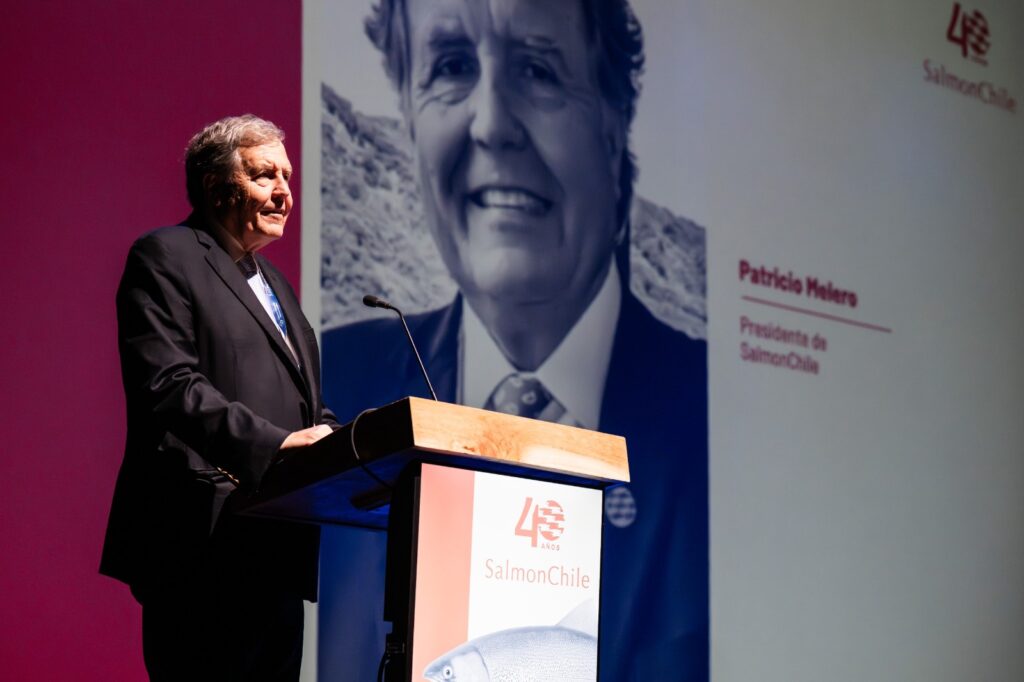
The president of SalmonChile stressed the sector’s importance to the development of Chile’s far south and its impact on the region. “Few industries can generate income, jobs and value year-round on just 4 thousand hectares, equivalent to 0.004% of the country’s extensive maritime territory (…) And despite such a small footprint, few they impact so many localities, reaching thousands of communities and people, generating this huge value chain, a bond, an identity and the deep pride that, from southern Chile, has been able to project to the rest of the country and the whole world," said Melero.
High call and public-private exchange
The forum also benefited from the participation of the Minister of the Environment, Francisca Toledo, and of the Biministro de Economía, Fomento y Turismo, and of Mining, Daniel Mas, who jointly analyzed the regulatory challenges and ways to recover the necessary certainties for a sustainable growth of the national aquaculture activity.
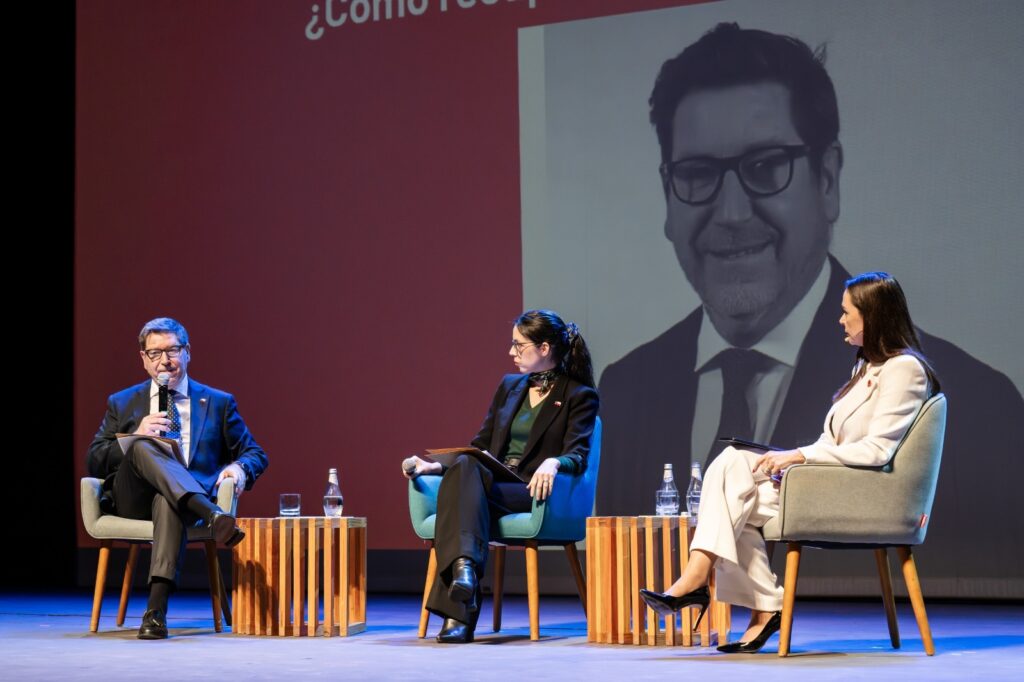
The environmental authority emphasized that sustainability “is not only declared, it is also practiced,” highlighting the presidential instruction to comply with the established deadlines. Toledo announced significant reductions in evaluation times: the Committee of Ministers, an entity that resolves the claims of environmental impact studies, will meet monthly and the resolutions will be published within a maximum of 15 working days, representing a savings of approximately six months compared to the historical average. He also introduced the special voluntary process of the National Reconstruction Bill, which will allow holders to opt for fewer iterations in environmental assessment, provided they submit projects with more developed backgrounds.
Minister Mas, who holds two portfolios, called for “sustainability centred on people” and rejected the idea that economic development and environmental protection are at odds. The economy minister described salmon farming as “a source of good news” amid moderate growth, noting that exports exceeded US$6,000 million and that the sector supports more than 85,000 direct and indirect jobs, mainly in the regions of Los Lagos, Aysén and Magellan.
National symbol and technological innovation
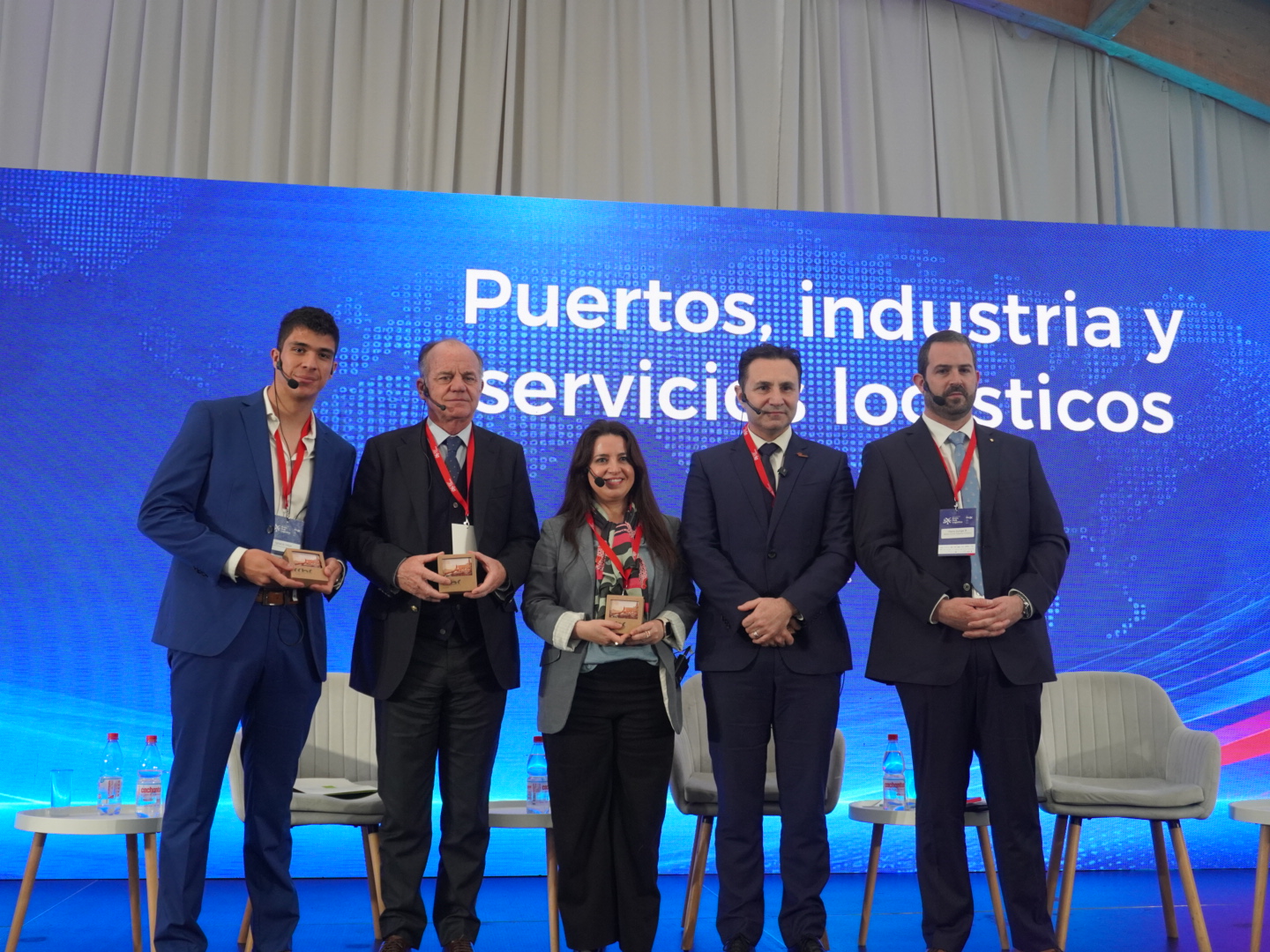
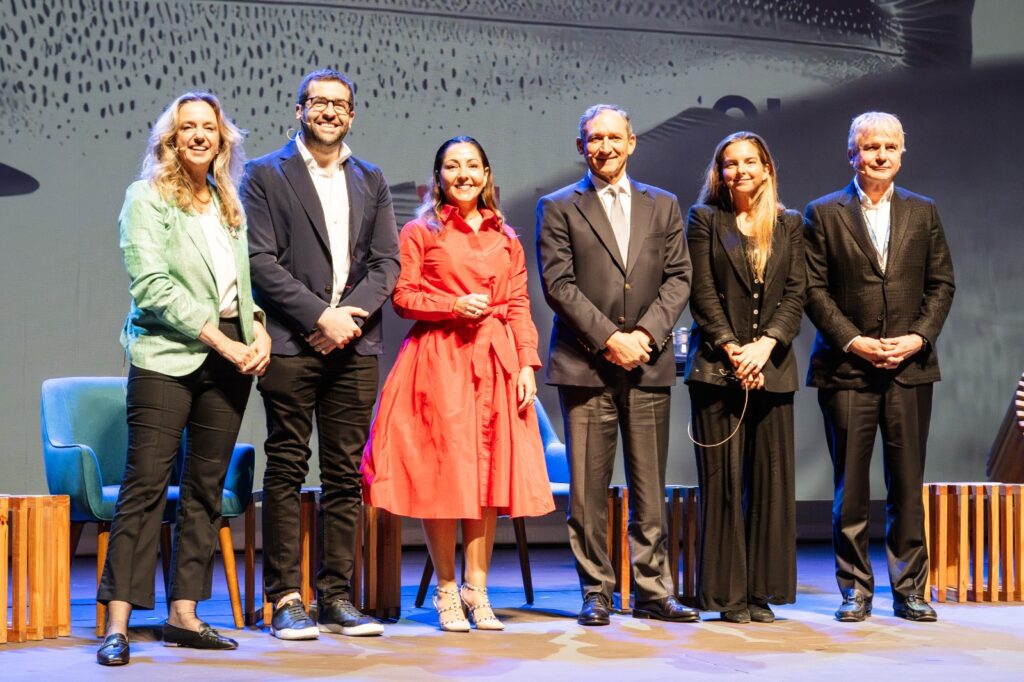
The day began with a high-level panel composed of Roberta Valenca, former General Manager of The Coca-Cola Company for Chile, Bolivia and Paraguay; Antonio Büchi, CEO of Entel; Arturo Natho, CEO of Copec; Alan Meyer, Vice President of the Free Market in Andean countries; and Teresita Morán, Regional Director of BUK for Latam. Panelists addressed fundamental questions about cultural narrative, the national strategic vision and the role of State as a facilitator of economic development, using salmon industry as a central case study to discuss its potential for transformation into a national symbol of success, innovation and shared prosperity.
The second exhibition was in charge of the renowned economist Maria de los Angeles "Cuky" Pérez, who presented the paper "Chile over the next 40 years: Where do we want to be?". The expert, with outstanding track record in global referents such as Airbnb and Shopify in Silicon Valley, addressed how artificial intelligence and data science can transform Chilean salmon farming, allowing knowledge of the local domain to become a global competitive advantage.
During his presentation to the leaders of the aquaculture sector and national authorities, Pérez stated that Chile faces the historic opportunity to stop being just a producer to become a hub of knowledge, where the creation of a shared data ecosystem and the training of local AI models allow us to overcome health barriers and achieve higher standards of efficiency.