The initiative aims to develop an innovative oral immunotherapy based on nanobodies to face the resurgence of the IPN virus, one of the main health challenges of salmon farming, providing an non-invasive solution that could improve the sustainability and competitiveness of the sector.
The Academic from the Faculty of Sciences of the Austral University of Chile (UACh) and Adjunct Researcher of the "Fish Diseases and Antimicrobial Resistance" line of the Applied Research Center, CIA-INCAR², Dr. Jaime Figueroa Valverde, has won a project from the IDeA I+D 2026 competition of ANID, aimed at developing innovative solutions for the national aquaculture industry.
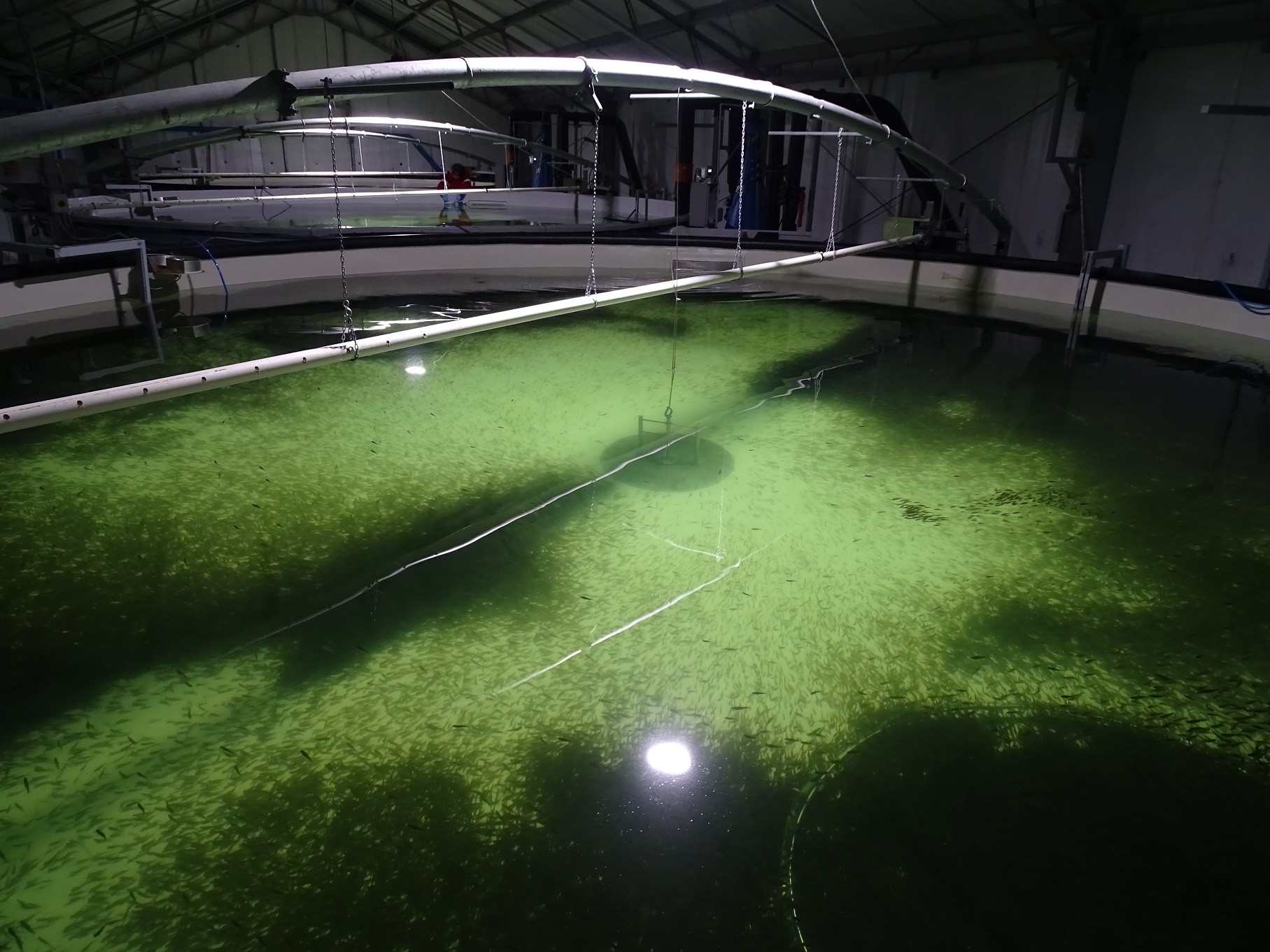
The initiative "IPN virus therapy based on orally administrable nanobodies" aims to address the resurgence of infectious pancreatic necrosis (IPN), a viral disease that has returned to critical levels in recent years, especially in recirculating aquaculture systems.
The project proposes a strategy based on the use of nanobodies derived from camels, a cutting-edge technology characterized by its small size, stability and high efficacy. These compounds will be incorporated into fish feed pellets to be administered orally to the fish, which would allow reducing mortality and improving the health of salmonids through a non-invasive method.
The proposal has Dr. Figueroa Valverde as Project Director and Dr. Guillermo Valenzuela Nieto from the University of San Sebastián (USS) as Alternate Director, and arose from previous work carried out by the then Postdoctoral Researcher at the FONDAP-INCAR Center, Dr. Valenzuela Nieto.

Dr. Jaime Figueroa Valverde highlighted that "the main contribution of this project lies in achieving an economic and effective immunotherapy, administered through the feed pellets, avoiding or complementing invasive methods such as vaccination or complex treatments that increase production costs. This innovative development based on scientific and technological foundations has the potential to positively impact the" salmon farming industry, providing an non-invasive and cost-effective solution against IPNv viral outbreaks by reducing mortalities in the freshwater stage and improving resistance to secondary infections in saltwater, given the epigenetic changes reported in fish surviving this viral infection. Moreover, it will contribute to reducing dependence on conventional treatments such as vaccines, and will position the Chilean industry to vanguard in aquatic biotechnology"
In terms of technological development, the research aims to progress from an initial level (TRL 2) to laboratory validation stages (TRL 4), considering virus neutralization studies, biodistribution and tests in vivo in fish.
With this award, Dr. Figueroa and the INCAR² team reinforce their commitment to the development of innovative solutions to the main health challenges of salmon farming, contributing to the strengthening of a more resilient and sustainable industry.