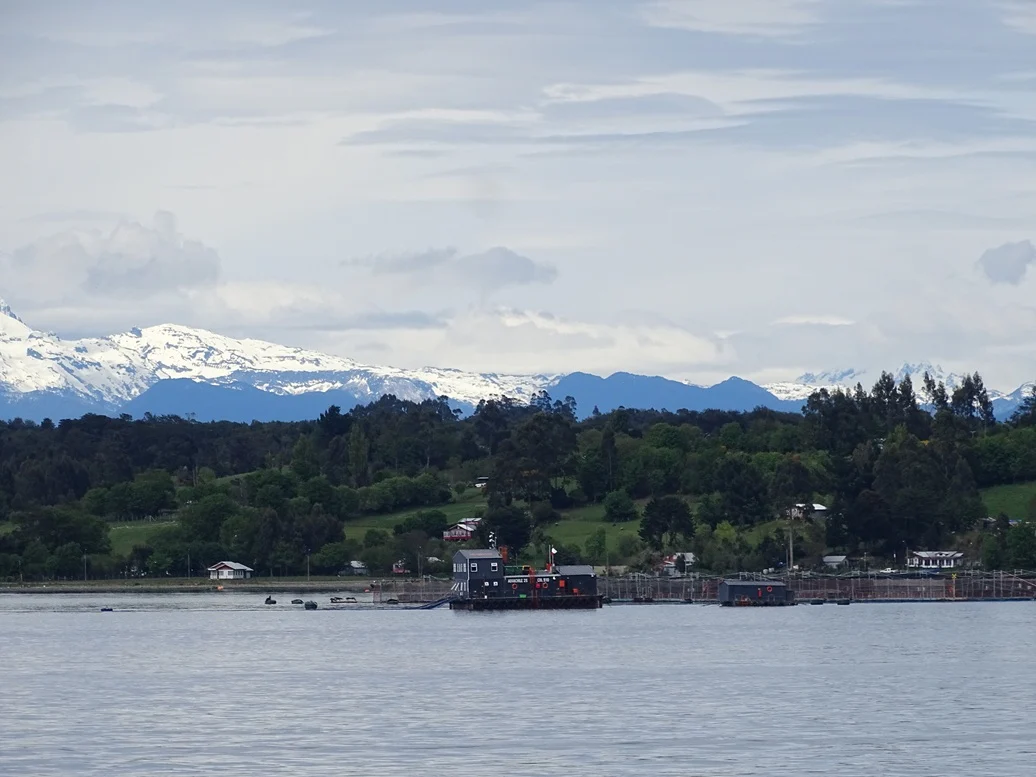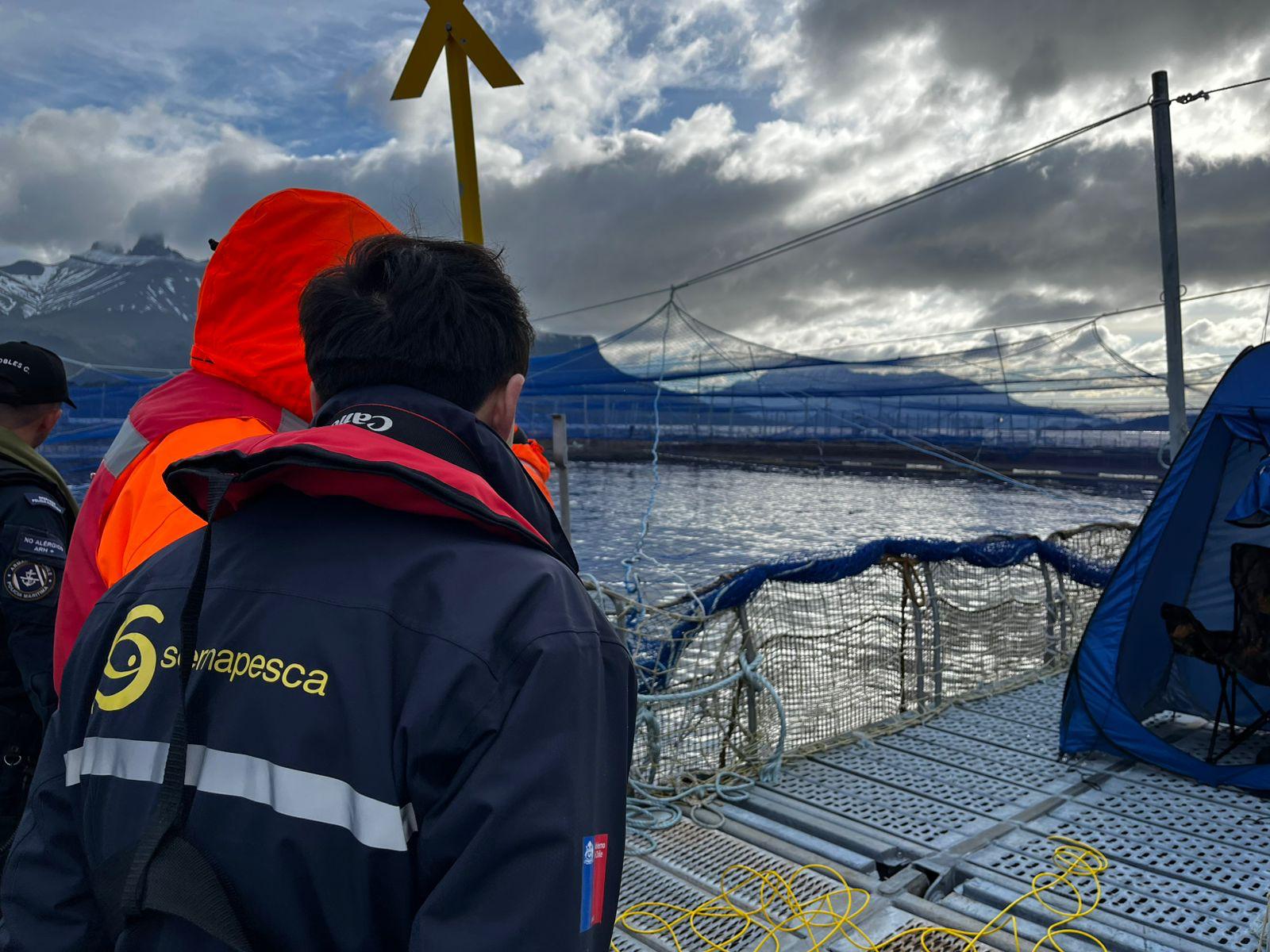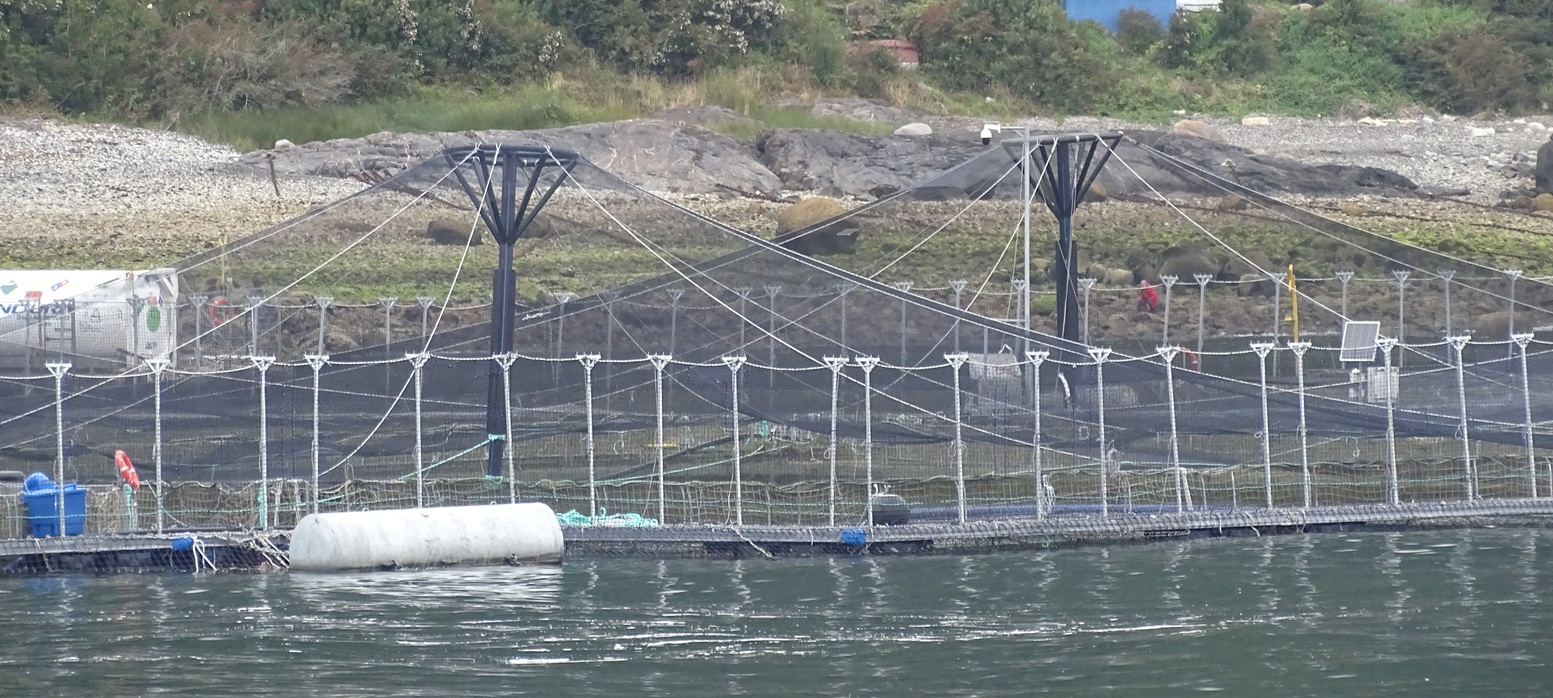
The study, based on official data from Sernapesca, confirms the widespread presence of the disease in Los Lagos, Aysén and Magellan, and identifies factors associated with increased mortality.
Tenachibaculosis was consolidated as one of the main health threats to Chilean salmon farming in recent years, according to the first national epidemiological study on this bacterial disease. The research determined that 65.2% of the marine production cycles analyzed between 2018 and 2021 recorded mortality attributed to this pathology, showing its wide distribution in the main areas production companies of the country.
The work, published in the scientific journal Journal of Fish Diseases, examined 1,192 cycles of cultivation of Atlantic salmon, Coho salmon and rainbow trout in the regions of Los Lagos, Aysén and Magellan. The study was developed by the researchers Álvaro Gaete-Carrasco, of the Faculty of Natural Resources and Veterinary Medicine of the Santo Tomás University; Carla Rosenfeld, of the Institute of Preventive Veterinary Medicine of the Universidad Austral de Chile; Marcela Lara of the Center for Antimicrobial Stewardship in Aquaculture of the University of Chile; Fernando Mardones of the Royal (Dick) School of Veterinary Studies of the University of Edinburgh; and the Academic of the Andrés Bello University and Alternate Director of the Interdisciplinary Center for Aquaculture Research – Applied Research (CIA-INCAR²), Ruben Avendaño-Herrera, using official information the Sernapesca health surveillance system.
Tenacibaculosis is a disease caused by bacteria of the genus Tenacibaculosis. Tenacibaculum, which mainly affects the skin and external tissues of fish. Based on weekly mortality reports collected between July 2018 and July 2021, researchers identified 777 production cycles with mortality associated with this condition. The incidence was particularly high in the southern regions, reaching 76 per cent of the cycles in Aysén and 82.1 per cent in Magellan, while in Los Lagos the figure reached 50,2%.
The results also showed significant differences between species. The disease was reported in 76.4% of the Atlantic Salmon cycles, in 72.1% of the rainbow trout and in 36.8% of the Coho Salmon. The authors clarified that these percentages represent productive cycles that recorded some mortality attributed to Tenachibaculosis and not the total proportion of fish killed by the disease. However, they maintain that the magnitude of the reports confirms that the pathology is endemic and is widely distributed in the national salmon industry.
The analysis also detected seasonal patterns differentiated by region. In Los Lagos, mortality increases were concentrated during the winter; in Aysén, mainly between autumn and winter; and in Magellan, towards the end of winter, with a peak in September. Although the researchers observed that these periods coincided with lower water temperatures, they stated that the temperature was not incorporated as a variable. the statistical model, so its influence remains as a hypothesis to be evaluated in future research.
Tenacibaculosis and Caligus rogergresseyi
One of the most relevant findings of the study was the association between Tenachibaculosis and the high spread of Caligus rogercresseyi, the ectoparasite known as sea lice. The statistical model showed that the centers classified with high dissemination of Caligus They had a 3.23-fold higher probability of recording relevant mortality from Tenacibaculosis compared to those without this classification. However, the researchers emphasized that this relationship does not demonstrate direct causality.
According to the authors, skin lesions caused by ectoparasite could facilitate the colonization of gender bacteria Tenacibaculum, in addition to affecting the immune response of fish. They also raise the possibility that Caligus act as a vector for these microorganisms. Even so, the significant presence of Tenachibaculosis in Magellan, where Caligidosis tends to have a lower prevalence, suggests that there are other factors involved, such as low temperatures, mechanical injuries, or other damage that compromises skin integrity.
The study also identified a particularly strong association between the disease and the Atlantic salmon cycles grown in the Aysén Region. This combination presented a momium ratio of 5.41 for the reference category used in the analysis. Although initially links with Piscirickettsiosis (SRS) and mechanical damage also emerged, these variables did not maintain an independent association in the model multivariate finale.
The researchers highlighted that one of the strengths of the work lies in the use of health information collected weekly by the official surveillance system of Sernapesca, which allowed identifying territorial, seasonal and sanitary patterns on an unprecedented scale. However, they warned that the causes of mortality correspond to reports made within the official program and not necessarily to confirmed diagnoses. case by case by bacterial isolation or molecular analysis. Based on the findings, the authors recommend strengthening health surveillance by considering the differences between regions and species, with particular attention to the periods of greatest risk and to the centers with high dissemination of Caliguswith the aim of improving the health of fish and the sustainability of salmon production.