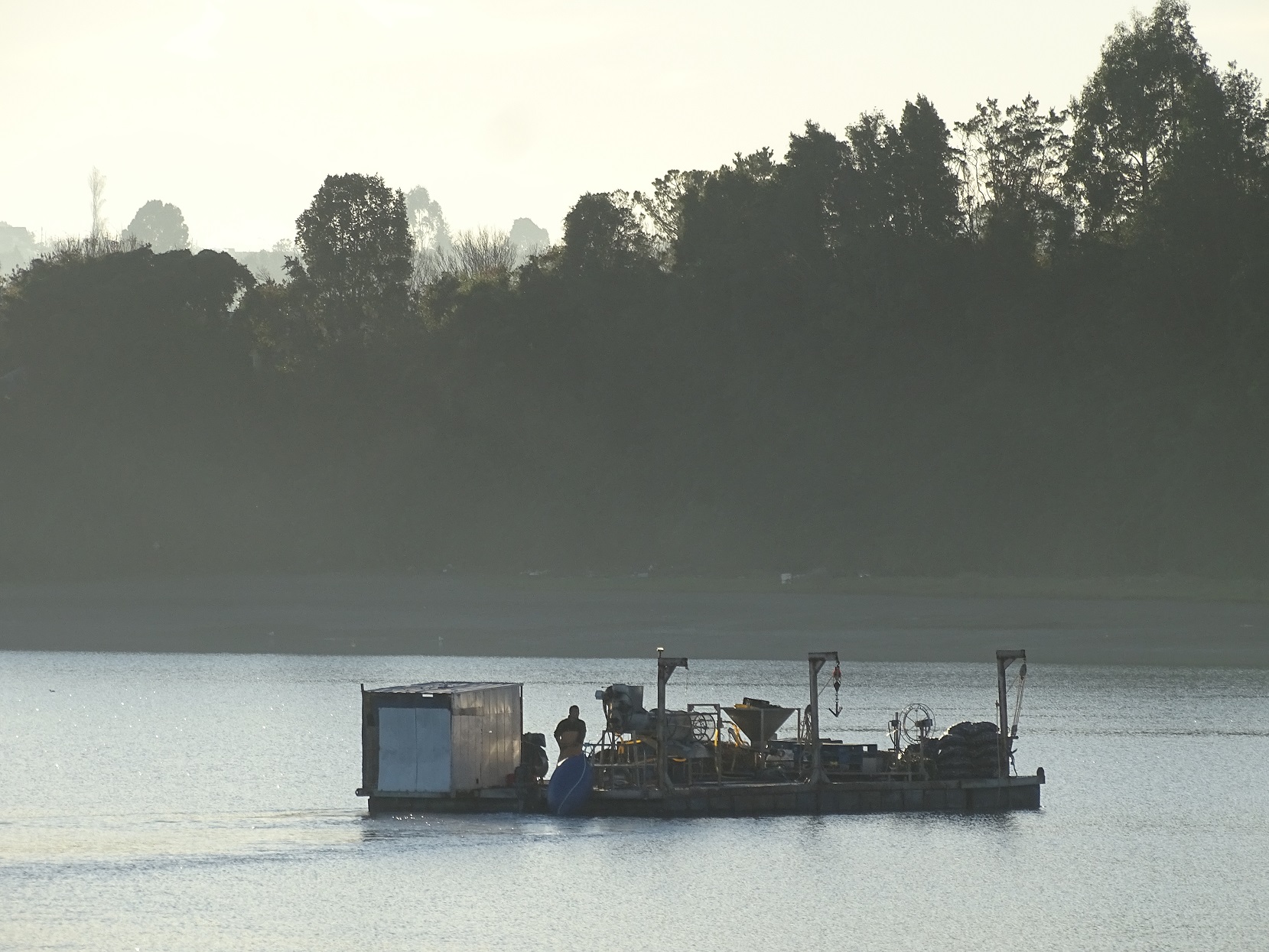
Study of the INCAR Center deepens the growth of mussel aquaculture in Chile, the impacts of this expansion in environmental, economic and social terms, and the challenges facing the industry today.
A Study of Online Researchers “Socio-economic sustainability” the Interdisciplinary Center for Aquaculture Research (INCAR), asked how the so-called "Miracle of the Mussel", in other words, how Chile’s mussel industry went from exporting negligible volumes (about 2,000 tonnes in the early ’90s) to becoming the world’s largest exporter of the species, with 400 thousand tonnes in 2020. Chile ranks second worldwide in production, after China.
Dr. Marjorie Baquedano (University of Bío-Bío/INCAR), Dr. Carlos Chávez (University of Talca/INCAR), Dr. Jorge Dressner (Universidad de Concepción/INCAR) and Dr. Håkan Eggert (Department of Economics, University of Gothenburg, Sweden) analyses the impacts of this expansion in environmental, economic and social terms, as well as the challenges currently facing industry.
The research is based on semi-structured interviews with key informants in the Los Lagos region, where most of the national mussel production is concentrated, an exhaustive review of existing literature, and an analysis of recent data obtained through the application of the methodology of the Aquaculture Performance Indicators (API), used for assess the performance of aquaculture production systems in the country.
The reasons for the boom
“The expansion of the mussel industry in Chile is a complex and multivariate process, involving various determining factors. The key elements behind the rapid growth of this industry are identified, highlighting the role of favourable natural conditions, a policy of research, promotion, active international trade, private investment both domestic and foreign, a labour force with previous experience in mussel extraction, and favorable conditions in the world mussel market,” explains the authors in the paper published in the Journal Reviews of Aquaculture.
The researchers point out that the existence of basic enabling natural conditions — such as climate, adequate water quality and oceanographic and environmental conditions — explains why industry has developed exclusively in the Los Lagos region and not in other parts of the country.
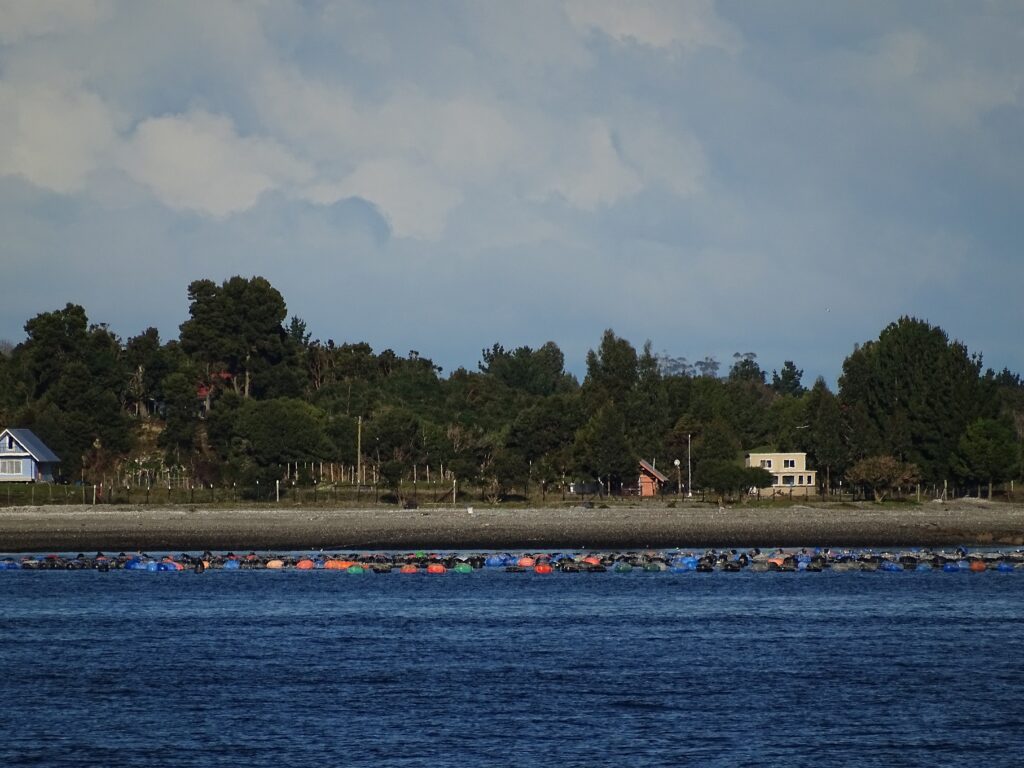
Along with this, the development of government policies that promoted research into mussel aquaculture, the creation of pilot breeding centres that were later transferred to non-State actors, and an active trade policy that reduced tariffs and established agreements with many countries, were actions that contributed to generating the necessary conditions for the industry to take off.
Likewise, the interest of national and international actors in investing in the Chilean mussel industry, the acquisition and development of technological improvements, and the formation of a business cluster with the participation of firms of different sizes made it possible to increase production, penetrate new markets and reduce productive risks.
The labor force needed to sustain this growth was found in coastal populations experienced in mussel extraction. Finally, the external conditions that favored the development of this industry include the enormous growth and transition to more processed product formats in the global demand for mussels, the reduction of the costs of refrigerated shipping, and the opening of the market to Chilean exports.
The challenges for further growth
While basic natural conditions exist for the development of the sector to be economically viable, favourable external conditions for the growth of the industrial sector are also essential. This requires knowledge of the potential of each industry to develop in a given territory, as well as of prospects in international markets.
In addition, it is very important to generate acquired conditions that promote industrial development. These conditions can be influenced by public policy measures. “In this sense, a growth-oriented policy, with the participation of various actors and public-private agreements, is relevant,” the researchers argue.
From a public policy perspective, the findings of this article highlight the critical role of state-sponsored programs that incorporated private actors in the development of mussel cultivation, trade policies that strengthened the global competitiveness of Chilean mussel industry, and the successful negotiation of free trade agreements to reduce tariff barriers.
Future growth will depend on maintaining favourable trade relations, especially with key markets such as the European Union and emerging economies in Asia. Policy makers may also consider the implementation of specific subsidies or support programmes that encourage small producers to adopt certification processes, increasingly required by international buyers. Finally, a major challenge is to overcome extensive production and control all stages of production. Specifically, to achieve levels of profitability that allow it to resolve its dependence on uncontrollable environmental conditions, at the base of the production chain (seed capture of the environment).
“The lessons that can be drawn for other attempts to develop marine resource-based industries in the world are that these are long-term projects that require the simultaneous involvement of multiple factors and actors. There are no easy paths to industrial development,” concluded the researchers in the study.
Review the study The Rise of Mussel Aquaculture in Chile: Causes, Effects,and Challenges here.