The document, which summarizes the results of the workshop held during the Caligidosis Congress, was attended by 175 key actors from academia, suppliers and the public sector.
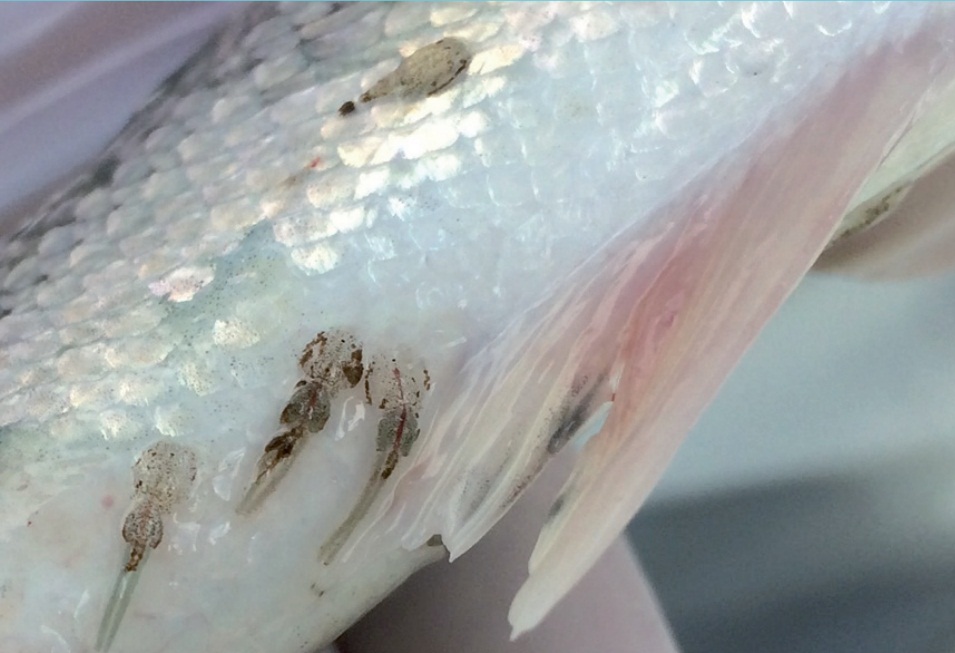
The Technological Institute of Salmón (Intestesal) together with the Incar Center and the Universidad Austral de Chile, gave the National Fisheries and Aquaculture Service (Sernapesca) a technical report with strategic recommendations for the effective and sustainable management of caligidosis, one of the main health problems facing the productive sector, both nationally and internationally.
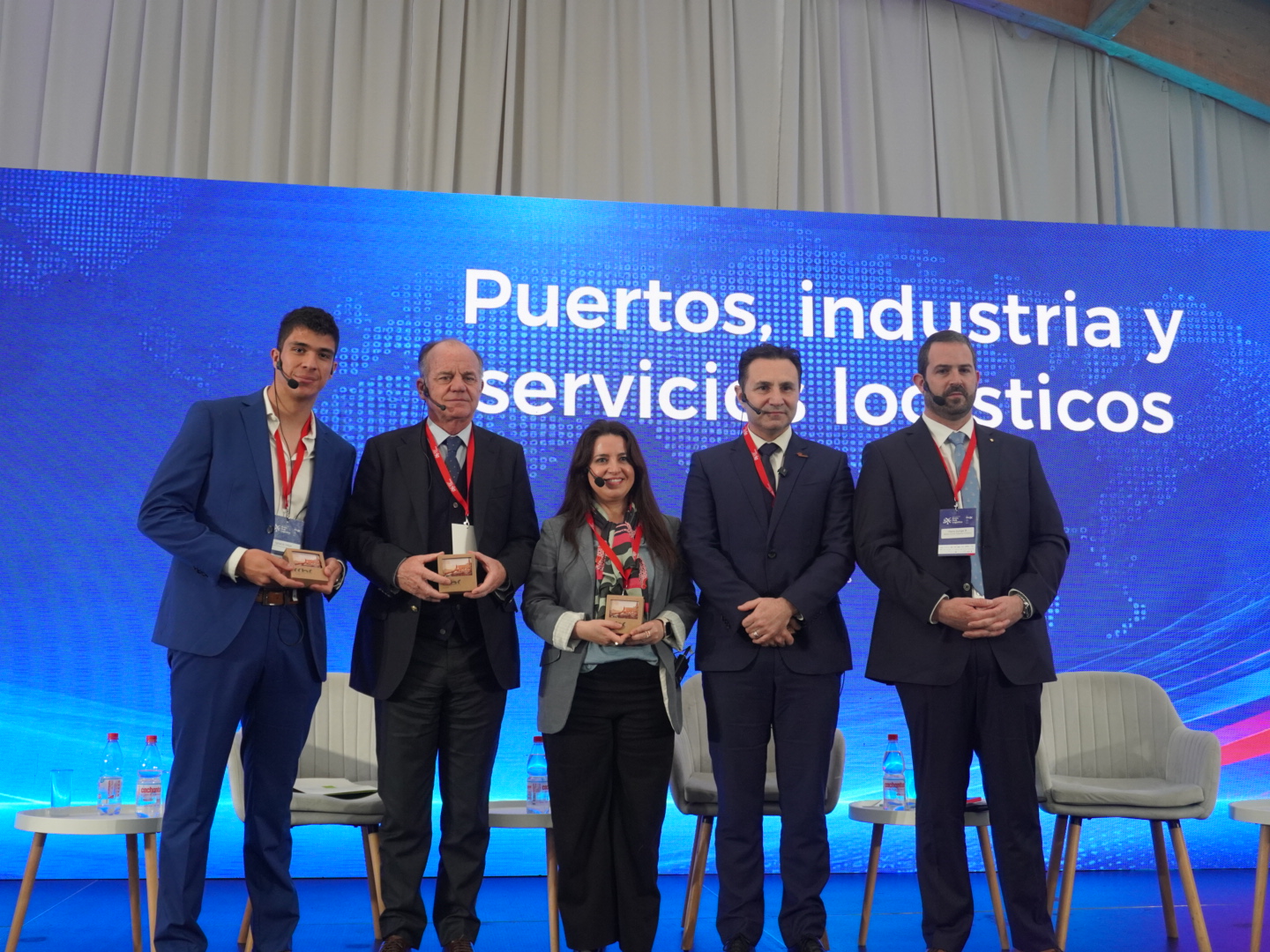
The document is the result of a collaborative workshop held within the framework of the recent Caligidosis Congress, which brought together 175 relevant actors from the aquaculture ecosystem, including representatives of producing companies, scientific community, service providers and sectoral authorities. During three days of work, participants analyzed and discussed the academic, technical and regulatory challenges related to parasite control, using a systematic methodology to generate concrete proposals.
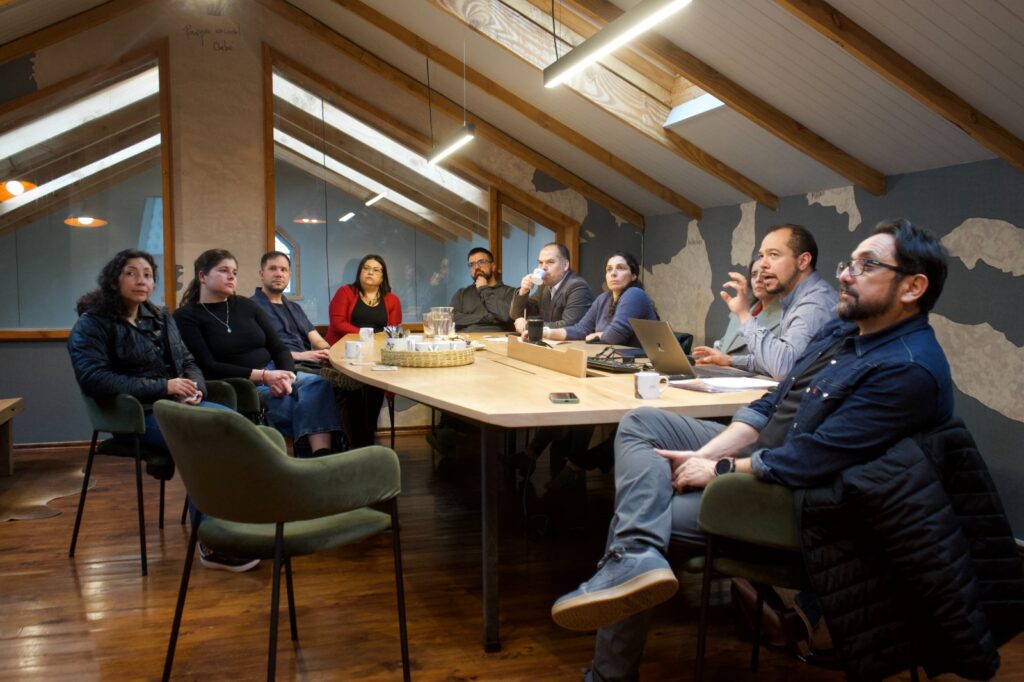
“The paper presented to Sernapesca summarizes the results of a workshop that emerged as an invaluable opportunity during the recent Congress of Caligidosis,” said Alexander Jaramillo, Intesal Health and Safety Coordinator. “This forum brought together 175 key actors from industry, academia, suppliers and the public sector to analyze the academic, technical and regulatory challenges that allow us to move towards a more effective and sustainable management of this disease. In a collaborative effort and using a systematic methodology we managed to synthesize the results of this workshop that were reflected in this report,” he said.
The study was positively valued by the authorities of the Service. ” It is very important to have this document available for analysis and thus be able to evaluate the different measures put in place in the workshop that can be established. It will also be an important input to review at the caligidosis table with producers, where also Intesal support will be very important to present and discuss the results", said Osvaldo Sandoval, head of the animal health department of Sernapesca.
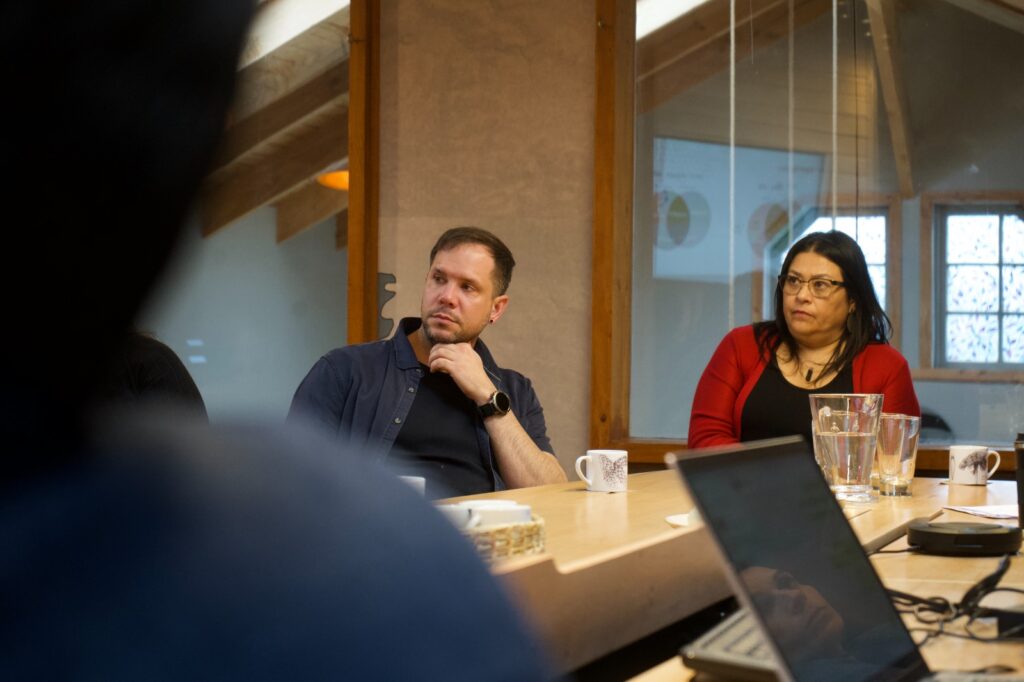
The academy also played a leading role in the preparation of the report. Sandra Marin, currently director of the graduate school at the Puerto Montt Headquarters, highlighted that the possibility of bringing together so many and various actors at work tables in the caligidosis workshop was very significant, as it allowed them to gather the different visions that emerge from the experience and knowledge of the various actors in the aquaculture sector. “It’s important to note that this was made possible by inter-institutional collaboration and the interest of the actors in this cross-cutting problem of the salmon industry,” he stressed.
For his part, Cristian Gallardo, academic of the University of Concepción and deputy director of the INCAR Center, emphasized that this document shows a little the great interaction that exists between these three entities and which the trigger of these undoubtedly is Intesal. “It is certainly a road map also for the next years and for the next event, where it marks the main points where you need to emphasize things to do an industry mostly sustainable on the subject of caligidosis," he said.
From 30 November to 04 December Chile will host the XIII International Sea Lice Conference, the world's most important scientific event in the research of sea lice affecting salmonids, which is planned to bring together some 300 national and international participants in the city of Puerto Varas.
The program will include keynote lectures, scientific sessions, oral presentations, posters exhibition, technical-commercial talks and thematic workshops to share findings, discuss common challenges and develop strategies to address this complex problem.