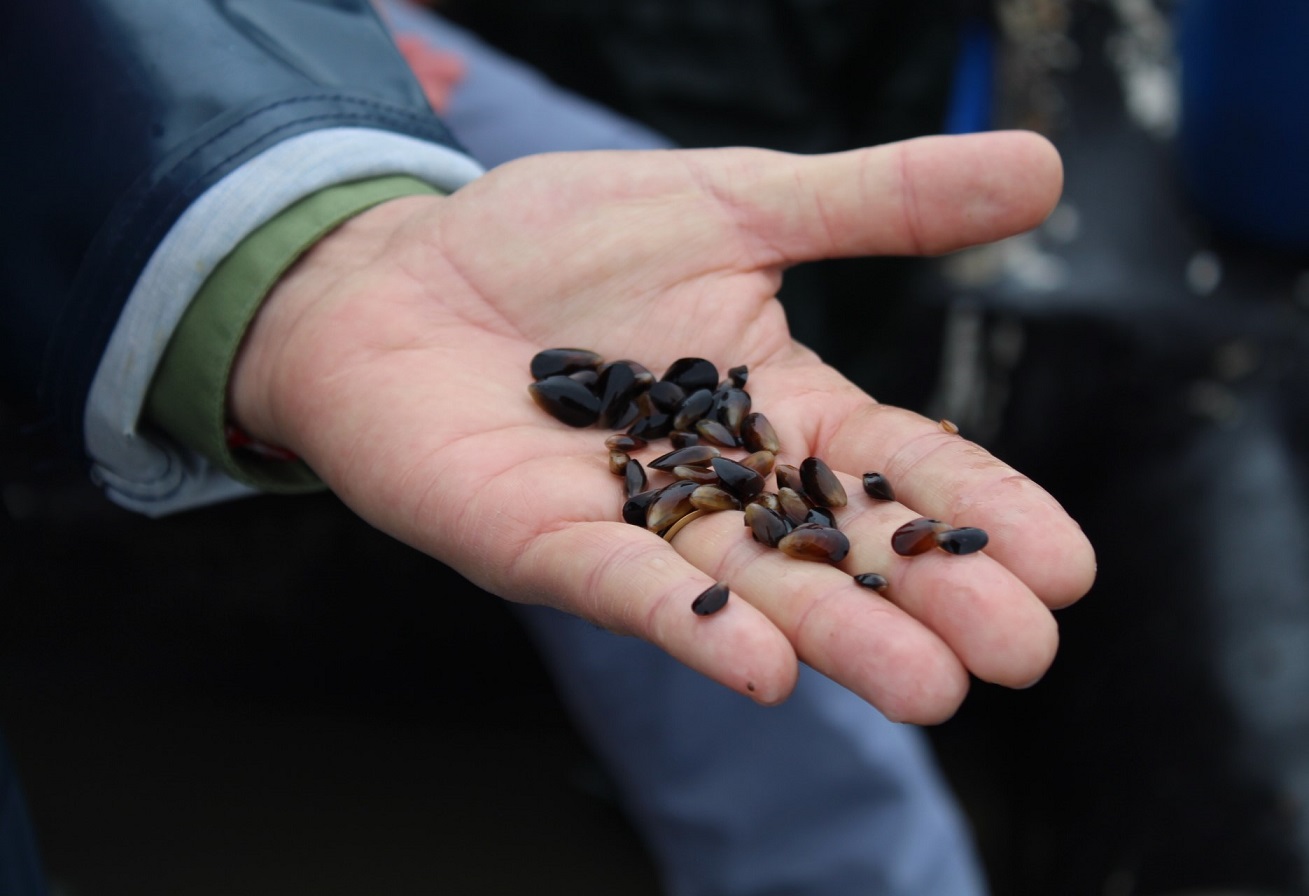
Although the current seed harvesting season has been relatively normal compared to the previous one, the smaller seedings of 2024 would affect the decline in the following years.
Chile's mining industry, the world's leader in the export of crop choritos, faces a complex scenario for the coming years due to an estimated 30% to 40% decrease in seeding during 2024, due to seed shortages. This situation, combined with other factors, could have a significant impact on chorito production by 2025 and 2026.
According to Rodrigo Carrasco, executive director of the Association of mussel producers in Chile“While there is a remnant of biomass in water from one year to the next, we estimate a 10% to 20% reduction in production for this year, which can result in an advance of the harvest term in 2025 and the consequent postponement of the following season at the beginning of 2026.”
Carrasco explained that the reduction of the harvest and process season would directly affect production between November and December 2025, as it is the result of the lowest seeding of the previous year, so the industry should expect a better yield -probably - until the summer of 2026.
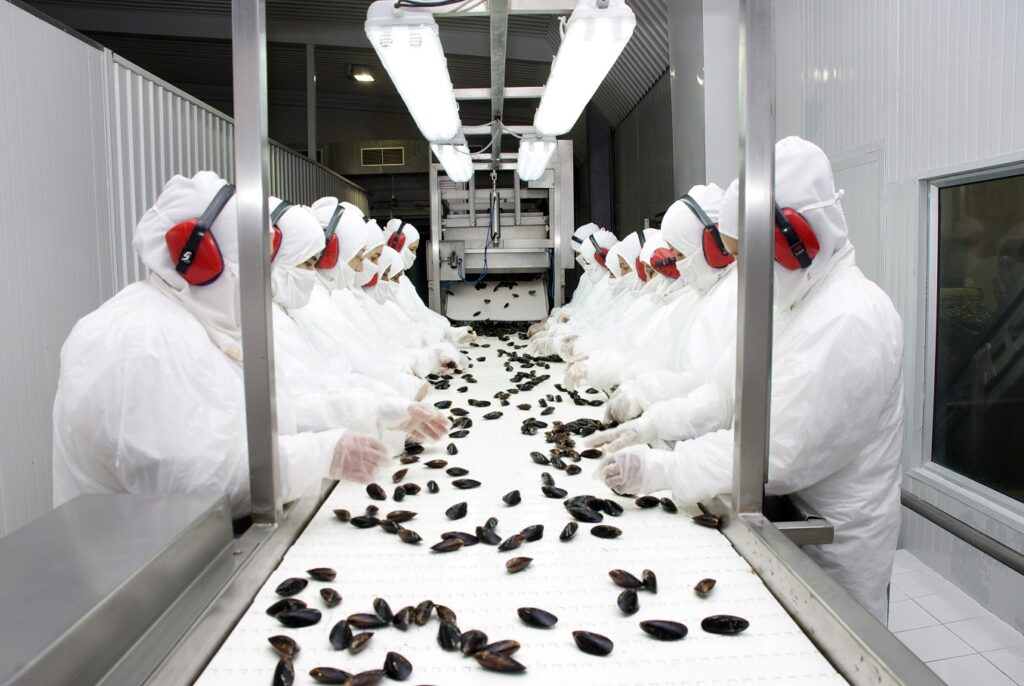
In addition, the Executive Director warned that, in the medium term as the whole product was sown in a more concentrated period, the overall yields of biomass could be diminished or delayed, because the natural food of the choritos is little variable, which would result in lower calibre yield and productivity. “We believe this would impact the projected production of the following season in a similar way to what is happening this 2025 or even more strongly,” Carrasco said.
Seeds
Although seed harvesting for the 2024-2025 season has returned to average levels, according to Intemit, the industry cannot lower its guard. Camila Barría, in charge of R & D & I of Intemit, stressed that “the collection of seeds is subject to changing environmental factors, typical of our area, so it is essential to advance in research to anticipate possible variations in the future.”
In this context, the sector calls for strengthening collaboration between the scientific community and mussel producers. “For any industry, having clarity about the scenario affecting its raw materials is synonymous with maturity and consolidation. The cultivation of national mussels is no stranger to this challenge and requires the support of science to continue to grow sustainably,” Barría concluded.