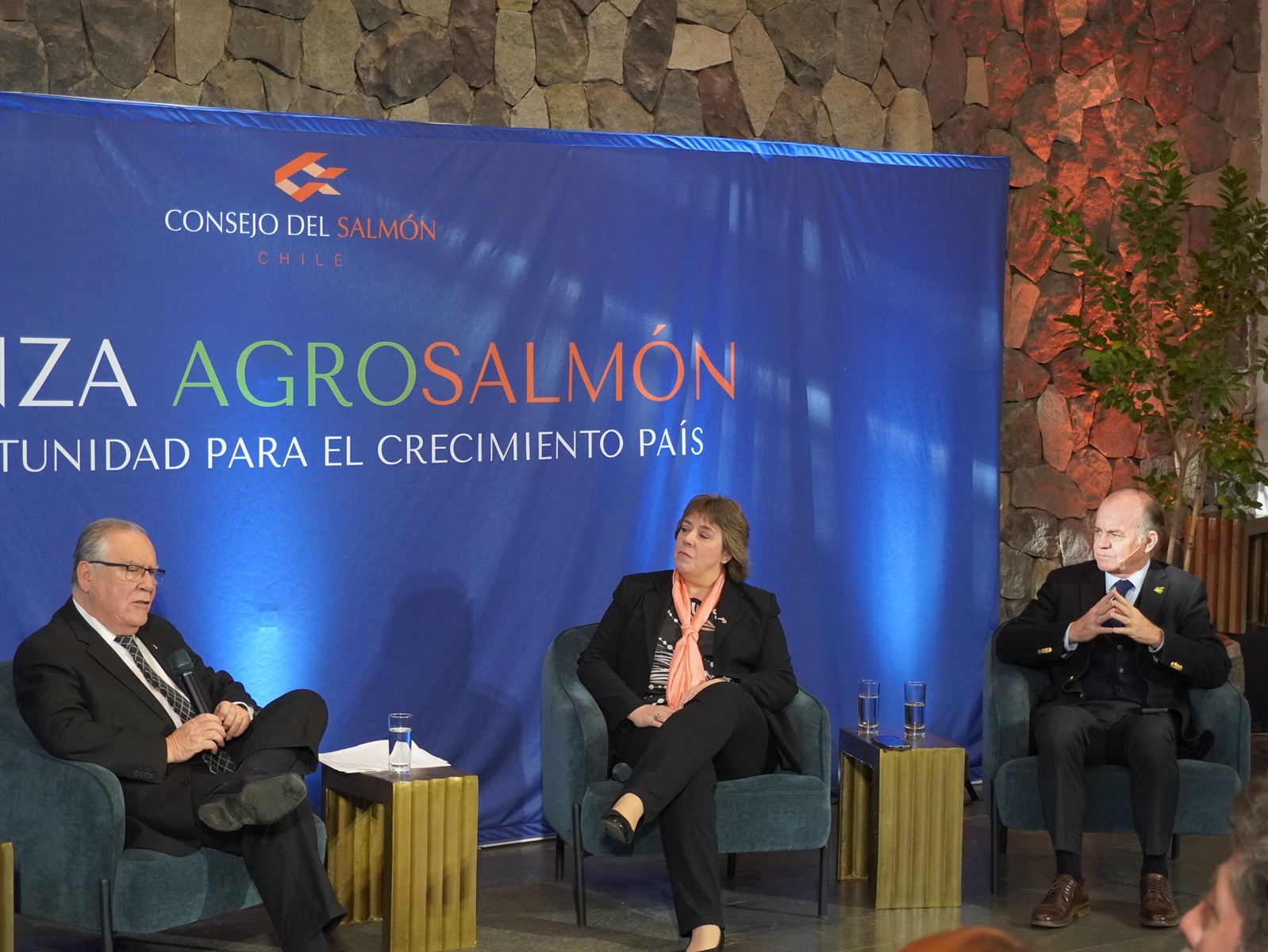
Salmon Council presented the 2026-2027 roadmap for AgroSalmón following a study that identified an opportunity to strengthen the relationship between agriculture and salmon farming. The initiative was analyzed together with the Minister of Agriculture, Jaime Campos, and the president of SNA, Antonio Walker.
A specific opportunity for the Chilean sector to participate more strongly in one of the country's main export industries was the main message of the meeting "AgroSalmón Alliance: an opportunity for national growth", organized by the Salmon Council together with Field Magazine de The Mercury.
During the event the results of the first study on the productive chain between agriculture and salmon farming were presented, carried out by economist Rodrigo Krell. The analysis concludes that if the participation of national raw materials in salmon feed increases, the demand for Chilean wheat could reach 230 thousand tons, opening a concrete opportunity for farmers in the center and south of country.
But the main result of the meeting was another. The alliance between agriculture and salmon farming ceased to be an idea and entered an implementation stage, with a defined roadmap and a joint commitment from the Government, agricultural unions, the salmon food processing industry and the Salmon Council to develop a national value chain with impact on employment, competitiveness and economic growth.
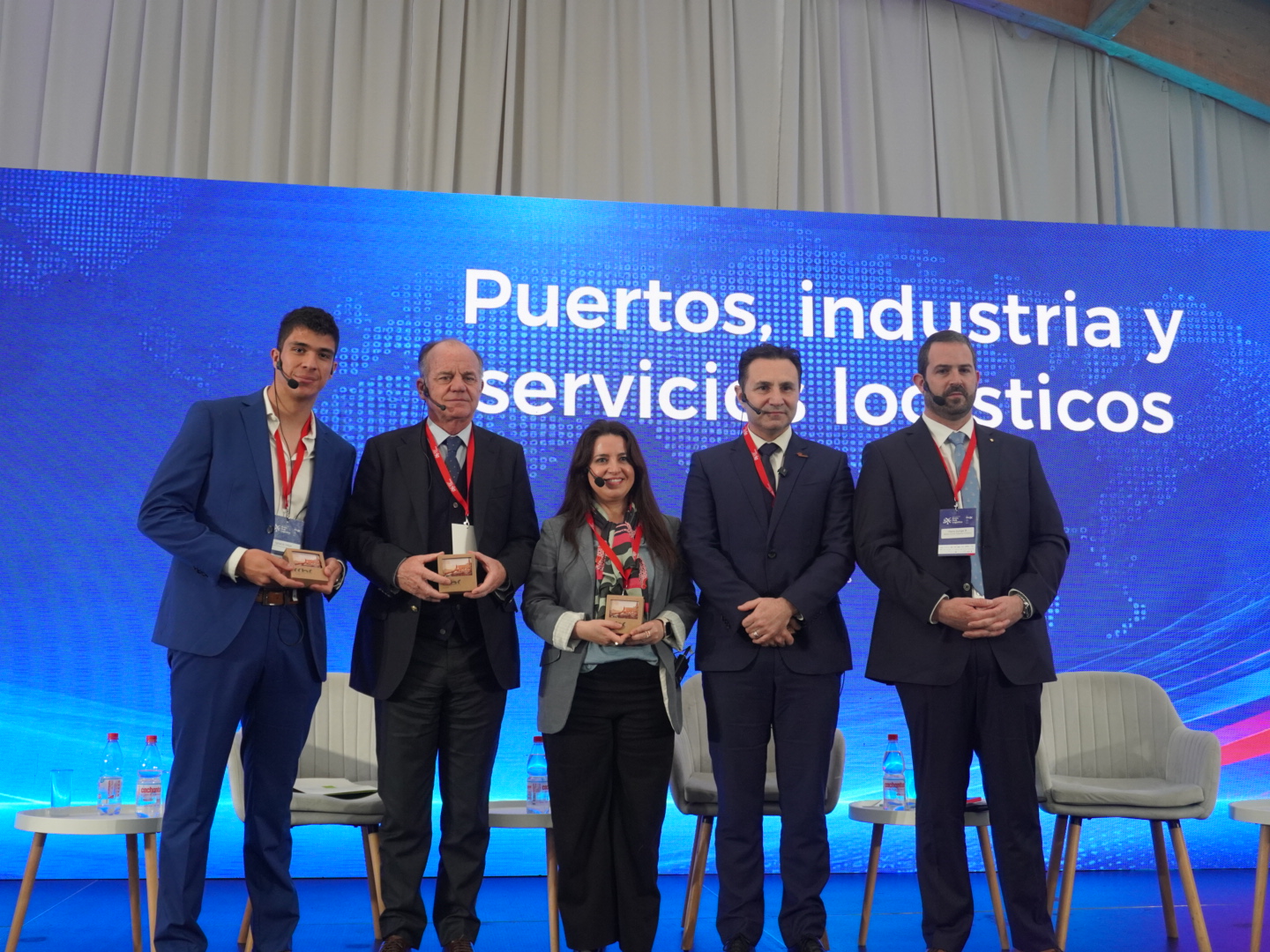
The meeting brought together the Minister of Agriculture, Jaime Campos; the president of the National Society of Agriculture (SNA), Antonio Walker; and the executive president of the Salmon Council, Loreto Seguel, who agreed that there is an opportunity to connect productive capacities that can now generate greater value for Chile.
"This study confirms something we have been building for several years. Agriculture and salmon farming are already connected. Today we have evidence, a roadmap and a work agenda to transform that relationship into more development, innovation and opportunities for the regions. When productive sectors work together, Chile grows," said Loreto Seguel.
Salmon farming is today the second most exported product from Chile and nearly 60% of the feed used in its production corresponds to ingredients of plant origin, mainly wheat, soy and rapeseed. However, an important part of these inputs still comes from abroad, which opens space to strengthen the participation of national suppliers.
The AgroSalmon Alliance seeks precisely to capture some of this potential, connecting agriculture, salmon farming, science, innovation and food processing industry to build a more integrated, competitive and sustainable production chain.
During the discussion, the AgroSalmón road map 2026-2027 was also presented, which considers joint technical work to progressively increase the use of national raw materials, strengthen innovation and generate new opportunities for farmers, supplier companies and southern regions.
"The first stage was building trust. Now a different stage begins, where that trust is transformed into concrete projects. We want this partnership to generate profitability for farmers, strengthen our suppliers and contribute to the development of the territories. That's the way we understand growth," Seguel added.
During the activity, Minister Jaime Campos highlighted the need to advance a joint work model among farmers, food processing companies and salmon farming, while Antonio Walker valued this initiative as an opportunity to regain competitiveness in traditional crops and open new markets for domestic agricultural production.
The Salmon Council noted that AgroSalmón represents a long-term agenda to strengthen food production in Chile, where the articulation between agriculture, salmon farming, food processing industry, science and innovation can generate greater added value, boosting regional development and consolidating Chile as one of the world's leading food producers.