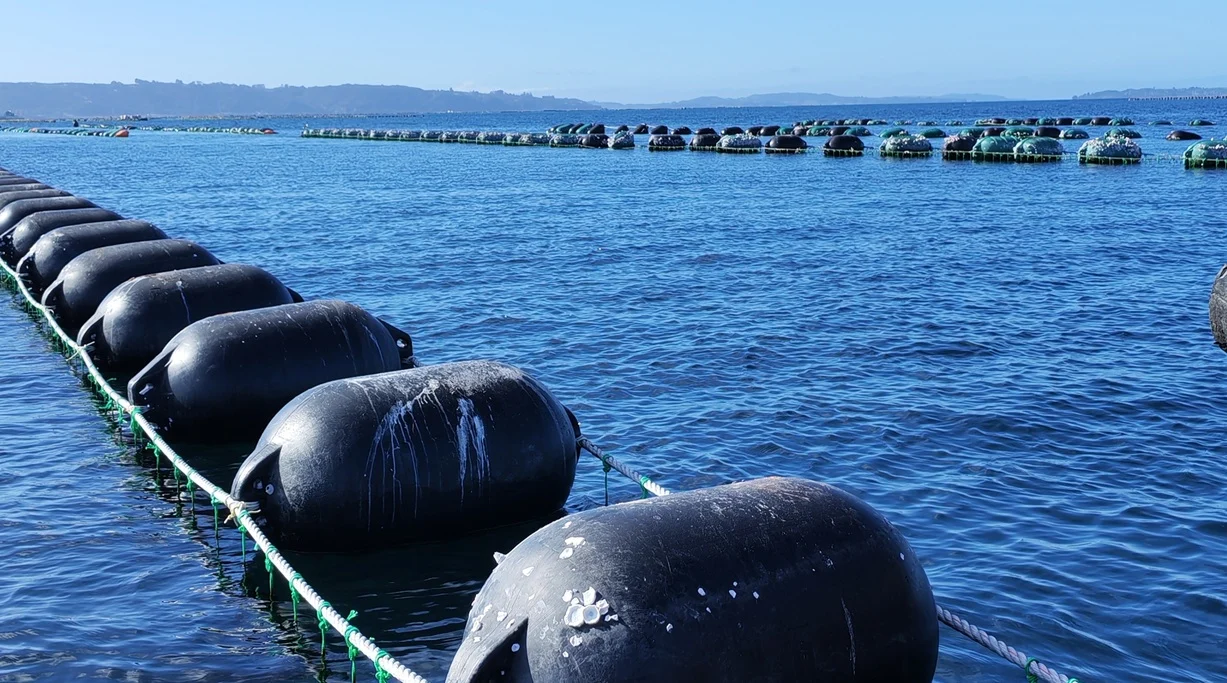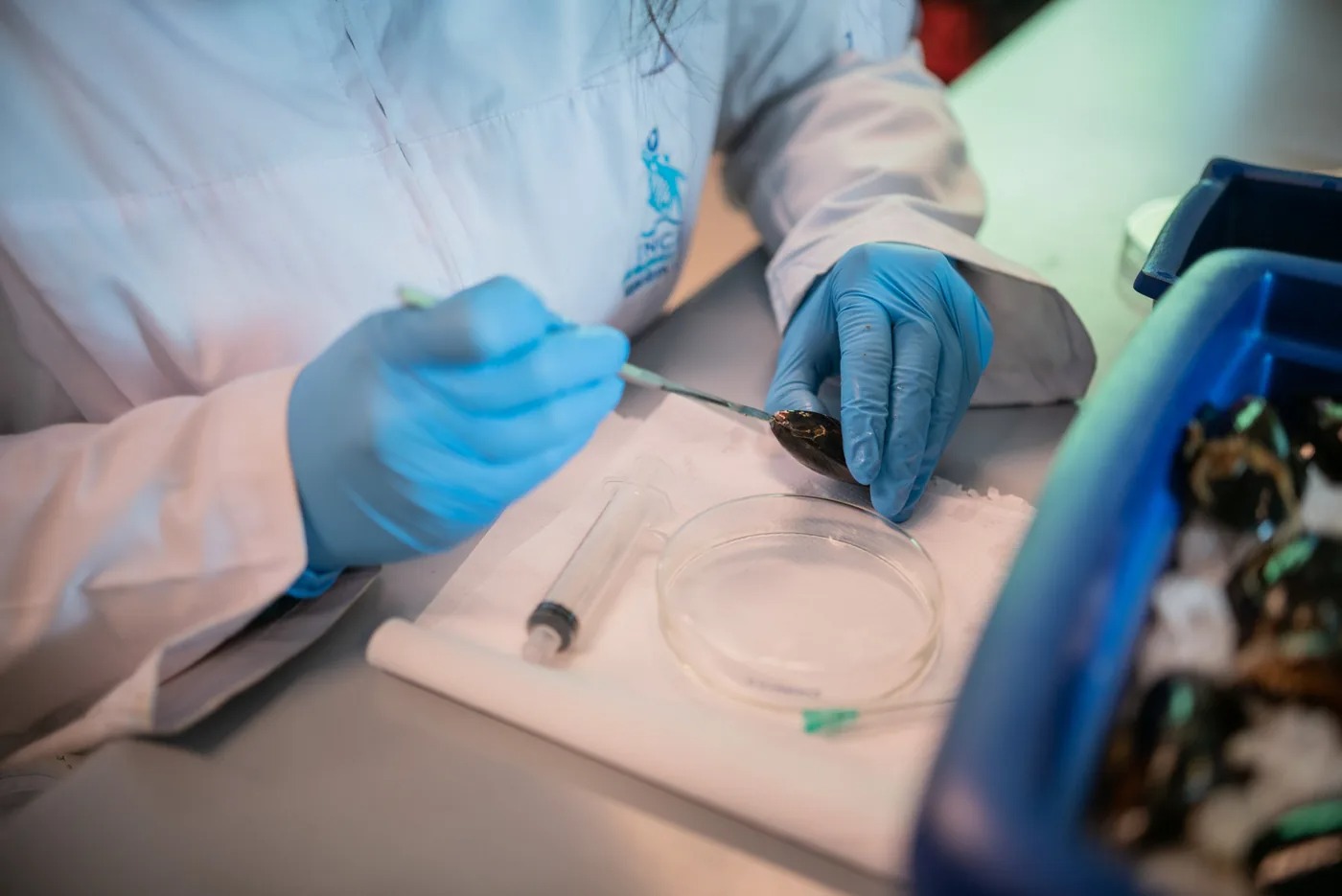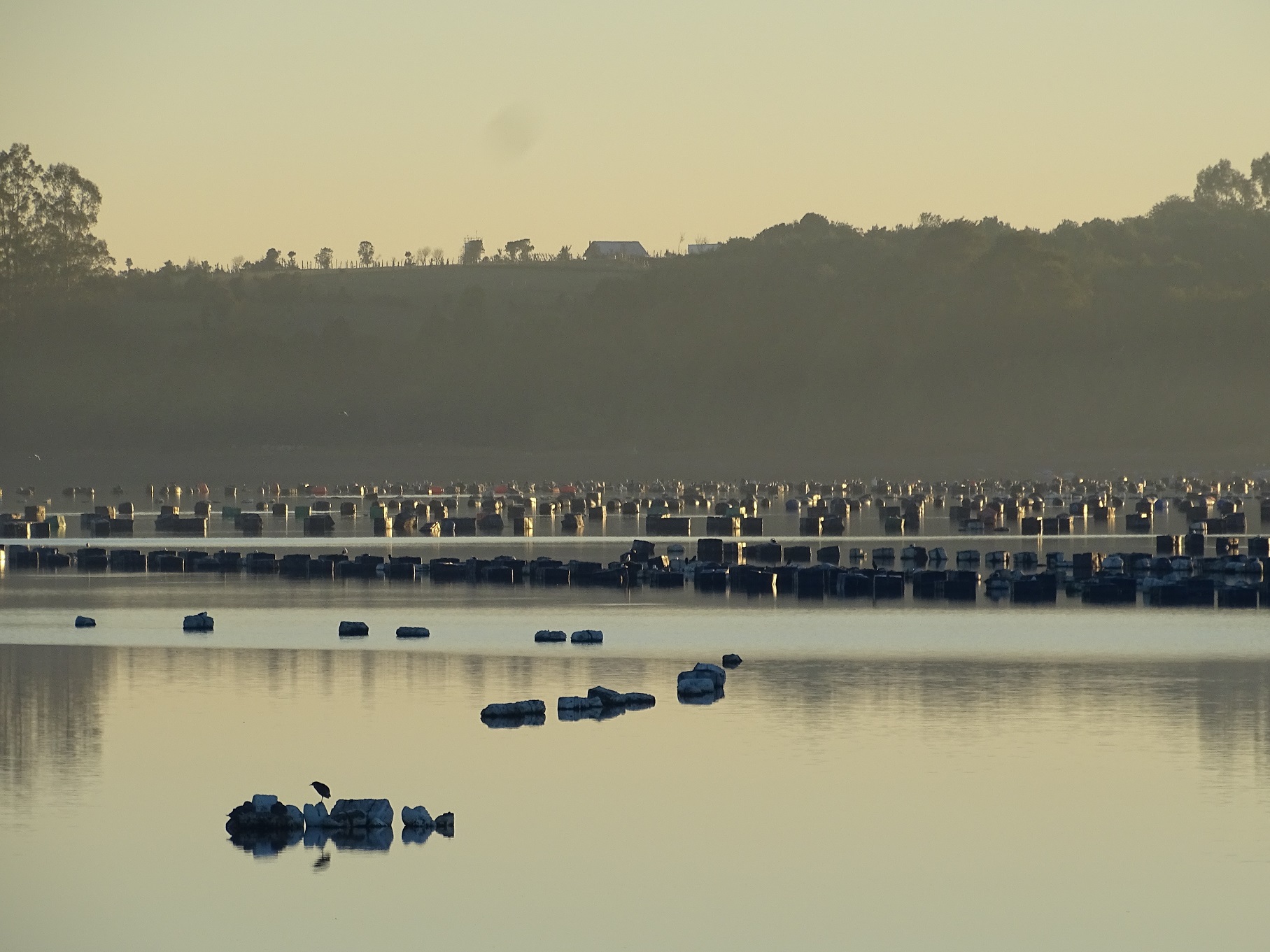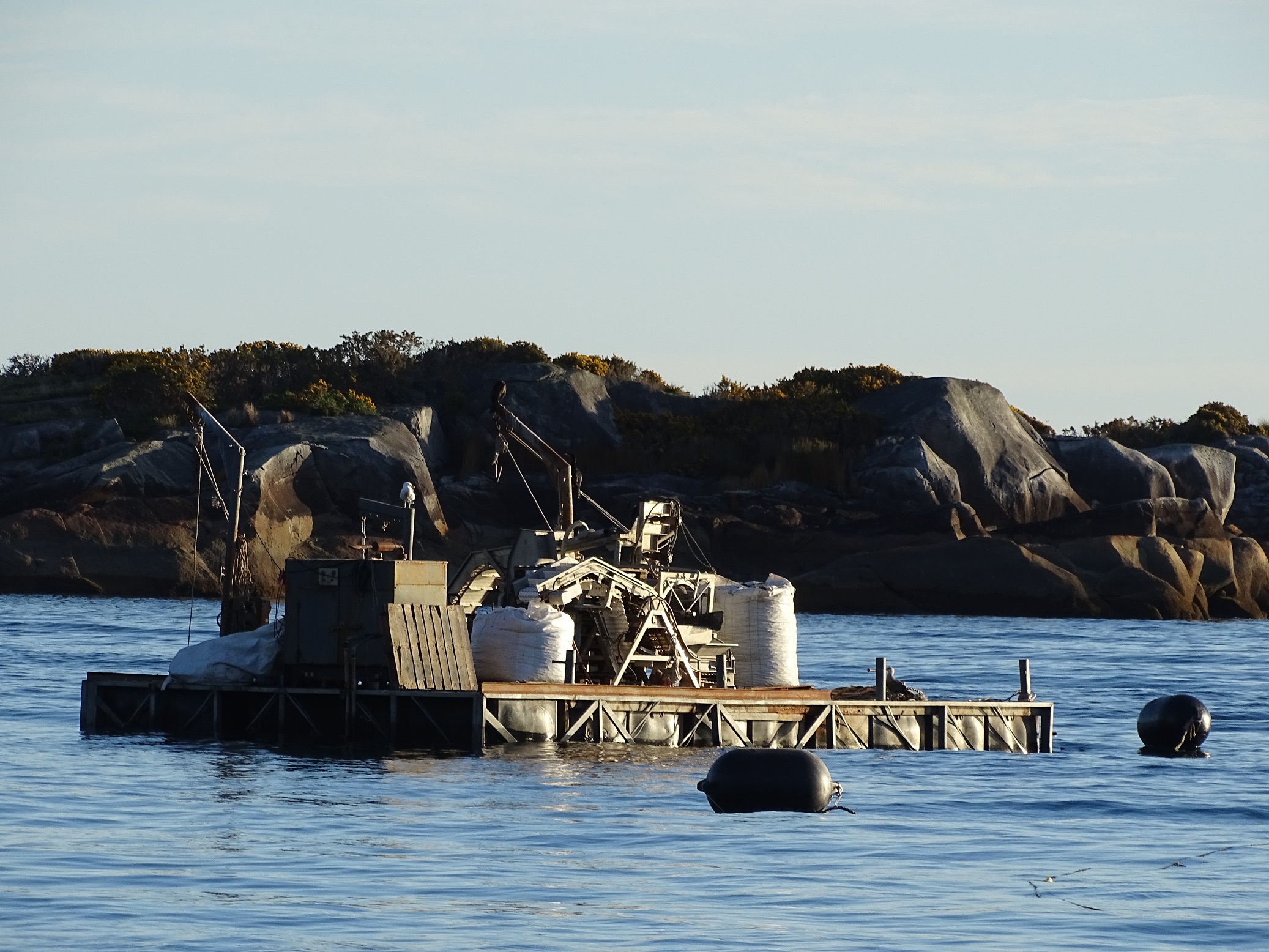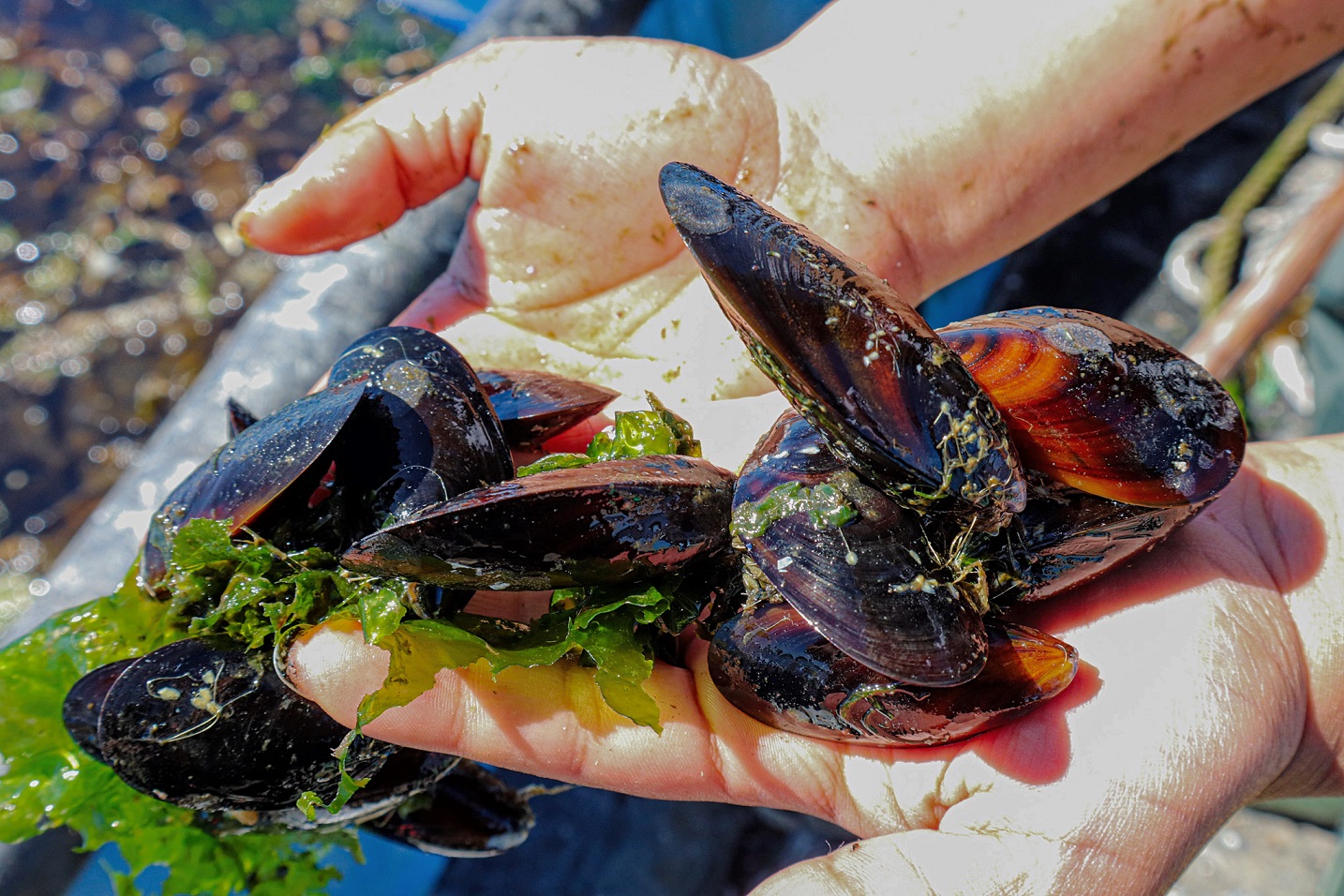
A recent finding published by researchers from the Millennium Institute SECOS, detected genetic differences between the populations of mussels in farming and those in natural banks of the species. The authors point out that it would be the first report of adaptations that favor the survival of some individuals in the submerged longlines in southern Chile.
The Chilean mussel has become a key player in national aquaculture, positioning Chile as the second largest producer of mussels in the world after China and the second most important aquaculture species in terms of socio-economic importance and exports of the country, an activity that depends exclusively on the natural production of mussel seed from natural beds in the Los Lagos region.
In that line, a recent study published in the Aquaculture magazine found genetic variants that would be more frequent in the farms than in the natural populations, and that could favor the survival of mussels in the conditions inherent to farming. It is the first reported evidence of small-scale adaptive genetic differentiation in farmed populations of the mussel (Mytilus chilensis).
The research, which was part of Charel González's master's thesis at UCSC, is currently PhD in Biology and Applied Ecology at the U. Catholic of the North and ANID Fellow of the Millennium Institute in Coastal Socio-Ecology (SECOS), He tried to answer an unknown until now unaddressed, can chorito cultures act as a genetic filter?
Charel, along with researchers SECOS Pilar Haye (UCN), Bernardo Broitman (UAI) and Nicolás Segovia, collected adults of chorito from natural banks and crops in two key areas: Bahía Ilque, near Puerto Montt, where there are centers of fat, and Caleta Chaparano, located in the Fjord of Reloncaví, where are the most important seedlings of the Lagos region and therefore of Chile. The collected individuals are given they performed genomic analyses to compare their genetic composition and look for signs of adaptive differentiation.
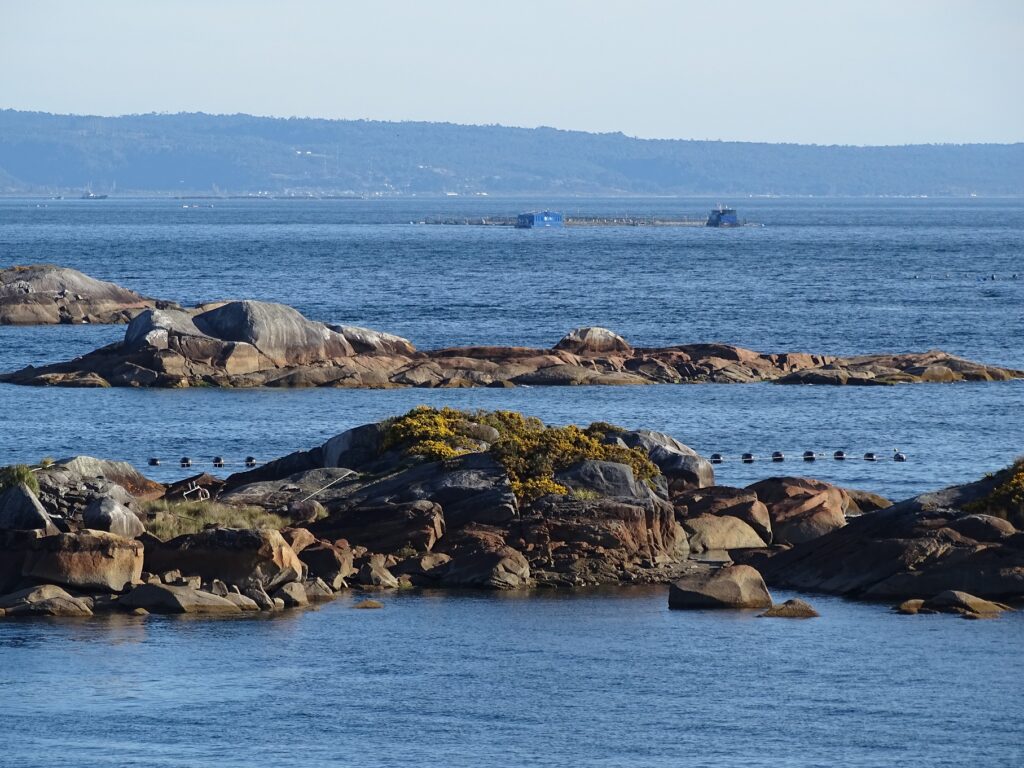
“We found signs of genetic differentiation between the choritos in cultivation and those of natural banks in the Seno del Reloncaví, something that had not been documented before for this species.. This is surprising because, in places like Chaparano, natural banks and studied crops are separated by less than 50 meters, and the distance between Ilque Bay and Chaparano is only 45 km. Still, we see that the choritos in cultivation of Chaparano seem to be responding genetically to the harsh conditions of the fjord: large fluctuations of salinity due to the entry of fresh water and very variable temperatures,” he says. González.
In the article, the authors detail that This genetic differentiation is mainly associated with environmental factors such as salinity and temperature., and could be influenced by the particular conditions of cultivation by hanging system, which involve high densities of individuals in a reduced space.
“We already knew on the diversity and genetic differentiation of natural banks of Chilean chorito, because these banks are the basis of mussel cultivation, González explains. The chorito seeds that are then grown in fattening centers by hanging systems throughout the Los Lagos region are collected exclusively from natural banks. But the natural banks had never been directly compared to the cultivated populations of the same locality.”
“We have spent a long time trying to understand how wild Chilean mussel populations function because they are so important to this social and ecological system. More than twelve thousand people in the Los Lagos region depend directly on it for work,” said Nicolás Segovia, data manager at SECOS and a researcher on the FONDECYT project that funded much of the study.
Thus, these highly variable environments, together with the high density of the crops, seem to act as an additional early filter, favoring certain alleles detected by very fine analyses of genetic differentiation. The finding is unprecedented not only for Chilean chorito, but also for mussel aquaculture in general.
“We know that the genetic diversity of chorito is enormous, which is positive, because it allows populations to be more resilient to possible environmental changes. In addition, the ability to disperse by the larvae of the species and the translocation of seeds throughout the area, are fundamental processes in order to guarantee connectivity between distant populations, which also prevents them from genetically differentiating from each other. But now, we also know that despite all this, by incorporating crops into the equation, they show a different result,” adds Segovia.
“Currently, management policies in mussel cultivation focus mainly on regulating the collection and transfer of chorito seeds. However, our results indicate that it is also key to consider how cultivation conditions can affect genetic diversity and the ability to adapt to choritos in the long term. To protect this species and ensure the sustainability of the mussel production sector, we propose complement current management with continuous monitoring of genetic diversity that includes natural and cultivated banks, to have a more complete view of the system,” concludes González.