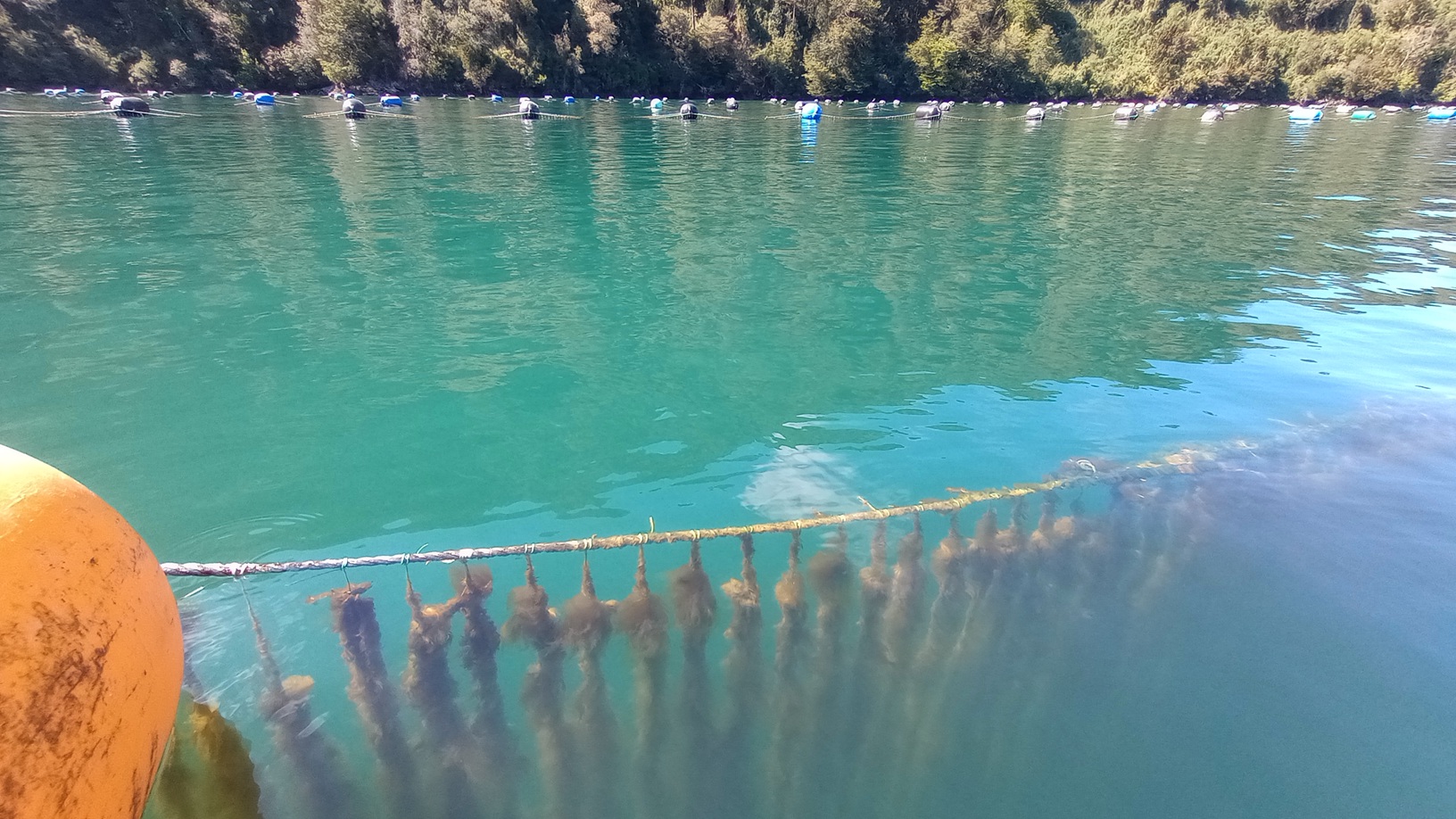
Doctoral research analyzed the habitat redistribution for commercially important mussels and the availability of larvae, highlighting differentiated impacts at multiple spatial scales and environmental conditions.
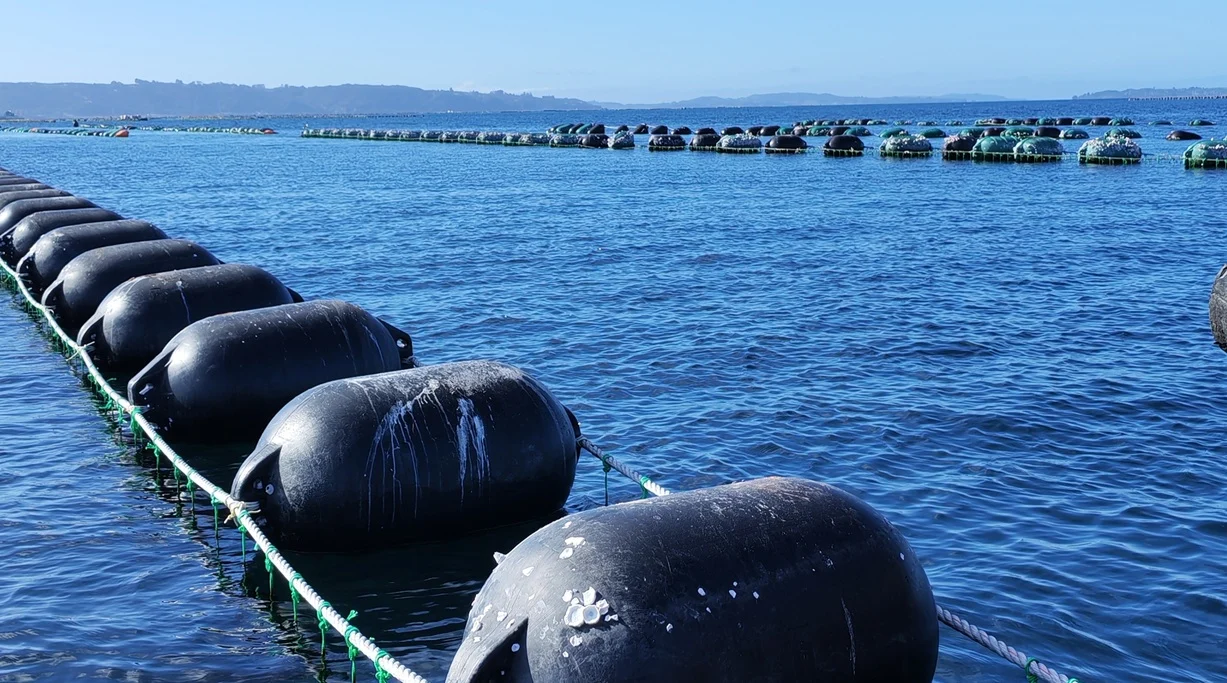
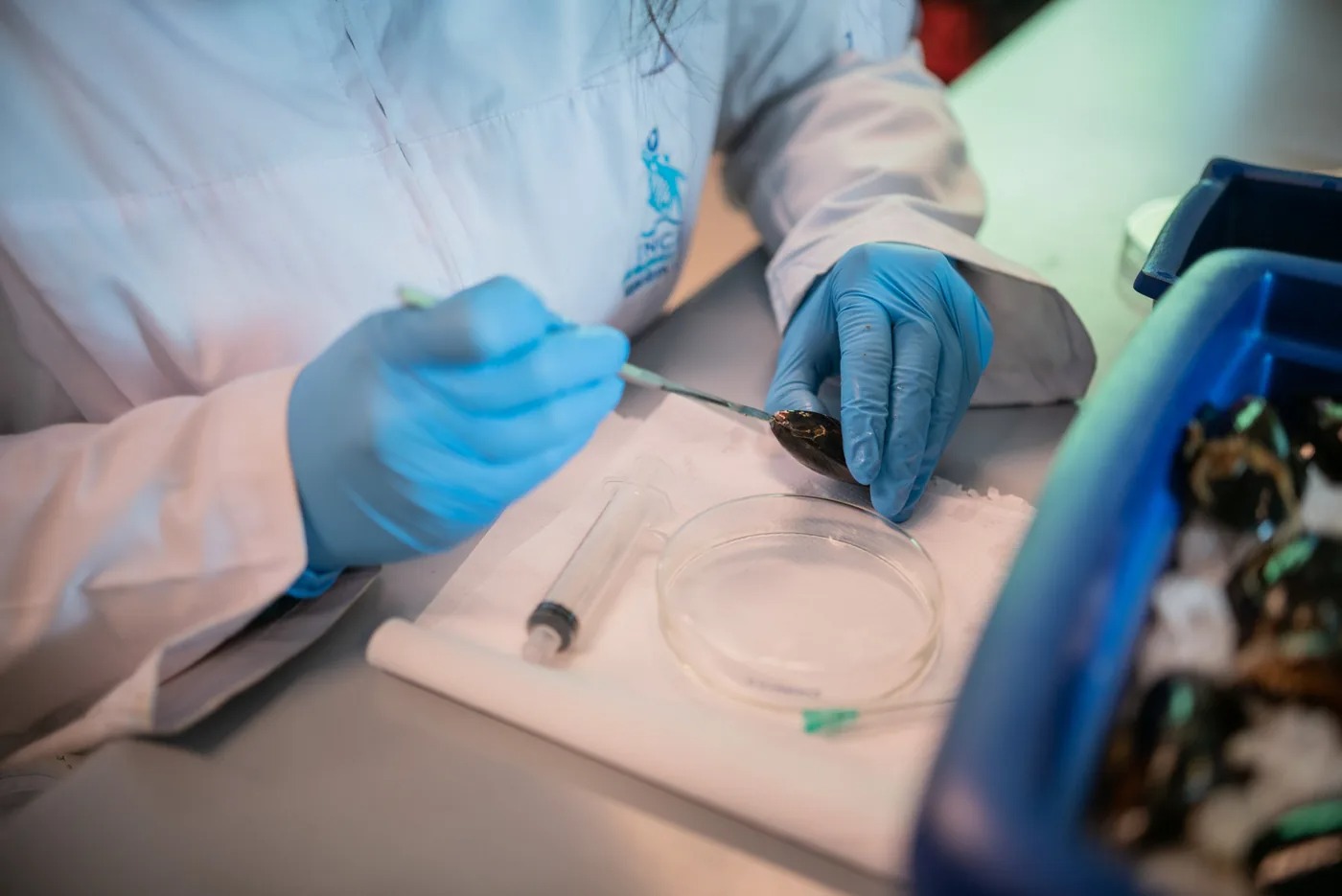
Climate change is altering the habitats and biological cycles of multiple marine species, and mussels, a fundamental resource for national aquaculture, are no exception. That was the premise that motivated the doctoral research of Felipe Torres, recently graduated from the Doctorate in Sciences with a mention in Biodiversity and Biorecources (DCBB) at the Catholic University of the Holy Concepción (UCSC). The study was directed by Dr. Carlos Lara (UCSC), Dr. Bernardo Broitman (Adolfo Ibáñez University) and Dr. Neftalí Sillero (University of Porto) as co-supervisors.
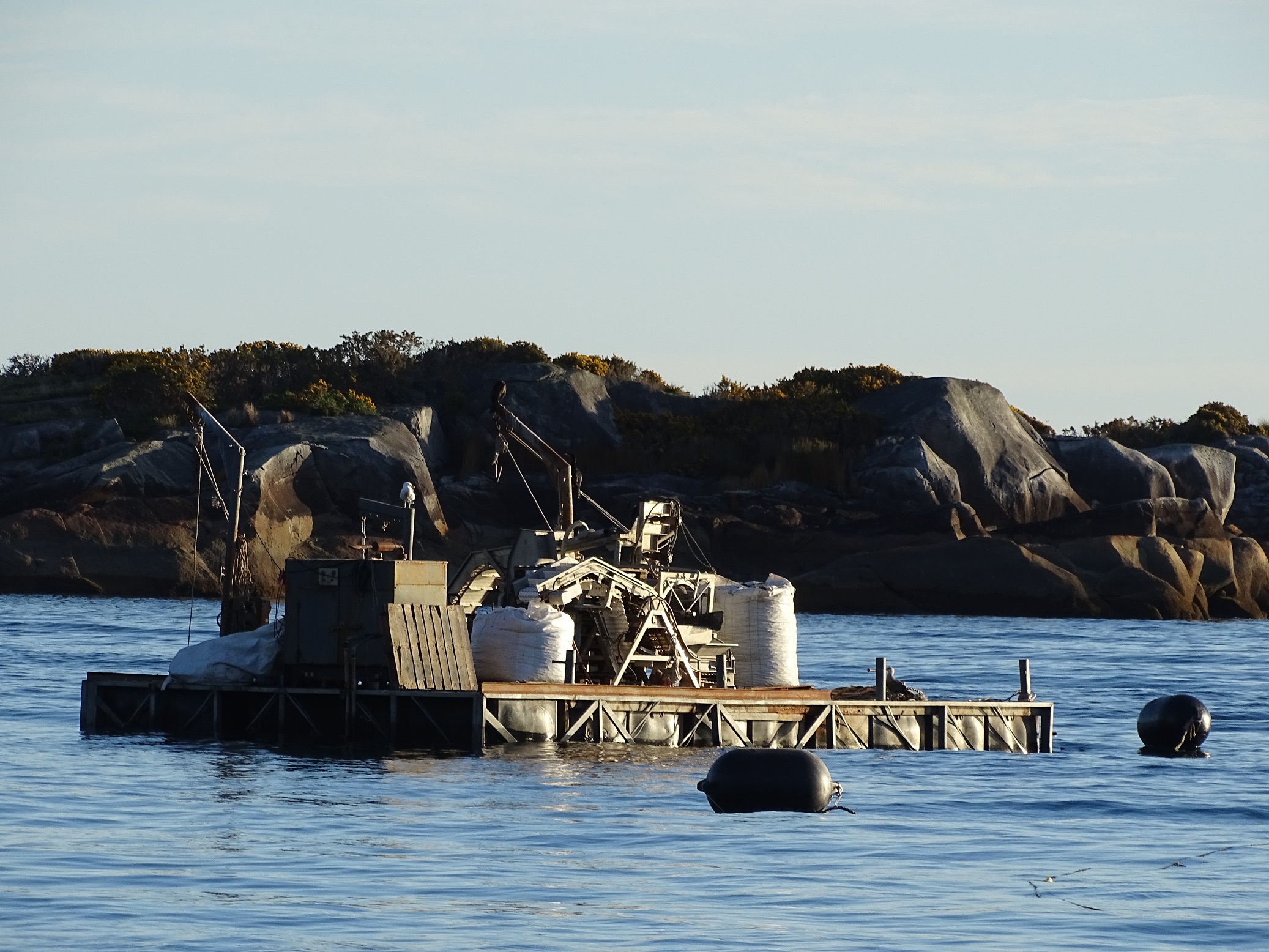
There are differentiated impacts regarding the distribution and reproduction of mussels. In this regard, Dr. Felipe Torres explains that many marine species are shifting their geographical distributions towards the poles and changing the timing of biological events. "In Chile, an aquaculture country, understanding how these transformations will affect mussels, a native resource and the basis of a productive and socio-ecological chain" "es crucial", commented.
Main results
In the first chapter of his thesis, the researcher analyzed how climate change could affect the habitat distribution of the six most relevant species for mussel farming on a global scale. The results were contrasting. “The Chilean cockle (Chilean mussel) would maintain its current distribution, other species such as the Mediterranean mussel (Mytilus galloprovincialis) would experience a sharp contraction in the range of its habitat and distribution, especially affecting industry in countries such as Italy and Greece,” he said.

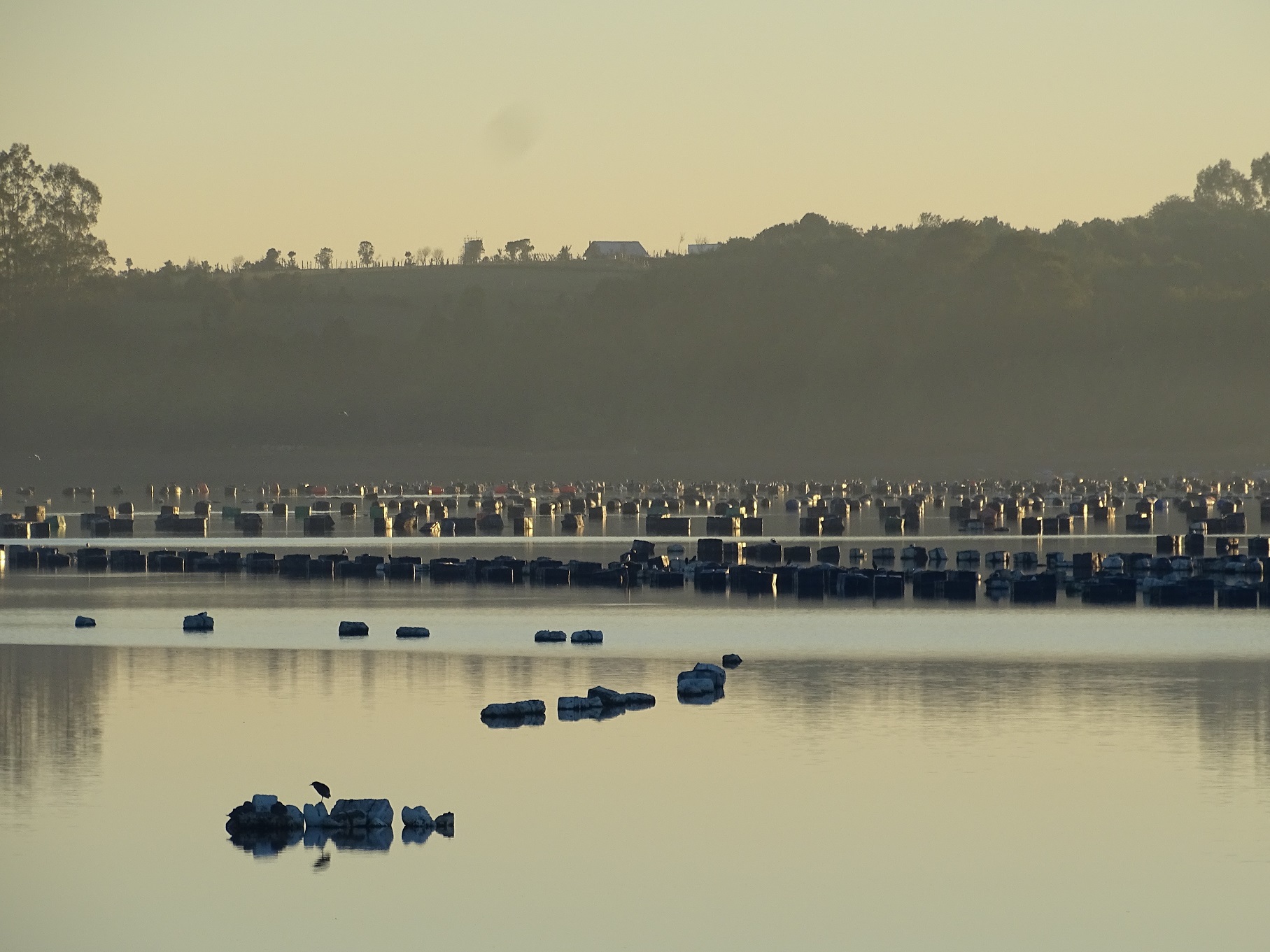
The second chapter focused on the availability of chorito larvae in North Patagonia, a critical component for local industry. The study revealed that events such as El Niño and La Niña directly influence larval abundance, but in contrast between the north and south of the region. In particular, in the north, El Niño is indirectly and negatively correlated with the availability of larvae, while in the south with La Niña the opposite happens.
“This contrast is due to the complexity of the fjord and canal system, where rainfall, river discharge and sea temperature respond very differently to the same climate event. These findings allow us to evaluate environmental climate models for the study area and, anticipate these future effects in a socio-ecological system that combines artisanal and industrial processes, and that sustains numerous coastal communities,” added Dr. Torres.
In addition, the research highlights the ecological value of chorito as a native species that filters and cleans water, even contributing to the reduction of carbon.
A comprehensive training experience
On his visit to DCBB, Felipe points out that the program integrates in a solid way the areas of biodiversity and bioresources, two dimensions that he considers inseparable for sustainable development.
“To build a sustainable future we need to integrate both areas, and this program gives you real tools to research and propose concrete solutions to the problems we face as a society,” he concluded.