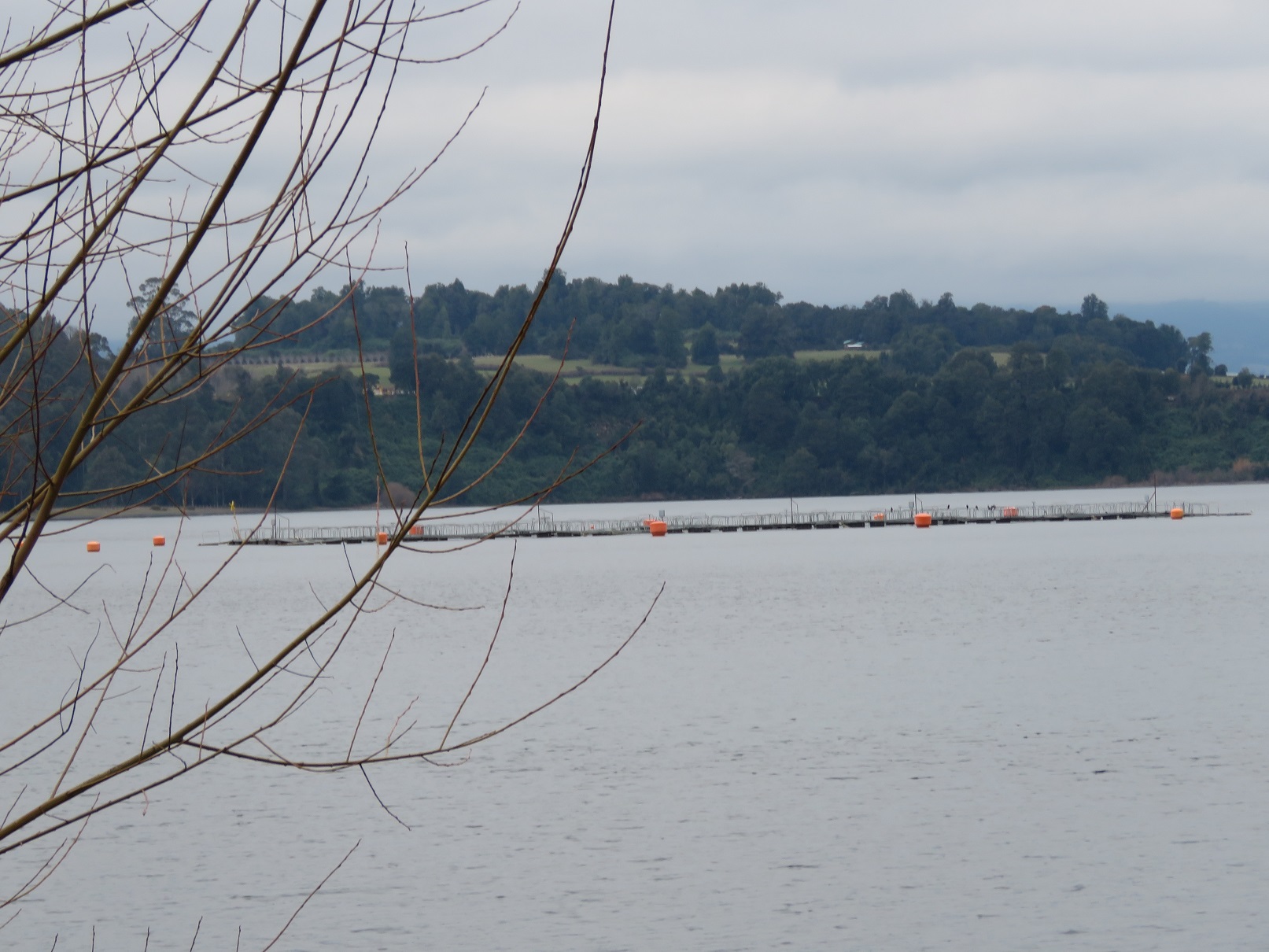
Leading private sector leaders, former authorities and environmental organizations discussed policies and strategies to integrate economic productivity with environmental protection in southern Chile.
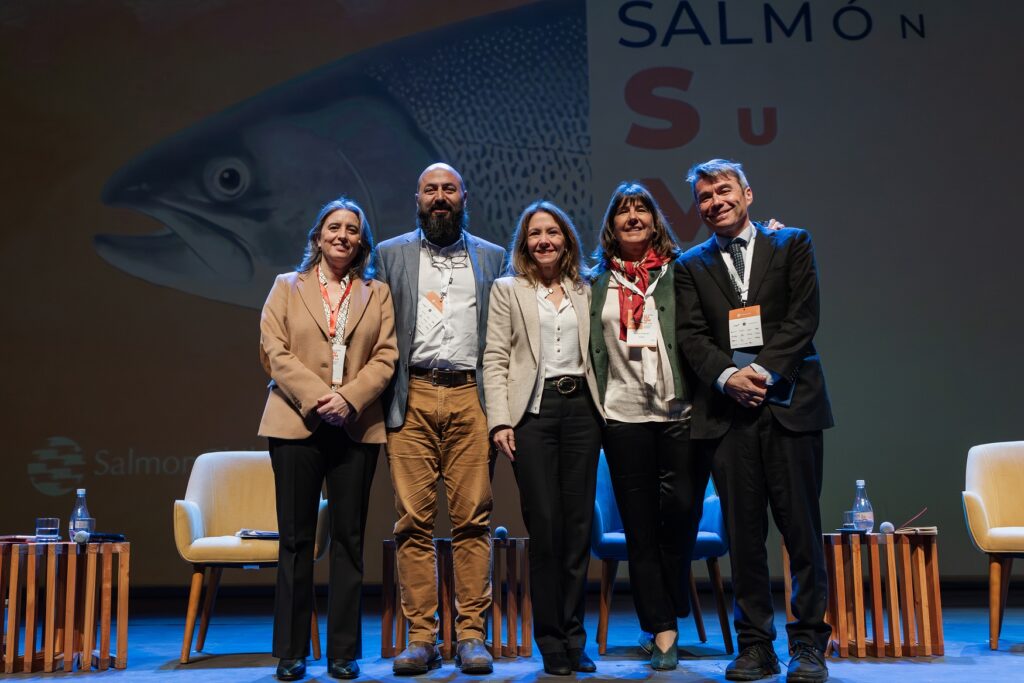
With great public interest, the second panel of the Salmon Summit 2025 was held on Tuesday, July 22, in Frutillar, where outstanding experts analyzed the challenges and opportunities to reconcile economic development with environmental protection.
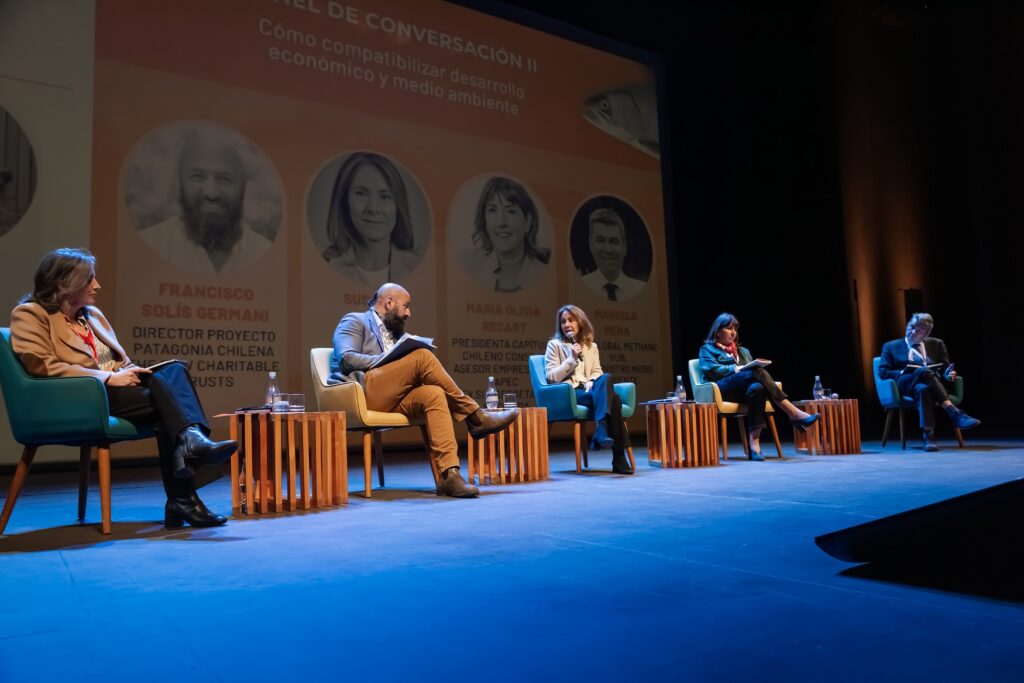
In his presentation, Maria Olivia Recart, an economist and former Undersecretary of Finance, provided a crucial vision of the economic incentives necessary for the sustainable development of Chile. "The state today is getting a little bit out of line with the regulations because it doesn't think companies can do it well. That's a loss of confidence we need to restore. The public-private has to work again," he warned. He also alerted about the lack of long-term vision in the country compared to the rest of the world. "The Anglo-Saxon world does very well, they have huge groups of impulse that define the trajectory and vision of the next 30 years of the country. We, with great marine biology and oceanography, do not have a projection of our oceans for the next 50 years. We're late."
He also said that the guild "must be a guild with a national presence...that people talk about salmon and feel pride, as well as pride in national parks. The same pride of a national park should be felt by us in Chile for our mining industry and our salmon industry, because if we are not going to progress."
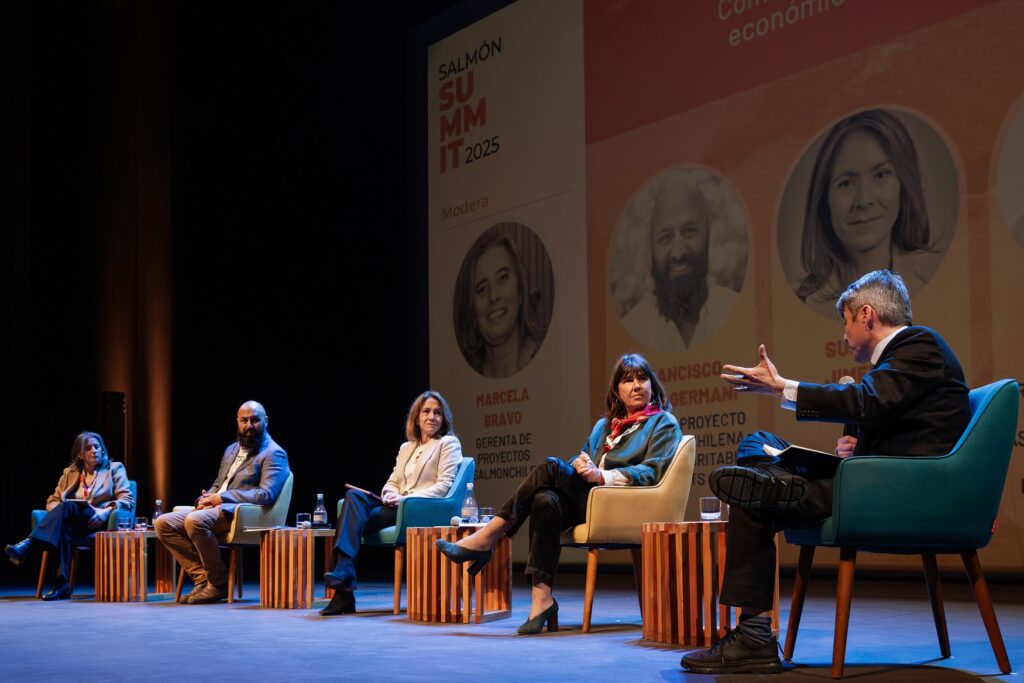
For her part, Susana Jiménez, president of the CPC, highlighted: "This industry, which is a pioneer in the world, has to be a pride for our country because it generates employment, innovation and has quality standards as high as those of the world leader."
Ending his intervention, Jiménez assessed the role of regulation and industrial development: "Regulation and the gaze must be understood that the development of these industries (copper, lithium, renewable energies and salmon) is done with a regulation that is consistent with this economic, social and environmental perspective, and generating goals that make us grow over time and not stagnate as they have been the last 10 years."
Francisco Solís Germani, director of the Chilean Patagonia project at The Pew Charitable Trusts, underlined the conservation perspective: "Without Patagonia there is no salmon and no conservation and no healthy protected areas, neither is Patagonia that we know today and that many of those who have presented themselves today have praised for its conditions. And the challenge isn't to look at 30 years, I think 100 years and that's the motive behind it. debate that follows", noting the importance of preserving the unique ecosystems of Chilean Patagonia while productive activities are being carried out.
Faced with the question of whether compatibility between the environment and productive development is possible, Solís indicated that his organization works across the political spectrum to provide scientific evidence that reports better public policies. "We cannot allow this debate to force local communities to take sides, generating antagonisms in the territory. The quality of life in the south depends on coexistence and respect for the various opinions".
Along the same lines, former Environment Minister and Global Metane Hub leader Marcelo Mena said that in the face of environmental issues and state decisions on the protection of marine areas, "it is evidence that matters. For example, when we wanted to do the Rapa Nui protected area, there was already a year's work by Pew, and a tremendous dossier is made where the implications would be weighed."
Mena also emphasized that "it is essential that the value of this type of industry be recognized in job creation and well-being, but this has to be with a long-term look."