A face-to-face work day was held on June 16 and aimed to advance the strategic alignment of the project, defining guidelines, priorities and next steps for its implementation.
Representatives of SERNAPESCA, the University of O'Higgins, the Interdisciplinary Center for Aquaculture Research (INCAR) and the University of Chile met to advance the implementation of strategies aimed at the responsible use of antimicrobials in salmon farming.
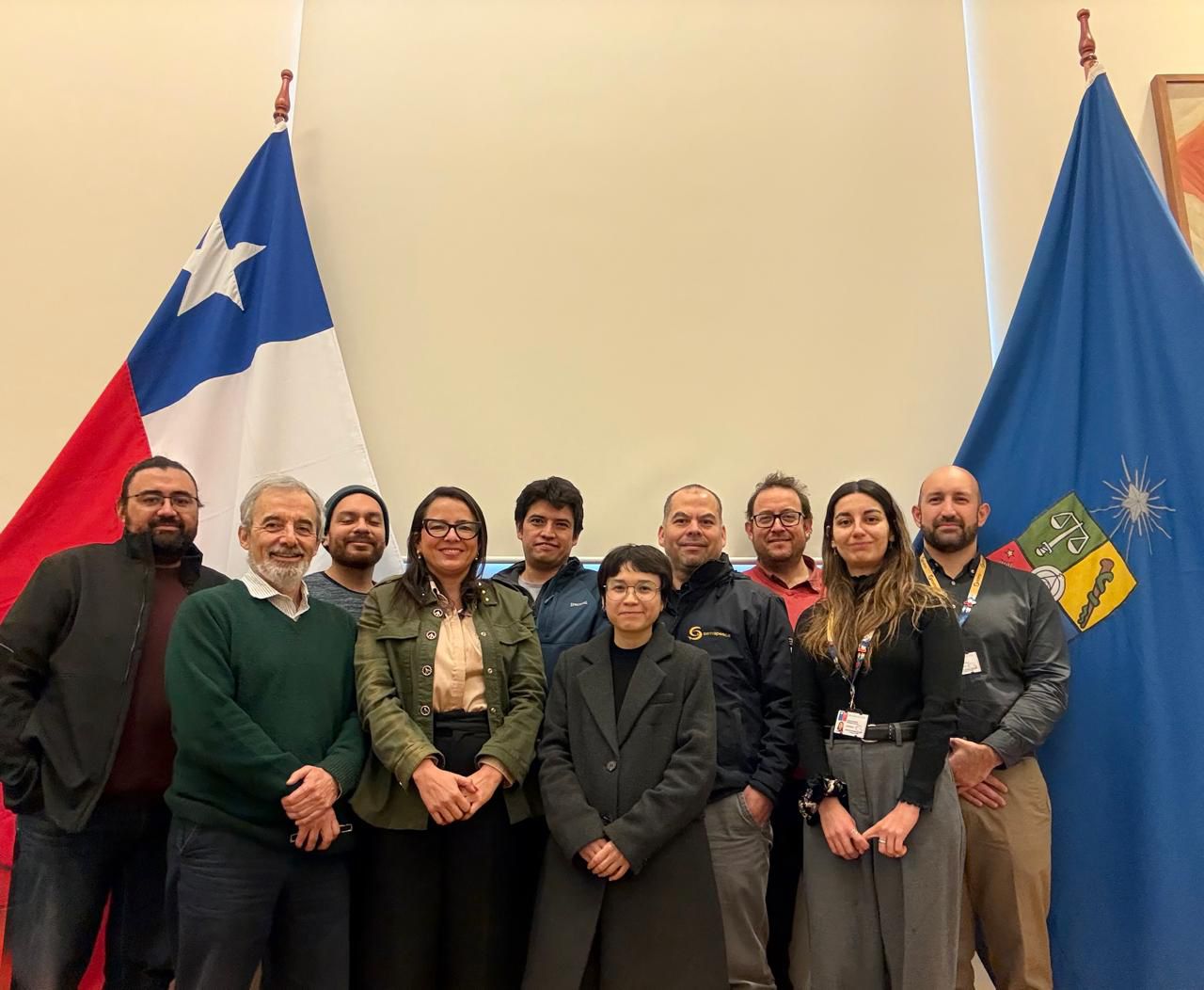
The activity, held at the Central House of the University of Chile, brought together representatives of the participating institutions of the Monitoring, Alert and Response System (SVAR) project, with the aim of coordinating the next stages of implementation of this initiative.
The day of face-to-face work was held on June 16 and was aimed at advancing the strategic alignment of the project, defining guidelines, priorities and next steps for its implementation.
The SVAR project stems from the work carried out within the framework of the Antimicrobial Resistance Bureau (RAM), with support from the Ministry of Health and the International Centre for Antimicrobial Resistance Solutions (ICARS). Its aim is to strengthen evidence-based governance for the responsible use of antimicrobials in salmon farming, particularly in the regions of Los Lagos and Aysén, where Piscirickettsia salmonis continues to be one of the main health challenges of industry.
During the day, the teams reviewed the state of progress of each of the work packages, identified challenges and gaps, and defined guidelines for the next stage of the project, which includes the piloting of measures and indicators aimed at reducing the use of antimicrobials in cultivation centers.
On behalf of the University of Chile, Dr. Javiera Cornejo and Belén Pinto. The University plays a relevant role within this initiative, leading two of the six work packages envisaged by the project. These focus on reviewing regulatory requirements and identifying measures to reduce the use of antimicrobials in cultivation centers, as well as identifying barriers and facilitators for the implementation and dissemination of the SVAR system.
The event was also attended by Osvaldo Sandoval, Francisco Vásquez and María Eugenia Rodríguez, representing SERNAPESCA; by researchers Dr. Gabriel Arriagada, Fabián Flores and Ismael Maldonado, by the University of O'Higgins; and researchers Dr. Jorge Dresdner and Dr. Manuel Estay, from the Interdisciplinary Center for Aquaculture Research (INCAR).
In this regard, Osvaldo Sandoval del Valle, head of the Animal Health Department of the SERNAPESCA Aquaculture Sub-directorate, highlighted the importance of this coordinating body:
"It is very important for us at SERNAPESCA to hold this face-to-face meeting with the SVAR project working groups, as it allowed us to establish the lines of work for this second half of the year, where we must begin to plan what is the piloting of the measures and indicators proposed by the working groups."
The SVAR project seeks to generate tools and scientific evidence to strengthen decision-making on the use of antimicrobials, contributing to the development of a salmon culture that is more sustainable and aligned with current health challenges.