The event, held from 12 to 16 May, was also the ideal occasion for representatives of startups and companies focused on innovation to interact with other institutions and visitors of the activity.
The possibility of generating contacts, making themselves known and the exchange of information with other organizations were some of the aspects highlighted by representatives of companies that participated in Blue Week Los Lagos 2025.
And the event was not only developed through talks, exhibitions or conversation panels. Workshops, work tables, technology fairs, networking spaces and meetings were also held. In addition, outings were carried out in the field, along with cultural and gastronomic events, which allowed generating a wide network of contacts, making Blue Week Los Lagos an instance to dialogue and project solutions sustainable for the oceans, integrating startups, public agencies, investors, universities and communities.
All these aspects were highlighted by some of the companies that presented their advances and innovations through different stands of companies linked to innovation at industrial level.
Automated microalgae monitoring
Pablo Campos, CEO and cofounder of Retina Lab, He told Partnerfish that “in addition to coming and knowing what is happening worldwide in the ocean, we wanted to show our technology related to automated microalgae monitoring and for people to know us. There was interest from people, especially those who didn’t know us.”
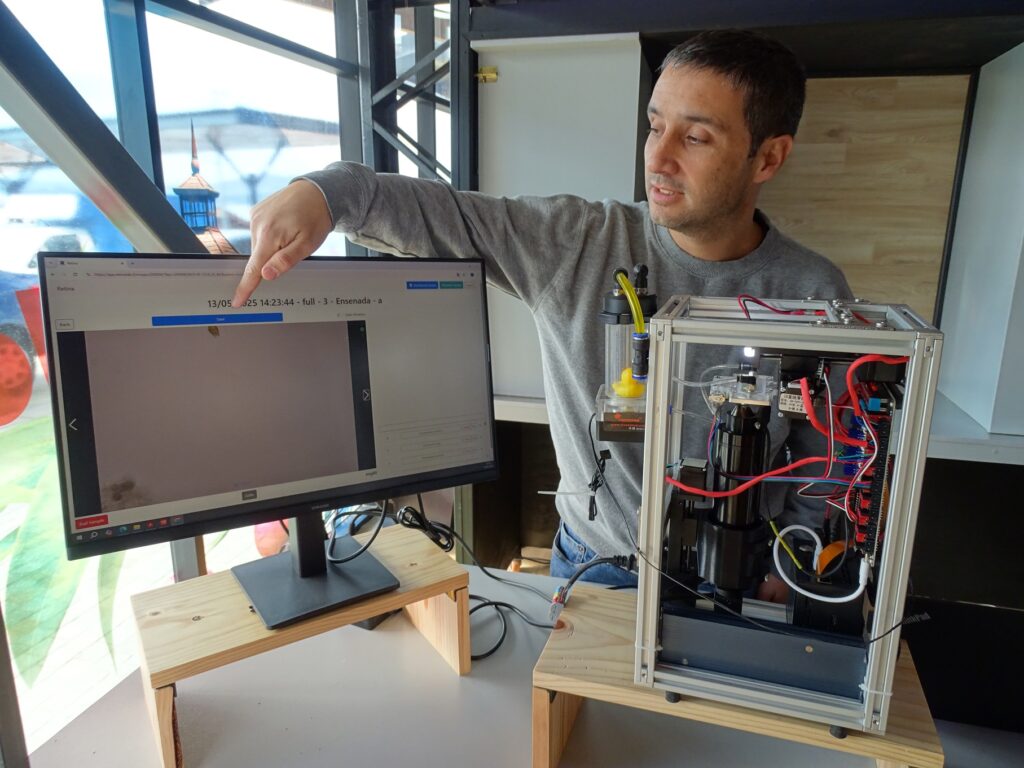
According to Campos, what most caught the attention of visitors is that it is an efficient cost machine, of limited dimensions. “It has a very reasonable value, compared to machines developed in other countries, where big investments are needed,” explained Retina Lab’s CEO, noting further that the system developed by the startup allows continuous analysis of microalgae, without having an analyst in the culture center, For example.
Showing applied research
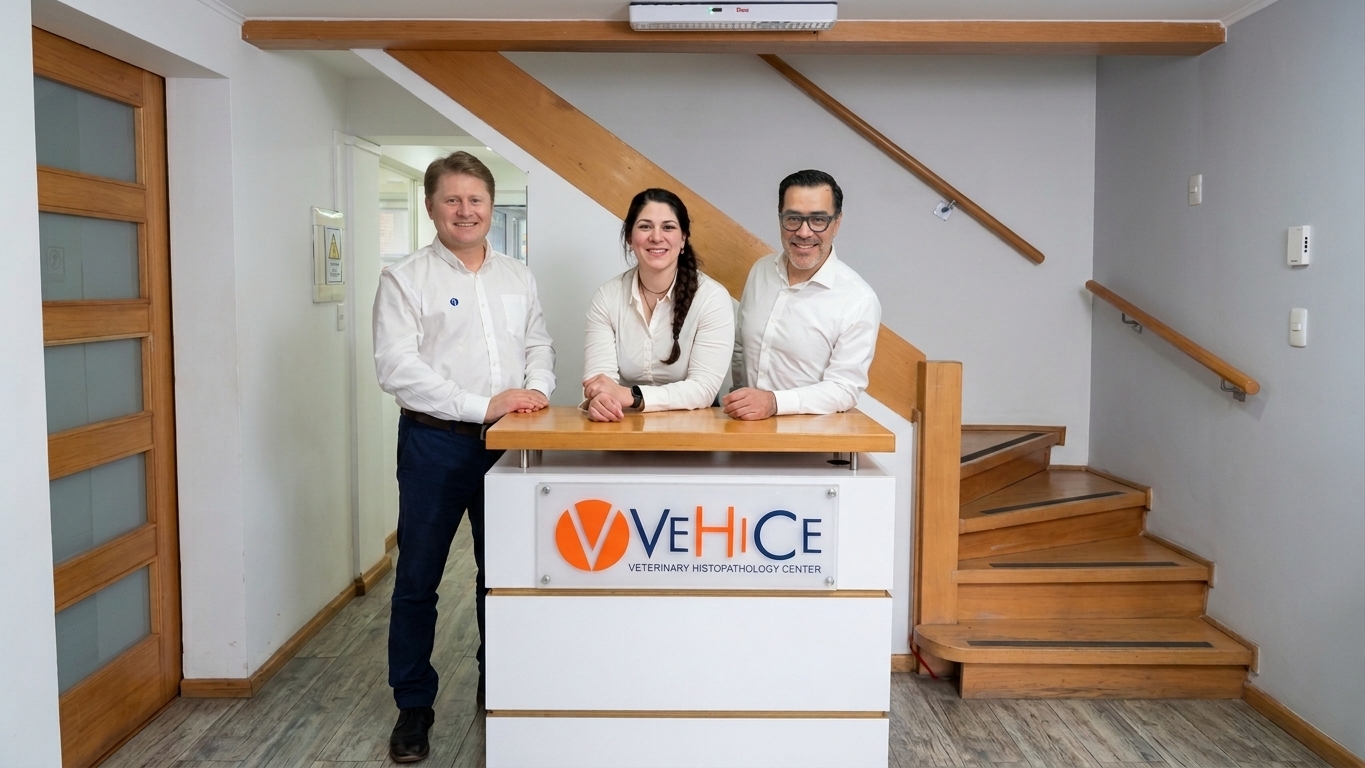
One company that has actively participated in innovation and sustainability instances is VeHiCe. The advanced histopathology laboratory focused on aquatic species showed the work it is doing locally and internationally.
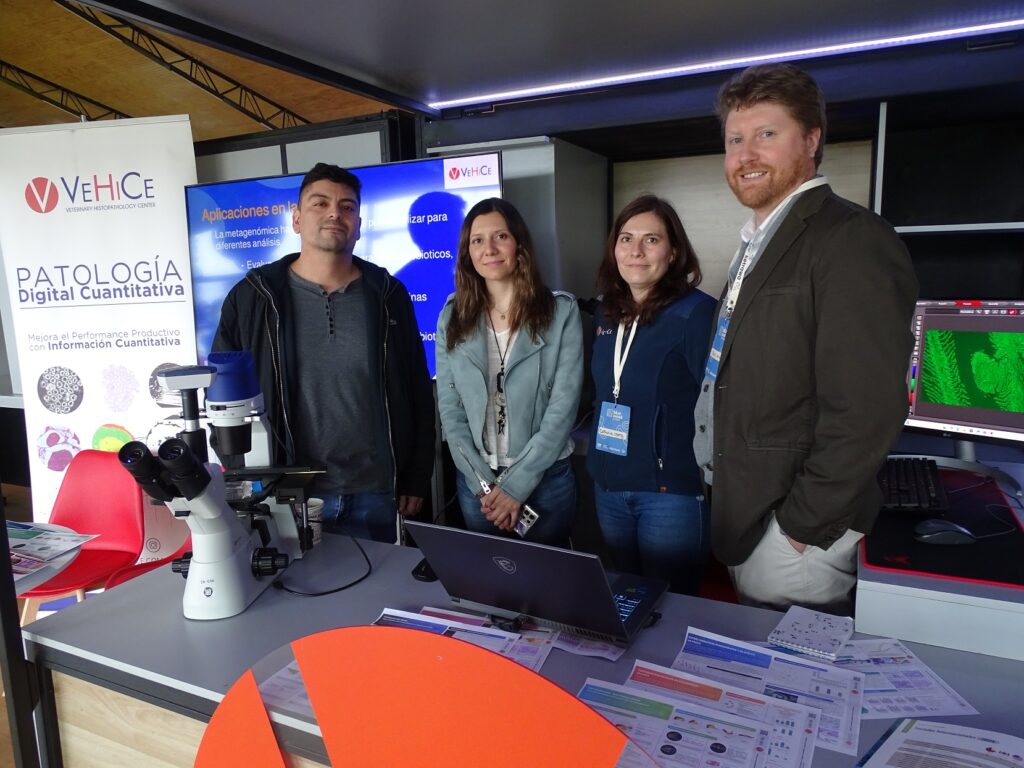
“We have several services with which we can help understand the health of the oceans and certain food chains. That is what we show, that there is applied research that is carried out in this area, and that must be disseminated, so that the tools that are available can be used in the future, to develop our activities in a more sustainable way,” he said. Matías Vera, development manager at VeHiCe.
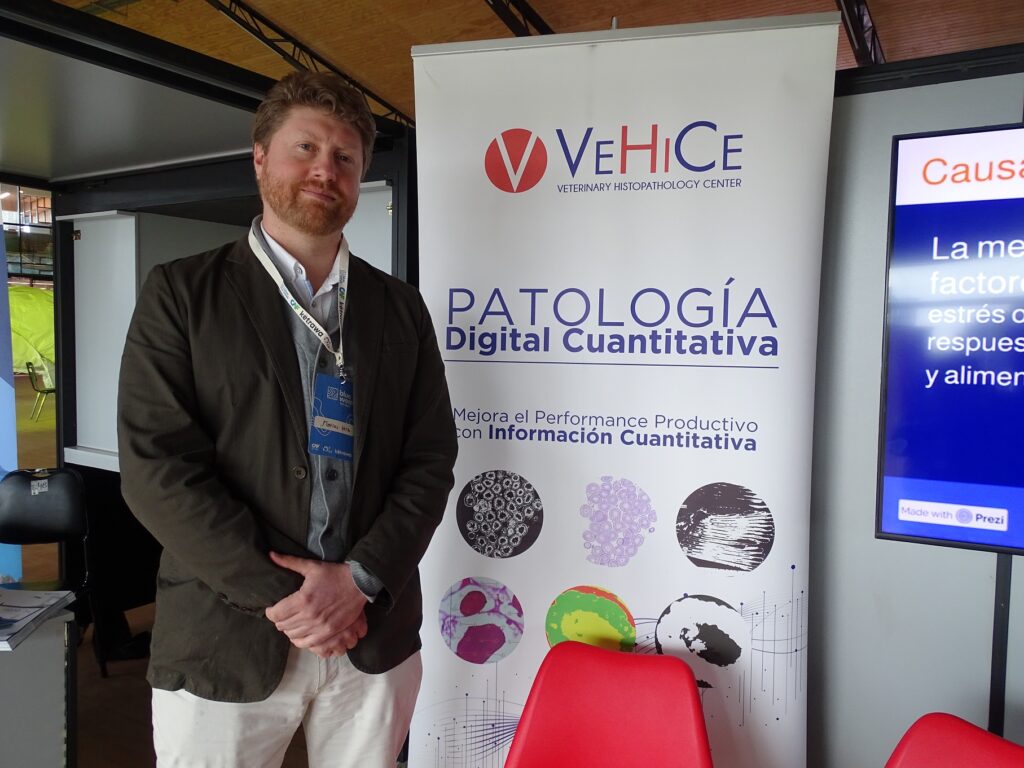
The executive stressed that Blue Week was an interesting instance to find different organizations and people who are immersed in the industry, “trying to see how we develop our activities in the ocean in a sustainable way. The interaction with people was good, as well as companies and research centers that are trying to do things.”
The development manager of VeHiCe stressed that “these are the spaces that need to be opened, of dialogue, with issues that need to be put into importance, such as the blue economy, which is not easy, since it needs to be put into the DNA of every organization that works at sea. It is something that does not require any certification or regulation, but where we have to be responsible for our activities, minimizing the impact, so that our activity lasts for a long time, in a sustainable way.”
Sustainable control of hydrocarbons
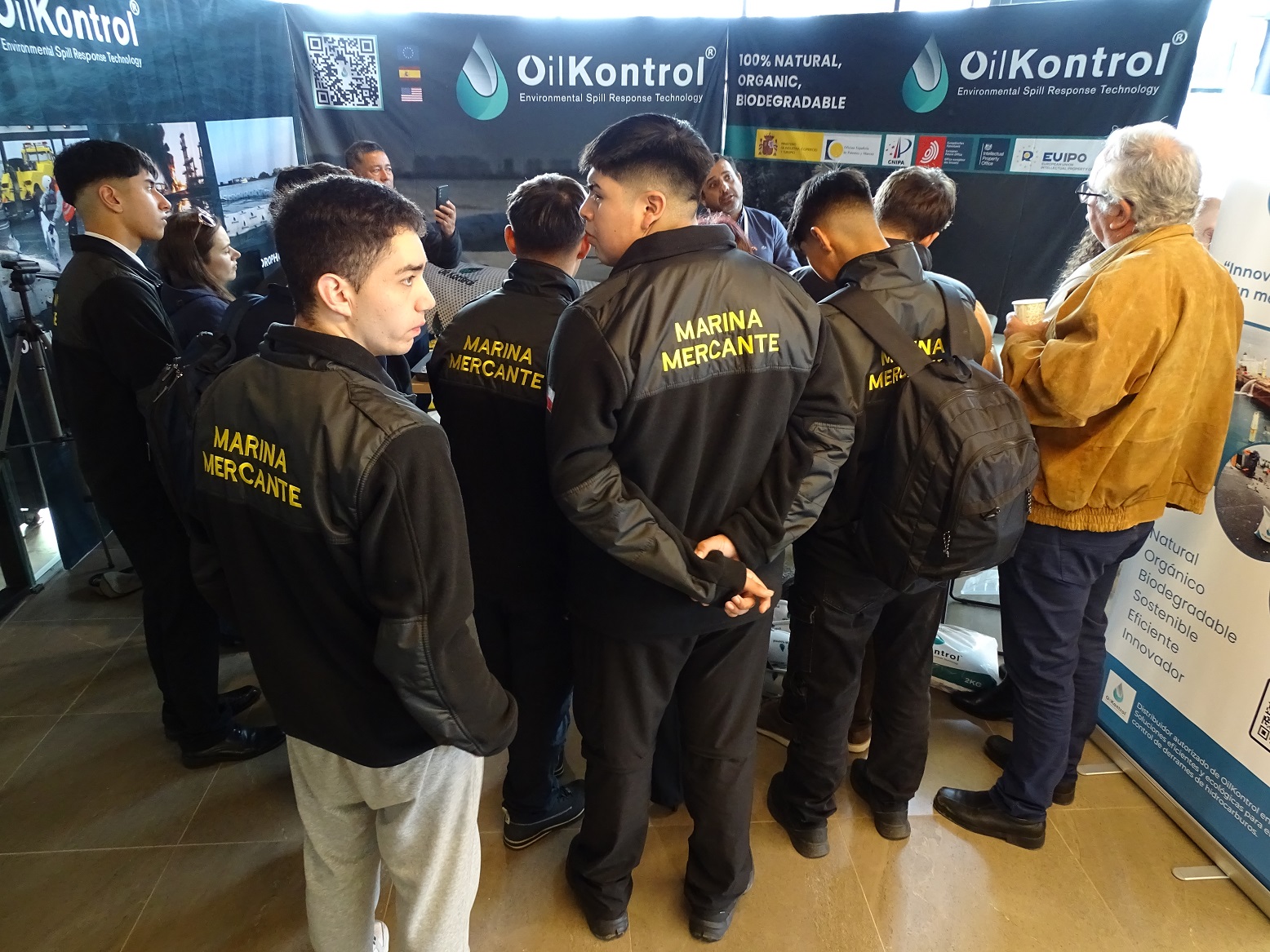
A company whose stand brought together a large number of Blue Week Los Lagos It was Oil Kontrol. The company, with its headquarters in Spain, but founded by a Chilean engineer, drew attention for its hydrocarbon control product that is based on the circular economy, taking 100% organic waste. “Through an internationally patented process, we make collagen fibers take on oleophilic and hydrophobic characteristics. In other words, the oil is absorbed and encapsulated,” he told Partnerfish. Francisco Iturriaga, founder of Oil Kontrol.
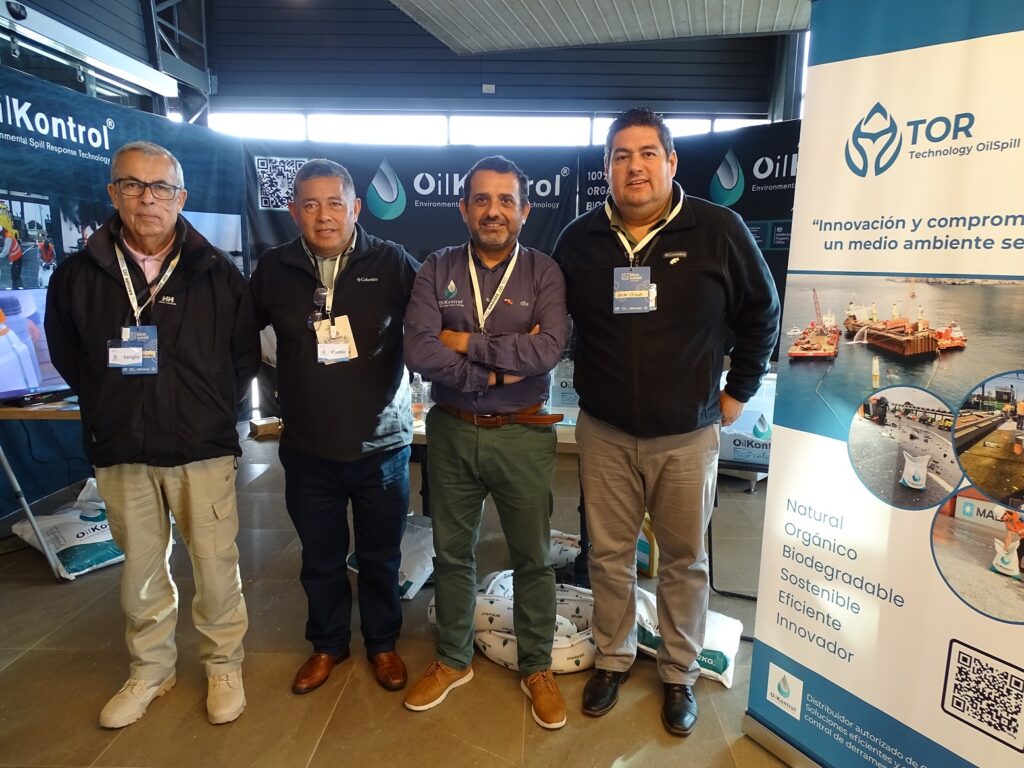
The executive asserted that this is a product that has been a major success in different markets. “We have managed to have a very relevant production volume. We had had an international presence, but Chile had left it a little aside, so we are now doing a relaunch here,” he said.
About the Blue Week Los Lagos experience, Iturriaga remarked that “we get the public to be amazed at the results and that industry representatives are interested in the product. In general, it was very entertaining, as we found familiar faces and were able to show how the product works, which can be of great help in small and large spills.”
On the application of this bioabsorbent in the national aquaculture industry, the engineer said that “many times in the pontoons microderms are produced and with our product we can minimize the impact on the environment. The idea is not only to sell, but also to deliver technical advice with spill control experts,” Iturriaga said.