A producer company signed a voluntary relocation agreement in December 2023 with the Ministers of Economy and Environment and the Undersecretaries of Fisheries and the Armed Forces, despite the fact that its operations are not located in protected areas.
The story goes back to the end of last year, when the Chilean Government and two major salmon farming companies, the Canadian Cooke Aquaculture and AquaChile, signed a voluntary relocation agreement, so that within a public-private collaboration framework the companies would prioritize "the relocation of the nine aquaculture concessions that operate"in or near"the national parks Isla Magdalena, Laguna San Rafael and Bernardo O'Higgins".
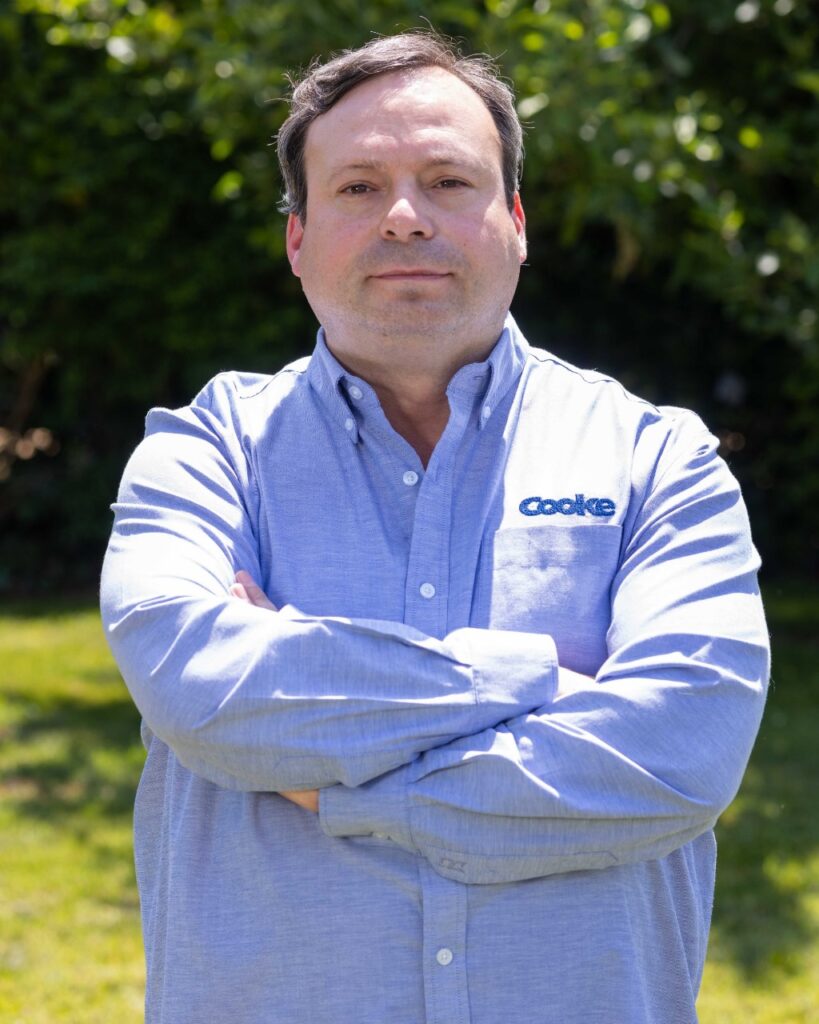
In the case of Cooke, "it was agreed with the authorities to include the term 'near to, as their operations are not located within national parks or protected areas, but we concur with the agreement as a manifestation of good faith and collaborative spirit, trusting that the ministers and undersecretaries who signed the agreement effectively represented the State of Chile," explains Andrés Parodi, General Manager of Cooke in Chile.
However, last week, in a decision that the company describes as "unexplainable and completely unfounded," the Superintendence of the Environment (SMA) requested the Third Environmental Court of Valdivia to halt the planting in one of the main cultivation centers for the 2025 period. The lawyers from the Barros & Errázuriz David Cademartori and Martín Gutiérrez study explain that "the company had been working for months with the" Fisheries Undersecretariat the seeding process, obtaining all necessary authorizations. The SMA, by halting this seeding process, not only ignores the specific regulatory authorizations of the Fisheries Undersecretariat and disregards its authority. Additionally, it seriously violates the agreement signed with two ministers and two undersecretaries representing the State of Chile. In practice, this decision by the SMA means not to consider economic, financial and employment effects, due to arbitrary action, in a region where aquaculture is the main source of work.”
Cooke's lawyers stressed that “the request of SMA and the subsequent decision of the Tribunal leave the company in complete defencelessness, since the time limit for granting the seed ban measure is practically immediate, while the individual's claim may take months, when the planting period is no longer viable and the harmful effects on the company may be irremediable. It aggravates this situation. the fact that the SMA did not consider relevant environmental information to the Tribunal, since it is established in the administrative file that there is no environmental impact or risk whatsoever. In fact, the technical reports of the advisers that the SMA forced to hire the company, certified that the centers have not caused damage to the environment and, those same people - of confidence of the SMA-, are those who certify that the center is working in perfect condition.”
Finally, the general manager of Cooke in Chile, Andrés Parodi, announced that “in the face of Cooke’s lack of protection from the State of Chile, we will exercise all the actions at our disposal to repair the enormous damage that the state action can cause to our company, so, in addition to the legal actions, we will inform the Government of Canada of the situation through its embassy in Santiago and evaluate a claim to the ICSID for failure of the State of Chile to comply with the investment protection treaties currently in force between Chile and Canada. This situation is a new blow to the confidence we all seek for foreign investment.”
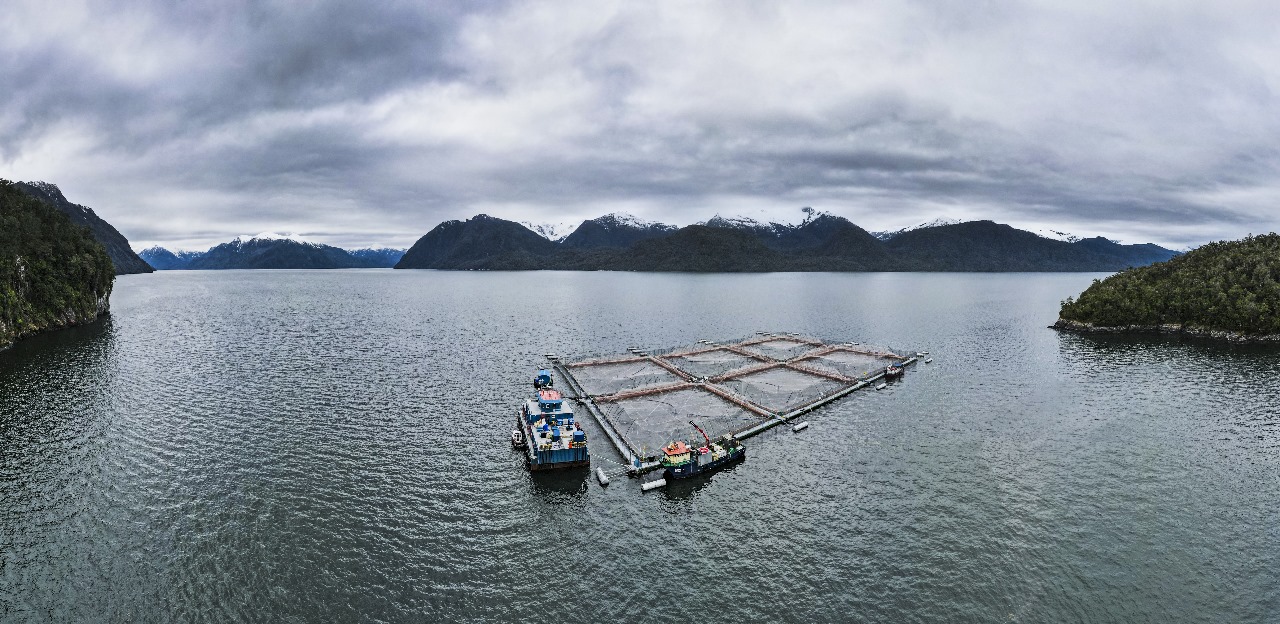
referential cover image, courtesy of Cooke Aquaculture.