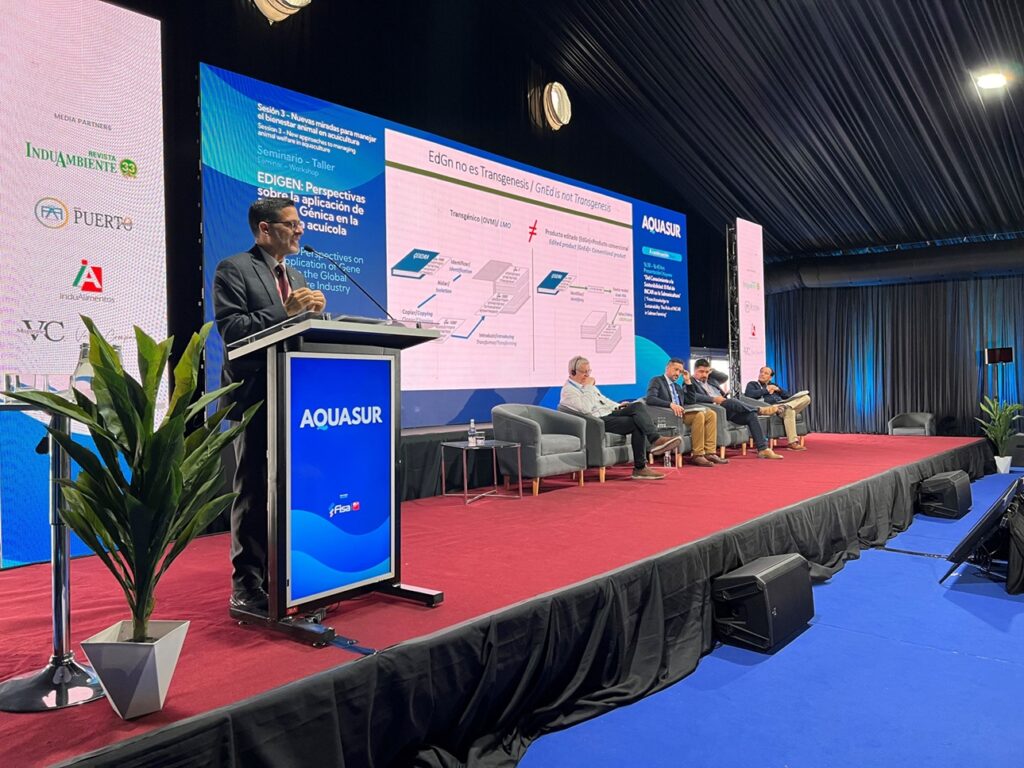
Within the framework of the international aquaculture fair AQUASUR 2026, the initiative driven by the Faculty of Veterinary and Animal Sciences (Favet) of the University of Chile held a multi-sectoral dialogue on genetic editing.
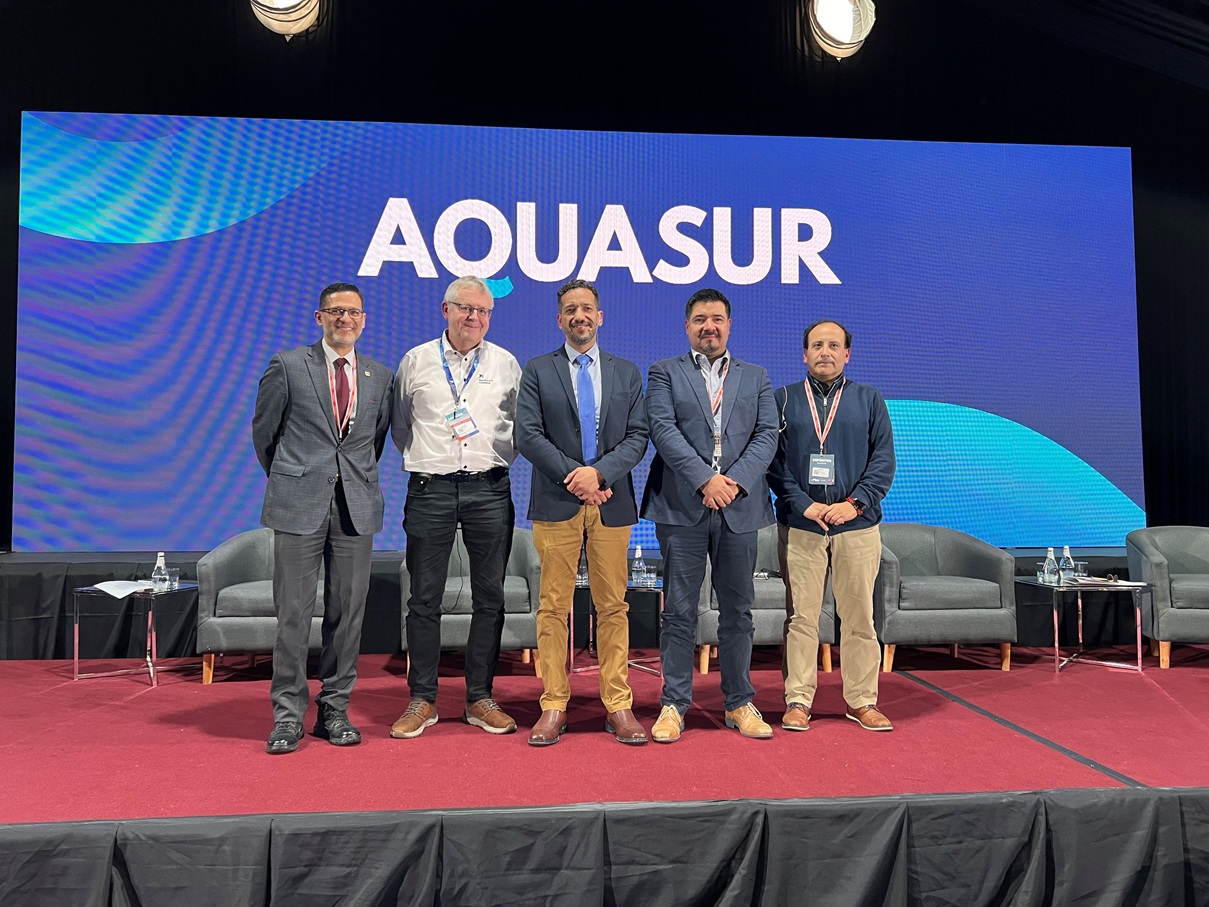
During the seminar "Perspectives on the application of Genetic Editing in the global aquaculture industry", the current state and projections of genetic editing in aquaculture were addressed in a context marked by regulatory restrictions at a national level, highlighting both the progress of this technology internationally and the existing limitations in Chile for its development, particularly in applied research.
The session was moderated by Paulo Palacios, technical manager of Salmones Antártica, and featured the participation of José Manuel Yáñez, dean of Favet and director of the EDIGEN initiative; Pedro Rocha, coordinator of Biotechnology and Biosecurity of the Inter-American Institute for Cooperation on Agriculture (IICA); Alejandro Barrientos, head of the Aquaculture Division of the Subsecretariat of Fisheries and Aquaculture (Subpesca); and Morten Rye, director from External Services and International Strategies of Benchmark Genetics.
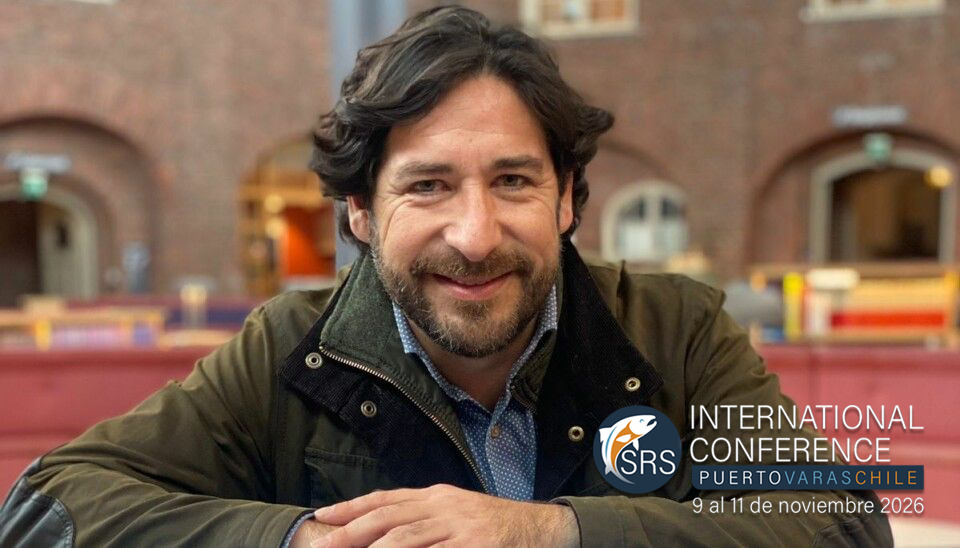
"The discussion allowed to understand what the possibilities are for the deployment of this technology in national salmon farming. In line with the objective of EDIGEN, what we seek is to promote an informed dialogue, based on scientific evidence, that allows the country to make responsible decisions regarding the use of these technologies, considering their scientific, regulatory and productive implications," highlighted José Manuel Yáñez after the event. rich dialogue.
From an international perspective, Pedro Rocha highlighted the value of the meeting as a platform for coordination between sectors, pointing out that "I think it was an opportunity to clarify concepts and really to motivate regulators, developers and companies to work together on the issue and can, basically, contribute to the country moving forward using the latest available technologies. So, it has really been very rewarding, very" useful and we hope it serves to enable Chile to take that step which will allow it to accelerate its scientific-technological development.
Mortem Rye addressed critical factors for the use of these tools, including their social acceptance. "We must understand the great contribution this biotechnological tool means for the development of this productive sector and the great image, or where we must focus, is on animal welfare," he stated, emphasizing that we must trust in the existence of high-level scientific research that is available.
Faced with the challenge posed by the existing regulation on research or development of genetic editing, Alejandro Barrientos warned that in our country “we need a lot of conversation from the different parties involved in order to find a way for Chile not to stay below the advance in biotechnology. Everything is related to the competitiveness of our sector and, also, to the generation of scientific information and advanced human capital. This is an issue that we need to review, we are participating in the discussion and I think this instance was very enriching to see different perspectives from other countries.”
The discussion generated in this panel is inserted in a scenario where scientific development progresses at a higher rate than that of regulatory frameworks, demonstrating the need to generate enabling conditions for research and informed analysis in the country. In this context, the EDIGEN initiative reaffirms its commitment to the promotion of these spaces, projecting the continuity of instances of dialogue based on evidence a scientific organization that articulates to actors in the academic, productive and regulatory field.