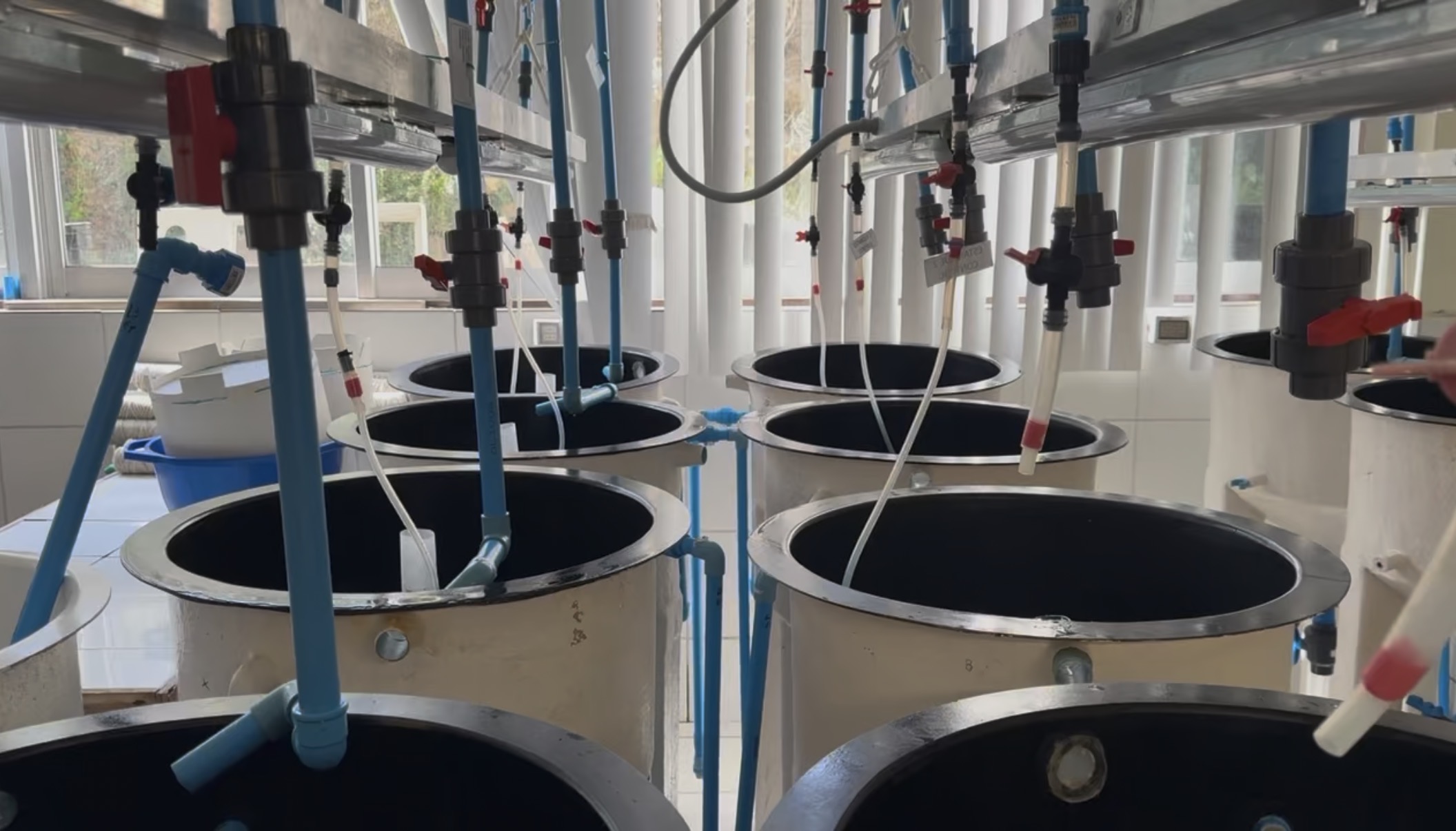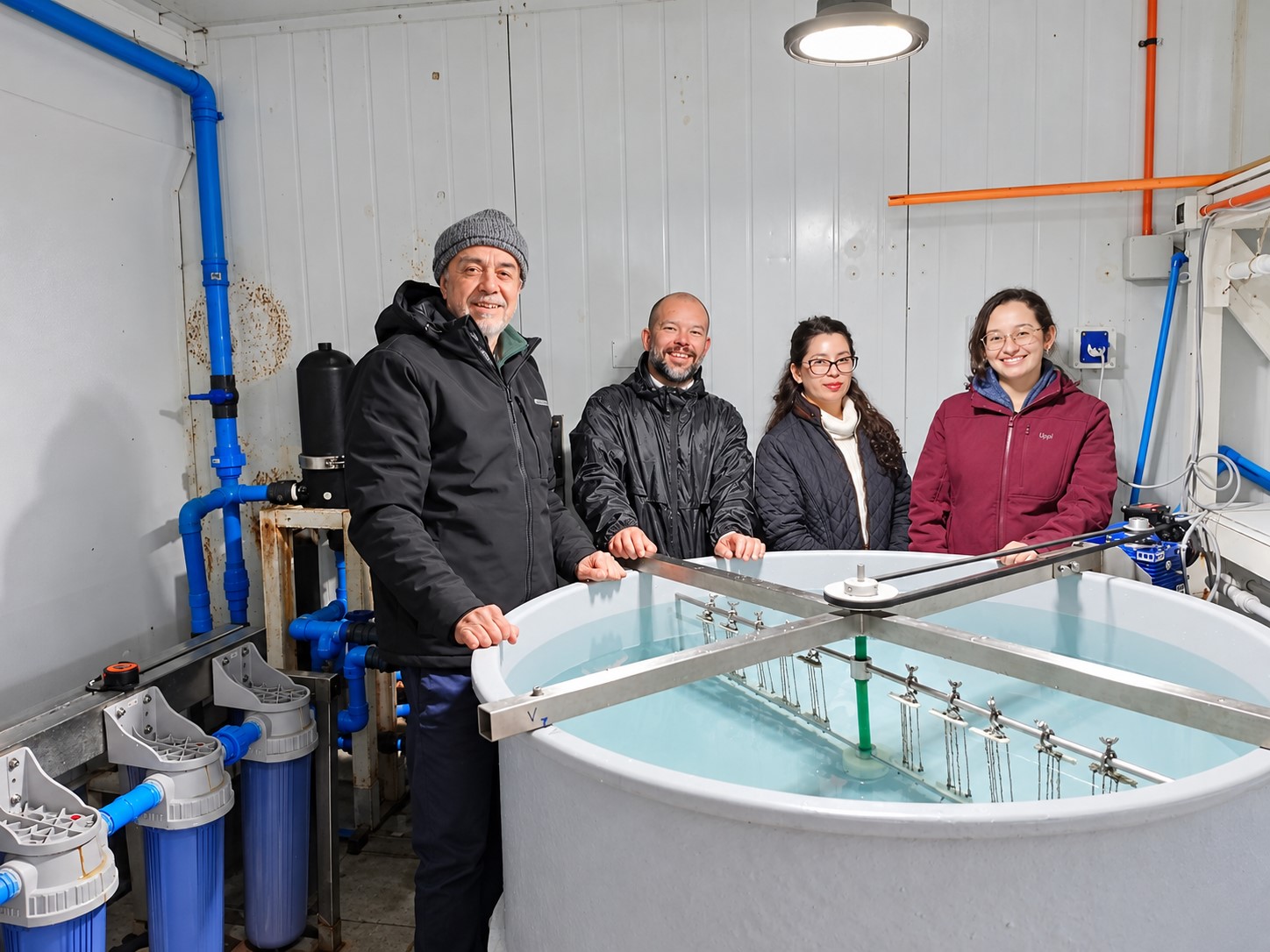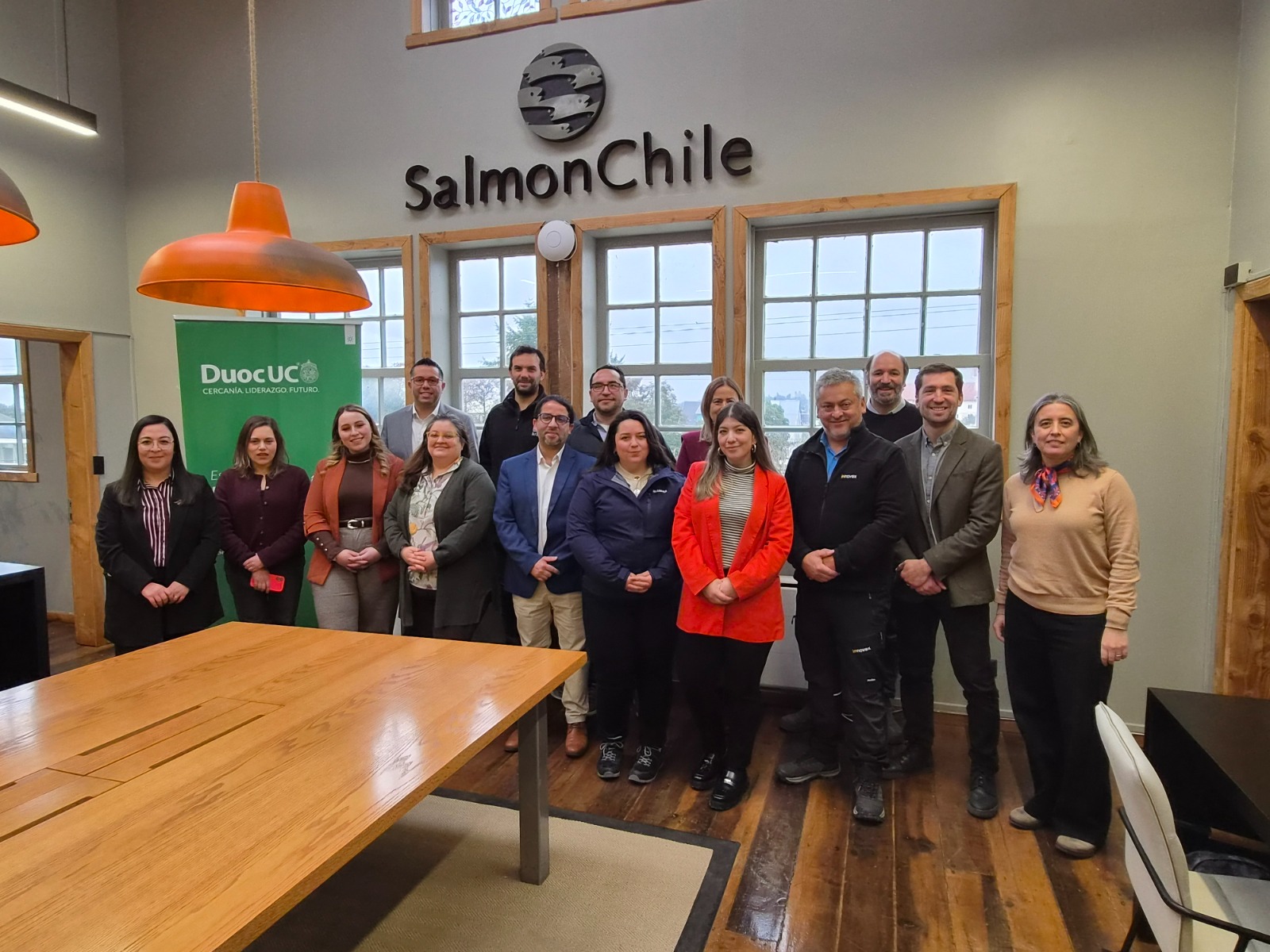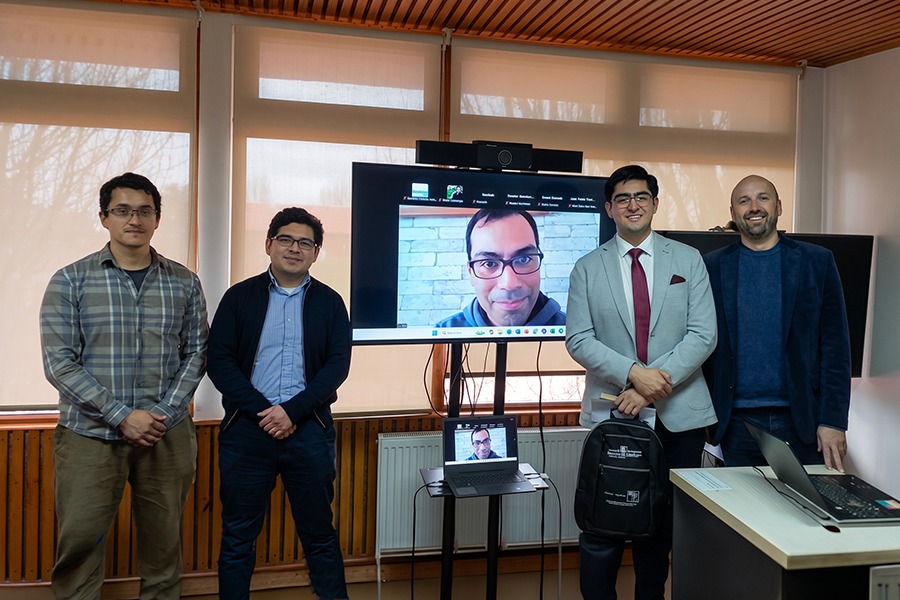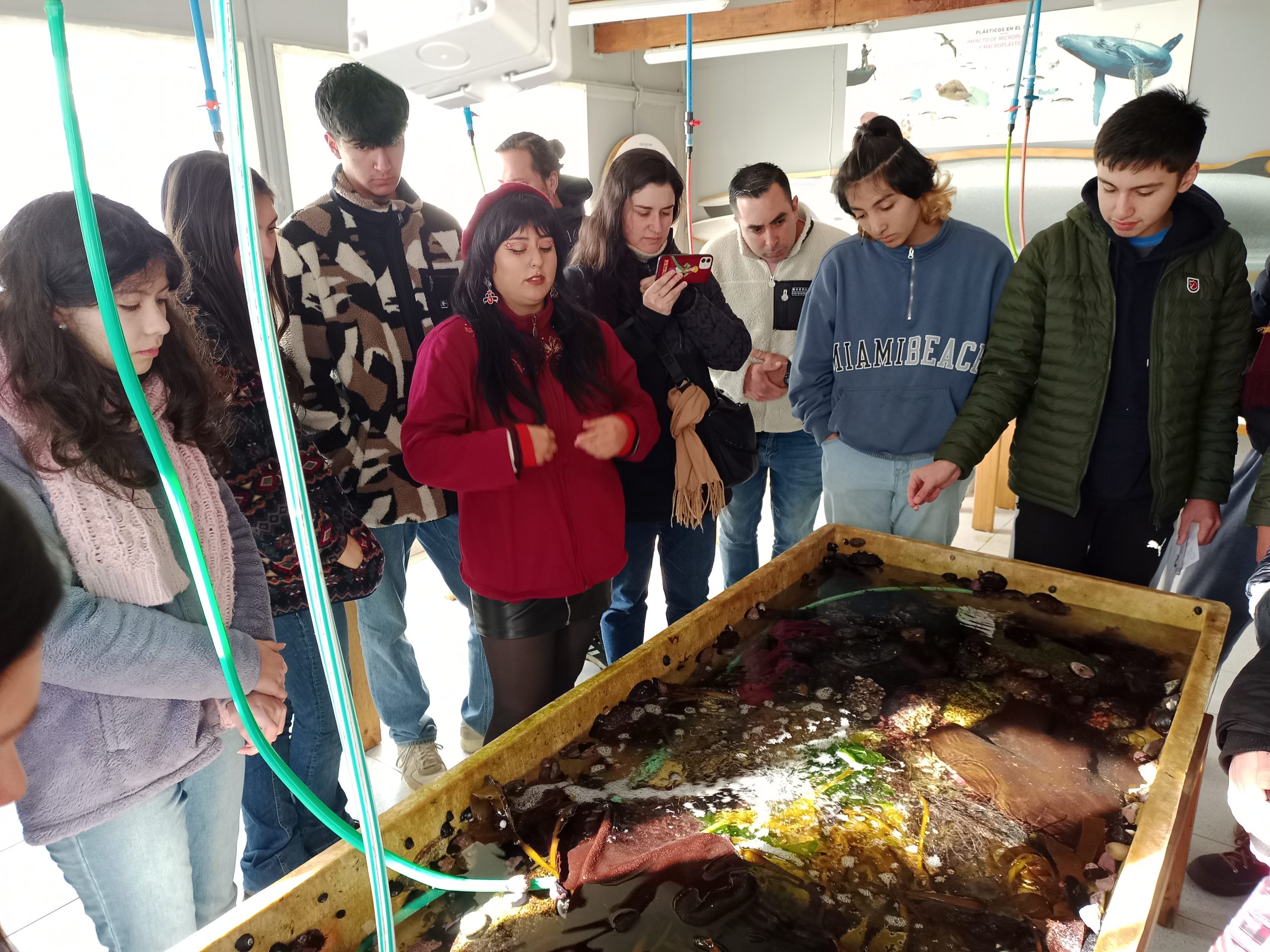
Visits to schools, talks, experiments and other activities that combine science more with art seem to be the trend. However, there is a place called the Marine Biology Station Abate Juan Ignacio Molina, located in Lenga, which offers a different offer.
It is half past 8 in the morning and from the Faculty of Sciences from the Catholic University of the Holy Concepción (UCSC), a group of students from marine biology and environmental chemistry they are getting ready to go early to Lengain the region of Biobío. The motive, the educational community of Pewenstudents of different ages are amazed to know the facilities.
That is the spirit with which the staff of dissemination of sciences UCSC works every time some delegation arrives to the premises of Lenga. The Dr. Guillermo Herrera is an academic of the above-mentioned study house and responsible for linking with the society of the same space.
"UCSC has within its strategic objectives the sustainable coastal development and the station in Lenga is an instance where it can materialize. We carry out activities of disclosure on the marine biodiversity to all kinds of audiences. In this sense, we also contribute in sustainability, making known what exists in our environment", added Dr. Herrera, emphasizing that it is essential to distinguish the flora and fauna of the sector.
Arlene Peñaloza is a senior in environmental chemistry at UCSC, while Tamara Morales is also in the fifth year of marine biology. Both young people joined the broadcast staff in their different formats: fairs, talks, stand and be part of the activities developed in Lenga.
"I'm from environmental chemistry and, through the juice experiment red cabbage, we evidenced the pH present in bodies of water as lakes, seas and rivers. It's a simple way to see how pH changes, if we add it different substances and, in particular, we like to show it to children as it is very visual and attractive to them, as it changes color, and can be applied both with water samples of a lagoon or of the sea. There we explained that If we pollute, we can affect the quality of life of the species", emphasized Arlene Peñaloza of environmental chemistry of the UCSC.
Meanwhile, Tamara Morales of marine biology UCSC valued the instance to spread the scientific work both to children, adolescents and even older adults and community in general. "See how they are interested and marvel at the species they can observe in the aquariums is very rewarding as a future marine biologist. It fills my heart as a person and motivates me to continue sharing knowledge with the community in general," he said.
A little history
Born with the name Lenga Coastal Laboratory and was built with contributions from the International Centre for Research and Canada within the framework of a project led by Dr. Alberto Arrizaga, together with own resources of UCSC.
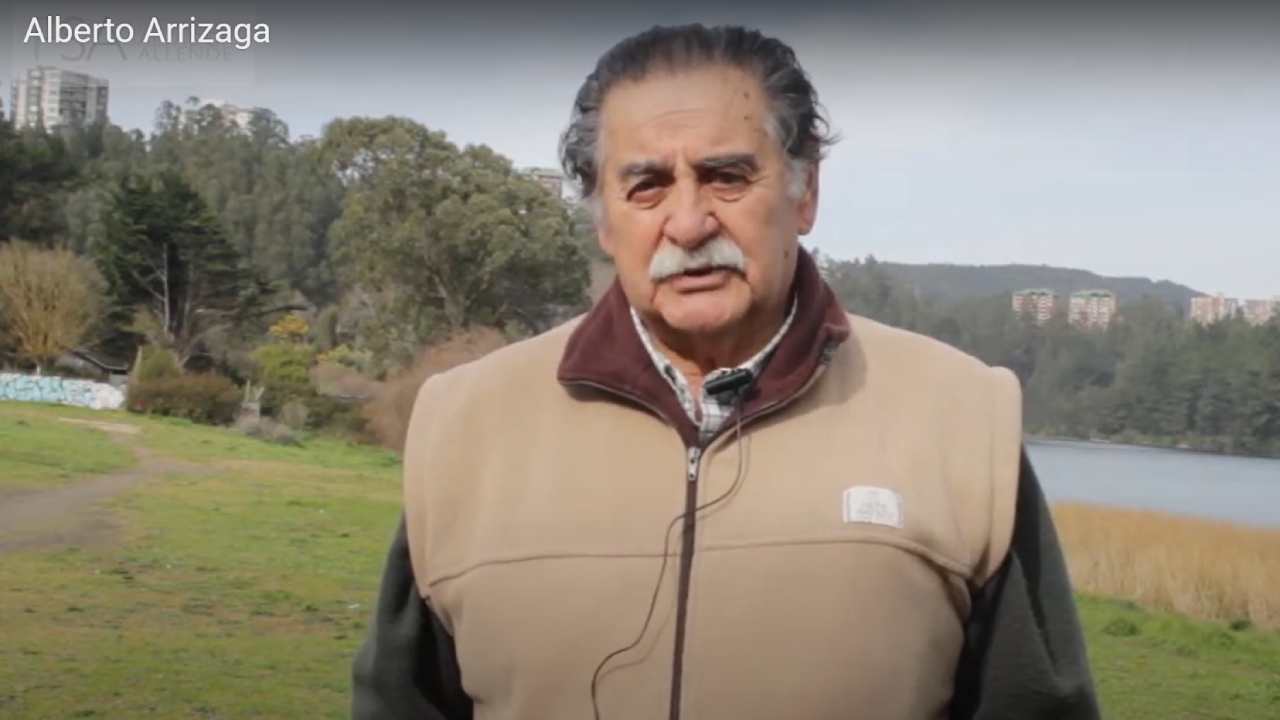
Its opening date dates from 4 May 1994. In those years, the Archbishop of Concepción and great Chancellor of the UCSC, Antonio Moreno Casamitjana, and the rector of the UCSC, Eliseo Escudero Herrero, were part of the milestone, being dean of the Faculty of Sciences UCSC the Dr. Juan M. Cancine.
The creation of the Lenga Marine Biology Station arises from an initiative promoted by the teacher Alberto Arrizaga Mirandawho had also been part of the first academic years Headquarters Talcahuano at the Universidad Católica de Chile. Since the ’80s, work with the local community had focused on managing natural resourcesspecifically. seaweedwithin a project of the International Council for Research and Development of Canada.
"This was officially founded under the name of Lenga Coastal Station. After the remodeling after the 2010 earthquake, it was given the name of Marina Biology Station Abate Juan Ignacio Molina," said academic UCSC Dr. Guillermo Herrera.
Second Escobar works at the Station and has been linked to UCSC for more than 30 years. Origin of the same Caleta Lenga, recalls with nostalgia and pride the contribution and presence of the house of studies in the sector.
“It all began in 1990. Even earlier, in the ’40s, there was a quarry that supplied stone for transport to Huachipato. Then, there was this space, which was enabled in '90. It was full of weeds and water. We cleaned up so we could build this lab.. We began with Professor Alberto Arrizaga, who hired me for a project linked to Canada. At that time they worked with the artisanal fishermenspecifically on the issue of algae," he recalled.
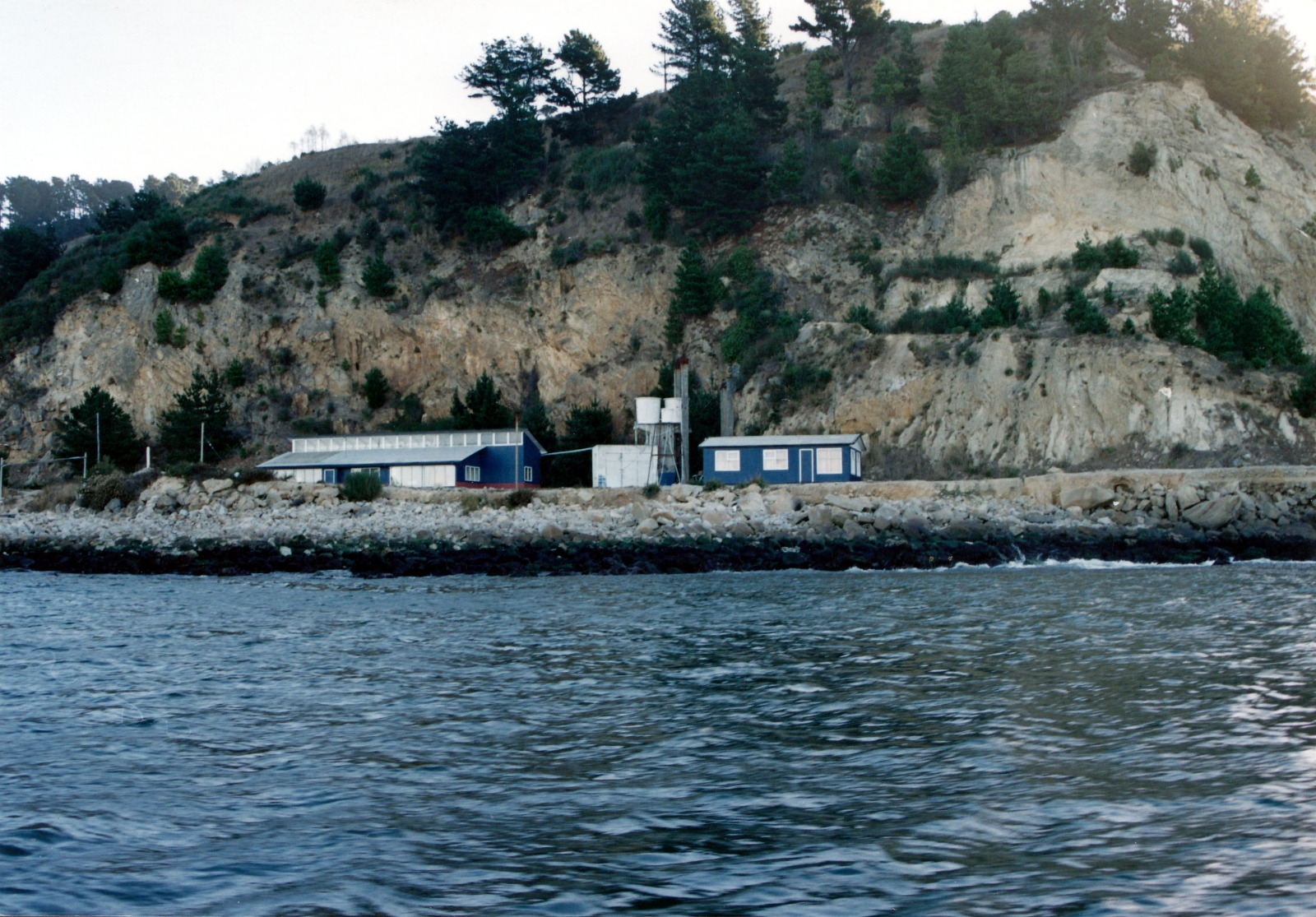
The Trade Union of Artisanal Fishermen in Lenga was involved from the beginning, but over the years, they focused on opening of restaurants that exist to the present day. Therefore, UCSC took charge of continuing the project.
"UCSC took over the station. In those times the Professor Ricardo Otaiza contributed a great deal, since that time it was visited by different schools and also, to maintain communication with fishermen and the community in Lenga," added Segundo Escobar.
Dr. Ricardo Otaiza, academic of the Faculty of Sciences UCSC, came in 1995 to give classes and at that time the station located in Lenga was just inaugurated for the execution of a project linked to the artisanal fishery and aquaculture.
"They were taught classes to the community, in addition to the same undergraduate classes in biology, when UCSC was located in Talcahuano. The activity that takes place is has been expanding from its beginnings, from the execution of workshops and improve the quality of life of the artisanal fishermen. It also supports research projects, theses and seminars", he added.
Over the years, it has opened up to the Linkage with the community and also, to make known the space for diffusion with schools.
Impact on generations of professionals
Ángel Urzúa, Sergio Contreras, Sara Rodríguez, Antonio Brante or Paola González are just some current professors of the Faculty of Sciences and trained in the UCSC during the undergraduate course and they are still linked in some way not only to the UCSC, but also to Lenga.
The Dr. Sara M. Rodríguez is a clear example of this. He entered marine biology in 2000 and recalls that Lenga was a place where some practical activities were carried out: "Álvaro PalmaProfessor of the area of oceanography, started to give more use to the station, do analysis of water and of sediments and it was my first closeness in the place, which opened much more to the students".
At present, the academic works continuously in the sector, either in the field with the counting of birds or, developing projects that are linked to society, such as workshops scientific illustration that seeks inspiration in the flora and fauna of Lenga, besides the so-called Bird Festival, which developed in early 2024.
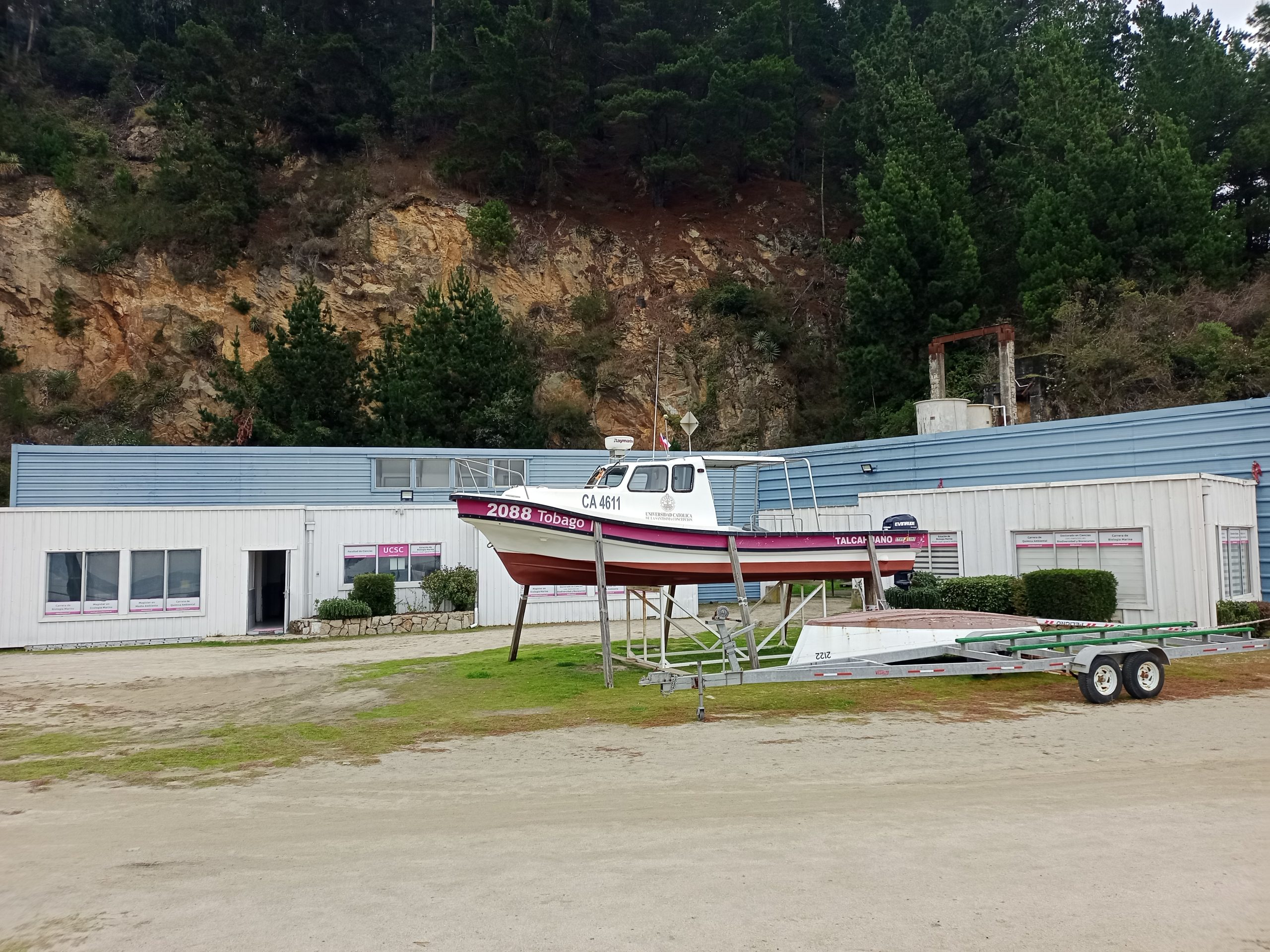
"The fact that the station is opened to the community, to show What are you doing?It's a very important step. Teaching the studies that exist in relation to marine biology and what UCSC does is fundamental. For my part, the course of coastal scientific illustration We intend to replicate it this year 2024, in addition to monthly monitoring throughout the Hualpén peninsulawhere our base is Lenga. Other colleagues also develop experiments in aquariums, there are classes that are dictated and all the work of dissemination that is carried out with schools that visit the Station," he explained.
An exciting opinion has Second Escobar regarding meet again with current academics and that he saw himself grow and evolve when they were in undergraduate. "It's a pride, I'm very happy, you get to see the work it brings. I am. Artisanal fisherman and one sees in them what they learned, trying to teach them from my area. I always thought they'd be good teachers and professionals. I am very proud of them," said Segundo Escobar, regarding the fact that academics today continue linked to Lengathrough his lectures, thesis and research work.
So far in the year 2024, they are already more than 600 people they have visited the station in Lenga, among those that stand out staff of UCSC, high school students, schools, kindergartens and community in general. And we're just finishing the month of May, so, Several months left more to continue impacting on the Lenga community and the entire Biobío region.
*Photos courtesy of the Faculty of Sciences UCSC.