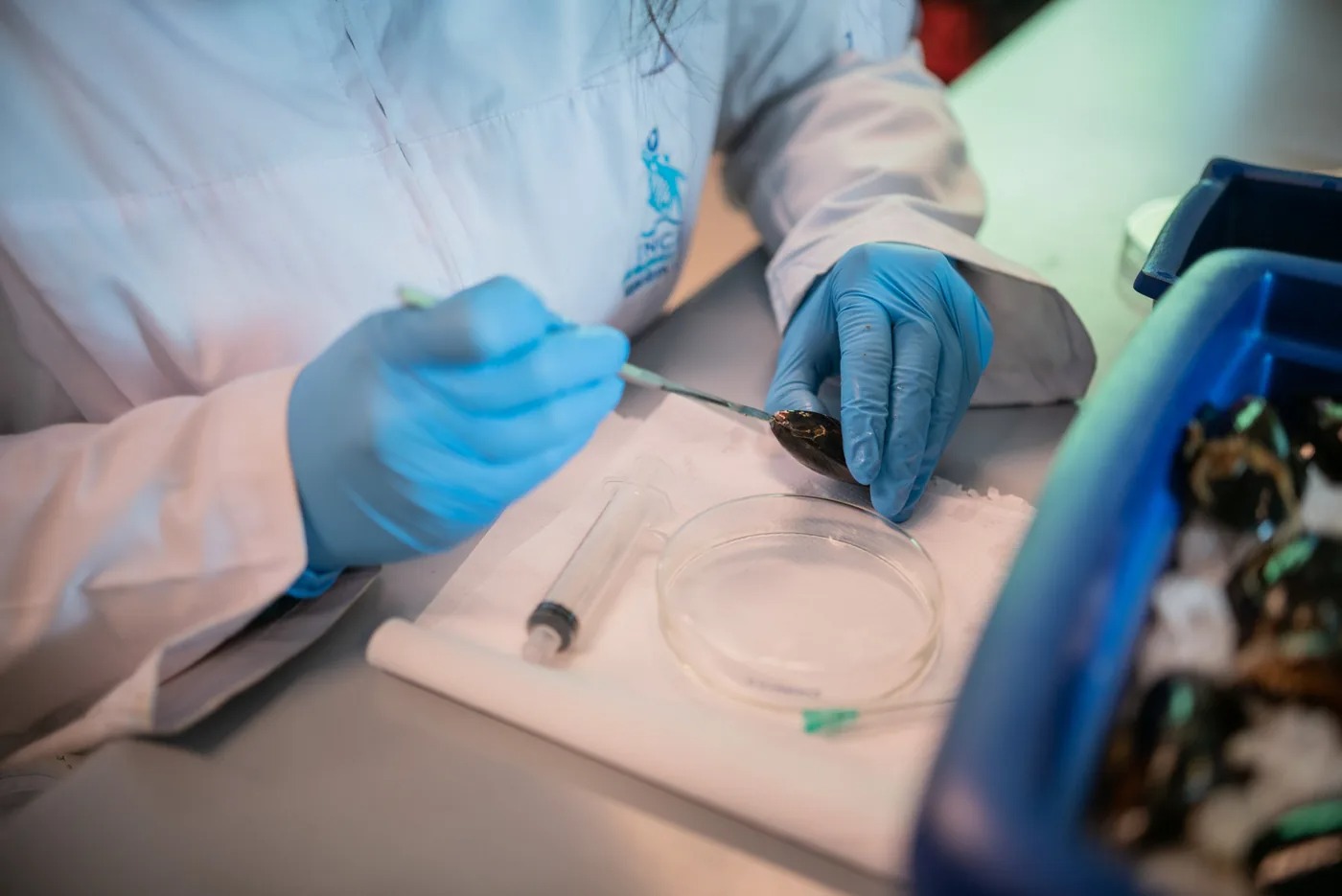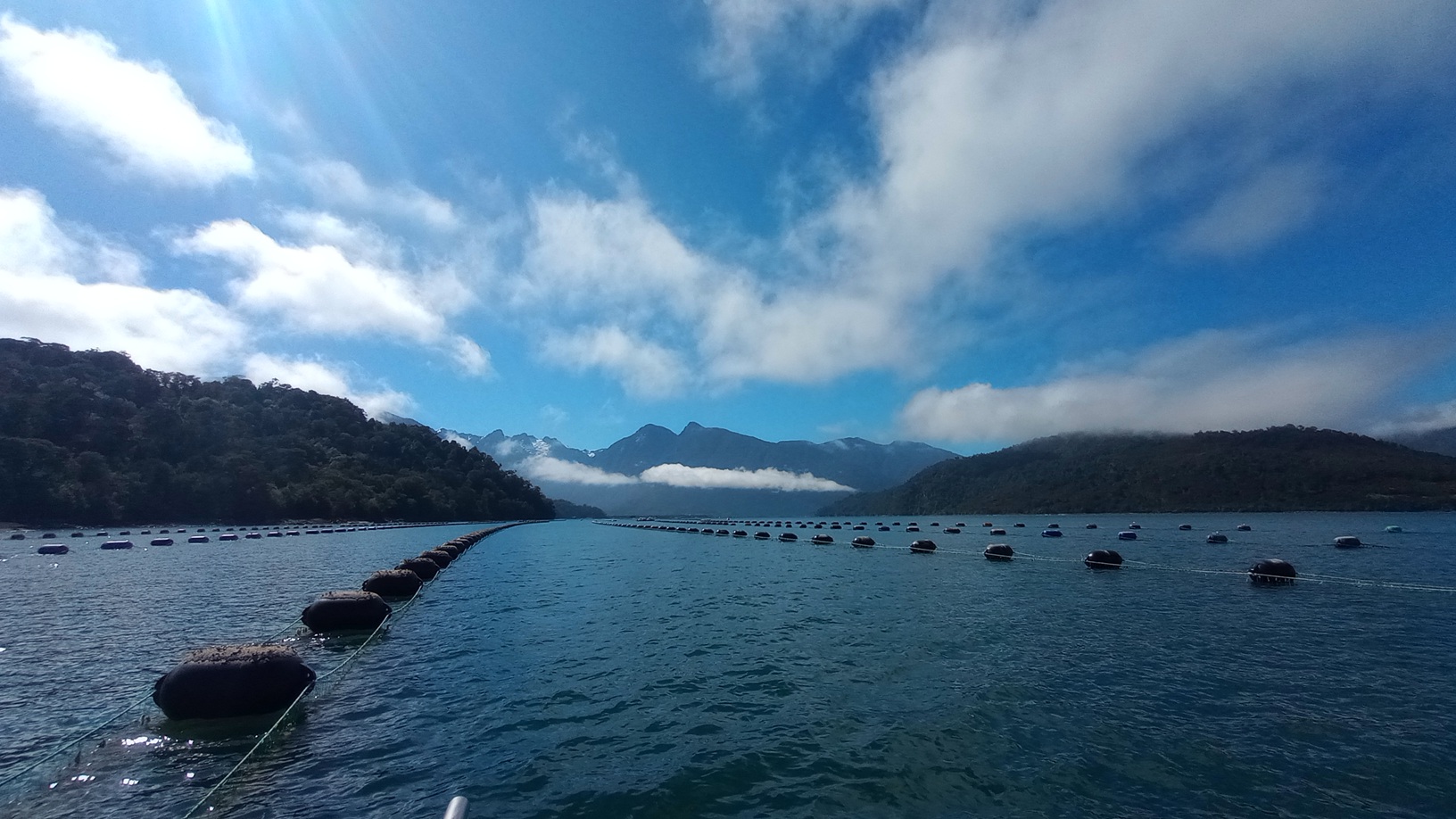
The research led by Dr. Felipe Torres, a graduate of the Doctorate in Sciences with a mention in Biodiversity and Biorresources from the Catholic University of the Holy Concepción, analyzed more than a decade of data on changes in the abundance of mussel larvae (a group that includes the Chilean cockle) in fiords and channels of northern Patagonia.
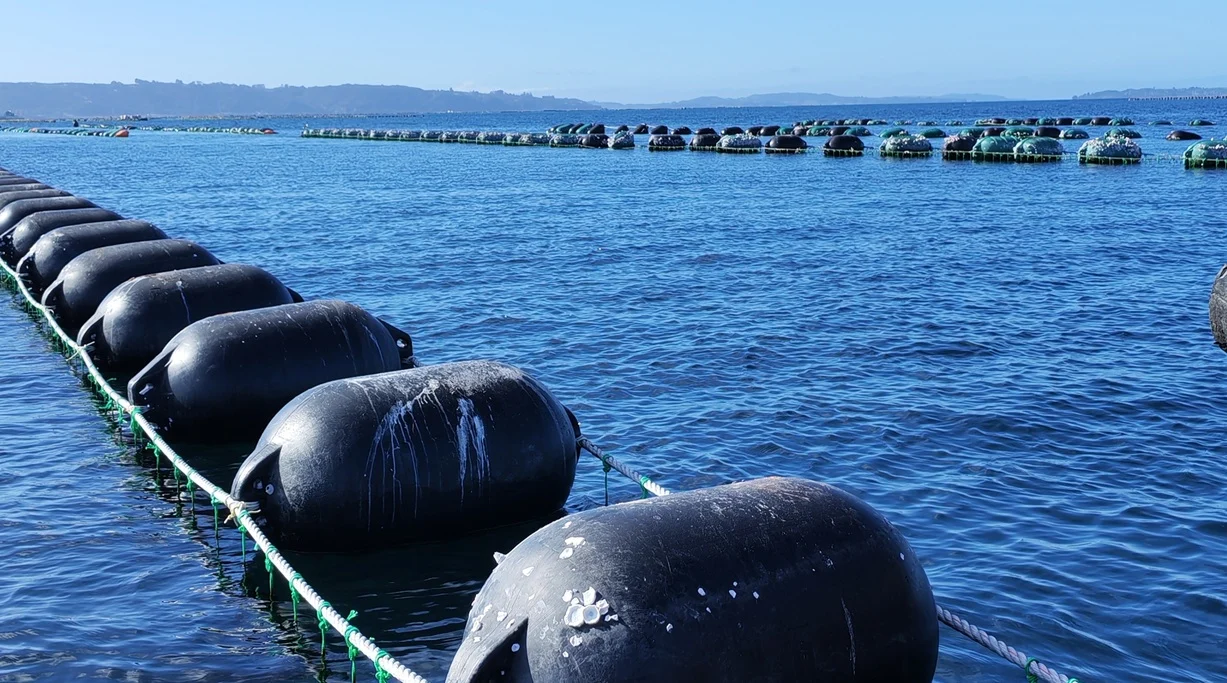
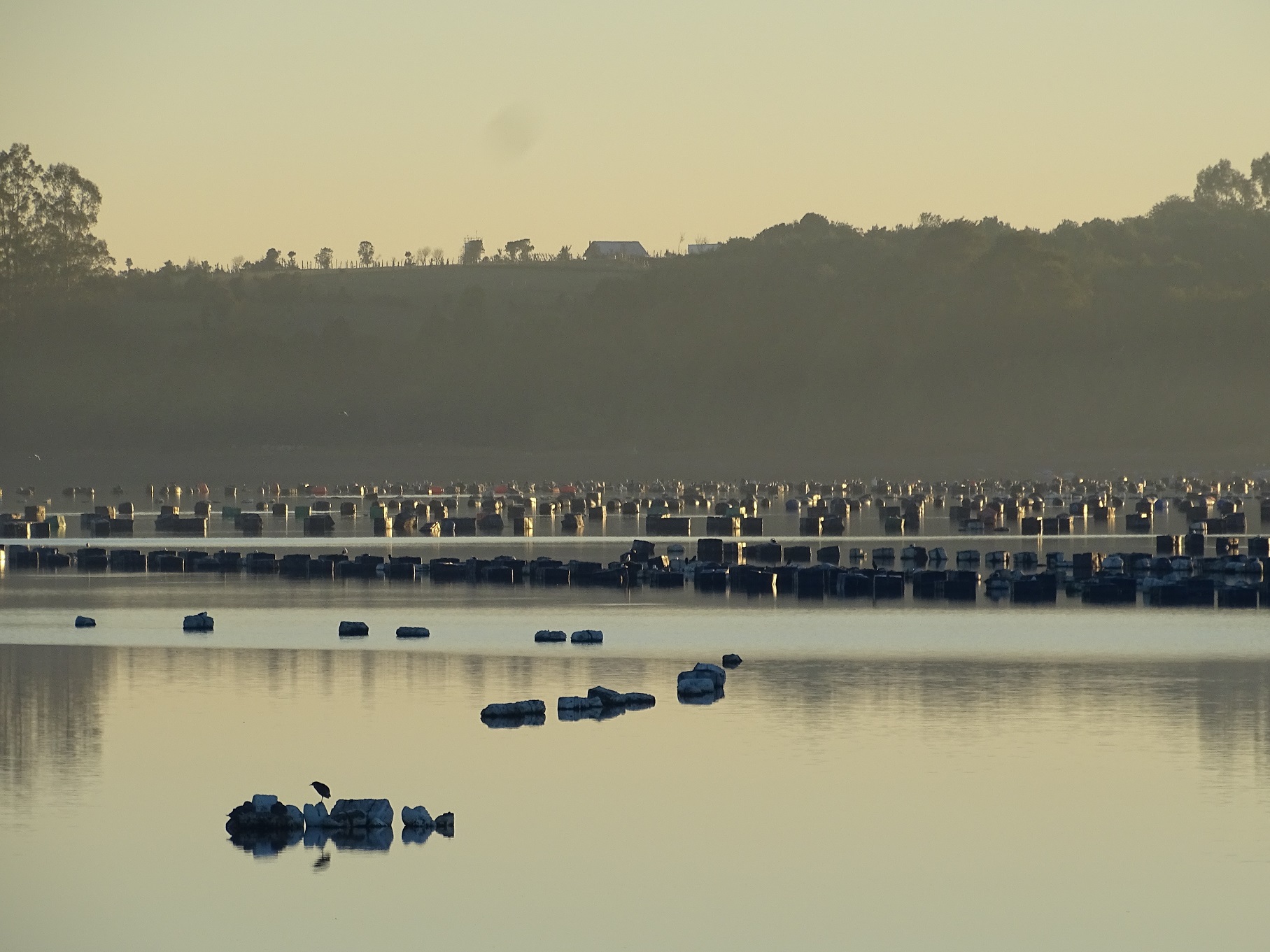
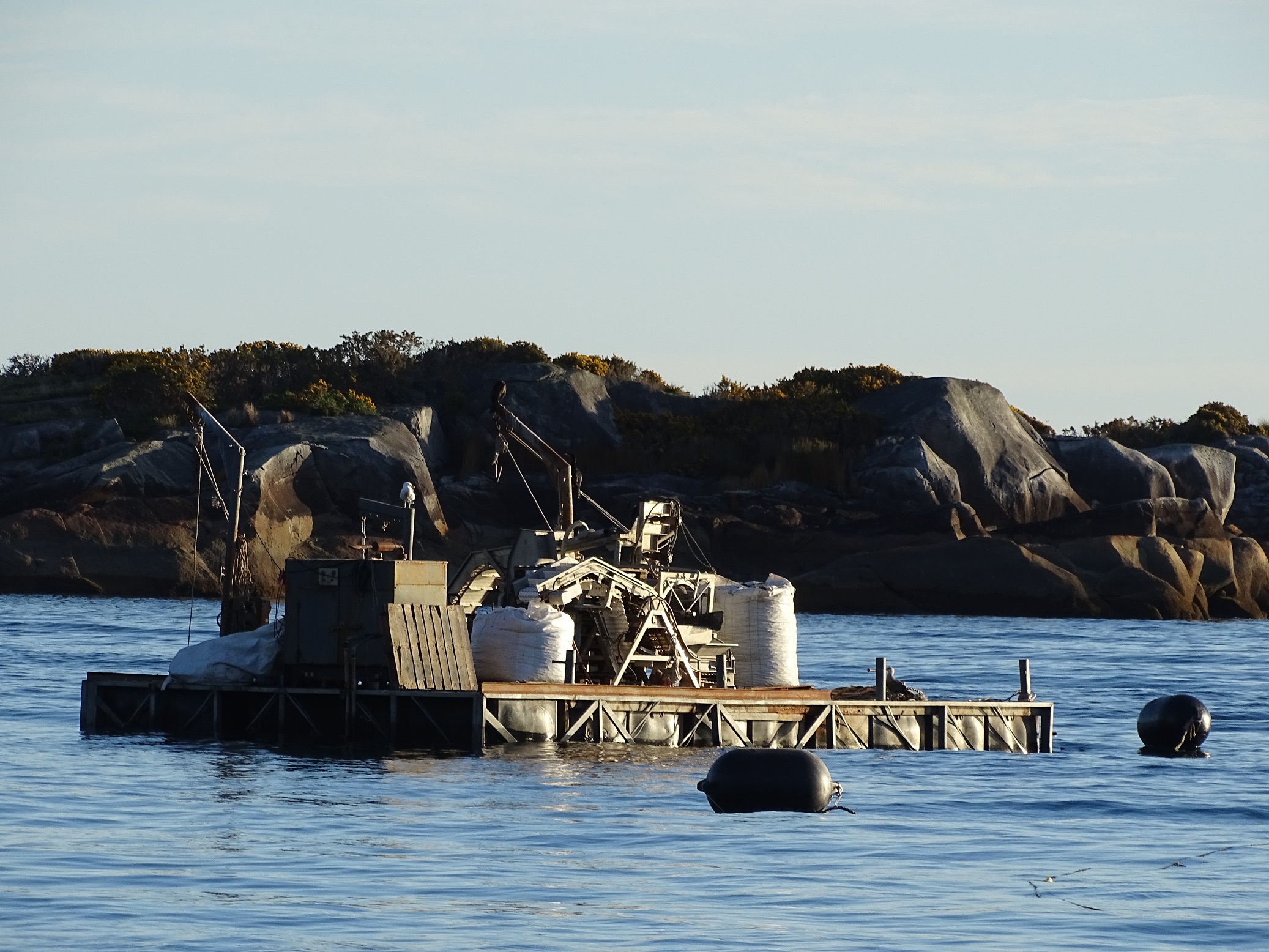
The work, published in the journal Journal of Marine Systems, focused on seven localities in northern Patagonia, a key area for mussel farming. National mussel farming completely depends on the natural capture of seed, that is, on the arrival and settlement of larvae in collectors installed in the water. Chile is the world's largest exporter of mussels. In this context, understanding when, where and under what environmental conditions larval abundance varies is key for anticipate changes that could impact the sustainability and productivity of this activity.
"This study arises from a very specific question: if we have more than ten years of monthly data, can we use them to understand how larval availability varies between sites? What we found is that there is no single answer for all of northern Patagonia. Each site shows a particular dynamic," explained Dr. Felipe Torres.

The research is part of her doctoral thesis, developed under the supervision of Dr. Carlos Lara, academic from UCSC, Dr. Bernardo Broitman (Adolfo Ibáñez University and Milenio Institute SECOS), Dr. Carlos Molinet (Austral University of Chile) and the collaboration of Dr. Nicole Castillo-Villlagrán (University of Concepción). The study used larval abundance records, temperature and salinity of the sea obtained within the framework of Valuable monitoring programs carried out by the Fisheries Development Institute, IFOP. From these data, researchers analyzed seasonal patterns, extreme events, long-term trends and associations with large-scale climate indices, such as El Niño-Southern Oscillation, the Pacific Decadal Oscillation and the Southern Annular Mode.
Local variability in northern Patagonia
One of the main results was that the abundance of larvae presented a marked seasonality, with higher concentrations during spring and southern summer. However, the timing, duration and intensity of this seasonality varies considerably between sites. In addition, researchers detected extreme events of larvae abundance or scarcity, along with long-term trends of increase or decrease.
“The results show that it is not enough to analyse regional averages. In an area as complex as northern Patagonia, geomorphology, fresh water supply, water mixing and local circulation can modify how a climate signal is expressed in each location,” said Dr. Torres.
The study also suggests that large-scale climate indices may provide relevant information to understand variability in larval supply. However, the authors caution that these relationships should not be understood as simple or universal answers. “In ecology we often expect to find a variable that explains everything, but these systems don’t work that way. The climate signal exists, but it goes through a local filter, determined by conditions such as salinity, stratification or circulation,” he added.
The research is also inserted in the context of the so-called Data Age. Currently, long-term environmental monitoring allows us to address questions that some decades ago were very difficult to answer. In a climate change scenario, where marine ecosystems experience changes in temperature, salinity, pH, oxygen and circulation, these prolonged time series become especially valuable.
“Today we have statistical and computational tools that allow us to analyze large volumes of information and detect patterns that are not evident in short-term studies. This is key, because many ecological processes are expressed on scales of years or decades,” said Dr. Felipe Torres.
Implications for Chilean mussel cultivation
In the case of Chilean mussel cultivation, this approach is very relevant. Unlike other aquaculture systems, where larvae are produced under controlled conditions, the production of choritos in Chile depends on the natural availability of larvae. This makes the activity especially sensitive to environmental changes that may alter reproduction, dispersion, survival, or larval settlement.
“Understanding variability in larval abundance is not just a scientific question. It also has productive and social implications, because thousands of families depend directly or indirectly on mussel cultivation in southern Chile,” said the researcher.
The authors emphasize that the results should not be interpreted as a direct prediction of the future availability of seeds, but as a basis for a better understanding of the mechanisms regulating larval abundance. In particular, the study shows that responses can be highly local, so monitoring, management and adaptation strategies to climate change should consider the spatial heterogeneity of the region.
“One of the central ideas of the work is that northern Patagonia cannot be understood as a homogeneous system. There are sites that respond differently, even under similar weather conditions. This information can be key to designing more precise monitoring strategies and decisions better adapted to the territory,” Torres concluded.
Together, this paper provides new evidence on how climate and oceanographic variability is linked to key ecological processes in Chilean Patagonia. It also reinforces the importance of maintaining long-term monitoring programmes and integrating data science, oceanography and ecology to anticipate the challenges posed by climate change to marine biodiversity and national aquaculture.