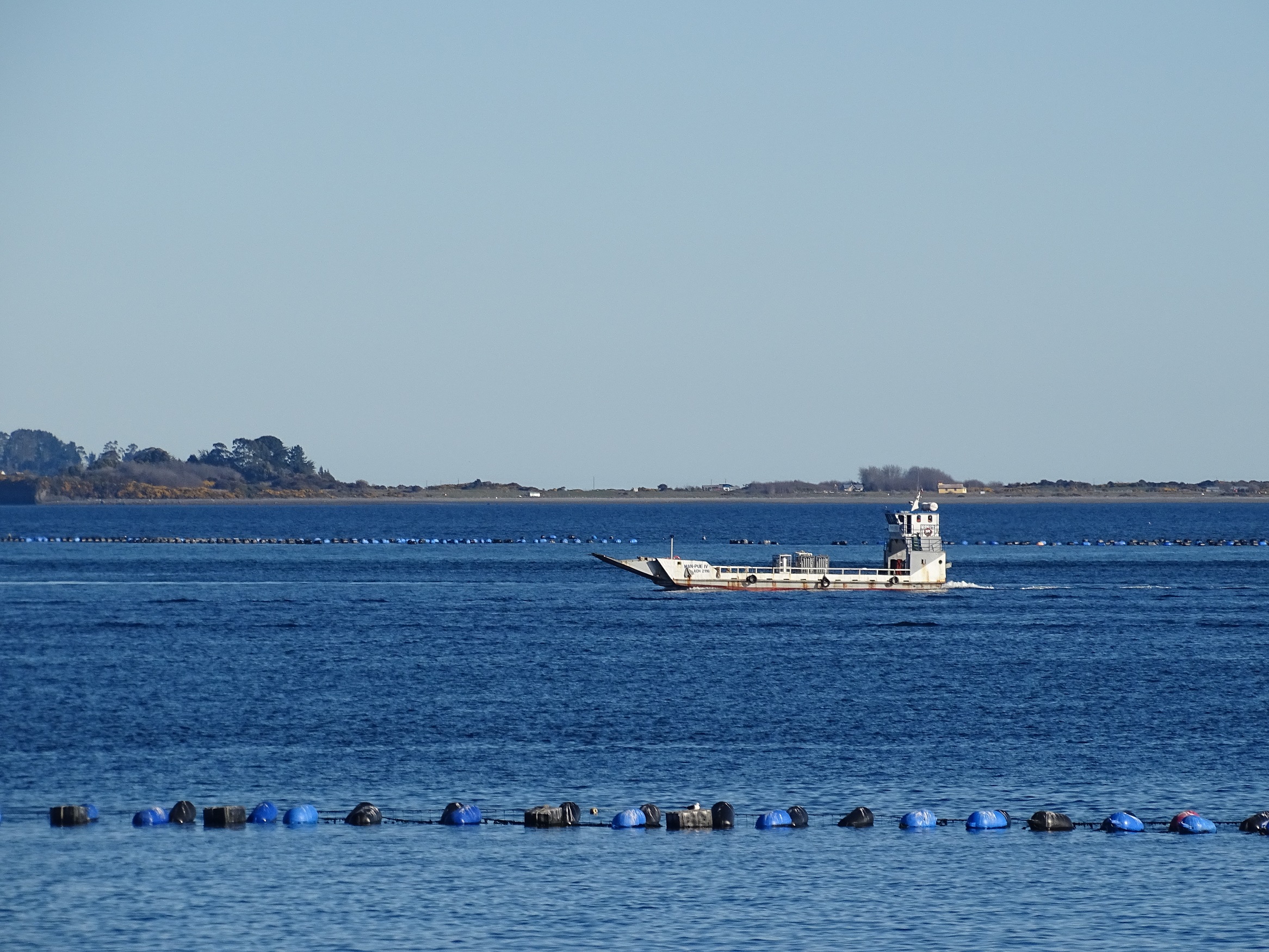
The body marked a decade of productive, institutional and promotional advances of the chorito as an identity superfood of the Los Lagos Region.
With the presence of regional authorities, representatives of the mussel farming sector and key actors in the value chain, this event took place in Arena Puerto Montt, the 10th Anniversary of the Regional Strategic Program (PER) for Chilean Mussels, an occasion that celebrated a decade of productive, institutional and promotional advances, highlighting the mussel as an identity superfood of the Los Lagos Region.
The event reviewed the main achievements of the program, from the mechanization of small producers to the implementation of Clean Production Agreements, the strengthening of governance, aquaculture diversification and various innovation, sustainability and circular economy initiatives.
During the opening, the Regional Governor, Alejandro Santana“We are facing a successful program with 10 years of history, a decade in which there were significant transformations in productivity and growth capacity. This is an activity that, as has been said, has family and territorial roots; few industries manage to change the life of communities thanks to the opportunities they generate and the vision that they develop. This advancement requires technical support, strengthening of governance and ongoing support."
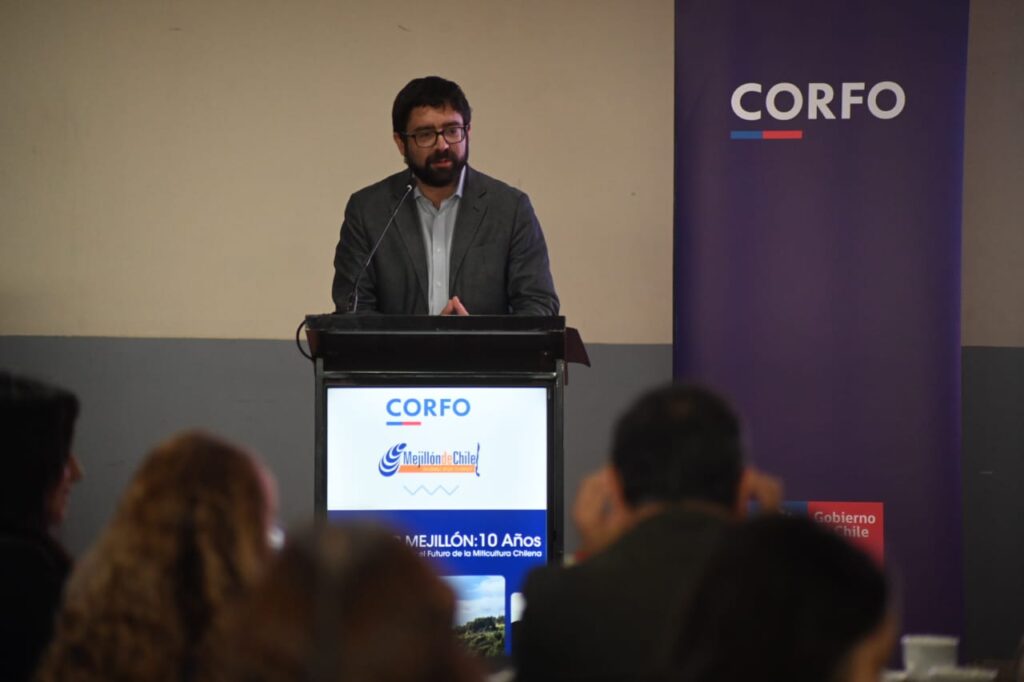
The president of PER Mejillón, the mussel farmer Miguel Algiers“The Strategic Mussel Cultivation Programme was not just a statement of good intentions; it was a concrete road map that has enabled us to make significant progress. Thanks to the work done in these years, today we have something much more valuable: the experience of having worked together, the clarity of our strategic vision and the conviction that we are able to face any challenge. The future of the growing mussels in Los Lagos depends on us maintaining this spirit of collaboration, integrating everyone, from the great exporter to the small producer of the most distant communes.”
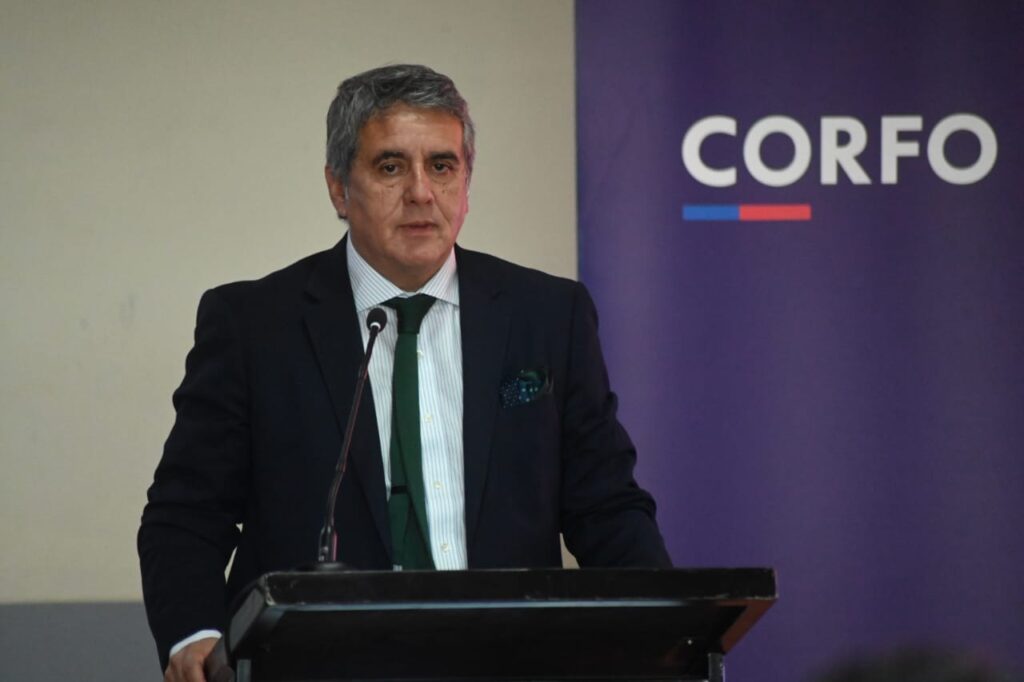
In the same line, the Regional Director of Corfo, Eduardo Arancibia, valued the impact of the PER in this decade and noted that: “We are talking about state policies that Corfo promotes and that allow an industry to sustain a permanent public-private alliance, overcoming gaps in access to new markets, mechanization, adoption of circular economy processes and waste reduction, as well as promoting promotion campaigns such as that carried out at the national level. A product so prominent and so typical of our region deserves all sectors to join behind. In this sense, having at the same table the most representative actors of the whole chain has been key for initiatives to emerge from the sector’s own needs.”
By the same token, the Seremi de Economía, Luis Cárdenas“We saw a 10-year-old program and the development of a productive sector, which we probably would not have imagined and the take-off it has had. From public policy, passing one government after another, and that allows us to look to the future. In this sense, the importance of the development of mussel cultivation in our region of Los Lagos is fundamental, not only because of the progress made in in terms of technological development, employment, growth and exports, but because all this shows how, in a region like ours, we can continue to strengthen the development of aquaculture.”
The Executive Director of AmiChile, Rodrigo Carrascohe projected the value of the program into the future and concluded: “I value this program very positively. I am grateful that it exists, because it has been a great contribution for the industry, especially for small producers, generating confidence and development bases. After 10 years of work, the results support that recognition and appreciation. The challenge now is to project it into the future. There are actors who have put a lot of effort into making this governance work, and that must continue. Today we are working in a corporation that brings together different guilds, because the cultivation of mussels in Chile has various actors that converge in governance spaces like the one proposed. We see a very positive future and, again, I appreciate all that has been done.”
Acknowledgements
The ceremony included the award of recognitions to producers, guilds, public institutions, suppliers, academics, consultants, processing companies and the PER team, all actors who were part of the development of the sector during this decade.
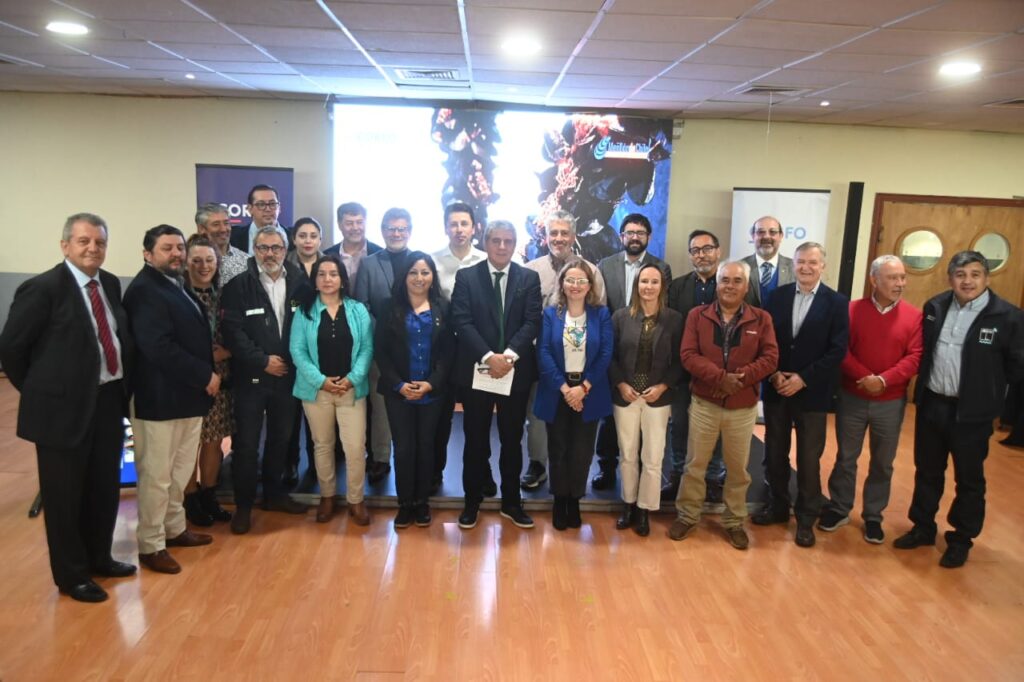
The first presidents of PER Mujillón were distinguished, Alberto Augsburger and Walter Kaiser, together with the presidents of trade unions and members of the Board of Directors of the program: José Almonacid, from the Llaguepe Entrepreneurs' Union; Jorge Matamala, of the Gremial Association of Mollusc Growers of Calbuco; Elias Colivoro, of the Gremial Association of Quellón mussel producers; Rodrigo Carrascoof AmiChile; Jorge Contrerasthe Federation of Artisanal Fisheries of Hualaihué; René Vera, Asociación Gremial de Acuculadores de Queilén y Miguel Algiers, from the Gremial Reloncaví South Association.
Also, pioneers of mussel cultivation were recognized as Eduardo Ferrari and Eugenio Yokota. The work of the Corfo executive was also highlighted Hugo Escobaralong with a posthumous tribute to the renowned researcher Eduardo Bustos, which decisively boosted the development of the sector.
Promotion of chorito in school feeding
Another important milestone was the promotion of the consumption of choritos in school feeding, thanks to the agreement between Junaeb, PER Mejillón and AmiChile, which allowed the incorporation of chorito monthly in the minutes of the School Food Program (PAE). Thanks go to the Junaeb PAE team led by Karin Burgosas well as the former regional director Sarita Carcamo, for promoting this initiative that positioned chorito as a local food, nutritious and accessible.
Also recognized were the pilot educational establishments that participated in the project of promotion and acceptability of chorito during 2026: the Melipulli School, the Colegio Patagonia Cordillera and the Miramar Commercial Lyceum. A special tribute was paid to Jenniffer Alvarado, teacher and chef of the gastronomy workshop, who, along with his students and teachers of the workshop, participated in the elaboration of the recipe book “Sabores Escolares”.
The PER Mejillón took advantage of the contribution of the Nutrition and Dietetics career of the Universidad Santo Tomás, on behalf of its career director Caroline Yansfor its role in training teachers and food manipulators.
The event concluded with a call to strengthen mussel cultivation as a key sector for employment, innovation, exports and productive identity in the region. The completion of this cycle opens the way to a new stage focused on sustainability, added value and robust governance, aimed at boosting the competitiveness and international projection of the Chilean chorito, through the future corporation that will bring together different actors in the sector.