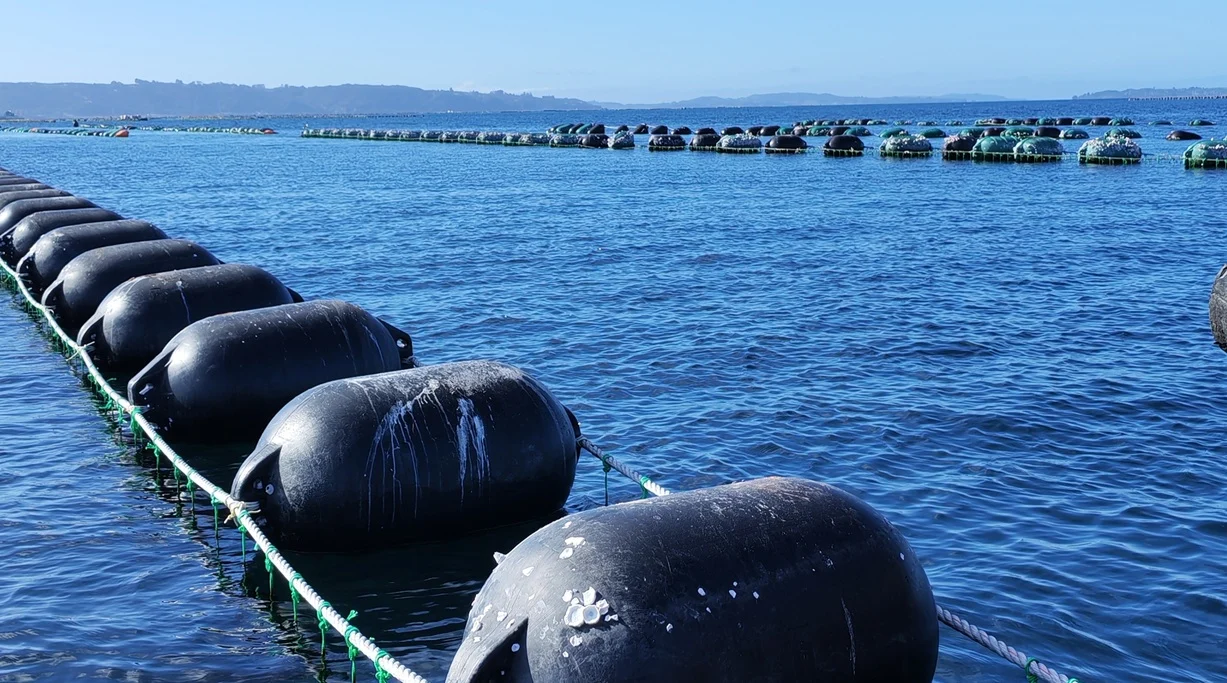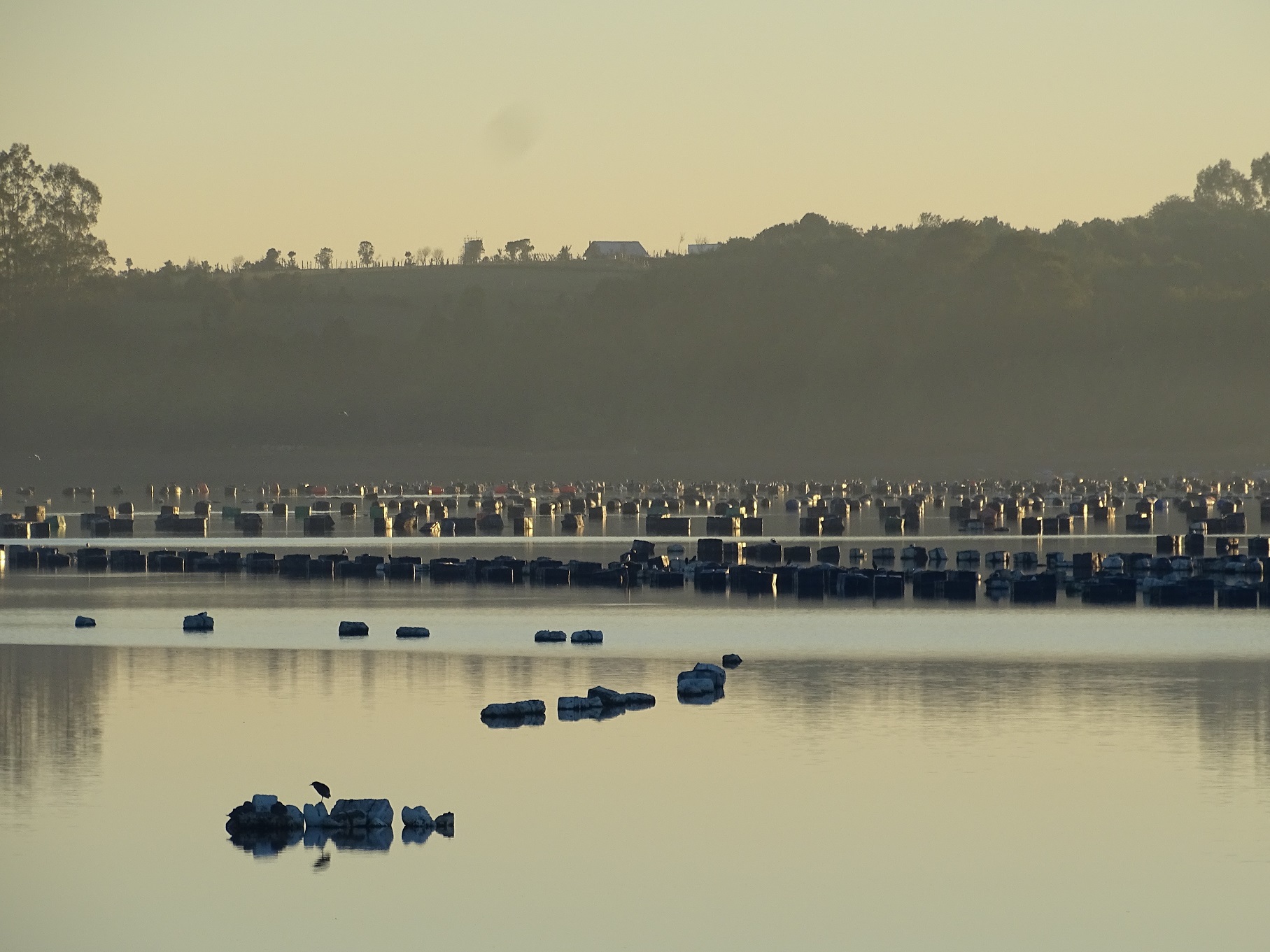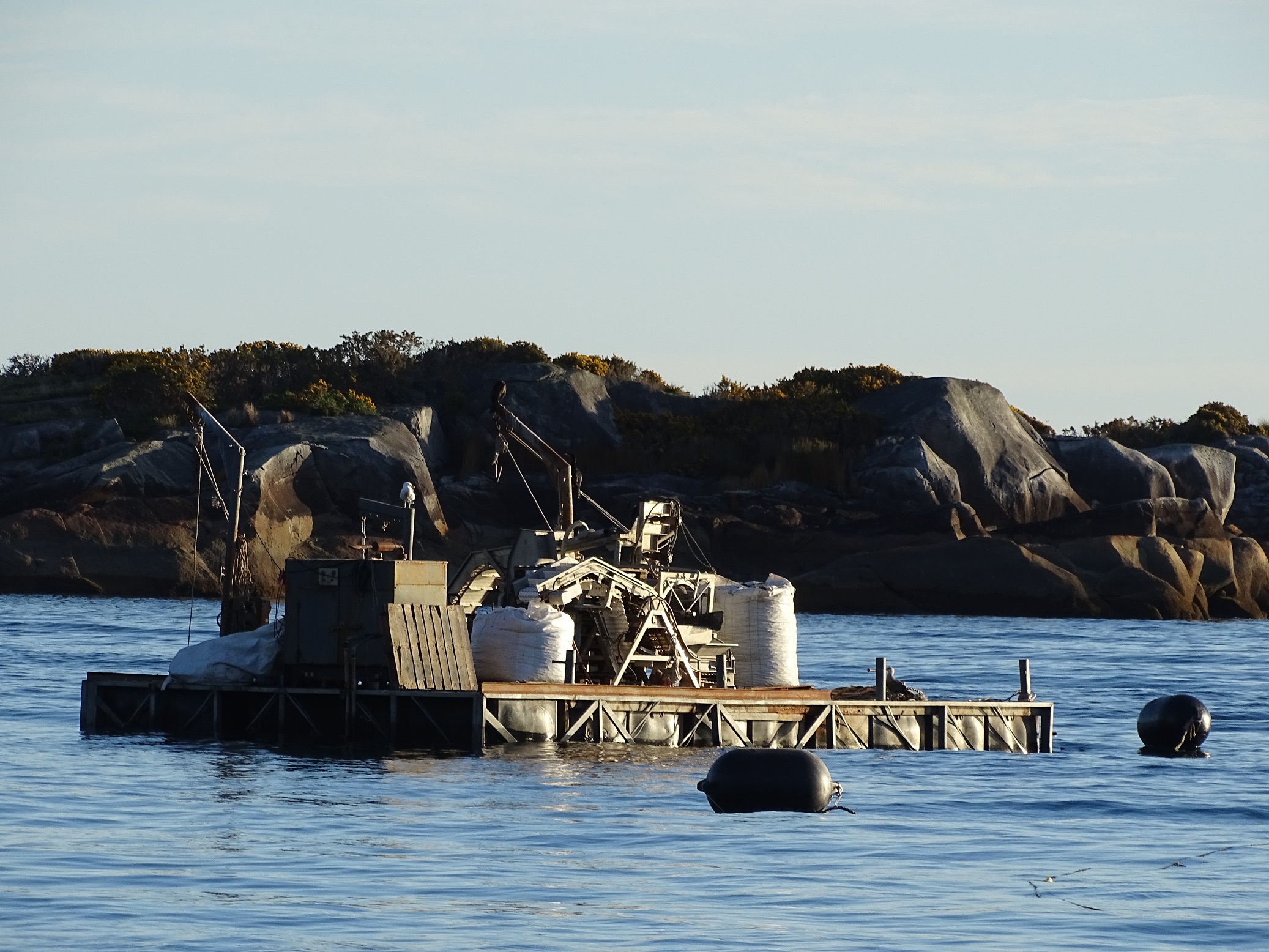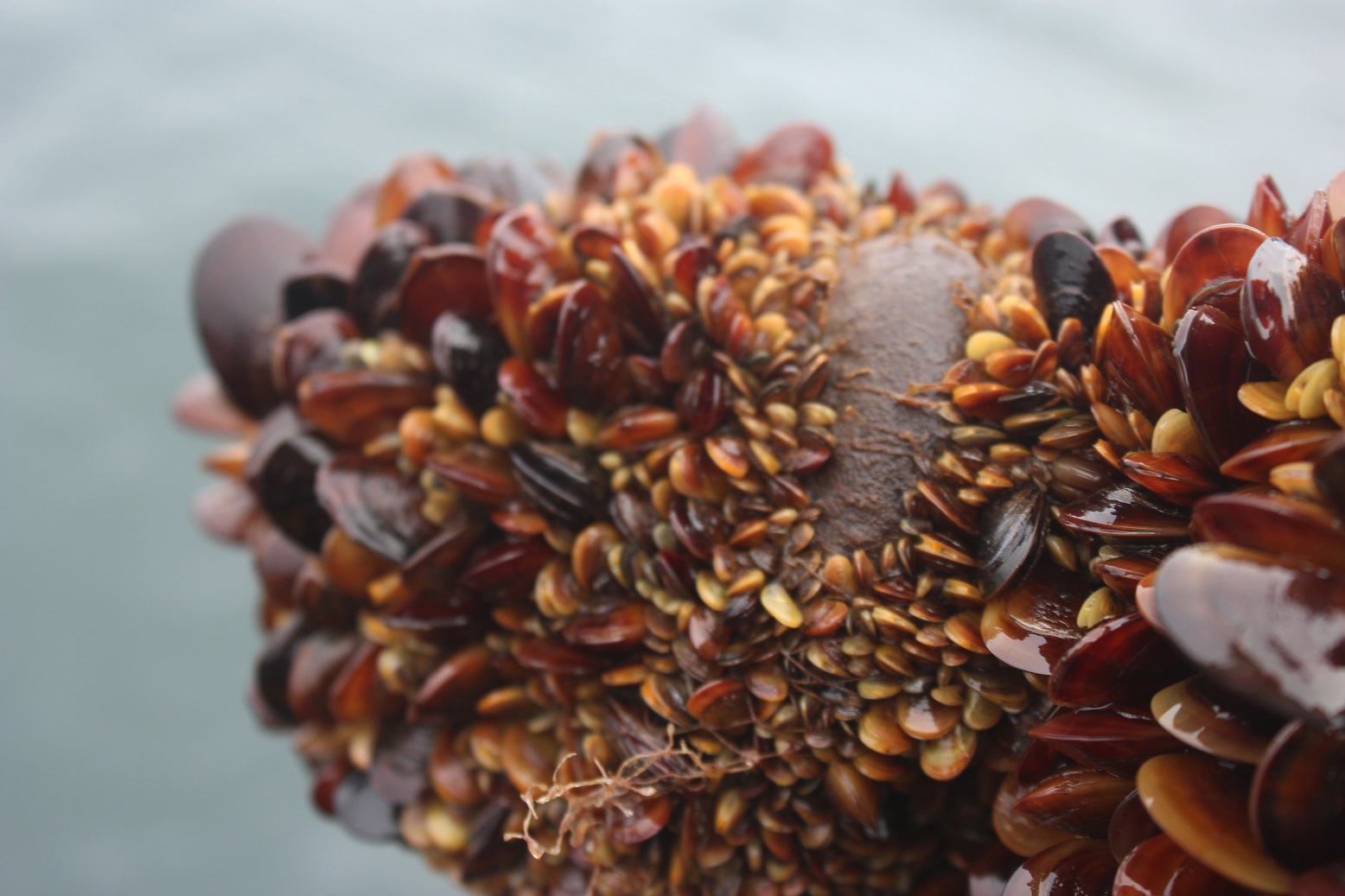
A recent study has revealed that mussels, the second most farmed aquatic species in Chile, would have different adaptation capabilities depending on the environmental conditions where they come from.
The latest report of the World Meteorological Organization 2024 has impacted with its conclusions on the state of the global climate: 2024 was probably the first year with a temperature higher than 1.5 °C compared to the preindustrial era, as well as with a rise in sea level and ocean warming that will be irreversible for hundreds of years.
These impacts, in addition to generating consequences in the lives of millions of people, also have implications for the natural populations of marine organisms and those that grow in coastal farming systems.
In the face of this scenario, an interdisciplinary team of researchers from Milenium Institute for Coastal Socio-Ecology (SECOS), and institutions such as the University of Concepción, Austral University, Adolfo Ibáñez University among others, published in the journal Science of The Total Environment the results of a study developed by PhD student Nicole Castillo and the guide of researcher Cristian Vargas, both from DRIED and the Laboratory of Coastal Ecosystems and Global Environmental Change ECCALab, Universidad de Concepción.
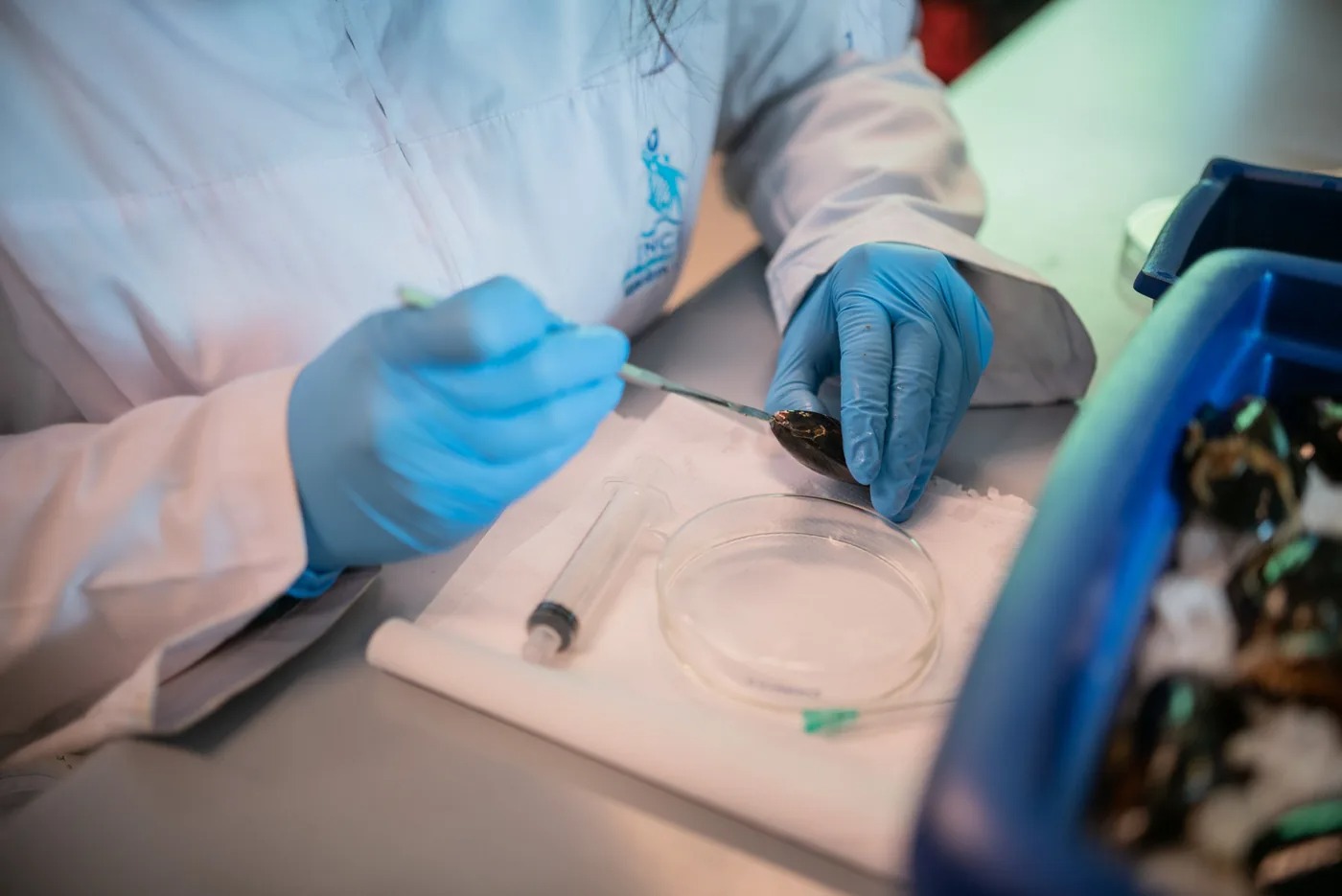
The study analyzed samples of choritos from three contrasting geographical areas in the towns of Metri, Puelo and Caleta El Manzano (Hualaihué) in the Los Lagos Region. To understand the natural environmental conditions to which these populations are exposed, oceanographic data on temperature, salinity and pH were collected using buoys and sensors close to the culture centers. This information allowed design controlled experiments in the laboratories of the ECCALab and the Coastal Marine Biology Station of the Universidad de Concepción, where the organisms were subjected to different scenarios of environmental change.
In this way, the research represented a significant technical and logistical challenge, as it was worked with more than 900 individuals who were measured their feeding rates, involving three natural populations and the interaction of these three environmental variables. Thus, this comprehensive approach not only allowed to evaluate how environmental variability influences the ability to adapt the seeds of choritos in the face of changes under environmental conditions (known as ‘phenotypic plasticity’), but also highlighted the importance of the human and technical effort required to carry out studies of this complexity.
"The results of this study indicate that the capacity of chorito seeds (Chilean mussel) to respond to environmental changes is influenced by the regime of environmental variability, and how ‘predictable’ fluctuations in these variables are,” explains Nicole Castillo, also postdoctoral researcher SECOS. And he adds that “in addition, in the laboratory we saw that the seeds of choritos respond differently according to where they come from, even if those places are very close. This suggests that conditions of the environment where they grow influence their tolerance and resistance to extreme events.”
A model for adapting aquaculture to climate change
One of the main findings of the study is that the ability to adapt chorito seeds depends not only on their genetic variability, but also on the environment in which they grow. Populations exposed to increased environmental variability demonstrated greater tolerance for extreme conditions, suggesting that certain environments may favour the resilience of marine organisms to climate change.
“These findings can contribute to the identification of areas more (or less) resilient to different stressors, providing key information to improve the ability of the mill industry to anticipate, respond to and recover from environmental changes. In this sense, results can be useful for decision-making in management and planning, facilitating the development of strategies based on environmental variability and physiology,” says Cristian Vargas.
For its part, for Camila Barría, in charge of R & D & I Institute of Mussel Farming“The results of this research are part of the main challenge of the industry, because due to the high dependence of the environment (seeds and food), the cultivation of Chilean mussels presents as the main challenge to know the factors that determine the supply of seeds from the natural environment, since this is the key input that sustains the industry. This is why, from AmiChile and INTEMIT, we value this kind of progress already that allow us to know the changes in the adaptation of our species and project the industry in the context of climate change.”
Finally, Vargas deepens the usefulness of this type of methodology. "In order to understand how populations of organisms under cultivation could respond to climate change, in SECOS we have adopted a comprehensive approach. We monitor the ocean with lower cost loggers and sensors, which allows us to characterize environmental conditions over time in the habitats of species under cultivation, such as choritos in this case, or also ostiones. We then conduct experiments in the laboratory to evaluate how populations respond to the natural variability they face and to more extreme events, such as heat waves or episodes of low pH or low salinity. Finally, we complement these studies with genetic analyses to understand their local adaptation mechanisms or their sensitivity to these conditions."