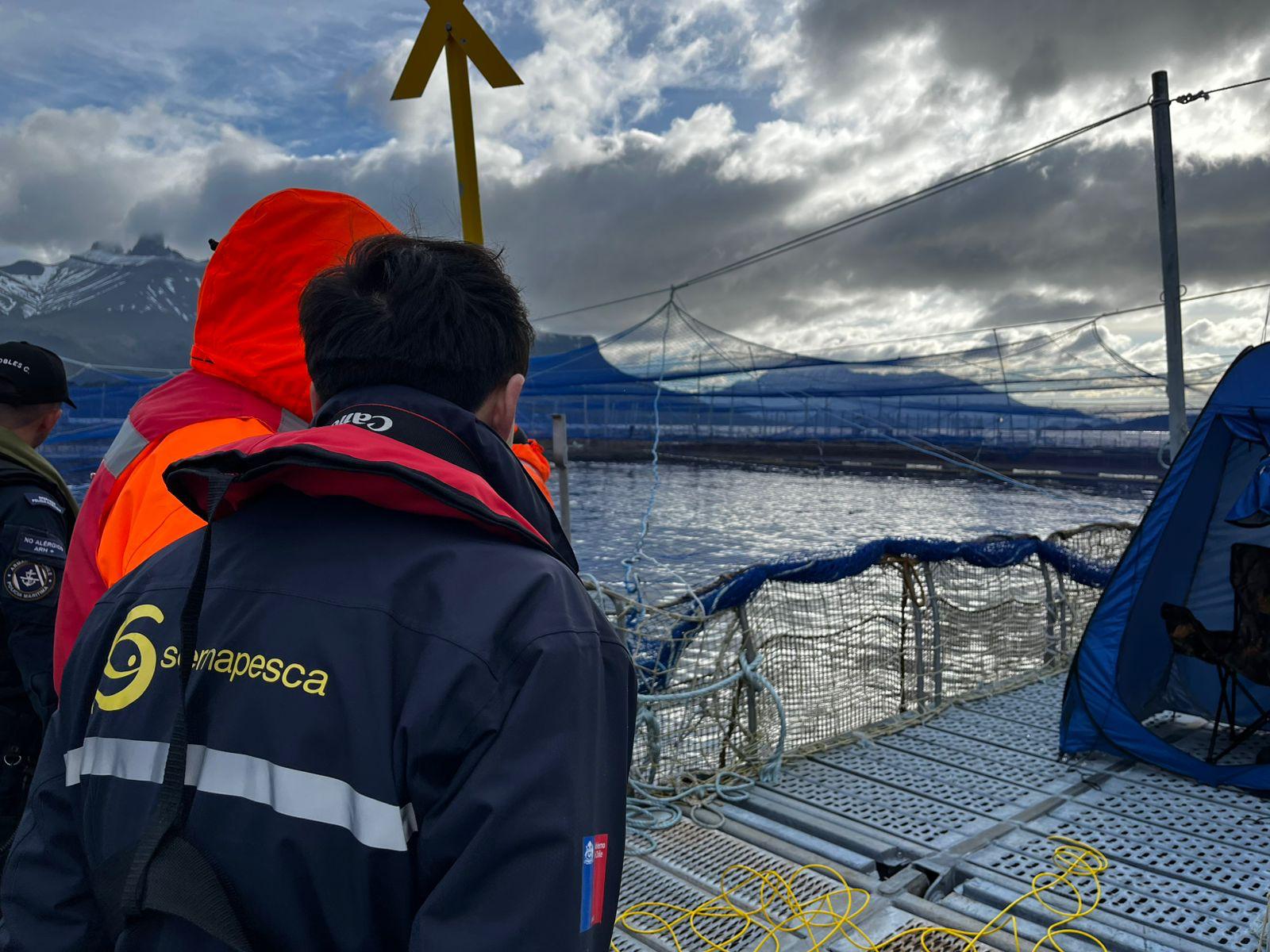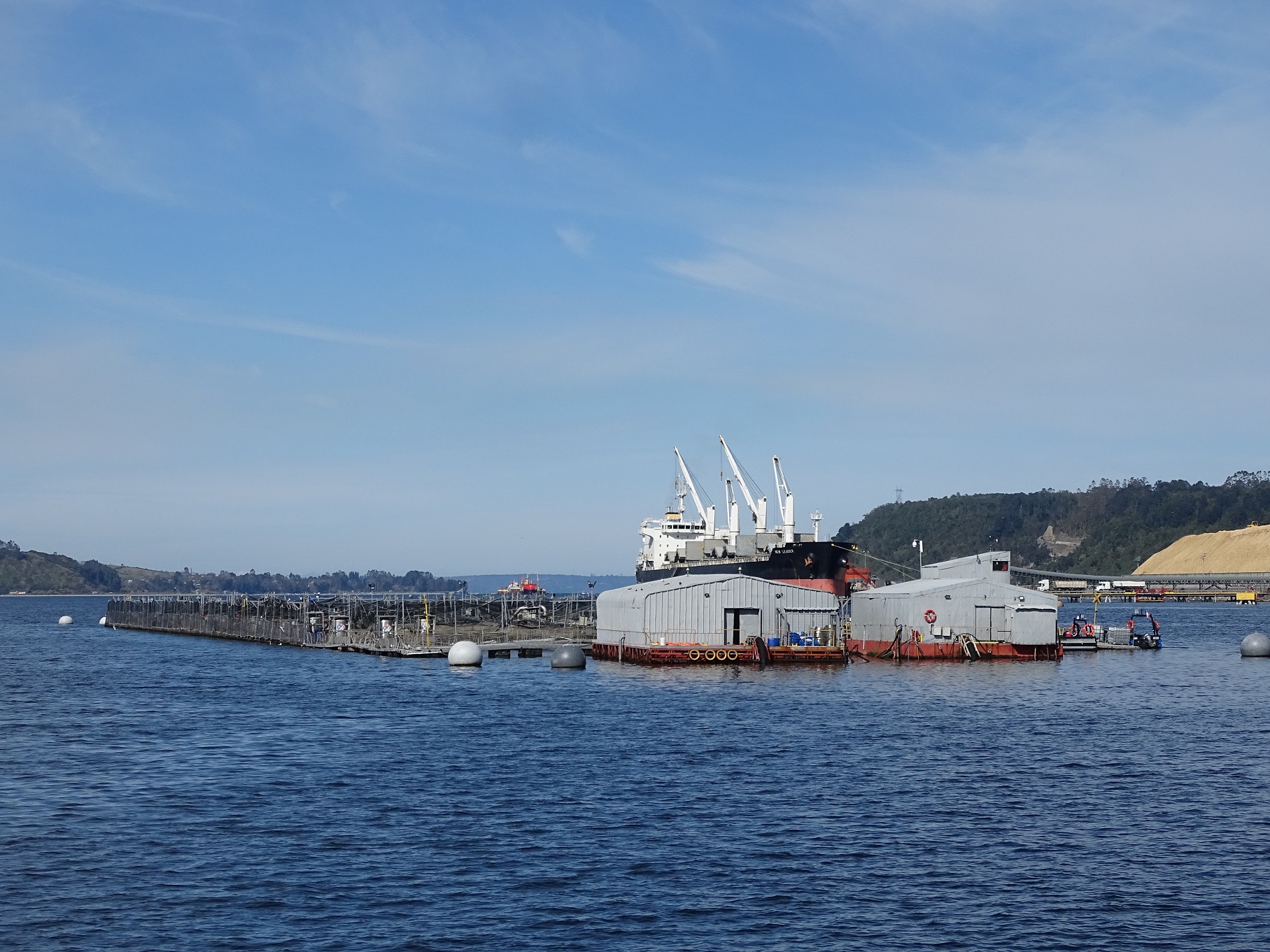
Multidisciplinary teams from the six partner companies of the producers' guild presented their prevention and response strategies for environmental contingencies. The session allowed reviewing the progress made since 2016, updating procedures and maintaining direct coordination with Sernapesca and Subpesca for this season.
Within the framework of the Environmental Contingency Operational Committee implemented by the Salmon Council and its partner companies, a technical workshop was held this Tuesday with the National Service of Fisheries and Aquaculture (Sernapesca), focusing on the 2026–2027 Harmful Algal Bloom (HAB) season.
The day began with a review of the current context and the importance of anticipating climate events through constant monitoring of environmental conditions, early detection and timely activation of response procedures.
The scenario associated with the "El Niño" phenomenon was part of the context analyzed and reinforced the importance of maintaining permanent preparedness. In these conditions, the producing companies, Sernapesca and Subpesca maintain active monitoring mechanisms and maintain direct coordination to respond promptly to potential environmental contingencies.
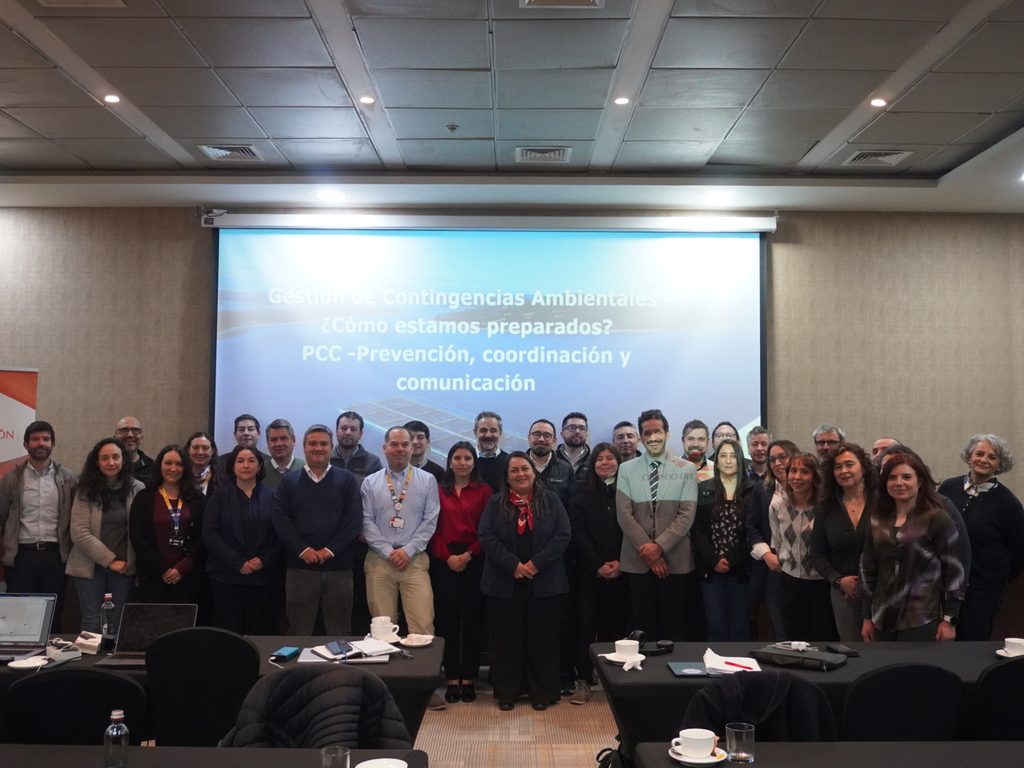
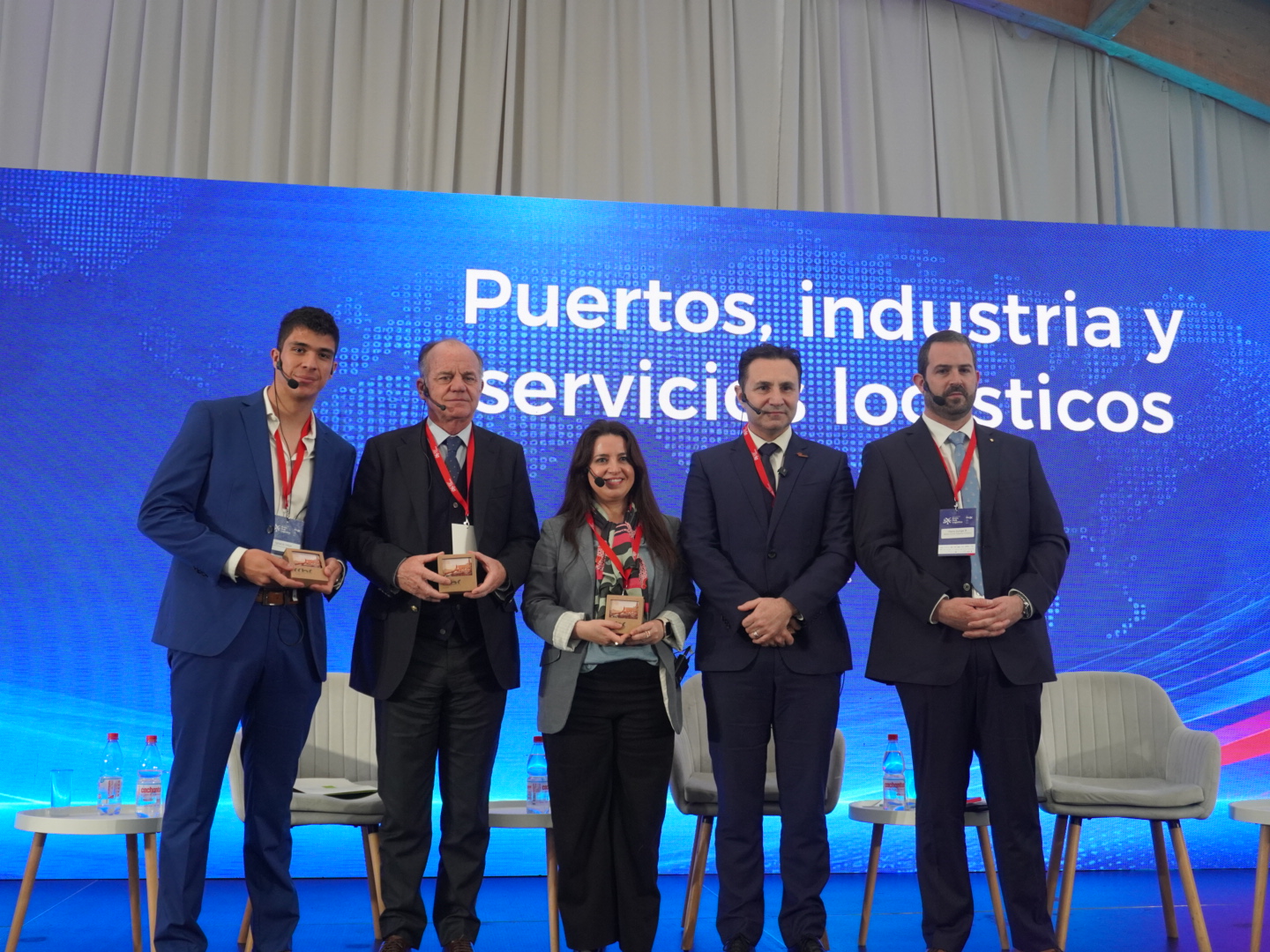
The workshop was jointly led by the Salmon Council, represented by Ángela Saavedra, regional director of the Salmon Council in Los Lagos, and Marcela Lara, technical advisor of the Salmon Council and the National Fisheries and Aquaculture Service, led by Soledad Tapia, national director of Sernapesca; Cristián Palma Valdés, Regional Presidential Delegate of Los Lagos; Mónica Rojas, national deputy director of Aquaculture of Sernapesca, and Alejandro Barrientos, head of the Aquaculture Division of the Directorate of Fisheries and Aquaculture (Subpesca), among other officials.
Also, the regional teams of Sernapesca from Biobío, Los Lagos, Aysén and Magallanes participated, which form part of the contingency management.
Also participated the multidisciplinary teams of the member companies of the producers' guild: AquaChile, Australis, Cermaq, Mowi, Salmones Aysén and Ventisqueros, which brought together the areas that work directly in the preparation and execution of contingency plans. This specialized work format allowed to deepen the procedures, update information and keep the communication channels between the companies active. and Sernapesca.
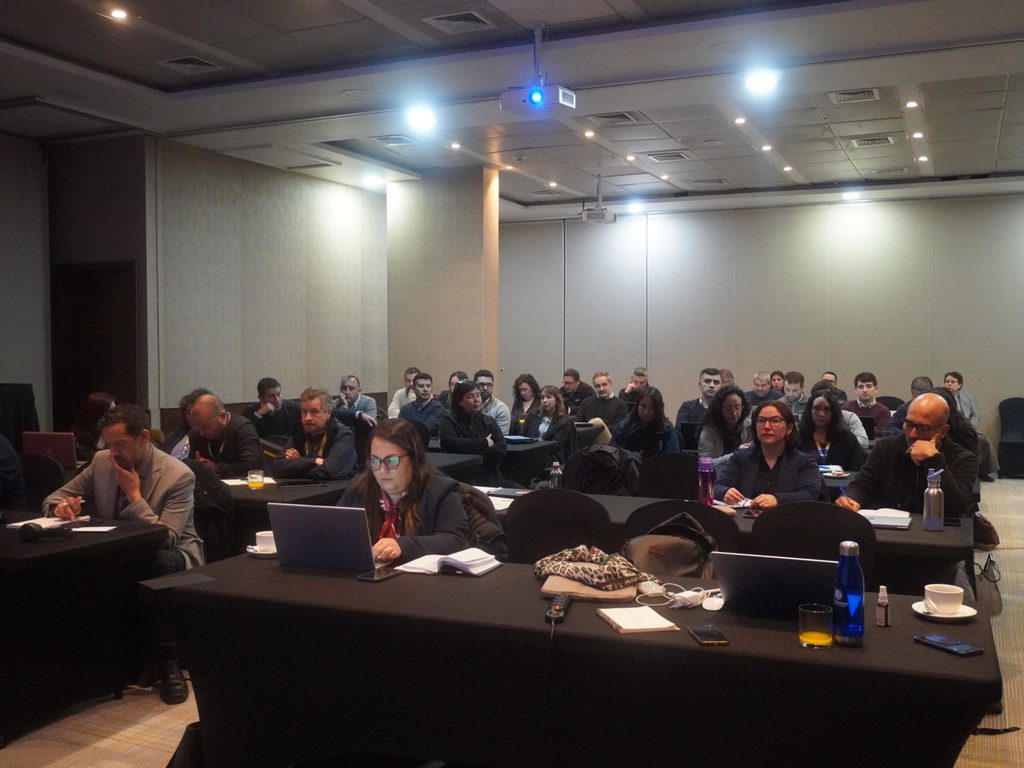
During the first block, Sernapesca addressed the objectives of the aquaculture pre-alert: to anticipate risk conditions through constant monitoring, to reduce the potential impacts of an FAN event, to respond through the activation of the logistic chain for the disposition of mortality and to contain its possible environmental, economic and social consequences.
The authority also presented an update of available logistical resources in the face of large-scale contingencies and reviewed response times and coordination mechanisms with producing companies.
Subsequently, the member companies of the Salmon Council presented their strategies for prevention and management of environmental contingencies, as is the NAF. The teams explained how they monitor environmental conditions, prepare their operations and maintain direct communication with Sernapesca and the relevant authorities to activate the relevant procedures in a timely manner.
Following the presentations, a technical reflection was developed in which Sernapesca, partner companies and authorities put forward their perspectives and priorities on how to address NAFs. The exchange made it possible to identify the capacities available, gaps and adjustments needed for the 2026–2027 season.
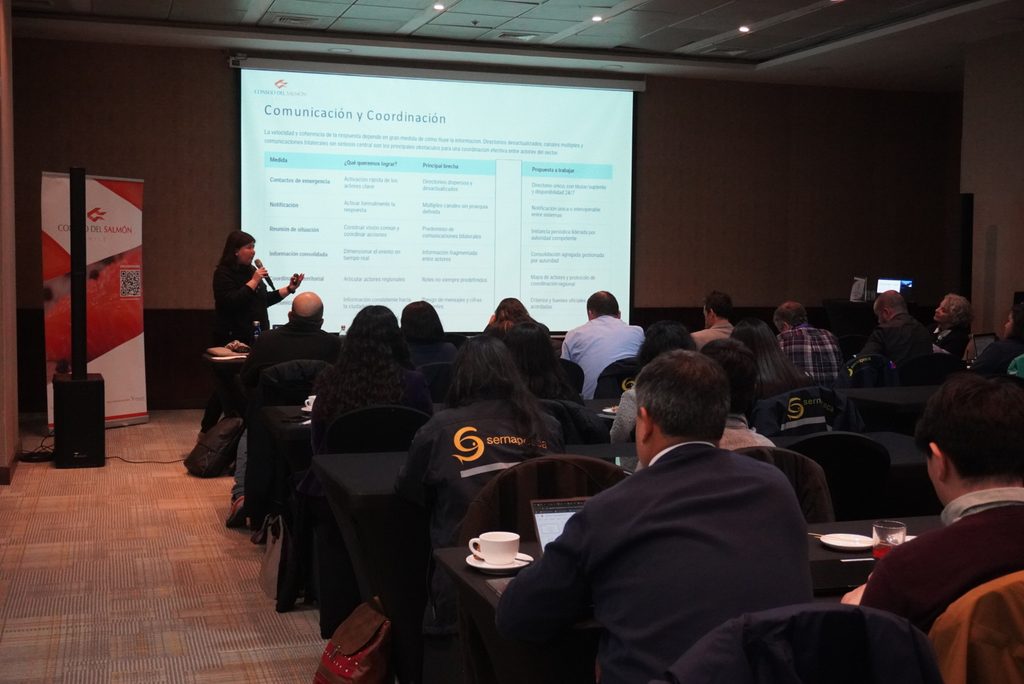
The communication was also part of this analysis, with an emphasis on the validation and timely delivery of information to support decision-making and keep authorities and citizens informed.
“Today salmon farming is better prepared than it was ten years ago. Companies have more monitoring tools, procedures and response capabilities, and maintain direct communication with Sernapesca. This advance is the result of a permanent job that we review and update each season. Preventing, coordinating and communicating in a timely manner is also part of producing better,” said the regional director of the Salmon Council in The Lakes, Angela Saavedra.
Meanwhile, the national director of Sernapesca, Soledad Tapia, said that "the technical and scientific information available, allows us to generate different scenarios to be prepared, to strengthen the necessary coordination with the different institutions and agents involved in the occurrence of contingencies in the field of salmon farming derived from the El Niño event that is affecting our country and that is projected until the First quarter of 2027. This workshop, held together with the Salmon Council, seeks to strengthen private public alliances, which are essential to act in a coordinated, rapid and effective way, allowing to reduce risks and mitigate effects derived from possible harmful algal blooms."
For his part, the Regional Presidential Delegate of Los Lagos, Cristian Palma Valdés, highlighted the holding of the Technical Workshop convened by the Salmon Council, as part of the coordinated work that has been carried out in recent months, through the various public services linked to fisheries and aquaculture, and led by SENAPRED and SERNAPESCA, with the companies and guilds of the sector, in order to anticipate contingencies environmental events that could occur, such as an ANF event. "Harmful algal blooms are a reality that we must face with responsibility and preparation. That is why, in the Government of President José Antonio Kast, we are strengthening coordination between public services and the aquaculture sector in our region, because in the face of a complex situation we need everyone to know what to do, in order to act well and in a timely manner. It's not about reacting when the emergency is already installed, but about being able to anticipate, monitor, share information and strengthen contingency plans," he said.
"In a region where salmon and aquaculture activity is fundamental to employment and our productive development, we must be prepared, have timely information and have a coordinated response. And that also requires working together with companies in the sector, so that we can protect our productive activity, our environment and, of course, the work of thousands of families dependent on industry. Salmon. We will continue to focus on this,” stressed President Kast’s representative in the Los Lagos region.
The experience of the FAN event registered in 2016 was one of the background considered during the day. Since then, production companies have incorporated new monitoring tools, internal procedures and increased response capabilities. The review allowed to analyze these advances and keep up to date the preparation for the next season.
Finally, the technical adviser to the Salmon Council, Marcela Lara, explained the gaps detected and the actions necessary to give continuity to the preparation. Their presentation gave way to a technical exchange in which participants deepened the normative and operational dimensions, together with the needs for joint coordination.
This work will serve as a basis for maintaining monitoring, updating operational plans and maintaining direct communication during the FAN 2026–2027 season.