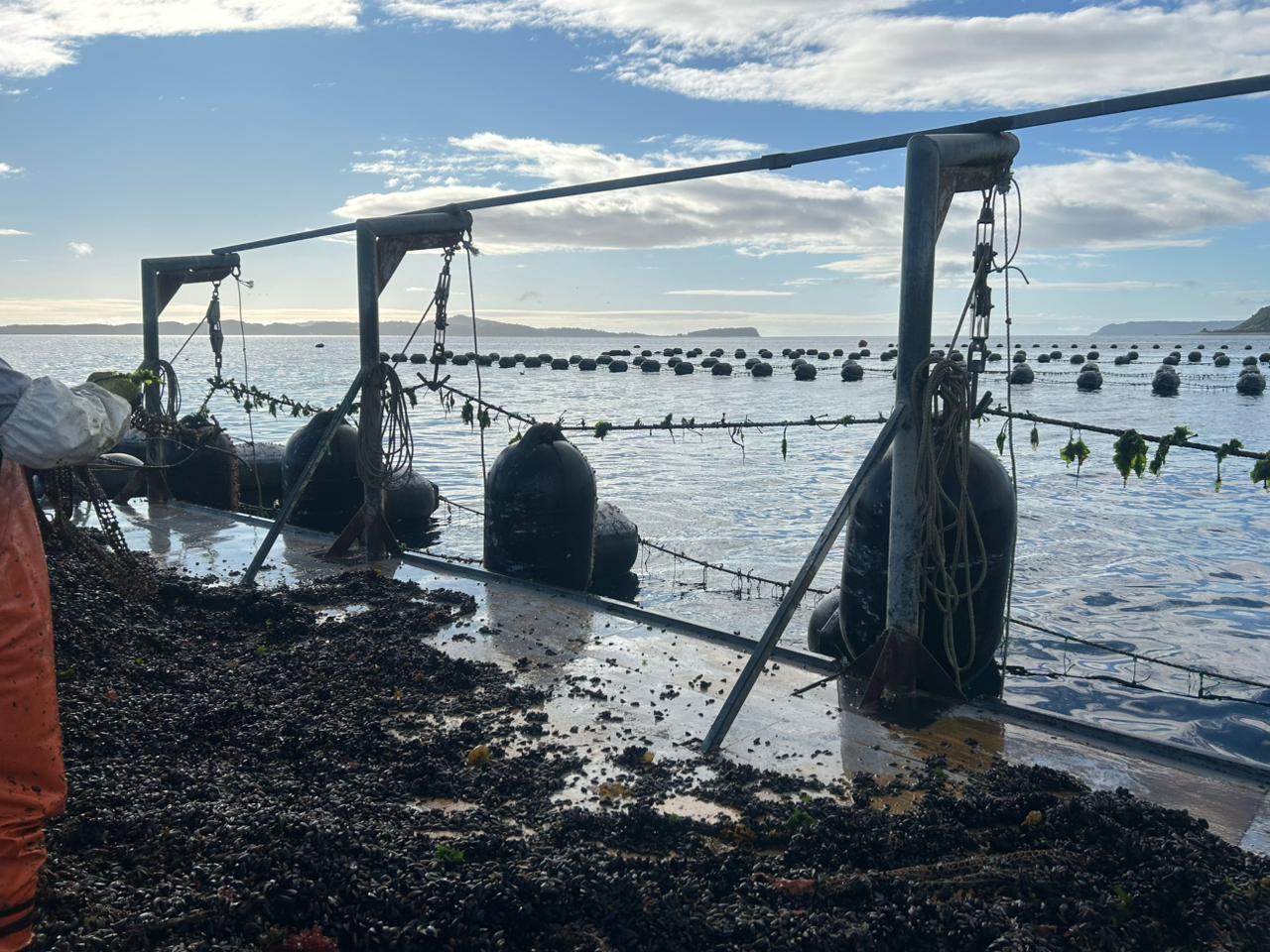
Meeting will take place in the premises of the CEDUC UCN, Chiloé headquarters, from 8:30 to 17:00, and will have the participation of leading researchers at the national level.
The next 27 November will take place in Castro the tenth version of the Seminar on Research and Applied Innovation for Mussel Farming (SIIAM 2025), organized by the Chilean Mussel Farmers' Association (AmiChile) and the Mussel Farming Technology Institute (INTEMIT).
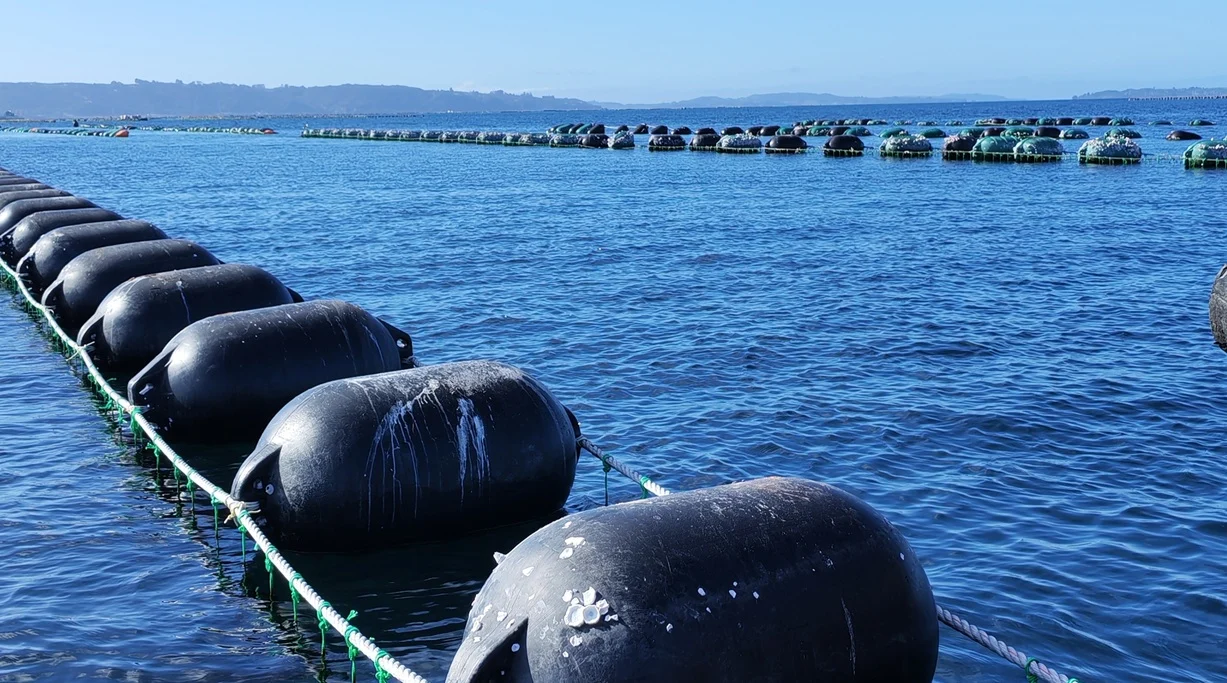
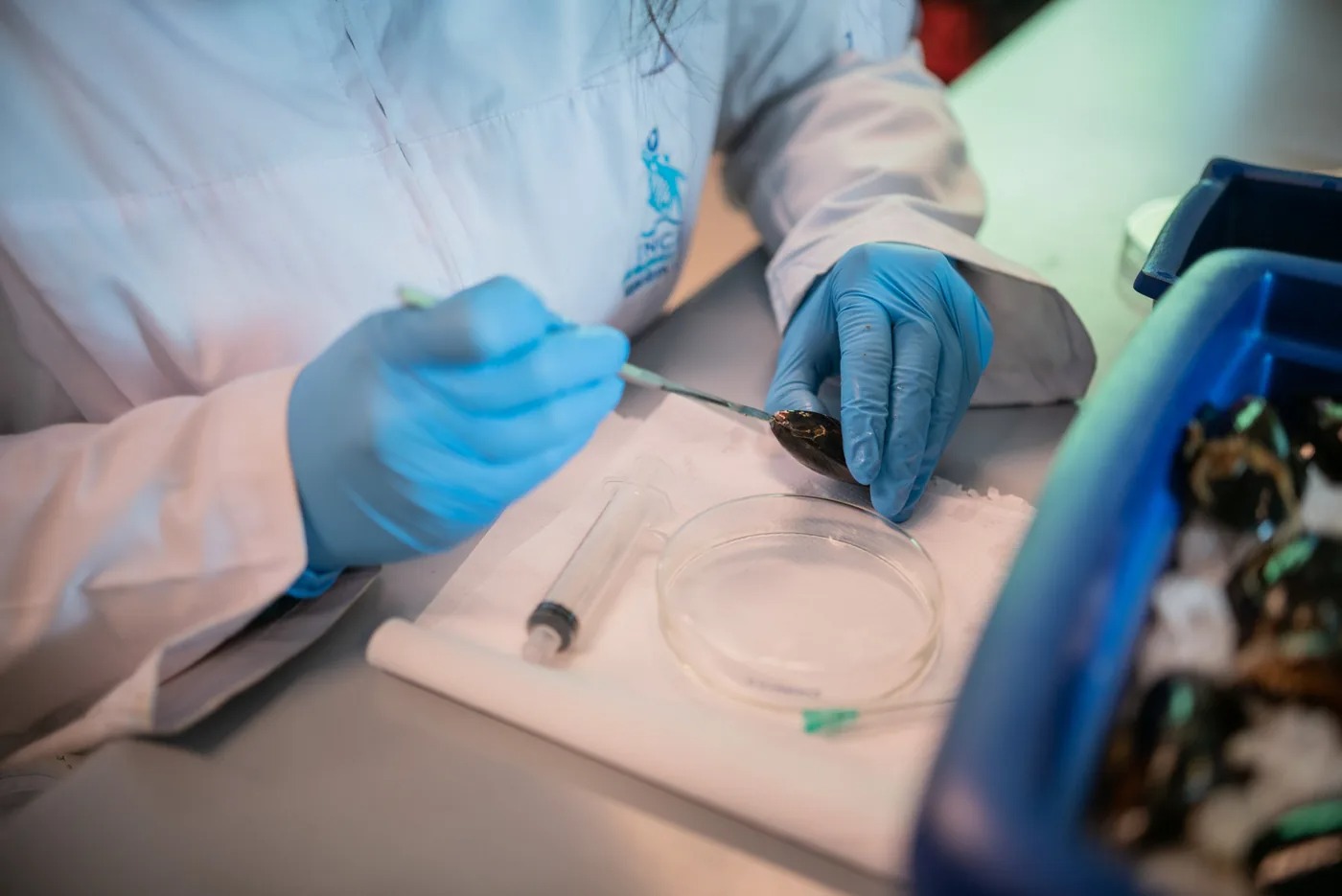
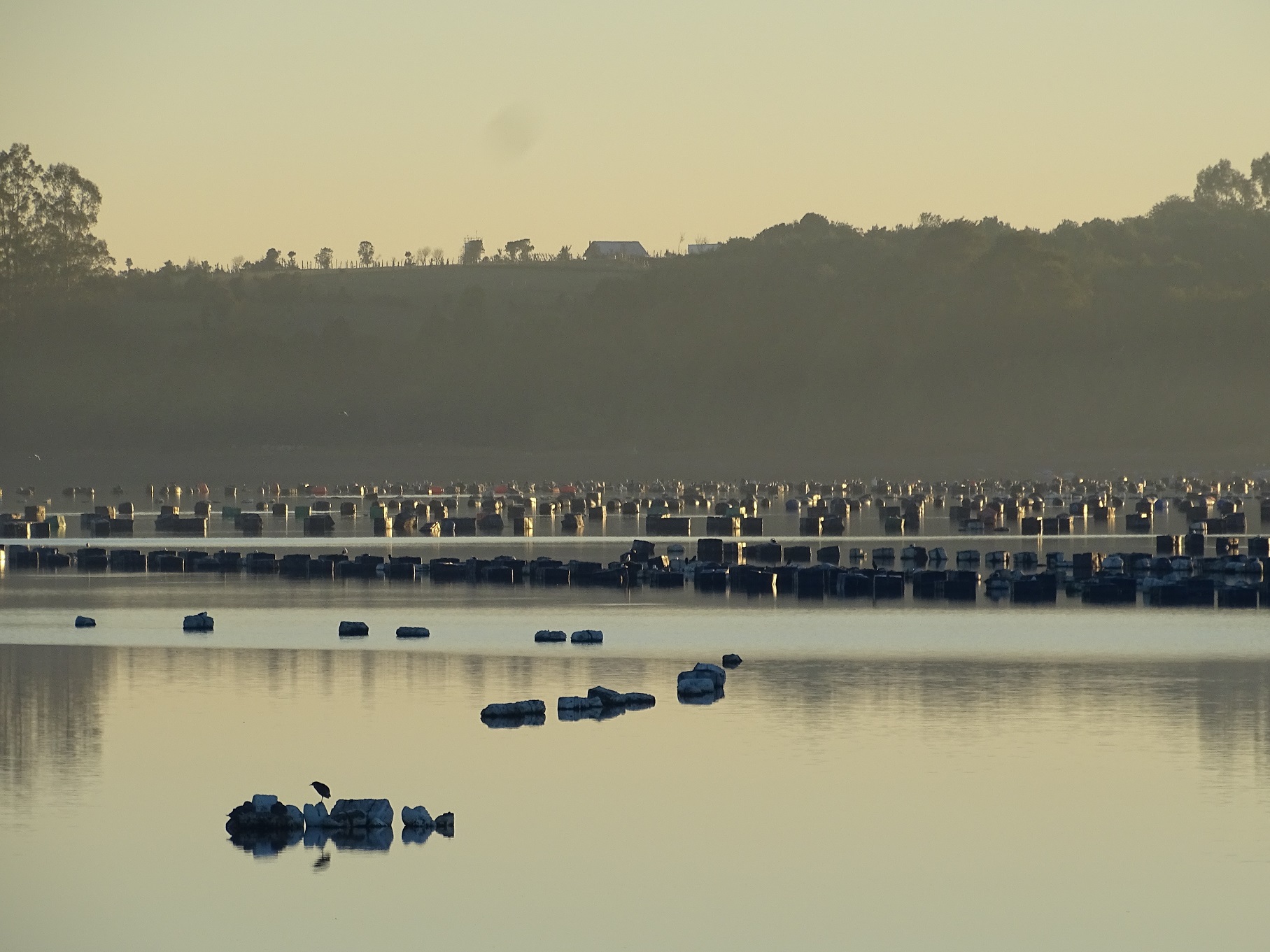
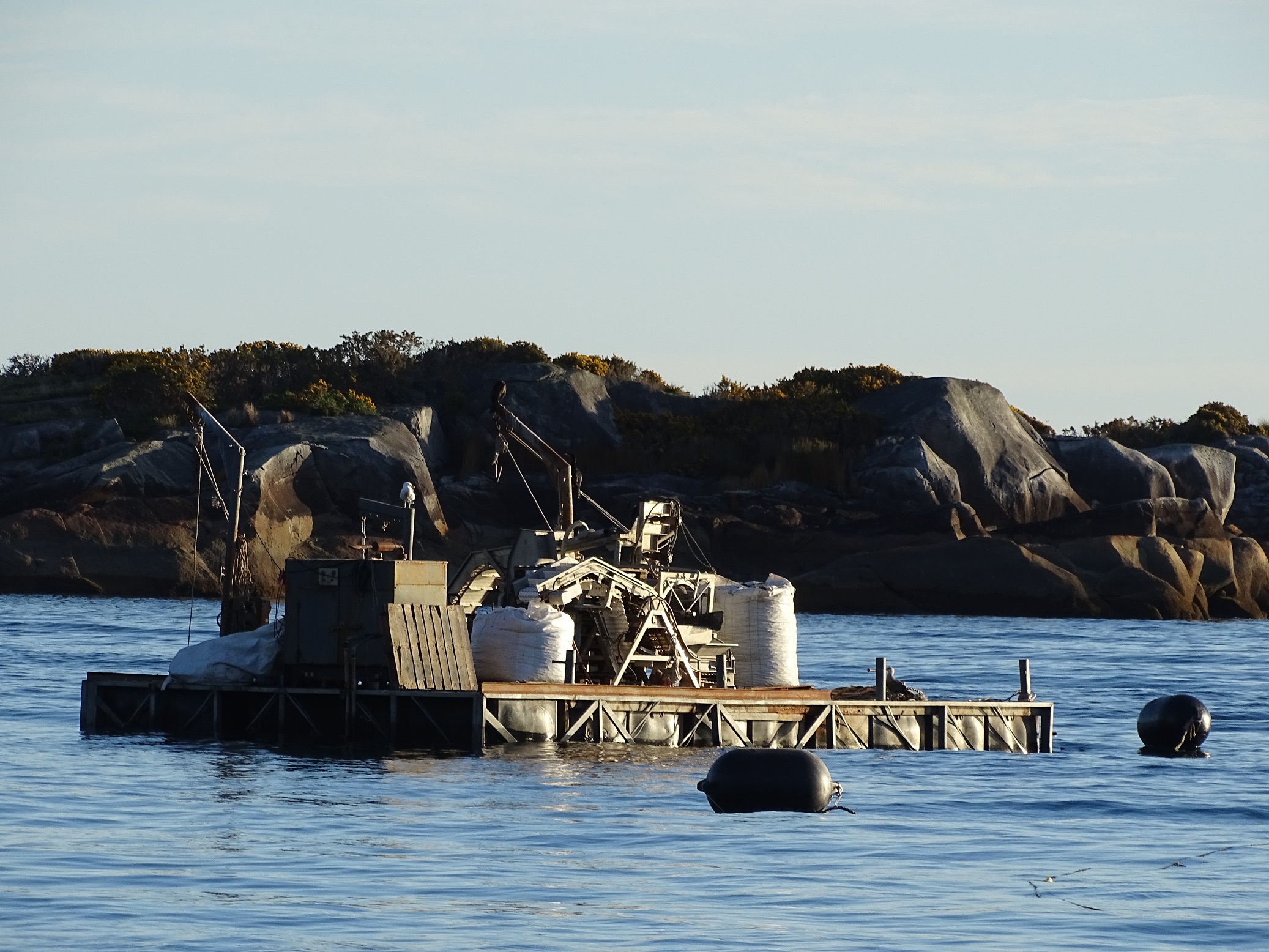
The event will take place in the premises of CEDUC UCN, Chiloé headquarters, from 8:30 to 17:00, and will have the participation of leading researchers at the national level. The main objective of the meeting is to bring mussel producers and the community in general closer to the development of basic and applied research linked to the Chilean mussel industry.
The seminar includes two stages: in the morning various research papers will be presented focused on the issues of mussel farming, while in the afternoon a discussion will take place on innovation and strengthening the sector.
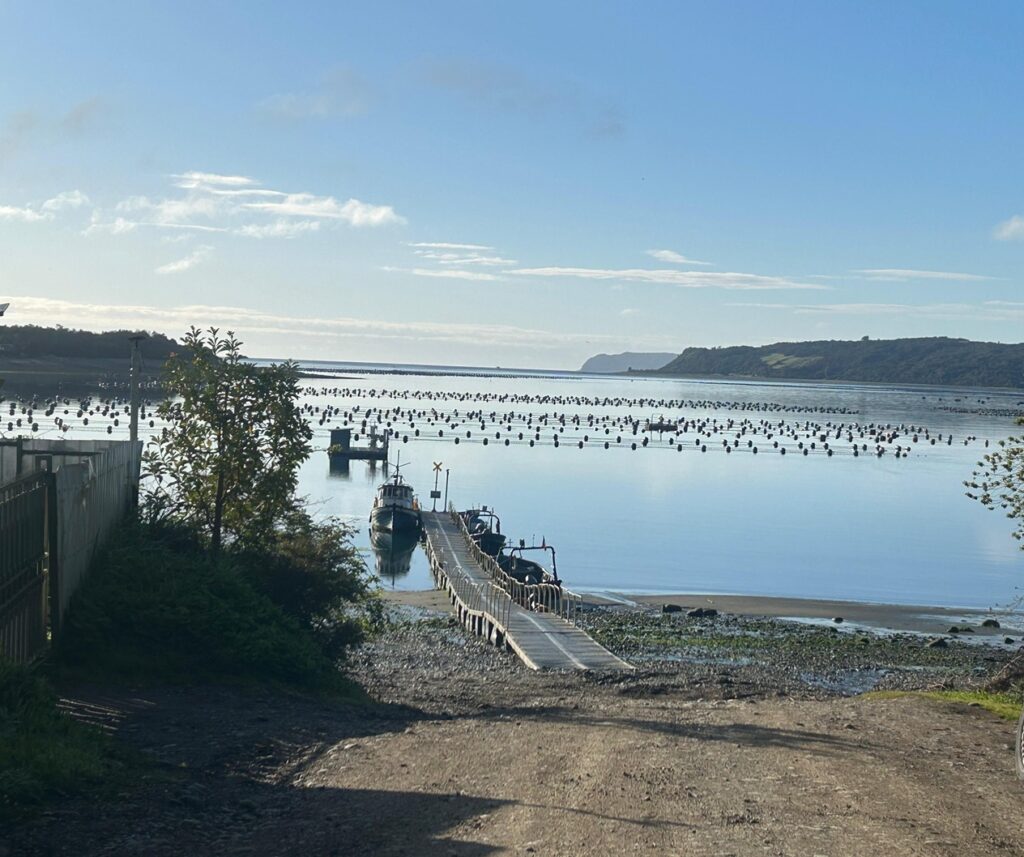
In addition, a recognition will be given to national researchers who have significantly contributed to the advancement of knowledge and the development of new research lines for the mussel farming industry.
Regarding this, Camila Barría, in charge of the R&D+i Area at Intemit, stated that "this new edition of SIIAM is very significant, as it marks 10 years since this meeting instance in scientific matters in the mussel farming industry was started. Therefore, we have wanted to highlight and recognize the researchers who have contributed from their different areas and lines of research, to the development of knowledge" associated scientist to our species Chilean mussel. This seminar, historically held in the Chiloe province, constitutes a fundamental space for coordination between the scientific community and the productive sector. Its development allows to strengthen the relationship with academic institutions that carry out basic and applied research, as well as to communicate in a timely and accurate manner the research priorities of the mussel farming industry.
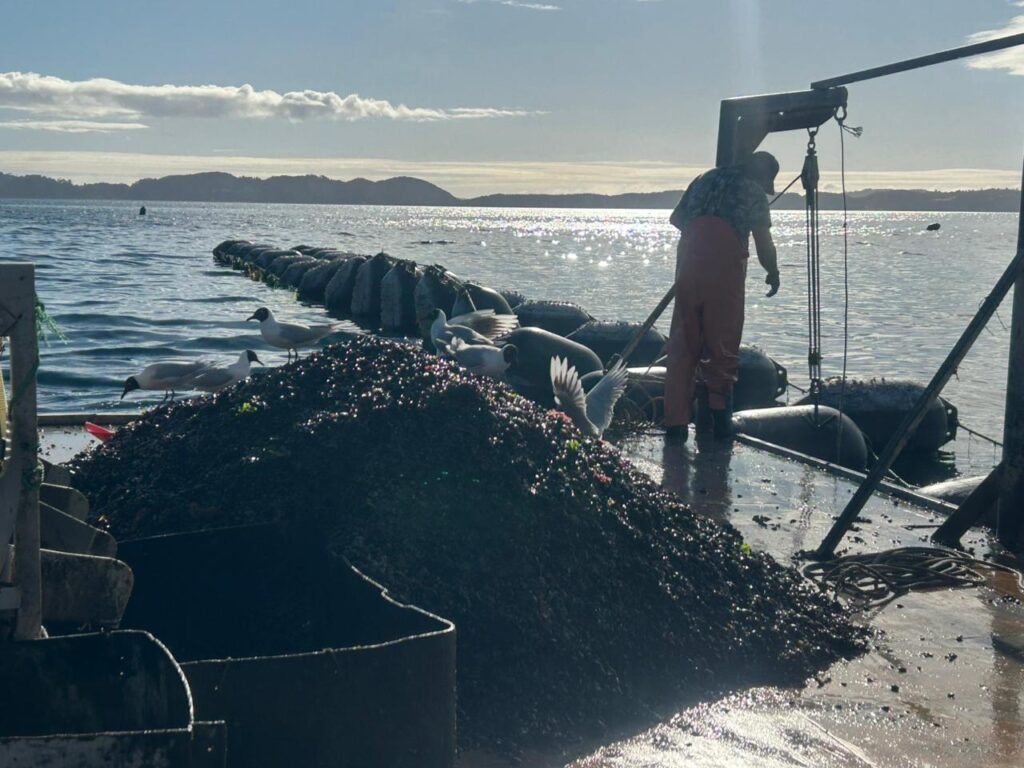
Meanwhile Rodrigo Carrasco, Executive Director of AmiChile, mentioned that, "This research seminar is something AmiChile has been carrying out for 10 years, and therefore it is an opportunity to review what has been done, where we will recognize those who have collaborated in these years, but also a moment to look to the future, and that is why we will have an innovation discussion on the same day," said Carrasco.
Cristián Segura Senior Researcher of the Institute of Fisheries Development (IFOP) and one of the participants to the Seminar, said that “it is tremendously relevant to have that instance of being able to transfer knowledge precisely, where 80 or more 80 percent of the industry in Chile is made. So, bringing people, researchers who carry out applied research into mussel cultivation in the territory, in this tenth year, is tremendously relevant. And for both sides, both for the producer, for the industry, and also for the researcher, because for the researcher it is also a unique instance of feedback with the people developing this industry, because it is possible to know directly the problems that afflict mussel producers,” said Segura.
SIIAM Programme 2025
The program includes presentations that cover problems of the entire productive link, from seed to process:
- Seeds as supporters of mussel cultivation in Chile: physiological vulnerability and consequences for the sustainability of mussel crops Chilean mussel because of climate change.
Dra(c). Joseline Buchner (Universidad Austral de Chile)
- Conduct of harvesting and peeling of mussel seeds in environmentally contrasting areas.
Dr. Cristian Segura (Institute of Fisheries Development)
- Effect of toxic dinoflagelates Alexandrium catenella and Protoceratium reticulatum in the Chilean mussel Chilean mussel: Implications of histological and immune transcriptional response in gills and digestive gland.
Dra(c). Camila Barría (INTEMIT-Universidad Austral de Chile)
- Exploring microplastics in commercial bivalve species and in waters inhabited by mussel aquaculture: perspectives from the South Pacific
Dr. Marco A. Lardies (SECOS Institute)
- Study of the technical basis of the Euro-Asian Economic Union (EEU) requirement for maximum temperature in the Moluscos transport chain.
Dr. María Angélica Larraín (University of Chile)
Registration link: https://forms.office.com/r/HxCwEY09pc