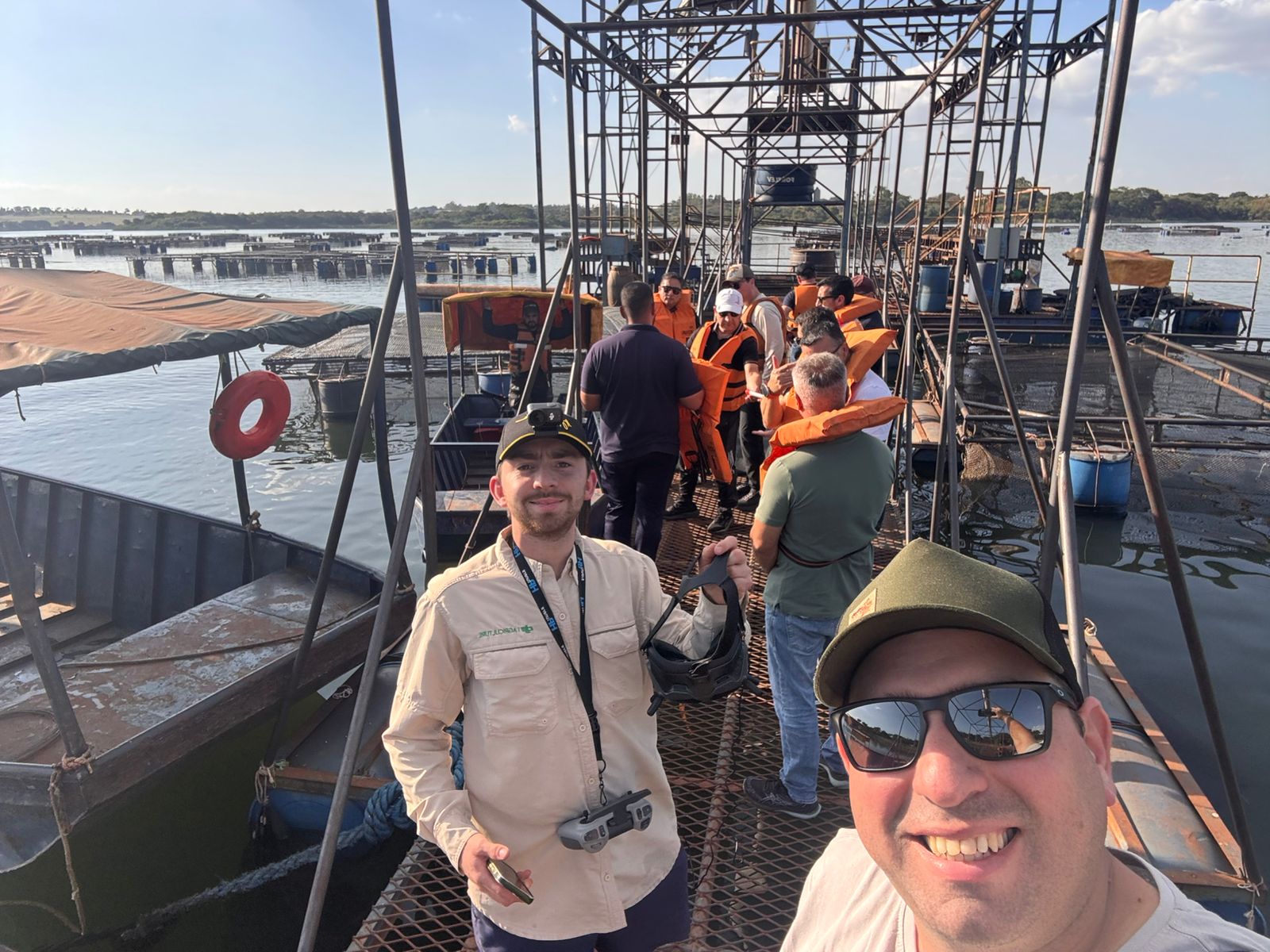
Representatives from Chilean supplier companies visited three states in Brazil, in order to get close to the production of tilapia and to glimpse opportunities for collaboration and potential business.
Brazilian aquaculture, mainly focused on the production of Nile tilapia (Nile tilapia), is attracting increasing attention from Chilean aquaculture providers, who with great experience in solutions for salmonid farming, have advanced knowledge and technological tools that could optimize the development of other species and in other latitudes.
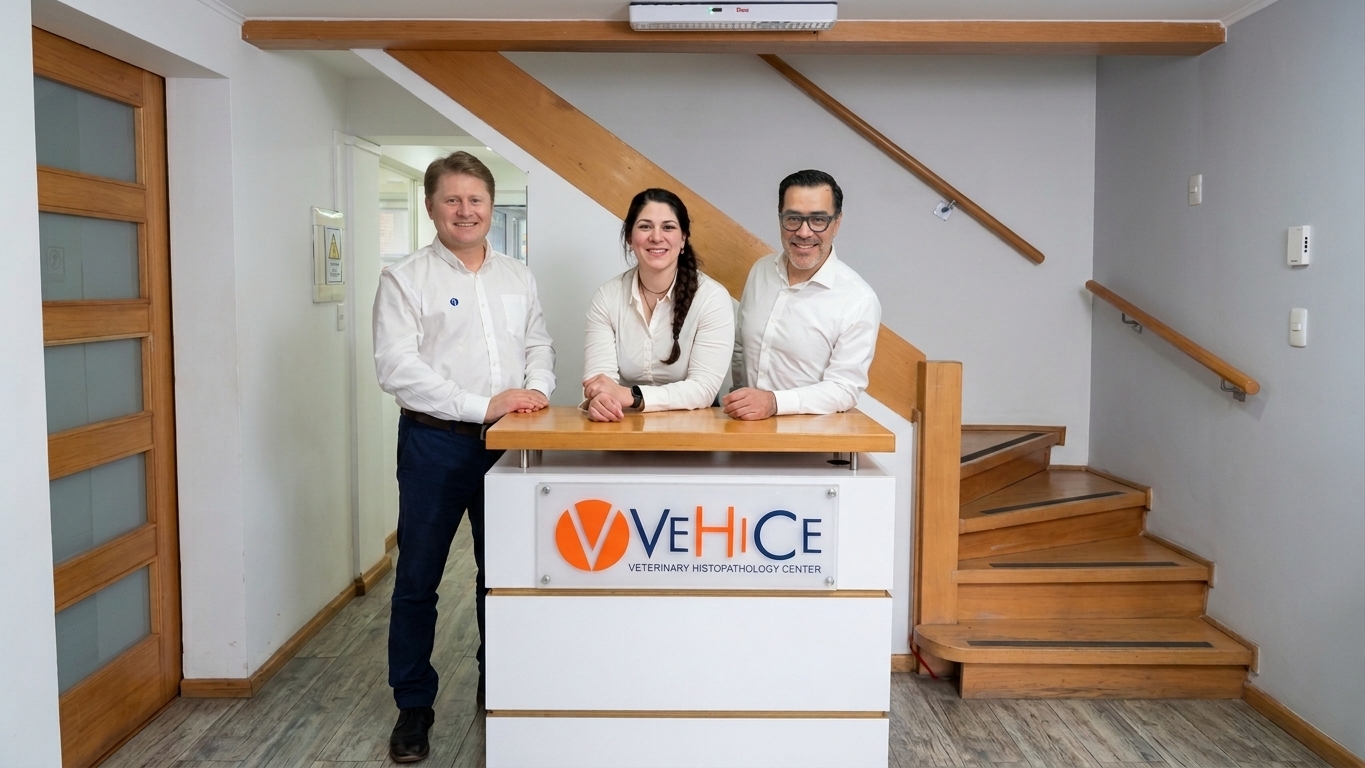
This interesting opportunity motivated AVHA Group - a company formed by ADL Diagnostic Chile, VeHiCe and Aquages - to plan and coordinate a technological tour that would allow them to gain a thorough understanding of aquaculture in the Latin American giant. AVHA Group is just starting its operations in Brazil, where it will offer diagnostic services, technical assistance, research and development, bioassays and data intelligence for species such as tilapia. and shrimp.
The tour started on June 1st in Foz do Iguaçu (Paraná) and ended on June 11th in Uberlândia (Minas Gerais) with participation in Aquishow Brasil 2026, one of the main aquaculture fairs in Latin America where technologies and solutions are presented and the opportunities of the activity in the region are analyzed.
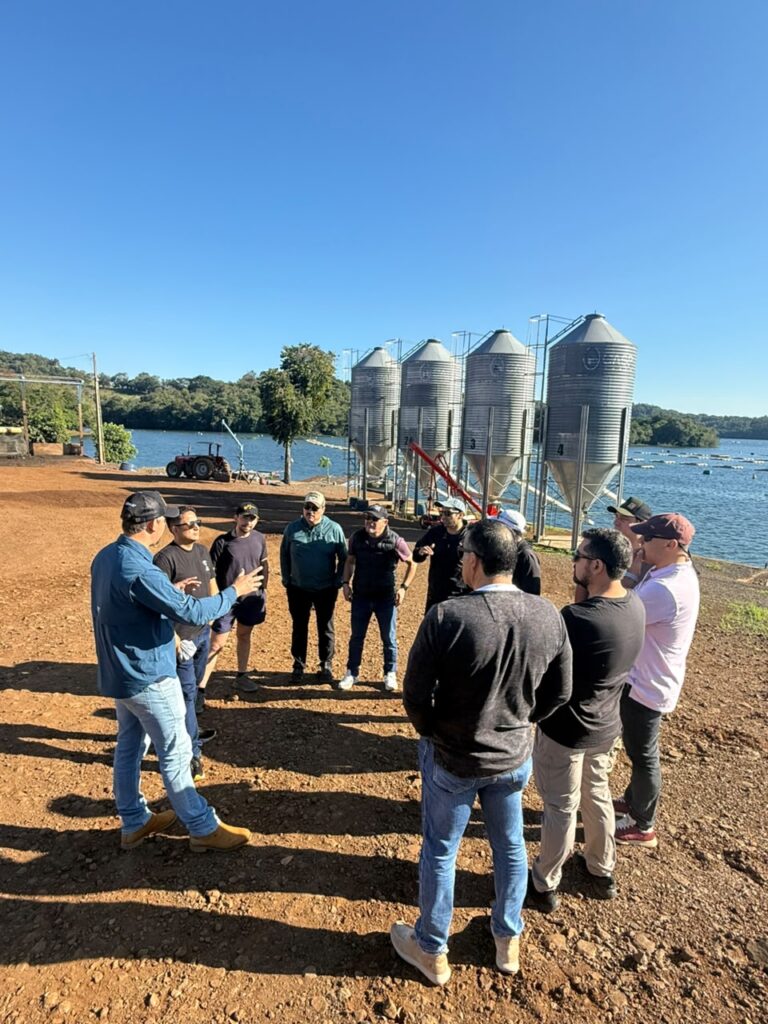
During the trip, we visited three states: Paraná, São Paulo and Minas Gerais, which together are responsible for 50% of the tilapia production in Brazil. It was relevant to know these three geographical areas, as they have very different productive models, realities and needs. In some there is a greater predominance of well-structured cooperatives (such as Paraná) while in others there is a greater presence of private capital (São Paulo). "We wanted the Chilean visitors to have those differences clear," says Hugo Roa, technical director of AVHA Group, a veterinarian and coordinator of the tour, who has lived -for almost a decade- in Brazil and knows very closely the production and health of tilapia there.
According to the executive, “the Chilean delegation was able to know the whole production process, from the cultivation of fry to the processing in plant. We were able to observe installations with water recirculation system (RAS), as well as with biofloc (BFT) and open flow. Today, these three alternatives are being used, but Brazilians want to evaluate the results and define what the productive model of the future will be.”
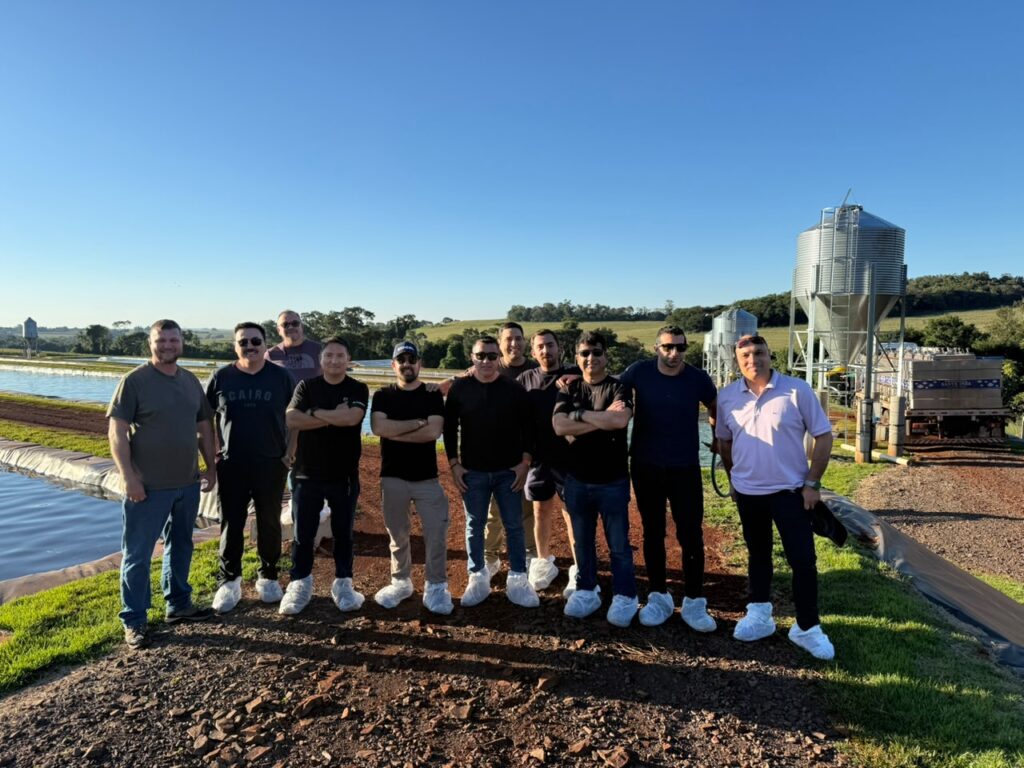
The group included ten representatives of the companies Imatek, Imenco AQUA, VacFish, STIM and Aqua Drones, who traveled thousands of kilometers to move from one state to another, in a spirit of great collaboration and camaraderie. “They are all professionals with a lot of experience in salmonid cultivation; they were very happy and soaked with Brazilian aquaculture, with very clear ideas about the critical points it has and about what type of technologies or solutions could be applicable to improve these processes,” says Hugo Roa.
The representative of AVHA Group notes that Chileans were very well received by local fish farmers, who were willing to discuss, analyze their productive challenges and even generate agreements to start pilot projects to test, in the short term, certain technologies.
“We would have liked to have added more participants, but it was not possible to set up very numerous groups for the visits. However, we know that there is a lot of interest from other Chilean companies to explore aquaculture in Brazil. AVHA Group is already having a presence in this market. In this way, we hope, possibly in the second half of this year, to coordinate a new tour to support those who need to know more about this type of aquaculture to expand their businesses,” Hugo Roa closes.