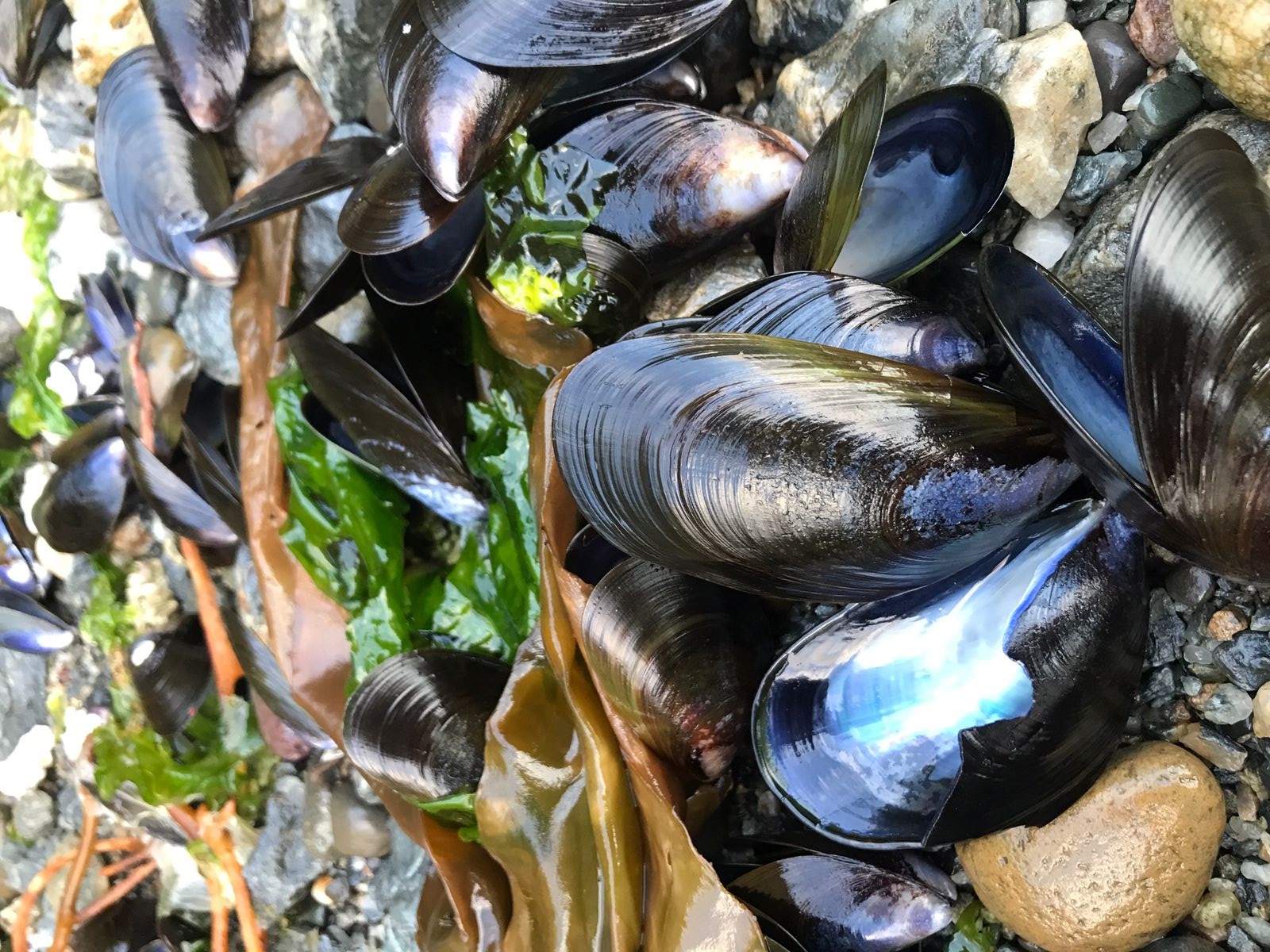
In a workshop key aspects in the management, innovation and regulation regarding shell waste and its potential in ecological restoration processes in marine environments were addressed.
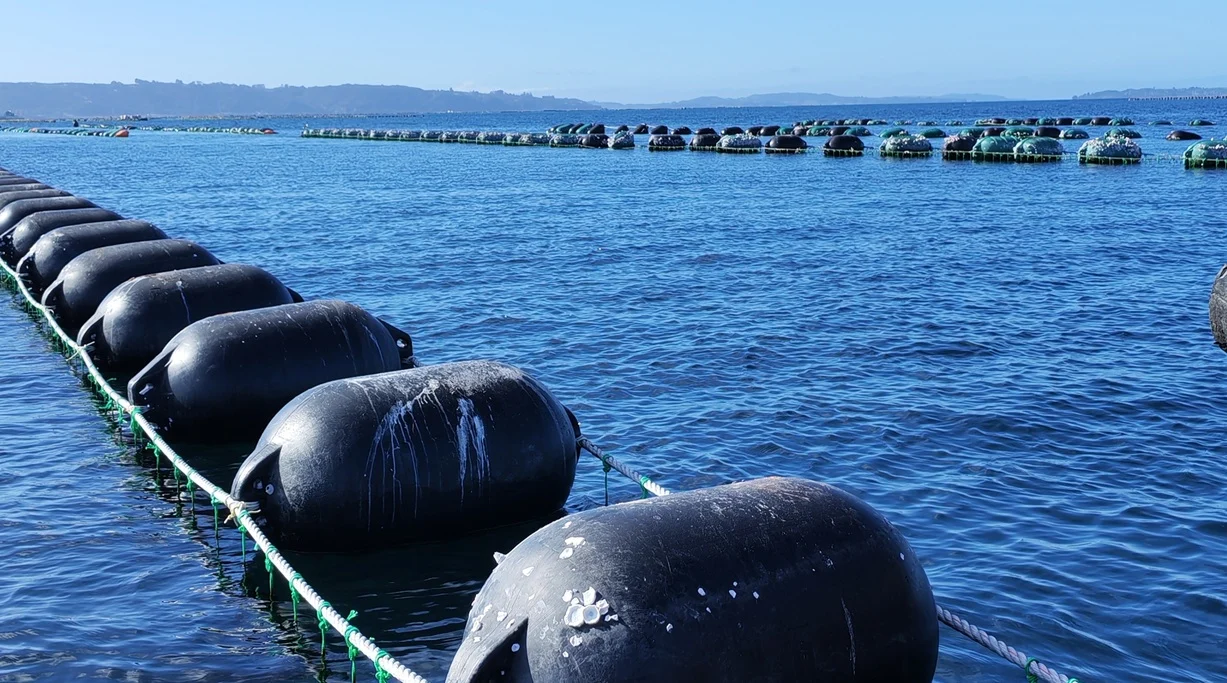
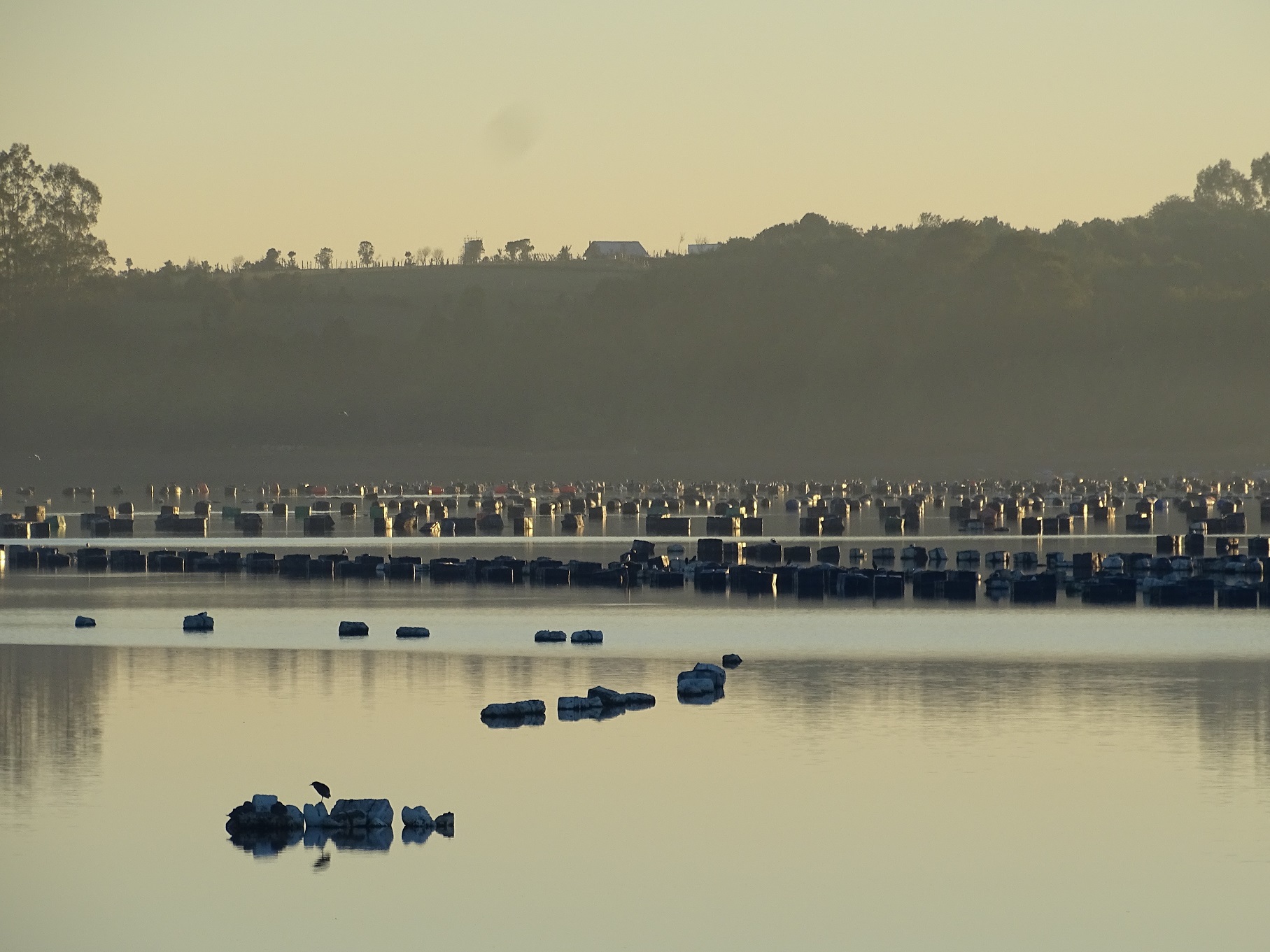
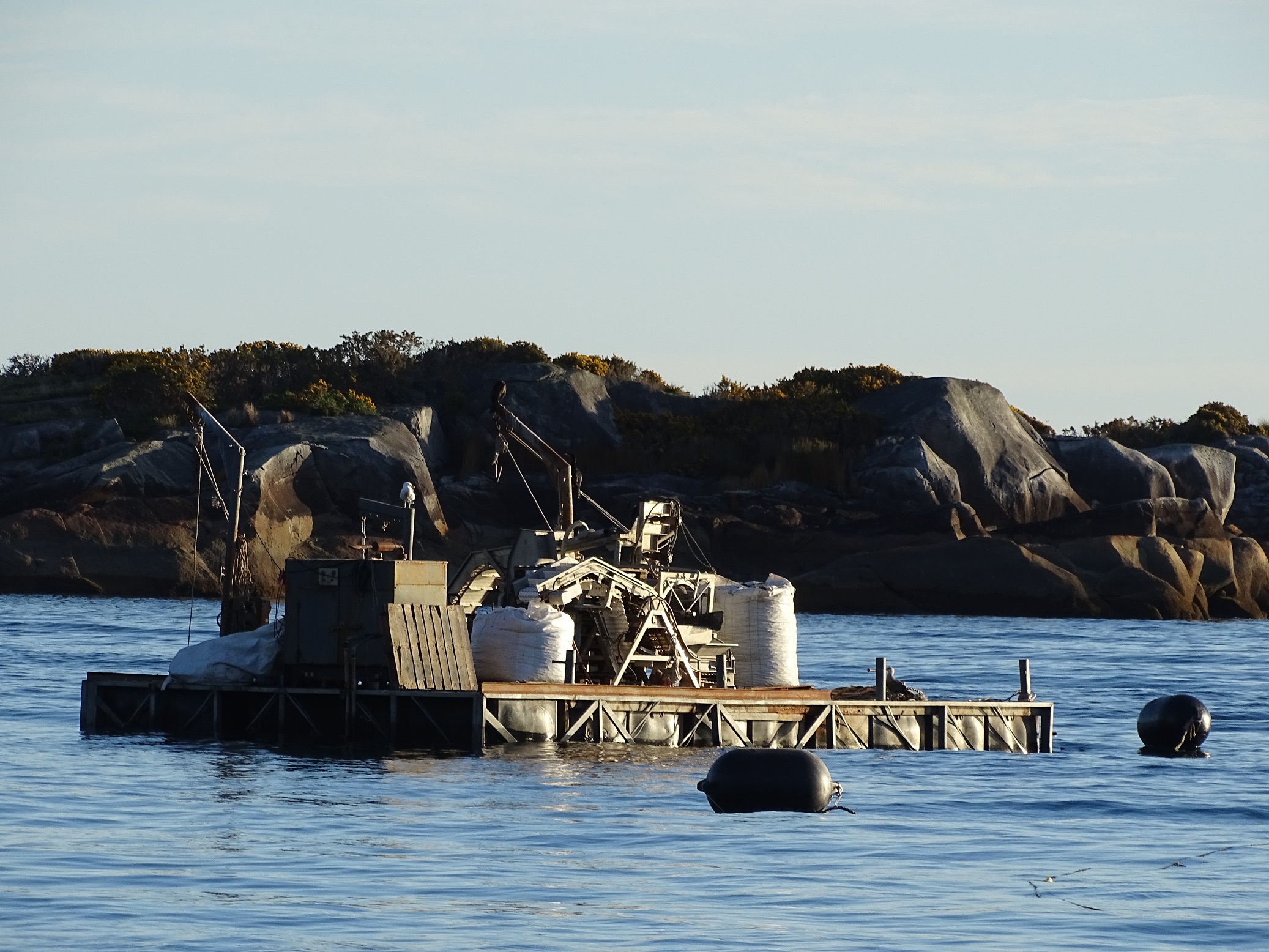
Mussel farming has had exponential growth in recent years, but at the same time generating shell waste equivalent to 30% of the production.around 400,000 tonnes, a situation that has posed challenges for the activity of properly and sustainably managing this waste.
In that context, this Tuesday the First Shell Management Workshop for Mussel Farming for Ecological Restoration at the CEDUC UCN in Castro, Chiloé, with the support of institutions such as the Center for Research, Innovation and Climate Change of the Universidad Santo Tomás, Universidad Católica del Norte, U. Santiago de Chile, U. Adolfo Ibáñez and the support of collaborating institutions such as AmiChile, Intemit, Asociación Gremial Reloncaví Sur, and the Instituto Milenio in Coastal Socio-Ecology (SECOS), among others.
The event featured the participation of representatives from Sernapesca, Subpesca, mussel farming companies, local municipalities and the Agency for Sustainability and Climate Change, who were part of the presentations and a participatory workshop facilitated by researcher María José Martínez-Harms from UST, IEB and SECOS.
For the director of CiiC-UST and SECOS researcher, Nelson Lagos, "it is important to return the shell carbonate to the ocean, because the mussel beds from which they originate provide" essential ecosystem services. They are based on natural functions such as calcification, dissolution and regeneration of carbonatethey occur naturally in these ecosystems. If we understand and spread these better ecosystem functionsthe services received by industry and society as a whole are also strengthened.”
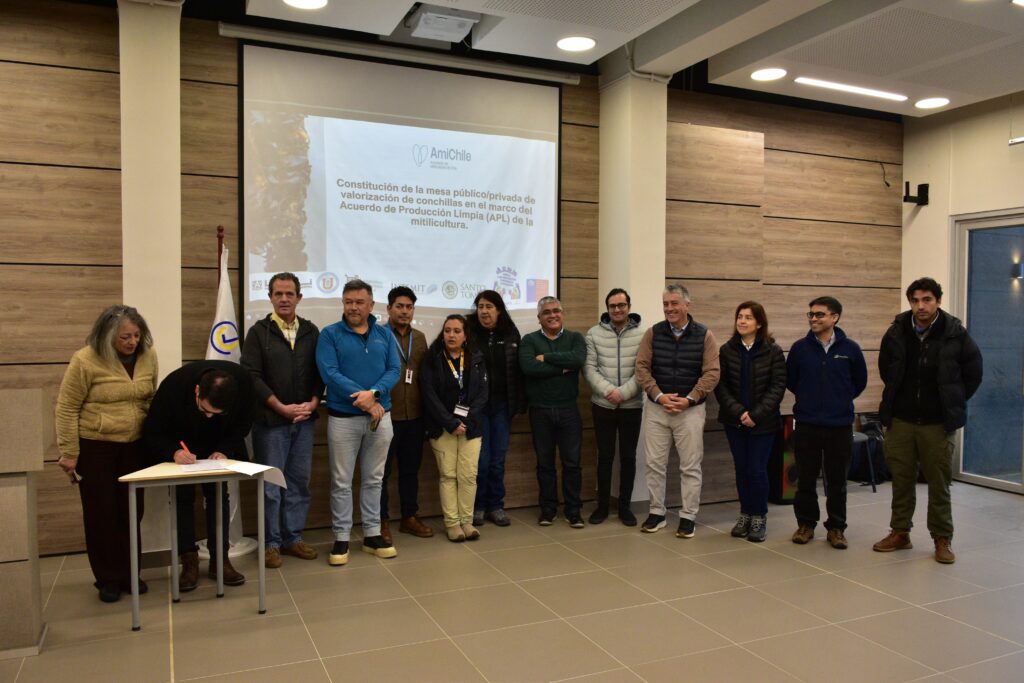
The also project director ring Shell-NBS, which seeks to develop nature-based strategies for the socio-ecological sustainability of mussel cultivation, he stressed that “the conversation revealed both important gaps that we should address as researchers, as well as opportunities for diversification for science. The recycling of shells should be seen not only from the perspective of the marine environment, but also in how it connects with terrestrial systems — for example, in soil improvement — which opens up new lines of research and application.”
“With regard to scientific evidence, today we have knowledge that supports the reuse of this resource, especially in the context of climate change and the restoration of coastal ecosystems,” he added.
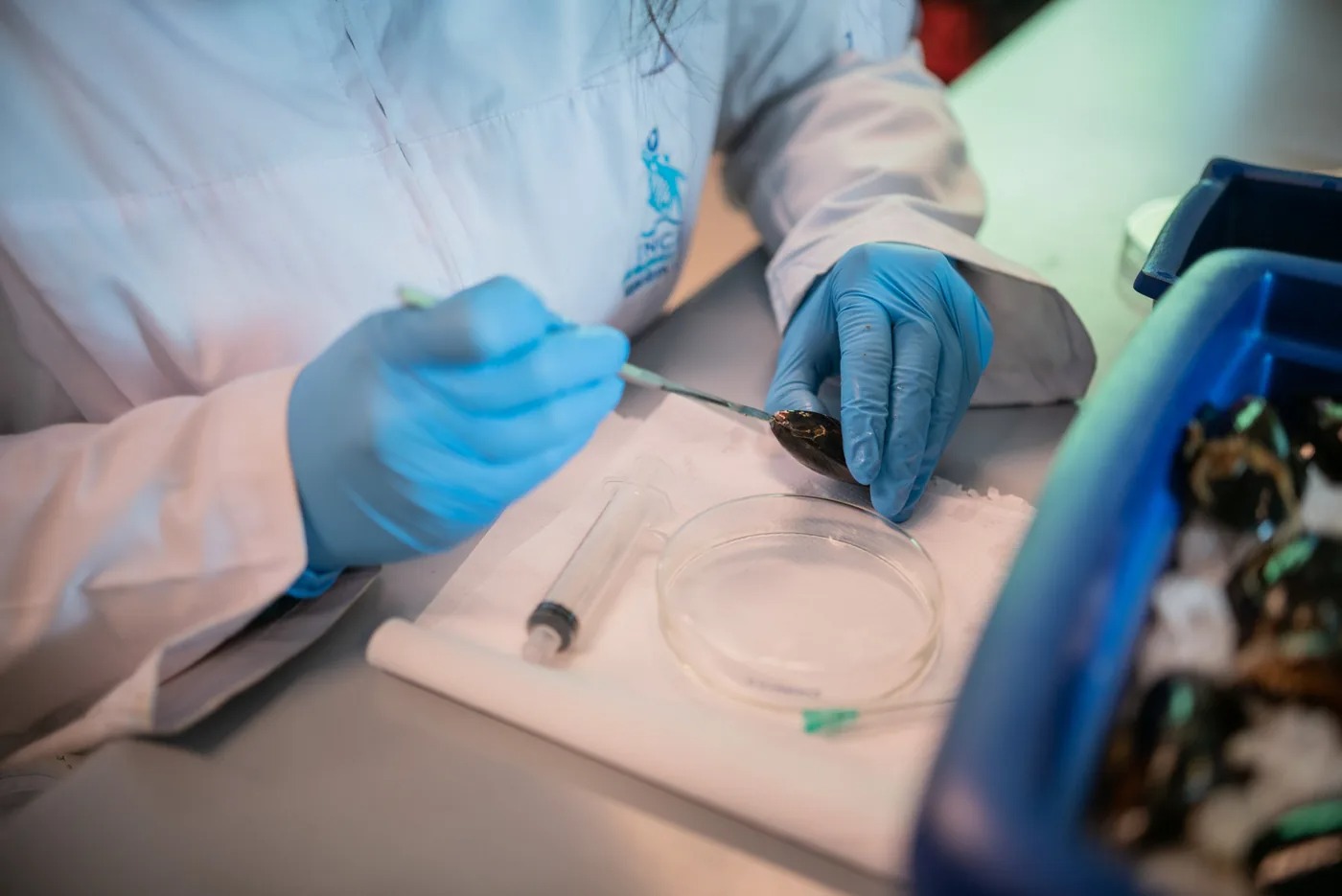
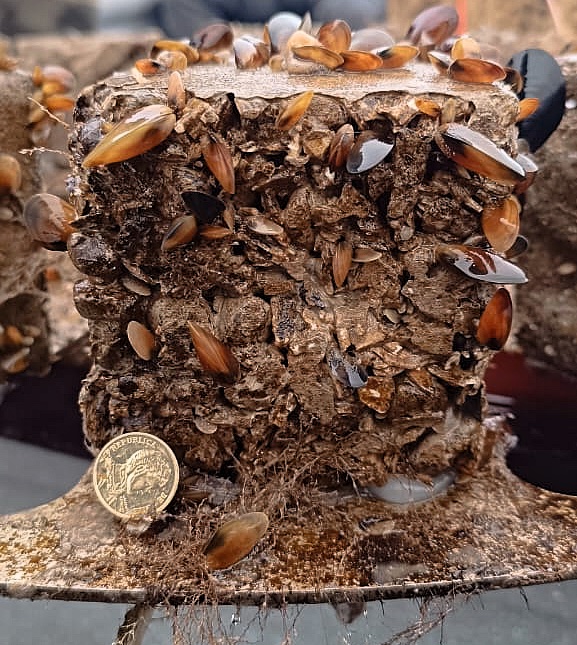
In this vein, the researcher of the Faculty of Marine Sciences of the U. Catholic of the North and director of a Fondef project dedicated to the development of artificial reefs as a nature-based solution for the marine restoration using mussel crop residues, Begoña Peceño, presented relevant aspects of the management of this waste.
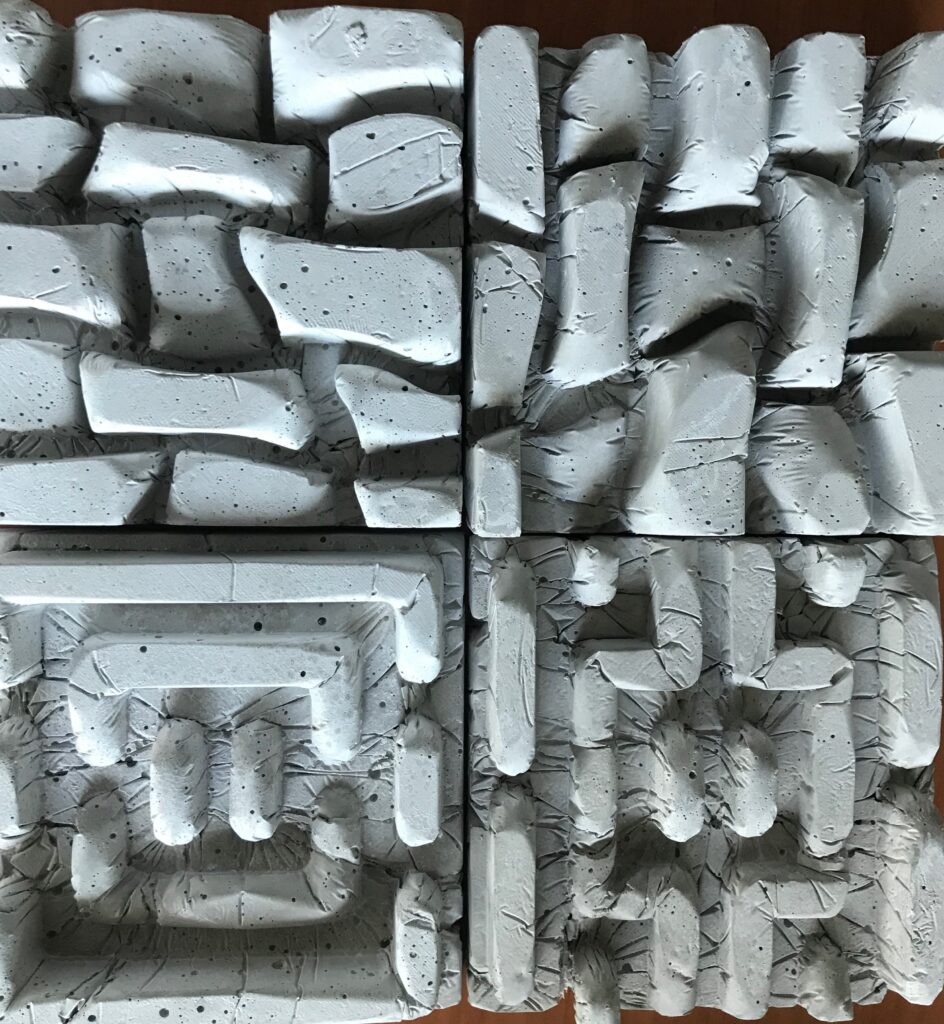
“In island contexts such as Chiloé, where waste management is already complex due to geographical limitations, these residues from the sea contain organic matter with high levels of chlorides and sulphides, which makes it even more difficult to manage. For this reason and given the proximity of these activities to urban areas, innovative solutions are needed.”
“The mollusc shells, composed mainly of calcium carbonate of high purity, have a high recovery potential. This compound acts as a natural regulator of marine pH and is therefore currently being incorporated in the development of artificial reefs, evaluating their capacity to promote biological settlement and restoration,” added Peceño.
For Rodrigo Carrasco, executive director of AmiChile, “it is always gratifying to be in an active, participatory workshop that draws good conclusions and where the debate is prolific. We continue on the same path of working with research, with science and with the authorities, our work is precisely that, articulating the public and the private, collaboration and a construction of the future”.
For his part, Branco Papic, manager of CalAustral, commented that “it is essential to leave behind the logic of simply disposal them in landfills, because that is not sustainable, is not consistent with the urgency of climate change, and does not contribute to the well-being of future generations. As for the future, we look with optimism at the path towards the recovery of waste and by-products, a process that requires significant investments in R & D & I.” Finally, Papic remarked that “the most important thing now is to advance not only in the technical, but also in the socialisation and education of the community. It is not enough for the actors in the field to push this challenge; it is necessary to involve the whole of society. Only in this way can we give these materials the value they really have as noble elements of nature, with multiple uses and benefits for a more circular and sustainable economy."