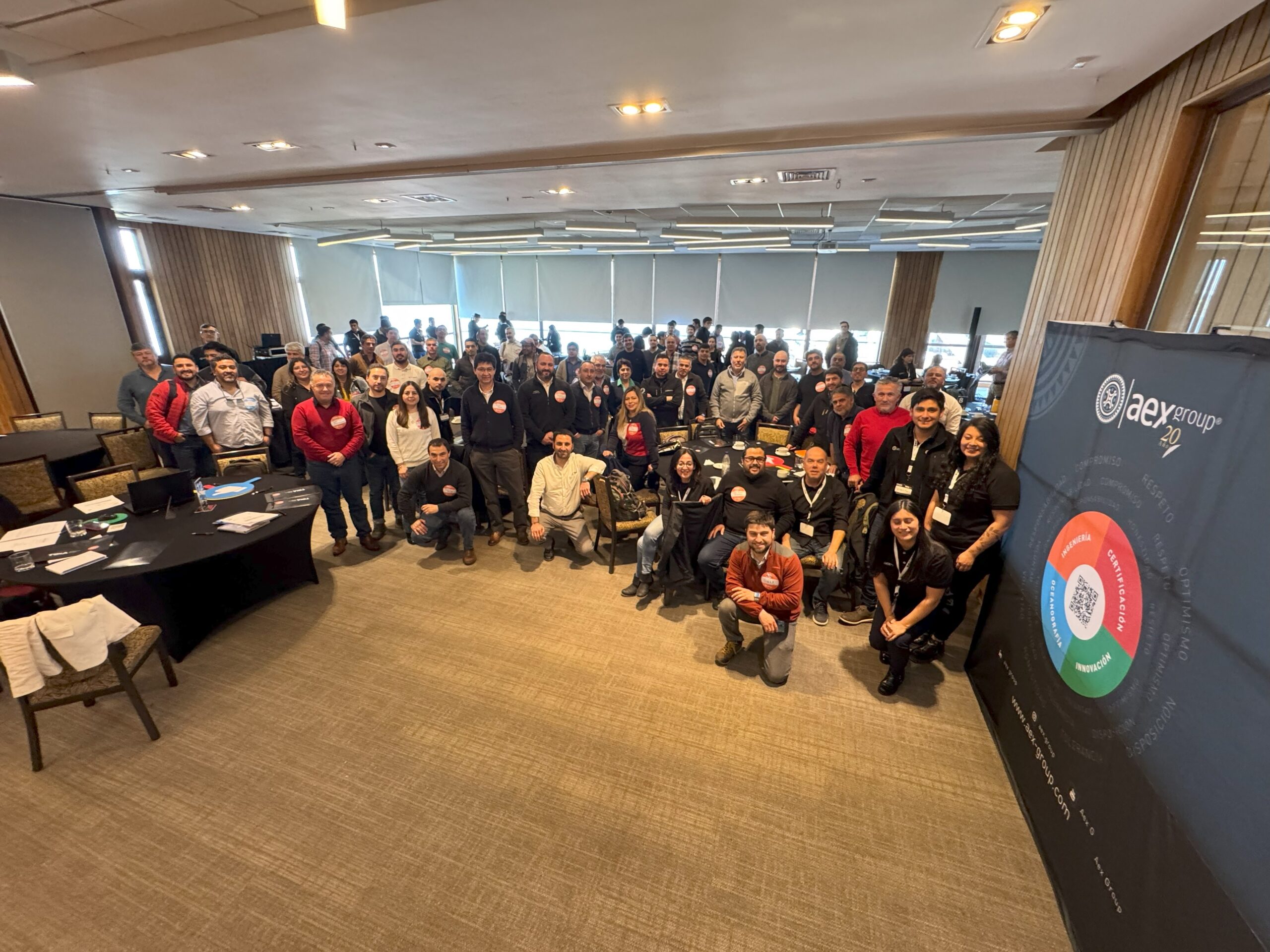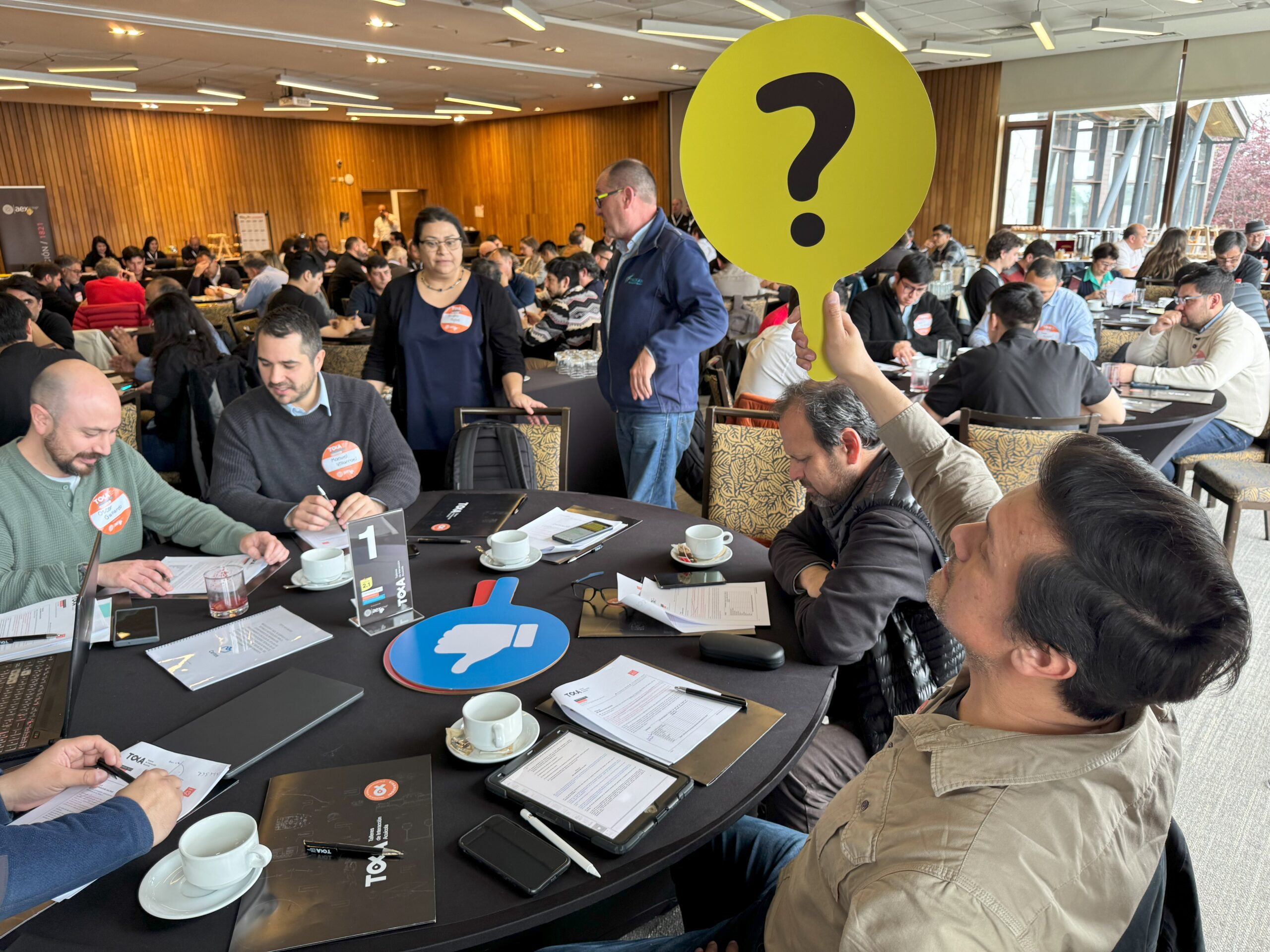
Representatives of the salmon farming companies operating in Chile were present, as well as supplier companies and the academic sector.
Last Wednesday 30 October, the Chilean salmon industry met at the Club House of Lake Cabin Hotel from the city of Puerto Varas (Los Lagos region), within the framework of the Aquaculture Interaction Workshop (T&A) 2.1, organized by AEX Group and backed by the Salmon Technology Institute (Intesal) from the Chilean Salmon Industry Association A.G. (SalmonChile). The event attracted about 120 representatives from salmon farming companies, suppliers, academics and specialists, who worked on the review of the exempt resolution (R. E.) number 1821.
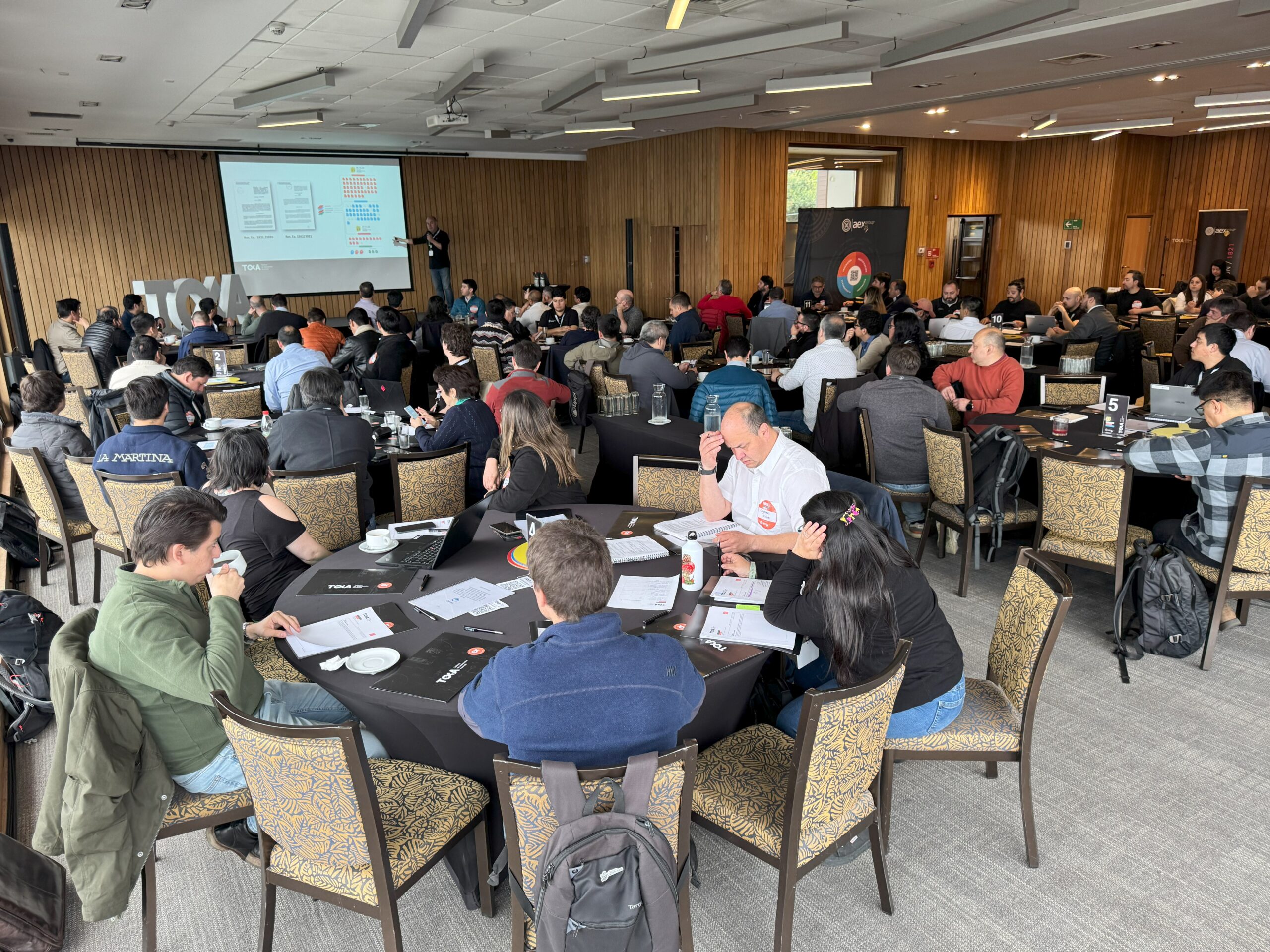
The day was divided into two blocks. During the morning, topics related to the "Engineering"; while in the afternoon it focused on the "Oceanography". During these intensive sessions, each point of the regulation was analyzed to define whether it should be maintained, modified or eliminated, and with the aim of building a Proposed aligned with the future of industry and the reality of the sector.
Alonso EcheverríaAEX Group director said he was "very pleased to have finished this intense day of work between all actors industry, including suppliers, academia and producers. We all collaborate to propose informed changes in the regulations 1821 that is in force today".
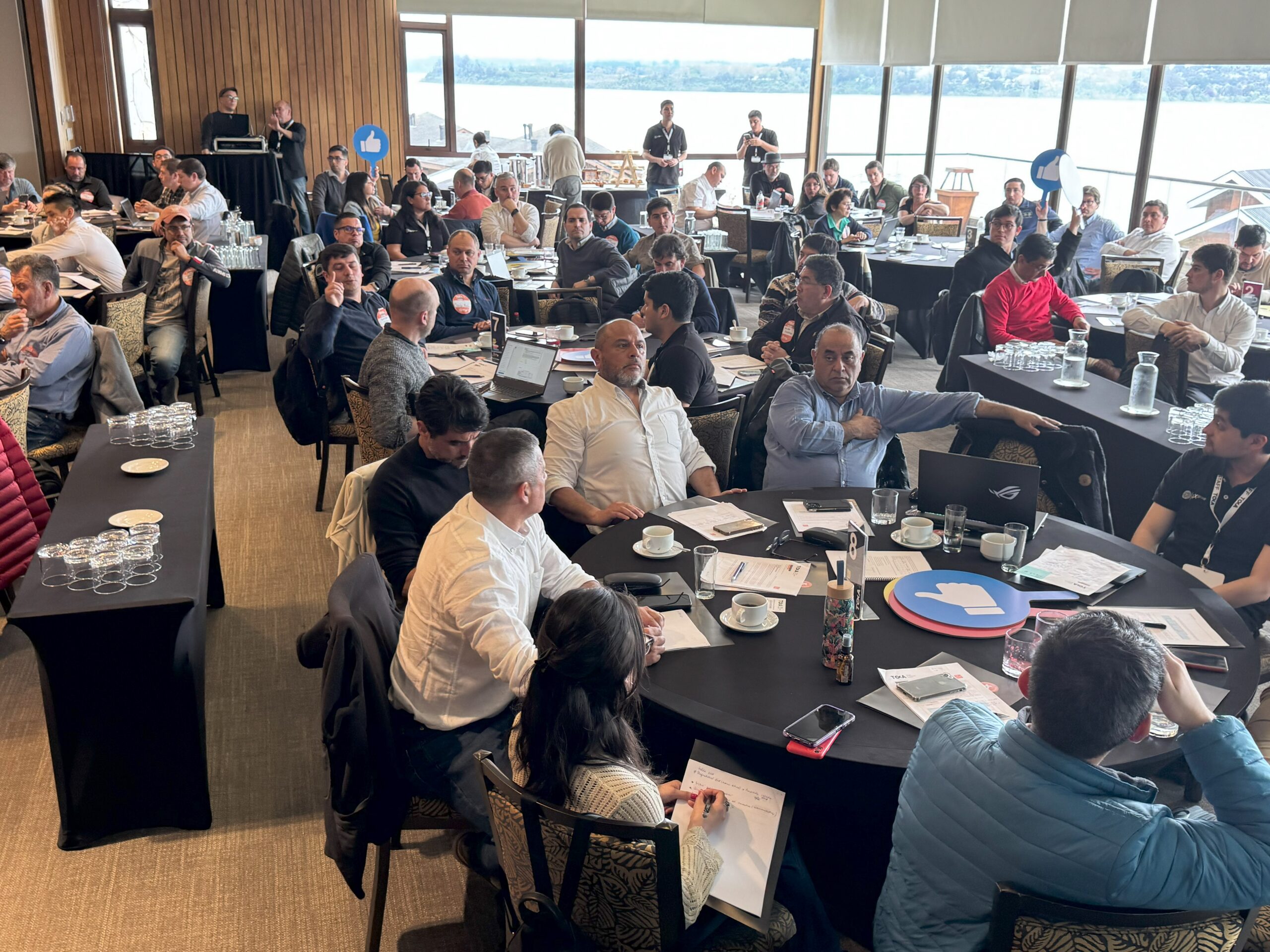
Meanwhile, Ximena Rojas, head of the Intestesal Environment of SalmonChile, highlighted the value of the activity but from the multidisciplinary perspective: "As Intestesal we are Very happy. to collaborate in this workshop, where together with professionals from different areas we review those aspects of the regulations that they have presented Challenges in its application. This comprehensive analysis allows us to propose adjustments to contribute to the sustainable growth of industry."
For his part, counsel David Zaviezo, director of the legal consultant Certes, highlighted the impact of this collaboration: "The opportunity to gather experts in different disciplines is priceless for the strengthening of regulations. We're working on identifying critical points in the current regulations to achieve a realistic regulation that contributes to both production and respect of the environment".
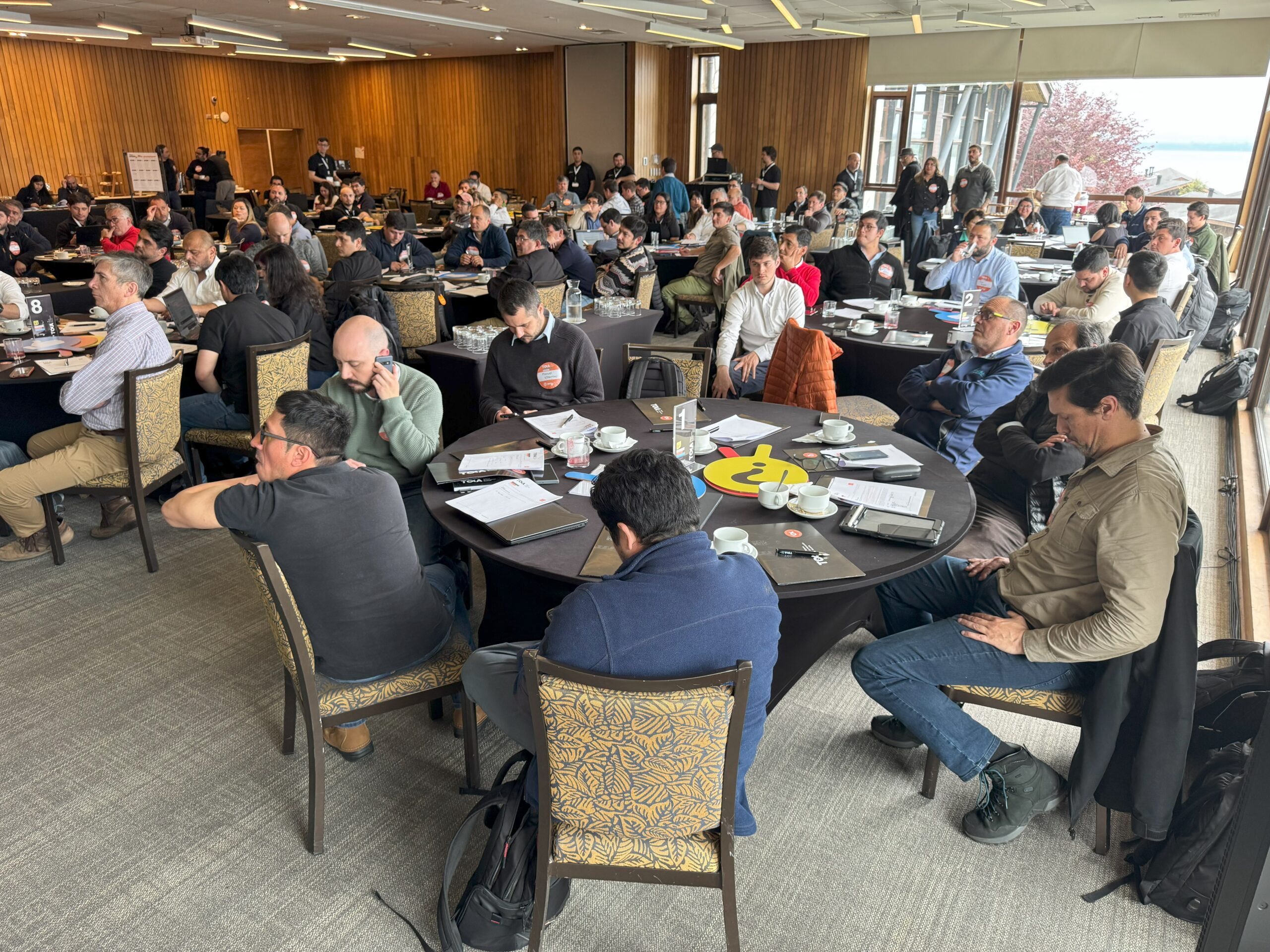
Finally, Juan Carlos Maldonado, founder of Aquatex and specialist in cultivation networks, stressed the importance of regulatory viability: "This workshop allows a detailed analysis of the exempt resolution 1821, evaluating its implications legal and technical. It is a key space for each proposed adjustment to be in tune with the regulatory frameworkcontributing to a responsible and sustainable aquaculture industry."
Key collaboration
The Aquaculture Interaction Workshop 2.1 represents an unprecedented effort of essential collaboration to consolidate the sustainable development of the aquaculture industry in Chile, allowing the industry to move forward with policies which reflect both the long-term vision and the current needs of the sector.
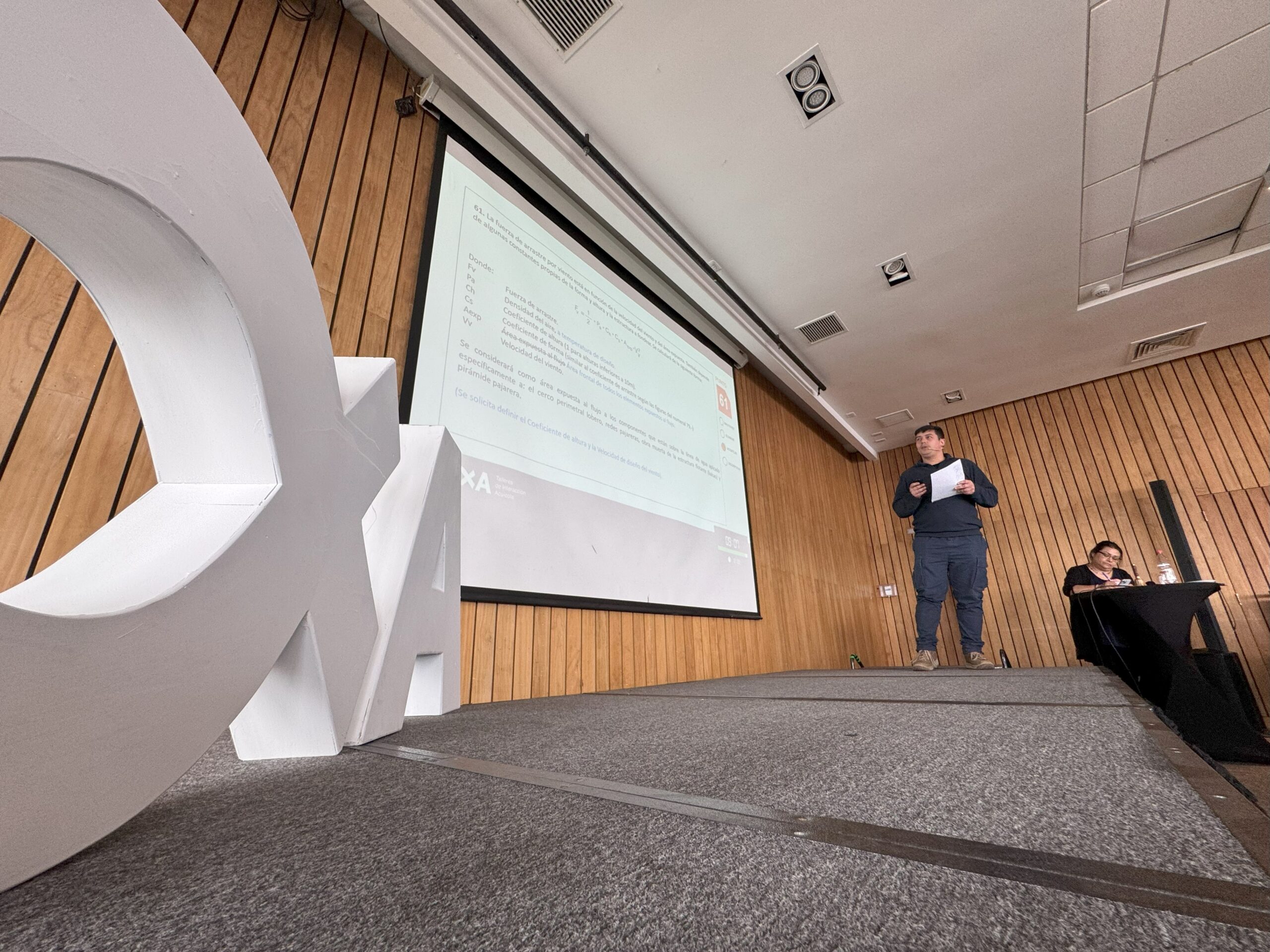
Next Wednesday 27 November, in the same place, the industry will meet again but now around issues related to certifications and regulations. Based on the conclusions of the two days, Intestesal and AEX Group will carry out a proposed amendment regulation to the authority.
For more information, visit www.interacciónacuicola.cl